




Tai Prints
















About
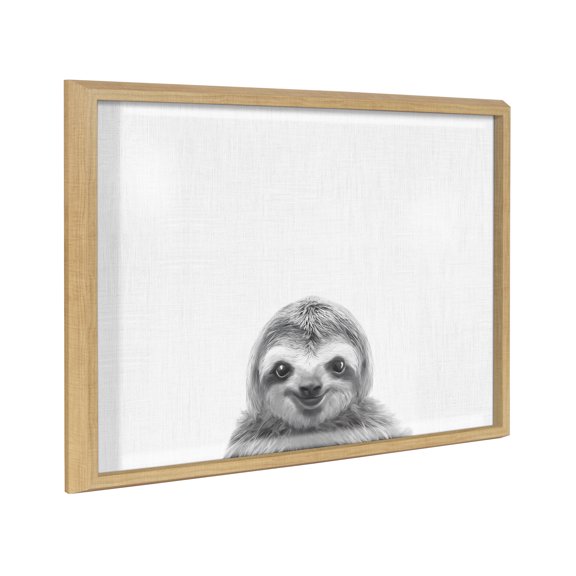
Your sloth artwork can set a playful, modern tone while helping you coordinate animal themes, canvas formats, and bedroom-ready wall decor. You can use this guide to compare subject matter, framing options, and black and white looks that fit your room.
How to choose sloth artwork and animal subjects
You may start with subject matter because it quickly shapes the mood of your wall. You can keep things light with sloths, or you can add character with raccoon, goat, bear, elephant, or cactus imagery.
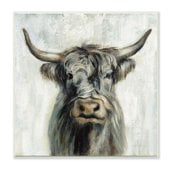
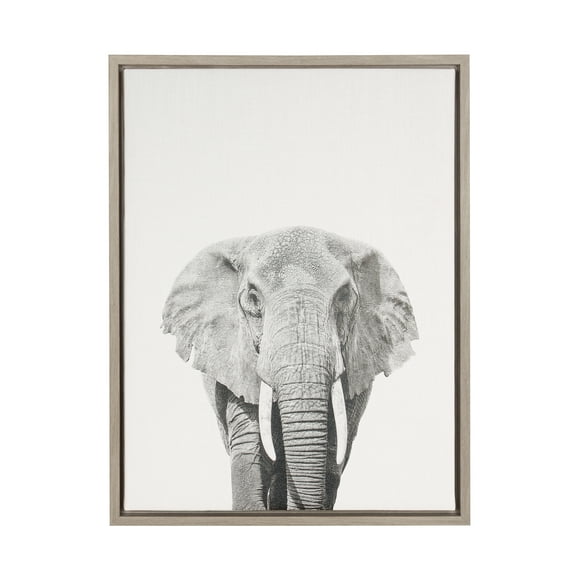
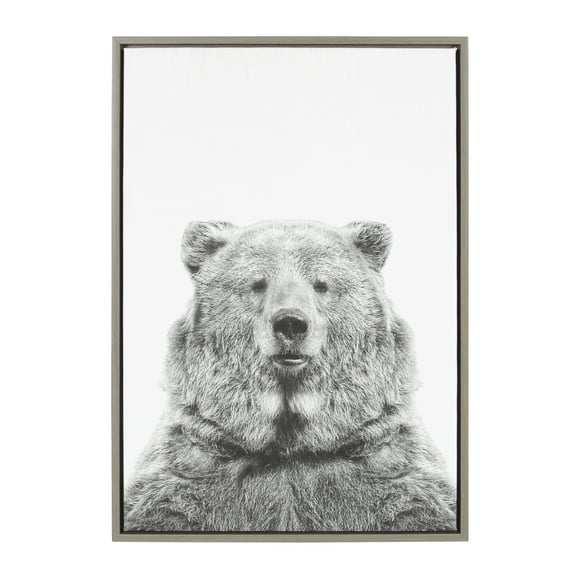
If you want a softer, whimsical look, you may prefer sloth wall art with relaxed poses and clean backgrounds. If you want a stronger focal point, you may lean toward elephant paintings or bear canvas wall art.
You can also match animal themes to the room you decorate. You may use sloths in nurseries, goats in eclectic offices, and raccoon artwork in casual living spaces.
- You can use sloth designs to create a calm, playful accent.
- You can choose elephant canvas styles when you want a larger visual anchor.
- You can bring in goat posters or racoon print themes for quirky, conversation-starting walls.
- You can pair cactus imagery with minimalist rooms that need a simple graphic touch.
Choosing elephant canvas, prints, posters, and paintings
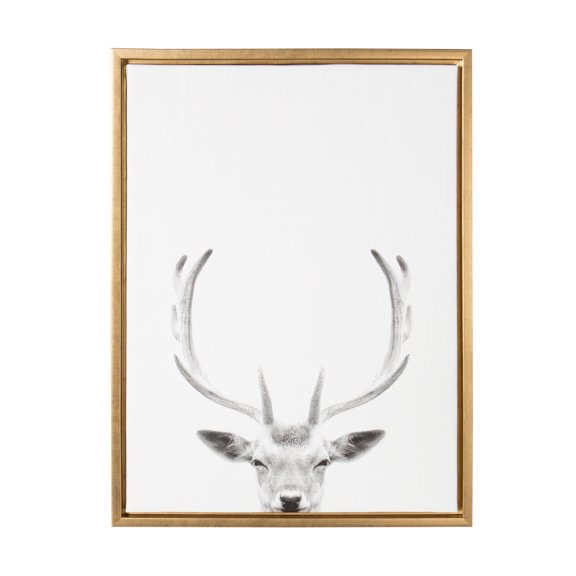
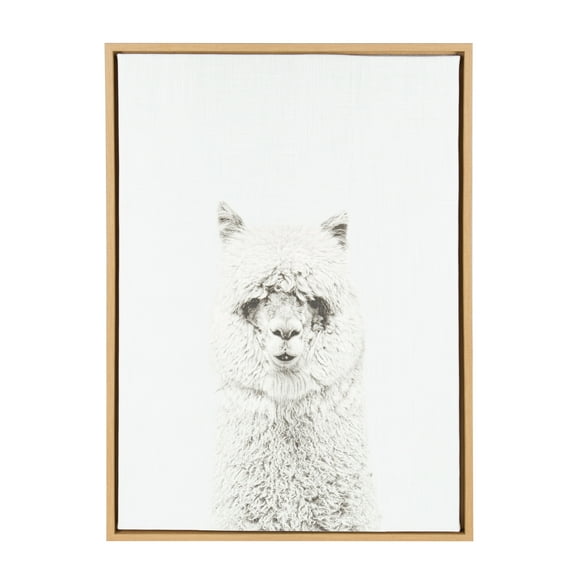
You should compare art medium first because each format changes how your wall looks across the room. You can get a gallery feel with stretched canvas, a crisp edge with framed art, or easy styling with posters and prints.
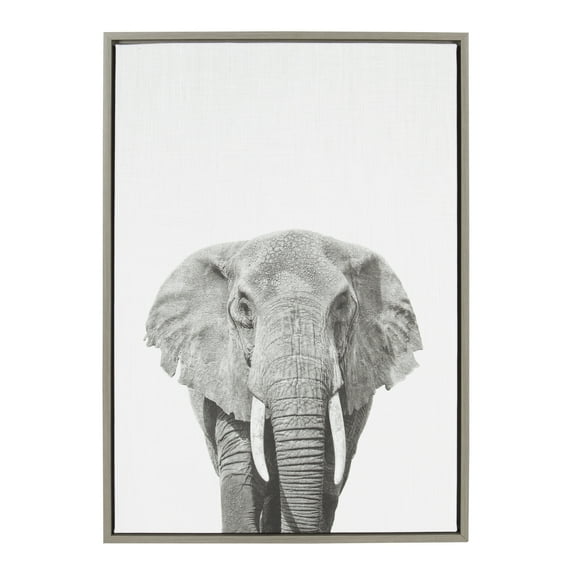
When you choose elephant canvas, you usually get a fuller presence with wrapped edges and a clean profile. When you choose paper prints, you get more flexibility for your own frame and mat choices.
You can look at exact measurements in inches before you commit to a piece. You should also check aspect ratio, because your wall may suit a tall vertical print or a wide horizontal layout.
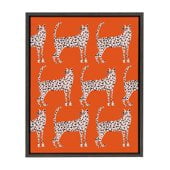
If you want a finished look right away, you may prefer a framed cactus print or another framed animal image. If you like to customize later, you may prefer an unframed print that fits your existing decor plan.
You can also compare mounting details in plain terms before you narrow your options. You may want hanging hardware included, or you may prefer a lighter unframed format for shelves and ledges.
Choosing black and white pictures for your room
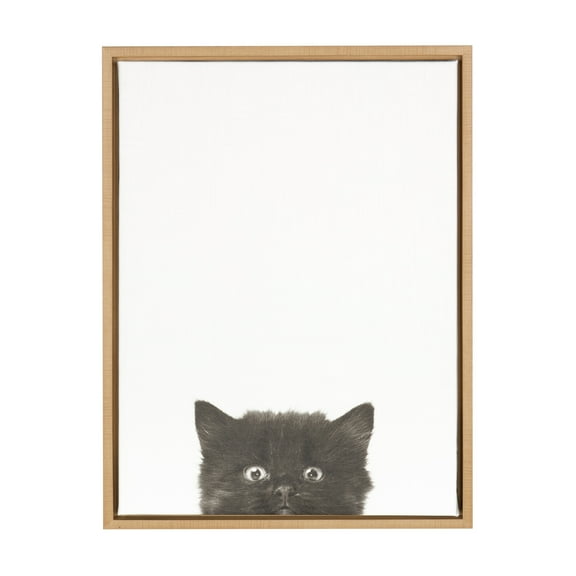
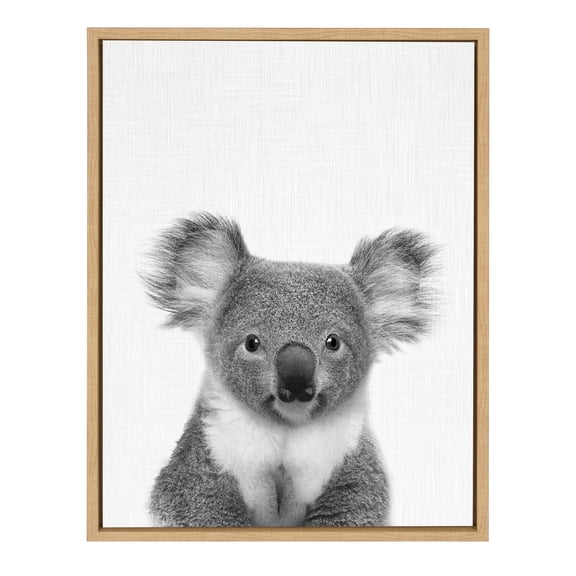
You can use black and white pictures when you want artwork that blends with changing bedding, rugs, and accent pieces. You may find monochrome styles especially useful in bedrooms, offices, and living rooms with layered textures.
If your room gets bright daylight, you may like black white wall art because strong contrast stays clear as lighting shifts. If your room uses warm lamps, you may still keep a clean look with softer grayscale tones.
You can compare full-color animal art with black and white art for bedroom spaces by looking at your existing palette. You may want monochrome pieces for calm walls, or you may want color when your room needs one playful focal point.
For bedrooms, you can choose gentle animal outlines, simple backgrounds, and balanced negative space. For offices, you may prefer cool pictures black and white styles that look neat beside desks and bookshelves.
What to look for in framing, sizing, and materials
You should measure your wall before you choose any print, poster, or canvas. You can use width and height in inches to check whether one statement piece or a smaller grouping fits your layout.
If you hang art above a bed, sofa, or desk, you should compare the artwork width with the furniture below. You can create a steadier look when the piece feels proportional to the space.
You may also want to check material details that affect long-term appearance. You can look for archival ink, UV-resistant canvas, and paper weight information when durability matters to your display plan.
Archival ink matters because you want lines and tones to stay consistent over time. UV-resistant canvas matters because you may place artwork in rooms with changing daylight.
Paper weight can help you understand how substantial an unframed print may feel in hand. You can use that detail when you compare posters, art prints, and framed options for everyday decorating.
Matching style combinations to each room
You can build a bedroom wall around sloth artwork, black and white pictures, and light frames for a calm, modern look. You may prefer this mix when you want playful imagery without loud color.
For a living room, you can combine elephant canvas pieces with fuller color and larger dimensions. You may use that approach when your seating area needs a clear focal point.
In a nursery, you can choose soft animal prints with simple shapes and gentle contrast. You can keep the room cohesive by repeating one subject, like sloths, across prints and textiles.
For an office, you may prefer framed animal prints or goat posters with cleaner lines and limited color. You can keep your workspace polished while still adding personality to the wall.
If you like eclectic decor, you can mix a raccon print, a cactus image, and monochrome accents in one gallery wall. You should keep sizes coordinated so your arrangement feels intentional instead of crowded.
You can choose with more confidence when you compare subject matter, format, color palette, and framing as connected decisions. Your finished wall can feel cohesive, room-appropriate, and easy to live with every day.