


Volcanica Coffee Tanzania Peaberry Coffee - 16 oz., Whole Bean
Key item features
- Volcanica Coffee Tanzania Peaberry Coffee - 16 oz., Whole Bean
-
Tanzania Peaberry Coffee is now sourced from the prestigious Kilimanjaro Plantation, nestled on the southern slopes of Mount Kilimanjaro. This estate has been growing high-quality Arabica Bourbon coffee since 1955, with its roots tracing back to the introduction of Arabica Bourbon by missionaries in 1890. The rich volcanic soil and perfect climatic conditions make this single-origin coffee one of the finest in the world.
The coffee from Kilimanjaro Plantation is known for its vibrant acidity, rich body, and intense flavor, with delicate winy overtones and a fragrant aroma. Originally grown on large plantations, the coffee is now a vital part of the local “shamba” (cultivated garden) tradition of the Chaga tribe, who have been integral to the region’s coffee cultivation. Each cup reflects the legacy of Kilimanjaro’s world-class coffee production, combining tradition and excellence in every sip.
Certifications:
- Kosher Certified
- Single Origin
- Rainforest Alliance - RFA
- UTZ Certified
Flavor Notes: Cinnamon, Light Milk Chocolate, and Stone Fruits
Processing: Washed Process
Roast: Medium Roast
Additional Information:
- Country: Tanzania
- Drying: Raised Beds (A natural drying process that results in a sweeter, more floral flavor)
- Altitude: 4900 FT
- Farm: Kilimanjaro Estate
- pH: 5
- Single Origin Coffee
-
Peaberry Coffee: What is a Peaberry Coffee? Tanzania Peaberry Coffee beans are unique and have a much richer flavor. They are only found in 5% of the crop and are removed manually. The flavor of the Tanzania Peaberry Coffee is of a finer quality than the rest of the crop and is desired by coffee connoisseurs.
Most sources indicate that coffee arrived in Tanzania in the 16th century from Ethiopia. Originally, the Haya tribe in Tanzania would take the ripened coffee cherries and boil their skins with various herbs until macerated, and then smoked the mixture until it became something akin to coffee cherry jerky, which they would then chew on. They called coffee concoction amwani.
At first, coffee wasn’t meant for daily consumption in Tanzania. The people of the Haya tribe restricted its use for cultural, primarily religious, rituals, in which primarily high-ranking officials and royals were allowed to consume amwani and it was tightly controlled who could grow the crop.
Coffee became a cash crop in Tanzania in the 20th century under German colonial rule, in which the colonists mandated coffee trees be planted in every region in 1911, and soon after coffee became a major exported crop and indelibly linked to Tanzania. After World War I, the British took over the country and quickly planted over ten million seedlings throughout Tanzania, and eventually created the first cooperative in the country by 1925, called the Kilimanjaro Native Planters’ Association (KNPA).
After Tanzania’s independence in 1961, the government made quick work to develop the infrastructure and help grow the coffee industry into the burgeoning success that it is today. Despite occasional setbacks, like the coffee wilt disease spreading through the crops in the 1990s, and various economic troubles of the country, coffee has persisted to become one of the most important crops of Tanzania, and that is no more apparent than in Tanzania Peaberry coffee that Tanzania is known the world over for.
What Makes the Tanzania Peaberry So UniqueAlthough they are referred to as beans, the coffee that we know and love is in fact a seed. Normally, the seeds inside coffee cherries develop two flat surfaced sides. In approximately 4-6% of the world’s coffee production, only a single seed grows inside the coffee cherry. These are what we refer to as peaberries.
The reason
- By Volcanica Coffee
Specs
- Roast typeMedium
- Coffee bean originTanzania
- BrandVolcanica Coffee
- Flavor notesCinnamon, Light Milk Chocolate, Stone Fruits
- Food formWhole Bean
- Weight16 oz
How do you want your item?
More seller options (1)
Similar items you might like
Based on what customers bought
Best seller Lavazza Super Crema Whole Bean Coffee, Medium Roast, Arabica and Robusta Blend, 22 oz Bag $15.00 Was $16.68 68.2 ¢/oz
Best seller SponsoredNow$1500current price Now $15.00, Was $16.68$16.6868.2 ¢/ozYou save $1.68You save$1.68
Lavazza Super Crema Whole Bean Coffee, Medium Roast, Arabica and Robusta Blend, 22 oz Bag
4114.5 out of 5 Stars. 411 reviewsSave with Shipping, arrives in 2 days
Best seller Death Wish Coffee, Dark Roast, Whole Bean, Fair Trade, Organic, Bag, 10oz $13.46 $1.35/oz
Best seller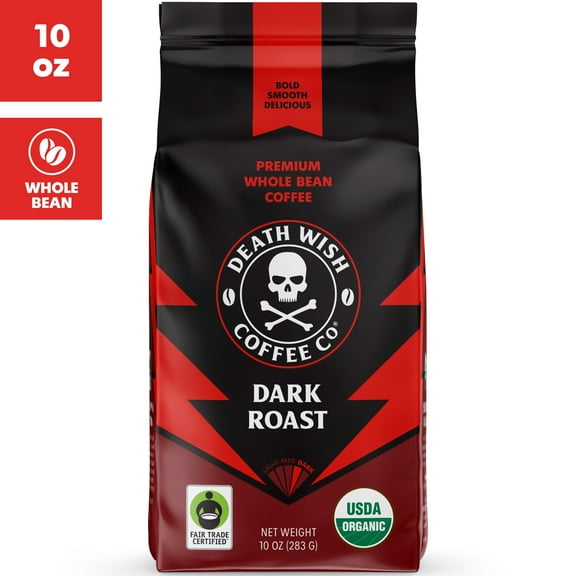 Sponsored$1346current price $13.46$1.35/oz
Death Wish Coffee, Dark Roast, Whole Bean, Fair Trade, Organic, Bag, 10oz
59894.8 out of 5 Stars. 5989 reviewsSave withDelivery as soon as 1 hourShipping, arrives todayPickup as soon as 12pmSNAP EBT eligibleBest seller Stumptown Coffee Organic Founders Blend Premium Dark Roast Whole Bean Coffee, Arabica, 12 oz $14.98 $1.25/oz
Best seller 4 optionsAvailable in additional 4 options$1498current price $14.98$1.25/oz
Stumptown Coffee Organic Founders Blend Premium Dark Roast Whole Bean Coffee, Arabica, 12 oz
6614.5 out of 5 Stars. 661 reviewsBest seller Death Wish Coffee, Organic and Fair Trade, Medium Roast, Whole Bean Coffee, 10 oz $13.46 $1.35/oz
Best seller 2 optionsAvailable in additional 2 options$1346current price $13.46$1.35/oz
Death Wish Coffee, Organic and Fair Trade, Medium Roast, Whole Bean Coffee, 10 oz
11214.7 out of 5 Stars. 1121 reviewsCameron's Coffee Breakfast Blend Light Roast Whole Bean Arabica Coffee, Bright & Fruity, 32 oz Bag $17.00
 $1700current price $17.00
Cameron's Coffee Breakfast Blend Light Roast Whole Bean Arabica Coffee, Bright & Fruity, 32 oz Bag
434.7 out of 5 Stars. 43 reviewsFire Department Coffee Original Dark Roast Premium Whole Bean Coffee, 12 oz $9.31 Was $10.96
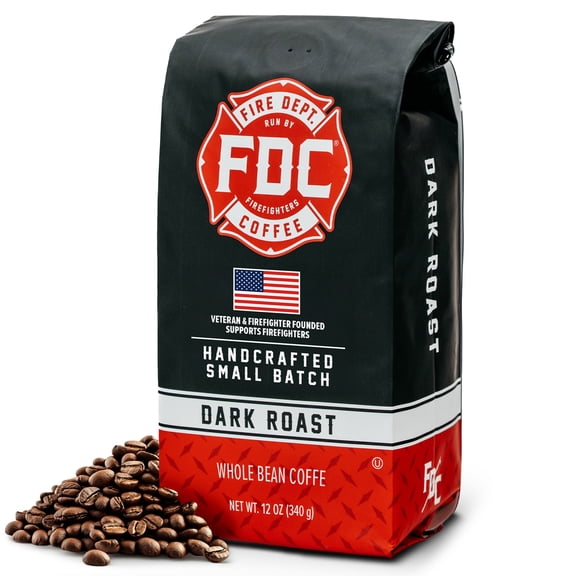 14 optionsAvailable in additional 14 options$931current price $9.31, Was $10.96$10.96
Fire Department Coffee Original Dark Roast Premium Whole Bean Coffee, 12 oz
11694.8 out of 5 Stars. 1169 reviewsBLK & Bold Rise & GRND Blend, Medium Roast Whole Bean Coffee - 10.5 oz $10.96 $1.04/oz
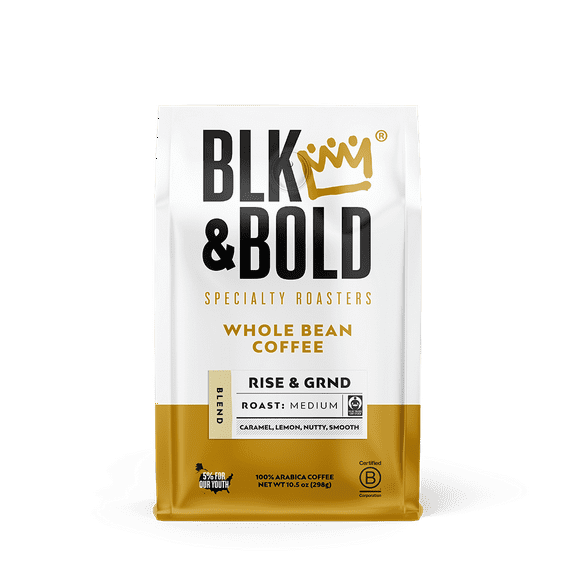 Sponsored$1096current price $10.96$1.04/oz
BLK & Bold Rise & GRND Blend, Medium Roast Whole Bean Coffee - 10.5 oz
8774.8 out of 5 Stars. 877 reviewsSave withDelivery as soon as 1 hourShipping, arrives todayPickup as soon as 12pmSNAP EBT eligibleCameron's Coffee Organic French Roast Dark Roast Whole Bean Arabica Coffee, Dark & Rich, 4 lb Bag $43.33
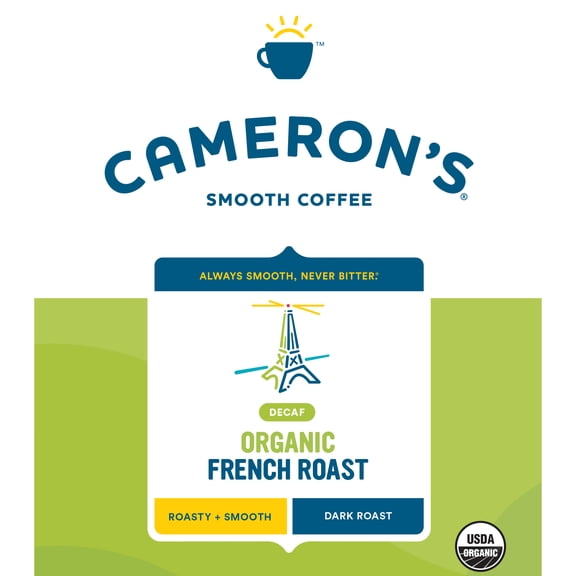 Sponsored$4333current price $43.33
Cameron's Coffee Organic French Roast Dark Roast Whole Bean Arabica Coffee, Dark & Rich, 4 lb Bag
94 out of 5 Stars. 9 reviewsSave withShipping, arrives in 2 daysSNAP EBT eligibleVolcanica Coffee Cuban Coffee - Cafe Cubano - Miami Espresso - 16 oz. / Whole Bean $19.99
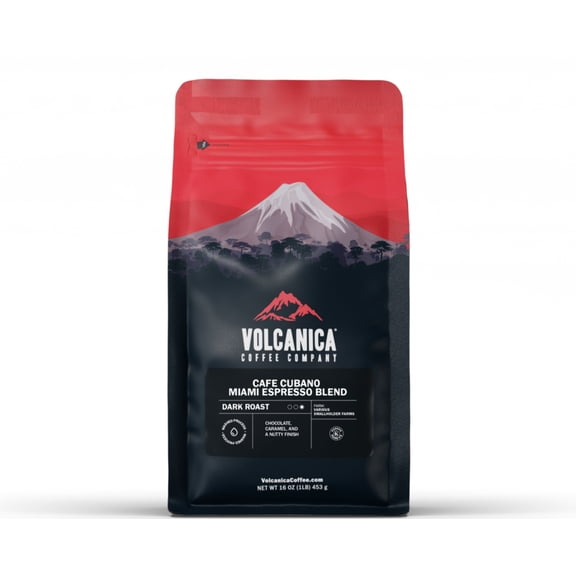 6 optionsAvailable in additional 6 options$1999current price $19.99
Volcanica Coffee Cuban Coffee - Cafe Cubano - Miami Espresso - 16 oz. / Whole Bean
Peet's Coffee French Roast Premium Dark Roast Whole Bean Coffee, Arabica, 18 oz $16.96 94.2 ¢/oz
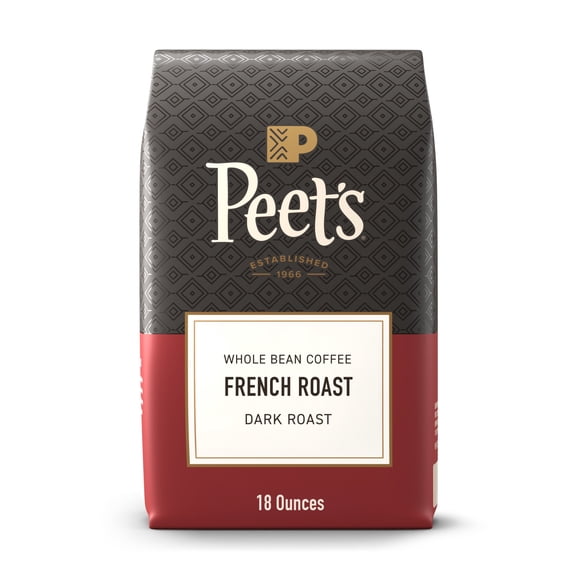 $1696current price $16.9694.2 ¢/oz
Peet's Coffee French Roast Premium Dark Roast Whole Bean Coffee, Arabica, 18 oz
17144.7 out of 5 Stars. 1714 reviewsCameron's Coffee Velvet Moon Dark Roast Whole Bean Arabica Coffee, Smooth & Rich, 28 oz Bag $16.49
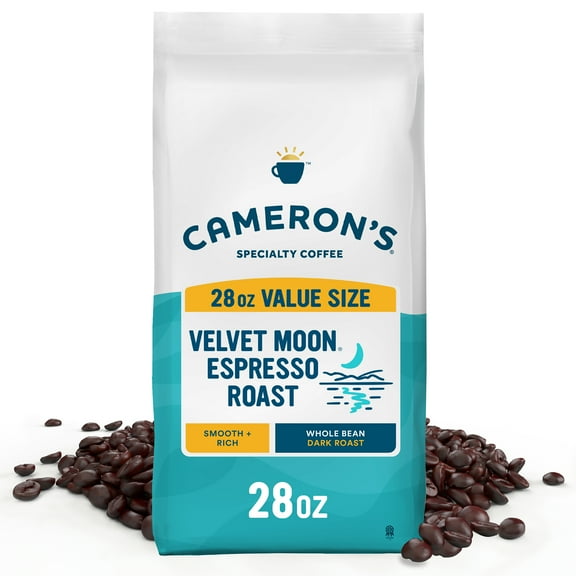 $1649current price $16.49
Cameron's Coffee Velvet Moon Dark Roast Whole Bean Arabica Coffee, Smooth & Rich, 28 oz Bag
184.6 out of 5 Stars. 18 reviewsCameron's Coffee Organic Espresso Dark Roast Whole Bean Arabica Coffee, Roasty & Smooth, 28 oz Bag $21.30
 $2130current price $21.30
Cameron's Coffee Organic Espresso Dark Roast Whole Bean Arabica Coffee, Roasty & Smooth, 28 oz Bag
1084.5 out of 5 Stars. 108 reviewsEight O'Clock Coffee Hazelnut Whole Bean Medium Roast Arabica Coffee 10 oz $8.19 74.5 ¢/oz
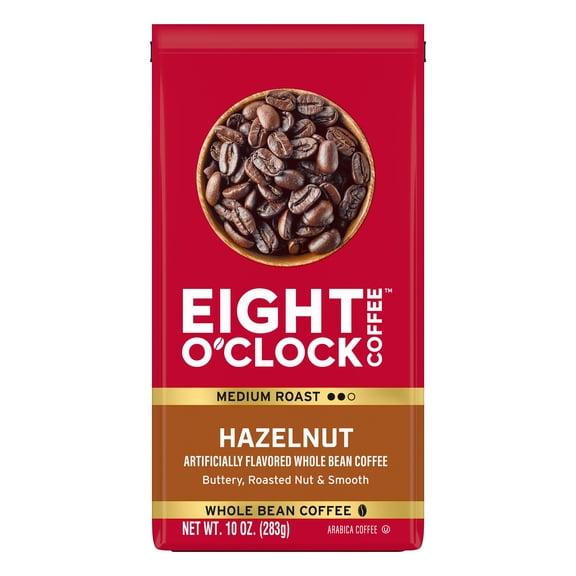 Sponsored$819current price $8.1974.5 ¢/oz
Eight O'Clock Coffee Hazelnut Whole Bean Medium Roast Arabica Coffee 10 oz
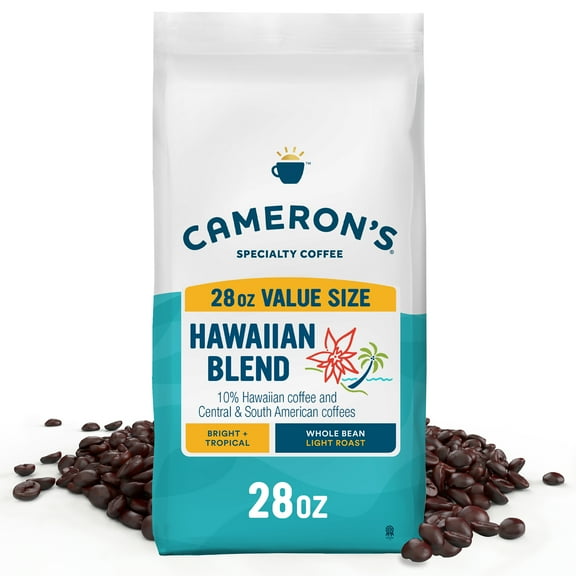
3134.8 out of 5 Stars. 313 reviewsSave withShipping, arrives in 2 daysSNAP EBT eligibleCameron's Coffee Hawaiian Blend Light Roast Whole Bean Arabica Coffee, Bright & Tropical, 28 oz Bag $18.97
 Sponsored$1897current price $18.97
Cameron's Coffee Hawaiian Blend Light Roast Whole Bean Arabica Coffee, Bright & Tropical, 28 oz Bag
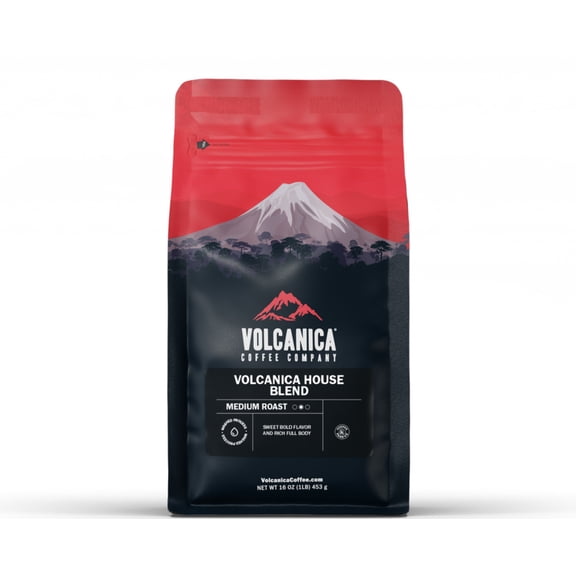
124.7 out of 5 Stars. 12 reviewsSave withShipping, arrives in 2 daysSNAP EBT eligibleVolcanica House Blend Coffee - 16 oz. / Whole Bean $19.99
 4 optionsAvailable in additional 4 options$1999current price $19.99
Volcanica House Blend Coffee - 16 oz. / Whole Bean
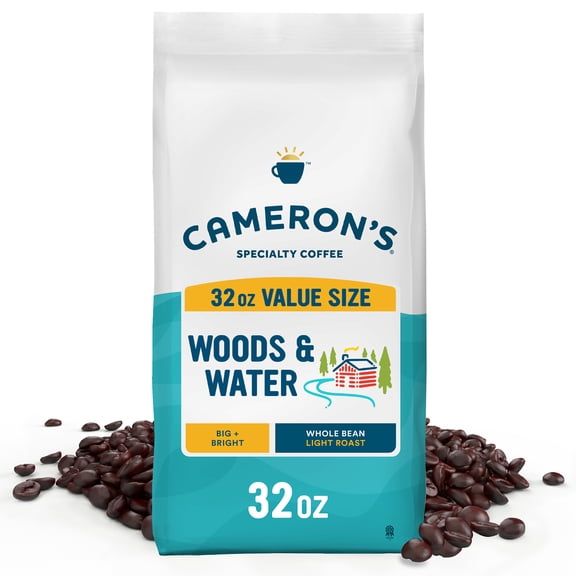
Cameron's Coffee Woods & Water Light Roast Whole Bean Arabica Coffee, Big & Bright, 32 oz Bag $17.98
 $1798current price $17.98
Cameron's Coffee Woods & Water Light Roast Whole Bean Arabica Coffee, Big & Bright, 32 oz Bag
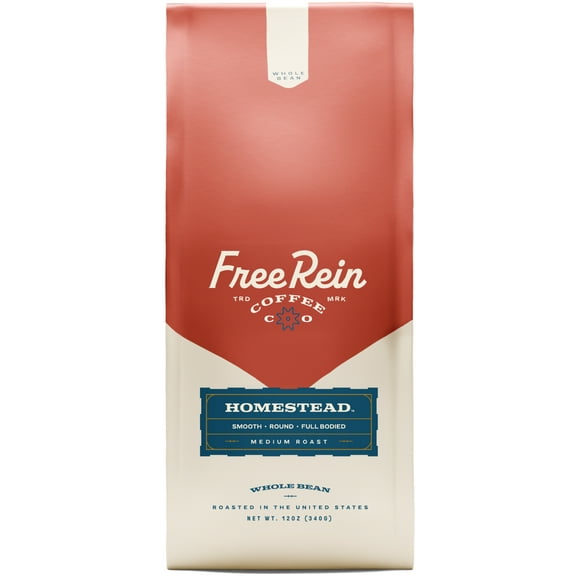
114.2 out of 5 Stars. 11 reviewsFree Rein Coffee Company Homestead Medium Roast Whole Bean Coffee, 12oz Bag $21.20 $1.77/oz
 3 optionsAvailable in additional 3 options$2120current price $21.20$1.77/oz
Free Rein Coffee Company Homestead Medium Roast Whole Bean Coffee, 12oz Bag
22014.7 out of 5 Stars. 2201 reviews(2 pack) Lavazza Espresso Whole Bean Coffee, Medium Roast, 100% Arabica, 2.2 lb Bag (pack of 1) $27.99 Was $34.55
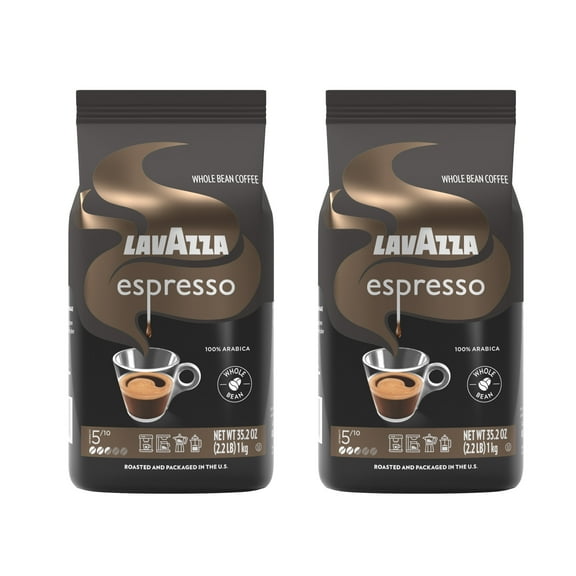 $2799current price $27.99, Was $34.55$34.55
(2 pack) Lavazza Espresso Whole Bean Coffee, Medium Roast, 100% Arabica, 2.2 lb Bag (pack of 1)
3854.5 out of 5 Stars. 385 reviewsCameron's Coffee Jamaican Blend Dark Roast Whole Bean Arabica Coffee, Full & Complex, 28 oz Bag $18.97
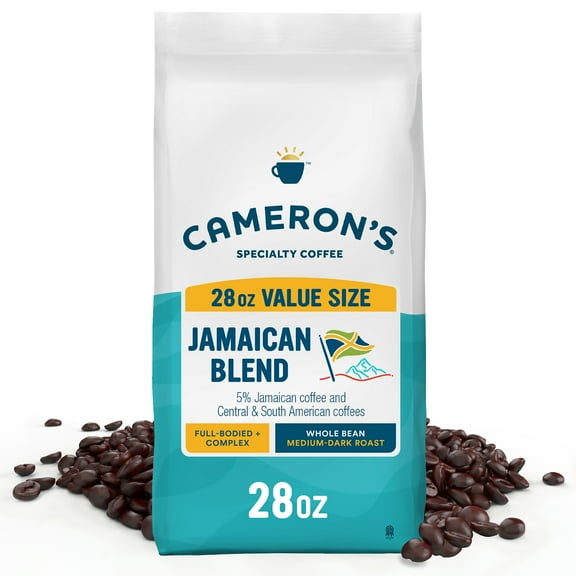 Sponsored$1897current price $18.97
Cameron's Coffee Jamaican Blend Dark Roast Whole Bean Arabica Coffee, Full & Complex, 28 oz Bag
364.4 out of 5 Stars. 36 reviewsSave withShipping, arrives in 2 daysSNAP EBT eligibleCameron's Coffee Organic Guatemala Medium Roast Whole Bean Arabica Coffee, Sweet & Floral, 4 lb Bag $43.33
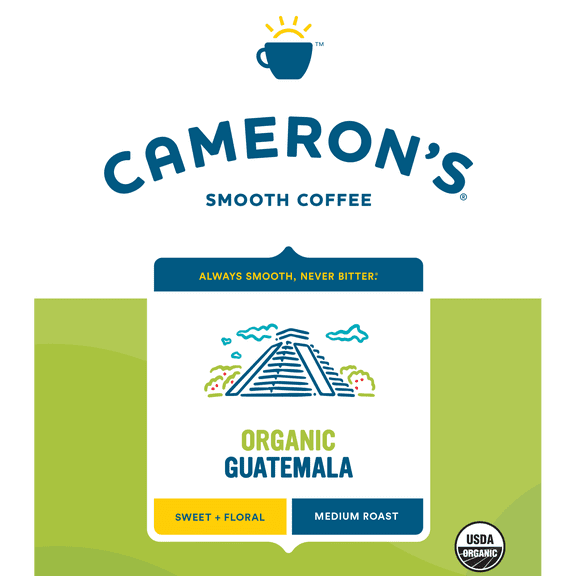 Sponsored$4333current price $43.33
Cameron's Coffee Organic Guatemala Medium Roast Whole Bean Arabica Coffee, Sweet & Floral, 4 lb Bag
33.3 out of 5 Stars. 3 reviewsSave withShipping, arrives in 2 daysSNAP EBT eligible

About this item
Product details
Tanzania Peaberry Coffee is now sourced from the prestigious Kilimanjaro Plantation, nestled on the southern slopes of Mount Kilimanjaro. This estate has been growing high-quality Arabica Bourbon coffee since 1955, with its roots tracing back to the introduction of Arabica Bourbon by missionaries in 1890. The rich volcanic soil and perfect climatic conditions make this single-origin coffee one of the finest in the world.
The coffee from Kilimanjaro Plantation is known for its vibrant acidity, rich body, and intense flavor, with delicate winy overtones and a fragrant aroma. Originally grown on large plantations, the coffee is now a vital part of the local “shamba” (cultivated garden) tradition of the Chaga tribe, who have been integral to the region’s coffee cultivation. Each cup reflects the legacy of Kilimanjaro’s world-class coffee production, combining tradition and excellence in every sip.
Certifications:
- Kosher Certified
- Single Origin
- Rainforest Alliance - RFA
- UTZ Certified
Flavor Notes: Cinnamon, Light Milk Chocolate, and Stone Fruits
Processing: Washed Process
Roast: Medium Roast
Additional Information:
- Country: Tanzania
- Drying: Raised Beds (A natural drying process that results in a sweeter, more floral flavor)
- Altitude: 4900 FT
- Farm: Kilimanjaro Estate
- pH: 5
- Single Origin Coffee
-
Peaberry Coffee: What is a Peaberry Coffee? Tanzania Peaberry Coffee beans are unique and have a much richer flavor. They are only found in 5% of the crop and are removed manually. The flavor of the Tanzania Peaberry Coffee is of a finer quality than the rest of the crop and is desired by coffee connoisseurs.
Most sources indicate that coffee arrived in Tanzania in the 16th century from Ethiopia. Originally, the Haya tribe in Tanzania would take the ripened coffee cherries and boil their skins with various herbs until macerated, and then smoked the mixture until it became something akin to coffee cherry jerky, which they would then chew on. They called coffee concoction amwani.
At first, coffee wasn’t meant for daily consumption in Tanzania. The people of the Haya tribe restricted its use for cultural, primarily religious, rituals, in which primarily high-ranking officials and royals were allowed to consume amwani and it was tightly controlled who could grow the crop.
Coffee became a cash crop in Tanzania in the 20th century under German colonial rule, in which the colonists mandated coffee trees be planted in every region in 1911, and soon after coffee became a major exported crop and indelibly linked to Tanzania. After World War I, the British took over the country and quickly planted over ten million seedlings throughout Tanzania, and eventually created the first cooperative in the country by 1925, called the Kilimanjaro Native Planters’ Association (KNPA).
After Tanzania’s independence in 1961, the government made quick work to develop the infrastructure and help grow the coffee industry into the burgeoning success that it is today. Despite occasional setbacks, like the coffee wilt disease spreading through the crops in the 1990s, and various economic troubles of the country, coffee has persisted to become one of the most important crops of Tanzania, and that is no more apparent than in Tanzania Peaberry coffee that Tanzania is known the world over for.
What Makes the Tanzania Peaberry So UniqueAlthough they are referred to as beans, the coffee that we know and love is in fact a seed. Normally, the seeds inside coffee cherries develop two flat surfaced sides. In approximately 4-6% of the world’s coffee production, only a single seed grows inside the coffee cherry. These are what we refer to as peaberries.
The reason
- Volcanica Coffee Tanzania Peaberry Coffee - 16 oz., Whole Bean
-
Tanzania Peaberry Coffee is now sourced from the prestigious Kilimanjaro Plantation, nestled on the southern slopes of Mount Kilimanjaro. This estate has been growing high-quality Arabica Bourbon coffee since 1955, with its roots tracing back to the introduction of Arabica Bourbon by missionaries in 1890. The rich volcanic soil and perfect climatic conditions make this single-origin coffee one of the finest in the world.
The coffee from Kilimanjaro Plantation is known for its vibrant acidity, rich body, and intense flavor, with delicate winy overtones and a fragrant aroma. Originally grown on large plantations, the coffee is now a vital part of the local “shamba” (cultivated garden) tradition of the Chaga tribe, who have been integral to the region’s coffee cultivation. Each cup reflects the legacy of Kilimanjaro’s world-class coffee production, combining tradition and excellence in every sip.
Certifications:
- Kosher Certified
- Single Origin
- Rainforest Alliance - RFA
- UTZ Certified
Flavor Notes: Cinnamon, Light Milk Chocolate, and Stone Fruits
Processing: Washed Process
Roast: Medium Roast
Additional Information:
- Country: Tanzania
- Drying: Raised Beds (A natural drying process that results in a sweeter, more floral flavor)
- Altitude: 4900 FT
- Farm: Kilimanjaro Estate
- pH: 5
- Single Origin Coffee
-
Peaberry Coffee: What is a Peaberry Coffee? Tanzania Peaberry Coffee beans are unique and have a much richer flavor. They are only found in 5% of the crop and are removed manually. The flavor of the Tanzania Peaberry Coffee is of a finer quality than the rest of the crop and is desired by coffee connoisseurs.
Most sources indicate that coffee arrived in Tanzania in the 16th century from Ethiopia. Originally, the Haya tribe in Tanzania would take the ripened coffee cherries and boil their skins with various herbs until macerated, and then smoked the mixture until it became something akin to coffee cherry jerky, which they would then chew on. They called coffee concoction amwani.
At first, coffee wasn’t meant for daily consumption in Tanzania. The people of the Haya tribe restricted its use for cultural, primarily religious, rituals, in which primarily high-ranking officials and royals were allowed to consume amwani and it was tightly controlled who could grow the crop.
Coffee became a cash crop in Tanzania in the 20th century under German colonial rule, in which the colonists mandated coffee trees be planted in every region in 1911, and soon after coffee became a major exported crop and indelibly linked to Tanzania. After World War I, the British took over the country and quickly planted over ten million seedlings throughout Tanzania, and eventually created the first cooperative in the country by 1925, called the Kilimanjaro Native Planters’ Association (KNPA).
After Tanzania’s independence in 1961, the government made quick work to develop the infrastructure and help grow the coffee industry into the burgeoning success that it is today. Despite occasional setbacks, like the coffee wilt disease spreading through the crops in the 1990s, and various economic troubles of the country, coffee has persisted to become one of the most important crops of Tanzania, and that is no more apparent than in Tanzania Peaberry coffee that Tanzania is known the world over for.
What Makes the Tanzania Peaberry So UniqueAlthough they are referred to as beans, the coffee that we know and love is in fact a seed. Normally, the seeds inside coffee cherries develop two flat surfaced sides. In approximately 4-6% of the world’s coffee production, only a single seed grows inside the coffee cherry. These are what we refer to as peaberries.
The reason
- By Volcanica Coffee
