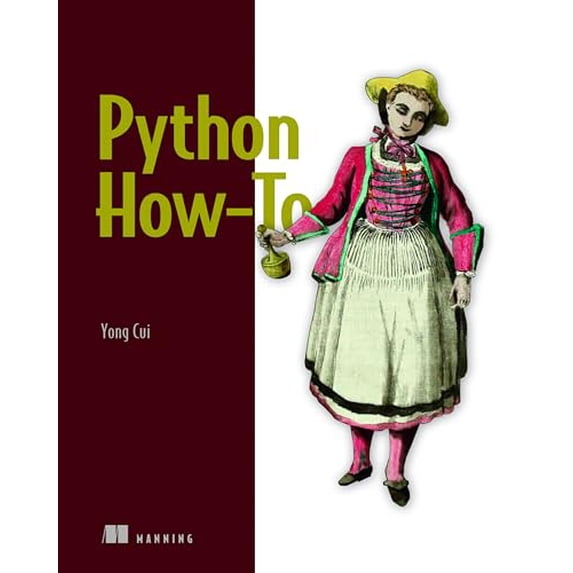

Pre-Owned Python How-To: 63 Techniques to Improve Your Python Code (Paperback) by Yong Cui
Key item features
Python How-To includes over 60 detailed answers to questions like:
- How do I join and split strings?
- How do I access dictionary keys, values, and items?
- How do I set and use the return value in function calls?
- How do I process JSON data?
- How do I create lazy attributes to improve performance?
- How do I change variables in a different namespace?
…and much more
Python How-To walks you through the most important coding techniques in Python. Whether you’re doing data science, building web applications, or writing admin scripts, you’ll find answers to your “how-to” questions in this book. Inside you’ll find important insights into both Python basics and deep-dive topics to help you skill-up at any stage of your Python career. Author Yong Cui’s clear and practical writing is instantly accessible and makes it easy to take advantage of Python’s versatile tools and libraries. Perfect to be read both from cover to cover, and whenever you need help troubleshooting your code.
Purchase of the print book includes a free eBook in PDF, Kindle, and ePub formats from Manning Publications.
About the Technology
Python How-To uses a simple but powerful method to lock in 63 core Python skills. You’ll start with a question, like “How do I find items in a sequence?” Next, you’ll see an example showing the basic solution in crystal-clear code. You’ll then explore interesting variations, such as finding substrings or identifying custom classes. Finally, you’ll practice with a challenge exercise before moving on to the next How-To.
About the Book
This practical guide covers all the language features you’ll need to get up and running with Python. As you go, you’ll explore best practices for writing great Python code. Practical suggestions and engaging graphics make each important technique come to life. Author Yong Cui’s careful cross-referencing reveals how you can reuse features and concepts in different contexts.
What’s Inside
How to:
- Join and split strings
- Access dictionary keys, values, and items
- Set and use the return value in function calls
- Process JSON data
- Create lazy attributes to improve performance
- Change variables in a different namespace
…and much more.
About the Reader
For beginning to intermediate Python programmers.
About the Author
Dr. Yong Cui has been working with Python in bioscience for data analysis, machine learning, and tool development for over 15 years.
Table of Contents
1 Developing a pragmatic learning strategy
PART 1 - USING BUILT-IN DATA MODELS
2 Processing and formatting strings
3 Using built-in data containers
4 Dealing with sequence data
5 Iterables and iterations
PART 2 - DEFINING FUNCTIONS
6 Defining user-friendly functions
7 Using functions beyond the basics
PART 3 - DEFINING CLASSES
8 Defining user-friendly classes
9 Using classes beyond the basics
PART 4 - MANIPULATING OBJECTS AND FILES
10 Fundamentals of objects
11 Dealing with files
PART 5 - SAFEGUARDING THE CODEBASE
12 Logging and exception handling
13 Debugging and testing
PART 6 - BUILDING A WEB APP
14 Completing a real project
Specs
- Book formatHardcover
- Fiction/nonfictionNon-Fiction
- GenreComputing & Internet
- Pages454
- PublisherManning Publications
- Original languagesEnglish
- Free shipping
Free 30-day returns
How do you want your item?
About this item
Product details
Python How-To includes over 60 detailed answers to questions like:
- How do I join and split strings?
- How do I access dictionary keys, values, and items?
- How do I set and use the return value in function calls?
- How do I process JSON data?
- How do I create lazy attributes to improve performance?
- How do I change variables in a different namespace?
…and much more
Python How-To walks you through the most important coding techniques in Python. Whether you’re doing data science, building web applications, or writing admin scripts, you’ll find answers to your “how-to” questions in this book. Inside you’ll find important insights into both Python basics and deep-dive topics to help you skill-up at any stage of your Python career. Author Yong Cui’s clear and practical writing is instantly accessible and makes it easy to take advantage of Python’s versatile tools and libraries. Perfect to be read both from cover to cover, and whenever you need help troubleshooting your code.
Purchase of the print book includes a free eBook in PDF, Kindle, and ePub formats from Manning Publications.
About the Technology
Python How-To uses a simple but powerful method to lock in 63 core Python skills. You’ll start with a question, like “How do I find items in a sequence?” Next, you’ll see an example showing the basic solution in crystal-clear code. You’ll then explore interesting variations, such as finding substrings or identifying custom classes. Finally, you’ll practice with a challenge exercise before moving on to the next How-To.
About the Book
This practical guide covers all the language features you’ll need to get up and running with Python. As you go, you’ll explore best practices for writing great Python code. Practical suggestions and engaging graphics make each important technique come to life. Author Yong Cui’s careful cross-referencing reveals how you can reuse features and concepts in different contexts.
What’s Inside
How to:
- Join and split strings
- Access dictionary keys, values, and items
- Set and use the return value in function calls
- Process JSON data
- Create lazy attributes to improve performance
- Change variables in a different namespace
…and much more.
About the Reader
For beginning to intermediate Python programmers.
About the Author
Dr. Yong Cui has been working with Python in bioscience for data analysis, machine learning, and tool development for over 15 years.
Table of Contents
1 Developing a pragmatic learning strategy
PART 1 - USING BUILT-IN DATA MODELS
2 Processing and formatting strings
3 Using built-in data containers
4 Dealing with sequence data
5 Iterables and iterations
PART 2 - DEFINING FUNCTIONS
6 Defining user-friendly functions
7 Using functions beyond the basics
PART 3 - DEFINING CLASSES
8 Defining user-friendly classes
9 Using classes beyond the basics
PART 4 - MANIPULATING OBJECTS AND FILES
10 Fundamentals of objects
11 Dealing with files
PART 5 - SAFEGUARDING THE CODEBASE
12 Logging and exception handling
13 Debugging and testing
PART 6 - BUILDING A WEB APP
14 Completing a real project
What is Pre-Owned: Good?
What is the Walmart Pre-Owned Program?
Walmart Pre-Owned allows you to find previously owned, well-cared-for items from Walmart’s trusted & performance-managed sellers. Shopping Pre-Owned allows you to bring home the best-quality picks at even lower prices, in addition to extending the life of an item & reducing waste. Find your favorites & shop a range of conditions in every category.
Why Walmart Pre-Owned?
Trusted sellers & quality items
Each Pre-Owned item listed comes from Walmart’s trusted performance-managed sellers, to ensure you get quality items.

Quality you can afford
Save even more on top brands & your most-loved items.

30-day free returns
Don’t love it? Most items offer a 30-day* free return policy, for added peace of mind.
Sustainability
Shopping Pre-Owned helps in extending the life of an item & reducing waste.
Product image for illustration purposes only. The item you receive may vary from the image in minor ways, such as slight differences in appearance, color, and/or design. *Exceptions apply during holiday season, and on certain electronics, collectibles, and jewelry.