

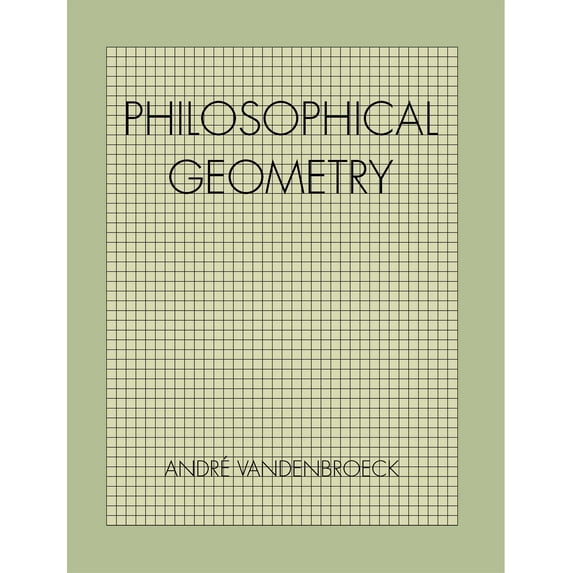
Hero image 0 of Philosophical Geometry (Paperback), 0 of 1
Philosophical Geometry (Paperback)
(No ratings yet)
Key item features
Ancient Egyptians and Greeks (up to Euclid) saw in plane geometry much more than land-surveying. For the Greeks, Gaia or Ge (from which our word “geometry” derives) was a universe rather than a planet. Man was the measure of the cosmos and geometry was the expression of this faculty, the discipline through which one studied the unity of cosmic necessity and human thought. For this reason tradition has it that Plato inscribed on the gates of his Academy: “Only geometers enter here.”
This aspect of the discipline was lost in modern times until studies such as those of Matila Ghyka rekindled an interest that culminated in R. A. Schwaller de Lubicz’s Pythagorean synthesis. Since it was essentially a rediscovery of unselfconscious modes of thinking, this synthesis did not pose the problem of foundations. Philosophical Geometry originated in the author’s perception of this problem while working with de Lubicz in Grasse, France, in 1960-61.
Written in 1972, Philosophical Geometry was conceived as a textbook and took shape in a teaching situation, individual elaboration of theory being the declared aim. Defined as “the activity of establishing a necessary conduct for mind through a set of signs denoting a necessary conduct of facts,” Philosophical Geometry approaches a universal theme to which the existence of every human being contributes a chapter. Philosophical Geometry is, and has been, an avenue toward inscription of such fundamental experience.
This aspect of the discipline was lost in modern times until studies such as those of Matila Ghyka rekindled an interest that culminated in R. A. Schwaller de Lubicz’s Pythagorean synthesis. Since it was essentially a rediscovery of unselfconscious modes of thinking, this synthesis did not pose the problem of foundations. Philosophical Geometry originated in the author’s perception of this problem while working with de Lubicz in Grasse, France, in 1960-61.
Written in 1972, Philosophical Geometry was conceived as a textbook and took shape in a teaching situation, individual elaboration of theory being the declared aim. Defined as “the activity of establishing a necessary conduct for mind through a set of signs denoting a necessary conduct of facts,” Philosophical Geometry approaches a universal theme to which the existence of every human being contributes a chapter. Philosophical Geometry is, and has been, an avenue toward inscription of such fundamental experience.
Specs
- Manual & guide typeInstruction Manual
- Book formatPaperback
- EditionRevised ed.
- Pages168
- LanguageEnglish
- BrandAndré VandenBroeck
Current price is USDNow $13.80
You save $2.89
was $16.69$16.69
You save$2.89
Price when purchased online
 Free 30-day returns
How do you want your item?
Ships to
Arrives between Jul 10 - Jul 13
|Shipping fee $7.98

Sold and shipped by Best Prices & Service
4.344615384615385 stars out of 5, based on 325 seller reviews(4.3)325 seller reviews

Free 30-day returns
More seller options (1)
Starting from $16.91
About this item
Product details
Ancient Egyptians and Greeks (up to Euclid) saw in plane geometry much more than land-surveying. For the Greeks, Gaia or Ge (from which our word "geometry" derives) was a universe rather than a planet. Man was the measure of the cosmos and geometry was the expression of this faculty, the discipline through which one studied the unity of cosmic necessity and human thought. For this reason tradition has it that Plato inscribed on the gates of his Academy: "Only geometers enter here." This aspect of the discipline was lost in modern times until studies such as those of Matila Ghyka rekindled an interest that culminated in R. A. Schwaller de Lubicz's Pythagorean synthesis. Since it was essentially a rediscovery of unselfconscious modes of thinking, this synthesis did not pose the problem of foundations. Philosophical Geometry originated in the author's perception of this problem while working with de Lubicz in Grasse, France, in 1960-61. Written in 1972, Philosophical Geometry was conceived as a textbook and took shape in a teaching situation, individual elaboration of theory being the declared aim. Defined as "the activity of establishing a necessary conduct for mind through a set of signs denoting a necessary conduct of facts," Philosophical Geometry approaches a universal theme to which the existence of every human being contributes a chapter. Philosophical Geometry is, and has been, an avenue toward inscription of such fundamental experience.
Ancient Egyptians and Greeks (up to Euclid) saw in plane geometry much more than land-surveying. For the Greeks, Gaia or Ge (from which our word “geometry” derives) was a universe rather than a planet. Man was the measure of the cosmos and geometry was the expression of this faculty, the discipline through which one studied the unity of cosmic necessity and human thought. For this reason tradition has it that Plato inscribed on the gates of his Academy: “Only geometers enter here.”
This aspect of the discipline was lost in modern times until studies such as those of Matila Ghyka rekindled an interest that culminated in R. A. Schwaller de Lubicz’s Pythagorean synthesis. Since it was essentially a rediscovery of unselfconscious modes of thinking, this synthesis did not pose the problem of foundations. Philosophical Geometry originated in the author’s perception of this problem while working with de Lubicz in Grasse, France, in 1960-61.
Written in 1972, Philosophical Geometry was conceived as a textbook and took shape in a teaching situation, individual elaboration of theory being the declared aim. Defined as “the activity of establishing a necessary conduct for mind through a set of signs denoting a necessary conduct of facts,” Philosophical Geometry approaches a universal theme to which the existence of every human being contributes a chapter. Philosophical Geometry is, and has been, an avenue toward inscription of such fundamental experience.
This aspect of the discipline was lost in modern times until studies such as those of Matila Ghyka rekindled an interest that culminated in R. A. Schwaller de Lubicz’s Pythagorean synthesis. Since it was essentially a rediscovery of unselfconscious modes of thinking, this synthesis did not pose the problem of foundations. Philosophical Geometry originated in the author’s perception of this problem while working with de Lubicz in Grasse, France, in 1960-61.
Written in 1972, Philosophical Geometry was conceived as a textbook and took shape in a teaching situation, individual elaboration of theory being the declared aim. Defined as “the activity of establishing a necessary conduct for mind through a set of signs denoting a necessary conduct of facts,” Philosophical Geometry approaches a universal theme to which the existence of every human being contributes a chapter. Philosophical Geometry is, and has been, an avenue toward inscription of such fundamental experience.
info:
We aim to show you accurate product information. Manufacturers, suppliers and others provide what you see here, and we have not verified it.
Specifications
Manual & guide type
Instruction Manual
Book format
Paperback
Edition
Revised ed.
Pages
168
Warranty
Warranty information
Please be aware that the warranty terms on items offered for sale by third party Marketplace sellers may differ from those displayed in this section (if any). To confirm warranty terms on an item offered for sale by a third party Marketplace seller, please use the 'Contact seller' feature on the third party Marketplace seller's information page and request the item's warranty terms prior to purchase.
Similar items you might like
Based on what customers bought
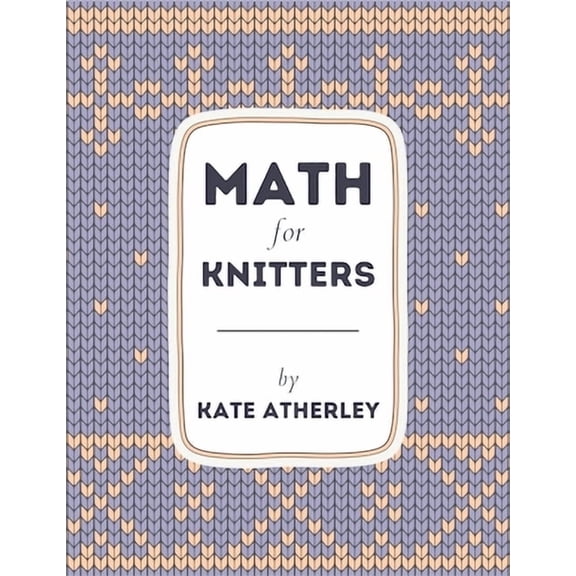
Math for Knitters, (Paperback) $17.39
 $1739current price $17.39
Math for Knitters, (Paperback)
Believe (Paperback) $11.95
 $1195current price $11.95
Believe (Paperback)
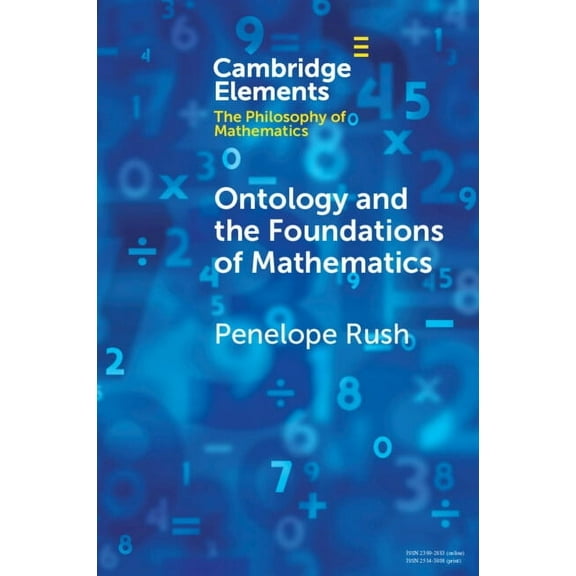
Elements in the Philosophy of Mathematic Ontology and the Foundations of Mathematics, (Paperback) $18.49
 $1849current price $18.49
Elements in the Philosophy of Mathematic Ontology and the Foundations of Mathematics, (Paperback)
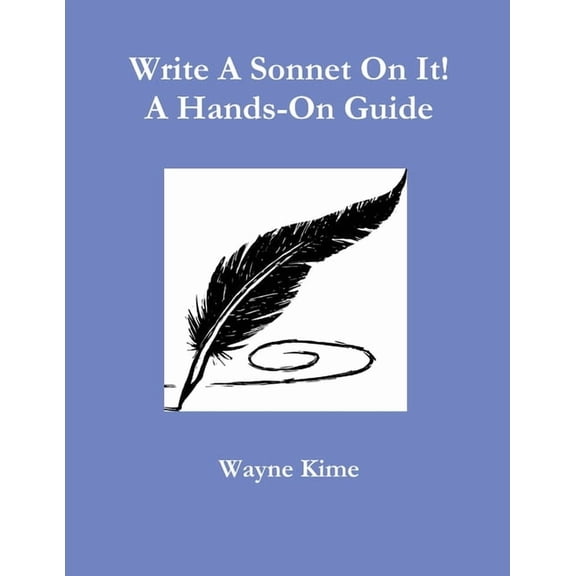
Write A Sonnet On It! A Hands-On Guide, (Paperback) $17.32
 $1732current price $17.32
Write A Sonnet On It! A Hands-On Guide, (Paperback)
Happy as a Lark, (Paperback) $18.99
 $1899current price $18.99
Happy as a Lark, (Paperback)
Appliqué Your Way (Paperback) $10.98
 $1098current price $10.98
Appliqué Your Way (Paperback)
Pre-Owned Teach Yourself Visually Quickbooks 2015 (Paperback) 1118915208 9781118915202 $6.98
 $698current price $6.98
Pre-Owned Teach Yourself Visually Quickbooks 2015 (Paperback) 1118915208 9781118915202
Kurgan: Ballada: iz sibirskikh predanii (Paperback) $15.95
 $1595current price $15.95
Kurgan: Ballada: iz sibirskikh predanii (Paperback)
A Symphony of Flavors (Paperback) $11.72
 $1172current price $11.72
A Symphony of Flavors (Paperback)
Staying Put!: The Art of Anchoring (Paperback) $6.53
 $653current price $6.53
Staying Put!: The Art of Anchoring (Paperback)
Pre-Owned Roasting: Techniques For The Perfect Roast, 9781592232727, 1592232728, Paperback, $8.55
 $855current price $8.55
Pre-Owned Roasting: Techniques For The Perfect Roast, 9781592232727, 1592232728, Paperback,
The Last Twelve Verses Of Mark, (Paperback) $16.95
 $1695current price $16.95
The Last Twelve Verses Of Mark, (Paperback)
Pre-Owned Stuff Every Adult Should Know: A Pocket-Sized Guide to Grown-Up Know-How, from Taxes to Small Talk (Hardcover) 1683694791 9781683694793 $5.89
 $589current price $5.89
Pre-Owned Stuff Every Adult Should Know: A Pocket-Sized Guide to Grown-Up Know-How, from Taxes to Small Talk (Hardcover) 1683694791 9781683694793
Pre-Owned Concise Guides: Concise Herb Guide (Paperback) $15.69
 $1569current price $15.69
Pre-Owned Concise Guides: Concise Herb Guide (Paperback)
Will You Dare? 2nd Edition, (Paperback) $17.46
 $1746current price $17.46
Will You Dare? 2nd Edition, (Paperback)
Pre-Owned The Food Traveler's Handbook (Paperback) 0987706160 9780987706164 $23.77
 $2377current price $23.77
Pre-Owned The Food Traveler's Handbook (Paperback) 0987706160 9780987706164
The Chemists Key, (Paperback) $14.00
 $1400current price $14.00
The Chemists Key, (Paperback)

Customer ratings & reviews
0 ratings|0 reviews
This item does not have any reviews yet
