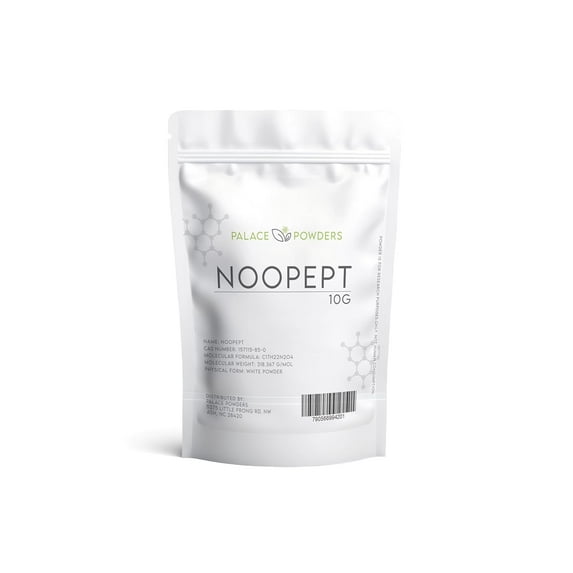
Noopept: A Novel Nootropic Compound for Neuropharmacological Research Noopept, a dipeptide derivative of the endogenous neuropeptide cycloprolylglycine, stands at the forefront of neuropharmacological research as a promising candidate for investigating cognitive enhancement and neuroprotective mechanisms. Designed with structural modifications to enhance bioavailability and pharmacological potency, Noopept exhibits unique properties that distinguish it as a valuable tool for unraveling the complexities of neuronal function and cognition. With its purported ability to modulate glutamatergic signaling, Noopept offers researchers a platform for exploring synaptic plasticity, neurotransmitter dynamics, and synaptic transmission mechanisms implicated in learning and memory processes. By targeting glutamate receptors and modulating synaptic activity, Noopept holds promise for elucidating the molecular mechanisms underlying cognitive function and dysfunction. In experimental models, Noopept has demonstrated neuroprotective effects against various insults, including oxidative stress, excitotoxicity, and neuroinflammation. Its potential to mitigate neuronal damage and promote cell survival underscores its relevance in investigating neurodegenerative disorders and neurotoxicity pathways, providing insights into therapeutic strategies for neuroprotection and neuroregeneration. Noopept's pharmacokinetic profile, characterized by rapid absorption, distribution, and metabolism, facilitates its penetration of the blood-brain barrier and engagement with central nervous system targets. Its favorable safety profile and low toxicity in preclinical studies support its suitability for investigating acute and chronic effects on neuronal function and behavior. As researchers continue to explore the multifaceted roles of neurotransmitters, synaptic plasticity, and neuroprotective mechanisms in brain health and disease, Noopept emerges as a valuable pharmacological tool for advancing our understanding of cognitive function, neuronal resilience, and therapeutic interventions in neurological disorders. With ongoing investigations into its molecular targets, signaling pathways, and functional outcomes, Noopept holds promise for shaping future directions in neuropharmacology and cognitive neuroscience research. For scientists seeking a potent and versatile compound for investigating cognitive enhancement, neuroprotection, and synaptic plasticity, Noopept offers a compelling avenue for unraveling the complexities of brain function and exploring novel therapeutic strategies for neurological disorders.