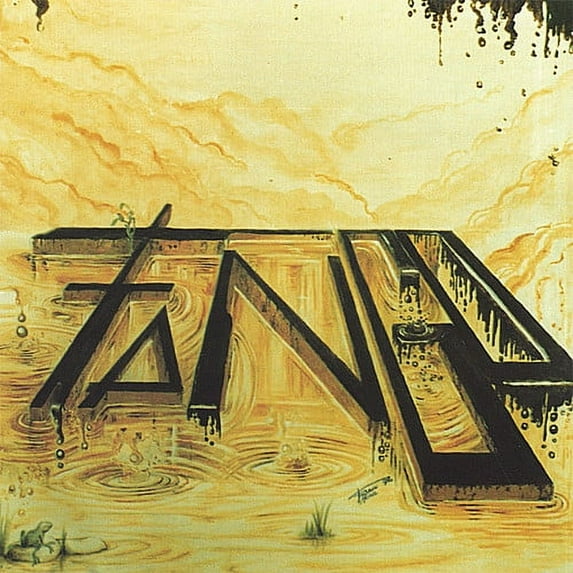
Fango (1994) 'At their first recording attempt the Fango group members propose a very multi-coloured and rich style work: swing, latin jazz, new-age, fusion, funky, in a well chosen combination able to satisfy both the requirements of the experts and those of the simple music lovers [...] the musical influences in their music range from Pat Metheny to Mike Stern in a whirl of variations, to please all tastes.' Paolo Cosseddu - La Nuova Provincia di Biella. One of the most talentuous Indie artists coming from Italy, Nicola Boschetti's career as a guitarist and composer develops mainly in the Jazz/Fusion field, but, as it often happens, shows us a number of different influences, from Latin to R'n'B, all blended in his works in the wisest way possible. Nicola's first important project, quot;Fangoquot;, is more than just a hidden Jazz/Fusion jewel: taking it's main inspiration from all the multiple directions that Jazz had been taking at that time (1994), this album blends the typical Fusion patterns with a wise mixture of styles, often presented in amazingly sudden way, where a song's mood may change even three times in a few seconds. The most valuable tracks of the album, quot;Riflessioniquot; and quot;Animazionequot;, take us by the hand and lead us into sophisticated atmospheres where Nicola's guitar and Massimo Pavone's keyboards dialogue in a web of typical fusion phrases, and this is where we can distinctively hear echoes of Bob James, Lee Ritenour, but with a different taste, some times mediterranean, some times definitely oriental. Though both songs seem to follow the same direction, quot;Animazionequot; features a more complicated rhythm work that reminds us some of Liquid Tension Experiment's last works, with a slightly latin feel here and there, also (and above all) thanks to the flute solo, played by a greatly inspired Claudio Allifranchini (one of the most talented and versatile Italian musicians nowadays). This song also shows us an unsuspected Steely Dan influence in the section guided by the keyboards, where suddenly we discover the true meaning of the word quot;Fusionquot;. The title track, quot;Fangoquot;, a 100% Nicola Boschetti's composion, leaves the listener astonished: the song changes mood continuously, starting as a '70s progressive rock opera in 7/8 (we can hear echoes of PFM and Yes above all) and suddenly turning into an amazing Latin Funk session led by keyboards (and again the whole sound reminds us Becker & Fagen's quot;Ajaquot;). quot;Zone D'Ombraquot; is perhaps the track where Nicola and his fellow travellers dare to experiment: a very quot;cerebralquot; Fusion opera where different parts chase each other and do not allow the listener to figure out which direction the whole thing takes. The final impression is a vigorous crescendo leading to a central chorus guided by Allifranchini's saxophone, and just when the excitement comes to it's highest point, the songs ends almost abruptly, leaving the listener wanting for more. In an extremely modern album like this, the guys have lots of fun on quot;J.C. Bluesquot;, where they literally speak a more traditional Jazz/Blues language, stuffing it here and there with more sophisticated elements, another example of all the bandmates's skills as pure instrumentalists. While Massimo Pavone's great jewel quot;Dedicatoquot; draws a bit away from the main theme of the album, moving in a slightly more melodic and again mediterranean atmosphere, and Nicola takes control of the whole mood with a smart and elegant acoustic guitar (showing us also his skills and