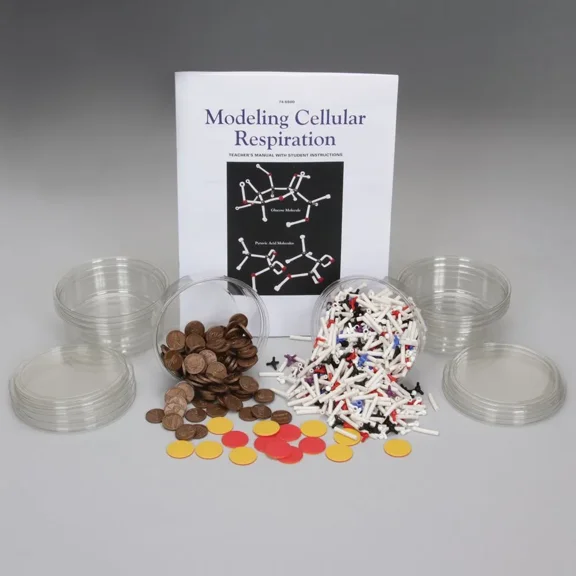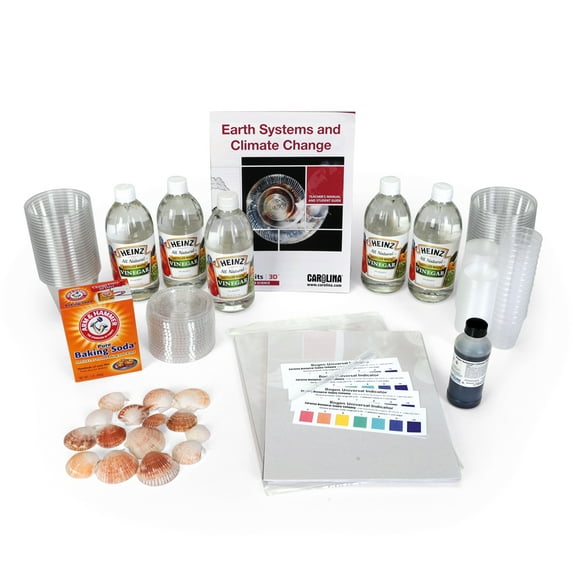
Explain how the ocean, the atmosphere, and the biosphere interact while investigating climate change in the classroom. In this series of 3 investigations, students describe why pteropods, marine organisms, have calcium carbonate shells that are degrading. They describe the effect of acid on calcium carbonate shells, model the interaction of atmospheric carbon dioxide and ocean water, analyze data, and look for patterns in atmospheric carbon dioxide concentration, oceanic carbon dioxide concentration, oceanic carbonate ion concentration, and oceanic pH. _x000D_Curriculum Connection _x000D_While designed for a stand-alone earth science course, this series of activities could be incorporated into a high school chemistry course during a unit on solubility, pH, or equilibrium or into a biology course during a study of natural selection, human interactions with ecosystems, and changing ecosystems. _x000D_Time Requirement _x000D_Teacher prep, 75 minutes. Completing the activities, approximately 1 week (215 minutes). _x000D_Digital Resources _x000D_Includes 1-year access to digital resources that support 3-dimensional instruction for NGSS. Digital resources may include a teacher manual and student guide, pre-lab activities and setup videos, phenomenon videos, simulations, and post-lab analysis and assessments. _x000D_Performance Expectations _x000D_HS-ESS3-6. Use a computational representation to illustrate the relationships among Earth systems and how those relationships are being modified due to human activity. _x000D_HS-ESS2-2. Analyze geoscience data to make the claim that one change to Earth’s surface can create feedbacks that cause changes to other Earth systems. _x000D_Crosscutting Concepts _x000D_Systems and System Models _x000D_Disciplinary Core Ideas _x000D_ESS3.D: Global Climate Change _x000D_Science and Engineering Practices _x000D_Constructing Explanations _x000D_Prerequisite Knowledge and Skills _x000D_Students should be familiar with Earth systems and their interactions, how to read chemical equations, and an understanding of pH.