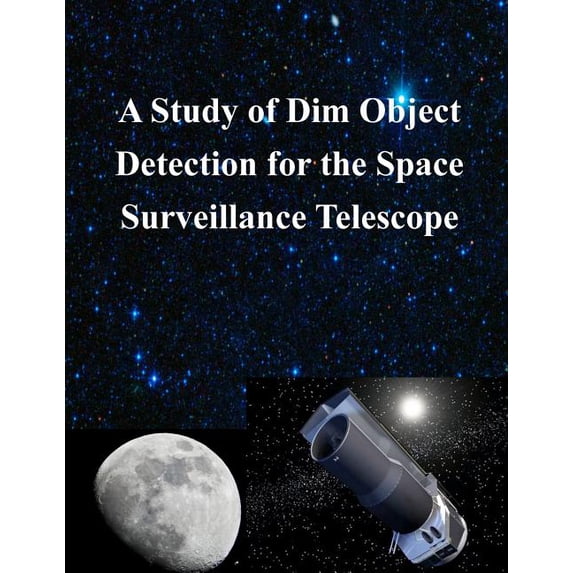
Current methods of dim object detection for space surveillance make use of a Gaussian log-likelihood-ratio-test-based detector that only considers the probability that a single point in an image resulted from the propagation of a point source through space. This book proposes the application of a correlating Gaussian log-likelihood-ratio-testbased detector, which makes use of all the pixels in the window, to the arena of dim object detection. The requirements for comparing these detectors using the same threshold of detection are established. The performance of the detectors is compared using images taken by the Space Surveillance Telescope in New Mexico of a geostationary satellite as it goes into and out of eclipse during the vernal equinox March 13-15, 2012. The correlator is determined to offer superior performance based on a comparison of the relative probability of both algorithms to detect objects near the threshold of detection, among other metrics. The additional computational cost of implementation of the correlating detector is analyzed and determined.
A Study of Dim Object Detection for the Space Surveillance Telescope (Paperback)
info:
We aim to show you accurate product information. Manufacturers, suppliers and others provide what you see here, and we have not verified it. Â
Specifications
Book format
Paperback
Fiction/nonfiction
Non-Fiction
Genre
Science/Space Science
Pages
60
Warranty
Warranty information
Please be aware that the warranty terms on items offered for sale by third party Marketplace sellers may differ from those displayed in this section (if any). To confirm warranty terms on an item offered for sale by a third party Marketplace seller, please use the 'Contact seller' feature on the third party Marketplace seller's information page and request the item's warranty terms prior to purchase.

