

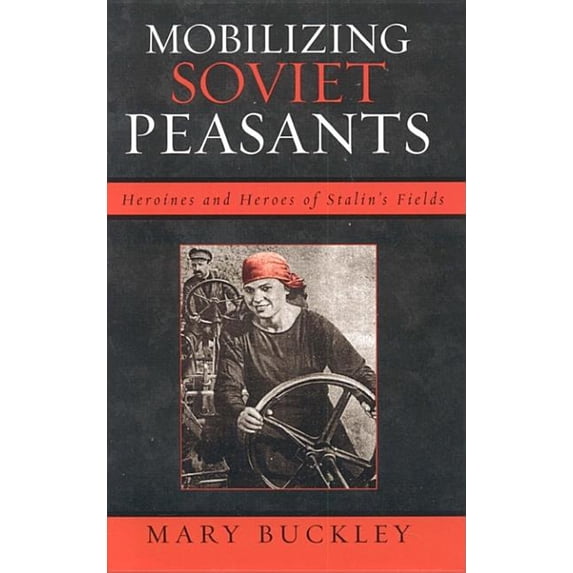
Mobilizing Soviet Peasants : Heroines and Heroes of Stalin's Fields (Hardcover)
(No ratings yet)
Key item features
In the Soviet Union in the late 1930s, a number of peasants turned to shock work (working to produce as much as humanly possible) and became local heroines and heroes, serving as role models for the rest of the rural community. In this compelling work, Mary Buckley explores the neglected story of rural shock work and Stakhanovism in the Soviet countryside and analyzes its relevance for Soviet subjects, society, state and propaganda. Why were some peasants keen to become Stakhanovites? Certainly there were rewards_these workers were glorified in ideology and blazoned in the press as role models for others to emulate. However, local conditions were difficult and Stakhanovites often suffered a lack of support, were ridiculed, and endured hostility and violence. Some gave up, but others remained resolute. The reader is introduced to individuals like Mariia Demchenko, a twenty-two-year-old peasant from the Comintern collective farm in Kiev oblast, Ukraine, who urged those working in sugar beet production to step up their pace and to bombard the country with sugar. Mobilizing Soviet Peasants contextualizes Stakhanovism, considering historical context, changing party priorities, propaganda, the press, the nature of farm leaderships, shortages, peasant attitudes, gender, purges, and local organizations. An innovative look at the complexities of rural Stakhanovism, this book probes behind the ideological lines and jubilant cries of the movement's resounding successes into the handling of the movement by political structures from the Politburo and Central Committee party departments all the way down to the local party, procuracy, farm leadership, and families.
Specs
- Book formatHardcover
- Fiction/nonfictionNon-Fiction
- GenreHistory
- Publication dateMay, 2006
- Pages384
- EditionStandard Edition
Current price is USD$126.31
Price when purchased online
Out of stock
How do you want your item?
Out of stock
About this item
Product details
In the Soviet Union in the late 1930s, a number of peasants turned to shock work (working to produce as much as humanly possible) and became local heroines and heroes, serving as role models for the rest of the rural community. In this compelling work, Mary Buckley explores the neglected story of rural shock work and Stakhanovism in the Soviet countryside. Mobilizing Soviet Peasants contextualizes Stakhanovism, considering historical context, changing party priorities, propaganda, the press, the nature of farm leaderships, shortages, peasant attitudes, gender, purges, and local organizations. Probing behind the ideological lines and jubilant cries of the movement's resounding successes, Buckley explores the handling of the movement by political structures from the Politburo and Central Committee party departments all the way down to the local party, procuracy, farm leadership, and families.
In the Soviet Union in the late 1930s, a number of peasants turned to shock work (working to produce as much as humanly possible) and became local heroines and heroes, serving as role models for the rest of the rural community. In this compelling work, Mary Buckley explores the neglected story of rural shock work and Stakhanovism in the Soviet countryside and analyzes its relevance for Soviet subjects, society, state and propaganda. Why were some peasants keen to become Stakhanovites? Certainly there were rewards_these workers were glorified in ideology and blazoned in the press as role models for others to emulate. However, local conditions were difficult and Stakhanovites often suffered a lack of support, were ridiculed, and endured hostility and violence. Some gave up, but others remained resolute. The reader is introduced to individuals like Mariia Demchenko, a twenty-two-year-old peasant from the Comintern collective farm in Kiev oblast, Ukraine, who urged those working in sugar beet production to step up their pace and to bombard the country with sugar. Mobilizing Soviet Peasants contextualizes Stakhanovism, considering historical context, changing party priorities, propaganda, the press, the nature of farm leaderships, shortages, peasant attitudes, gender, purges, and local organizations. An innovative look at the complexities of rural Stakhanovism, this book probes behind the ideological lines and jubilant cries of the movement's resounding successes into the handling of the movement by political structures from the Politburo and Central Committee party departments all the way down to the local party, procuracy, farm leadership, and families.
info:
We aim to show you accurate product information. Manufacturers, suppliers and others provide what you see here, and we have not verified it.
Specifications
Book format
Hardcover
Fiction/nonfiction
Non-Fiction
Genre
History
Publication date
May, 2006
Warranty
Warranty information
Please be aware that the warranty terms on items offered for sale by third party Marketplace sellers may differ from those displayed in this section (if any). To confirm warranty terms on an item offered for sale by a third party Marketplace seller, please use the 'Contact seller' feature on the third party Marketplace seller's information page and request the item's warranty terms prior to purchase.
Customer ratings & reviews
0 ratings|0 reviews
This item does not have any reviews yet
