


Egyptian Wheat Seed - 5 Lbs.
Key item features
Egyptian Wheat Food Plot Seeds Egyptian wheat is a member of the sorghum family and is excellent for quail. Bears large seed heads. Seeds will be ready for game 110 days after emergence. Plant after danger of frost at one inch deep. Use 10 lbs. per acre. Egyptian wheat produces long, slender stalks that reach 7 to 10 feet in height. The loose seed heads are borne on light, drooping stems clustered at the top of the plants. The rounded, slightly flattened seeds are smaller than most other grain sorghum seeds and are enclosed by light husks. Egyptian wheat matures at 120 to 140 days.Excellent Quail Food Plot SeedSeveral characteristics of Egyptian wheat make it ideally suited as a food and cover plant for quail. Unlike other grain sorghums, Egyptian wheat is not prone to damage by flocks of blackbirds. Its spindly seed heads prevent blackbirds and other relatively large birds from perching on the upper stems to eat the seeds. Egyptian wheat mature s late, and its seeds last into late winter, when native foods of quail are scarce. Quail will begin using Egyptian wheat seeds as soon as they mature, but quail probably benefit most from these seeds during late fall and winter. The tall growth structure of the plants provides protective cover where quail can feed while remaining safe from detection or successful attack by predators. Its growth form also provides good cover for young quail. Deer damage to t he plant is usually not a problem. Although deer will eat Egyptian wheat seed heads, use by deer is not excessive, except in years of poor acorn production Establishment Plot Selection. Egyptian wheat grows best on fertile, well-drained sites receiving full or lightly filtered sunlight. It is suited to all regions of Alabama, but it grows poorly in deep, excessively drained, sandy soils. Plots should be located in or near good quail cover. Good locations include fields, field edges, utility right-of-ways, and forest openings. Plot Size. Well-managed plots of 1/10 to 1/4 acre are large enough to supplement native foods of quail. Long, relatively narrow plots are preferable to other shapes. Plots should be at least 15 feet, but not more than 25 feet, in width for efficient bird dog work and hunting. Soil Preparation. Thoroughly disk the plots well before planting. Harrow plots no later than late April to avoid destroying quail nests. Planting Dates. Plant Egyptian wheat after all danger of frost has past, but before June 1. The best dates for planting Egyptian wheat in Alabama are from April 15 to May 15. Planting Methods. Egyptian wheat seed should be planted in rows spaced 3 feet apart. Broadcast planting is usually unsatisfactory. Plant 4 to 6 pounds of seed per acre. The best production generally occurs at lower rates (4 pounds per acre). The ideal spacing for the plants leaves about 3 to 4 inches between adjacent plants in the row. Fertilizing. Fertilize plots according to soil-test recommendations. If the soil is not tested, apply about 400 pounds of 5-10-10 or its equivalent per acre. Side-dressing is necessary for good seed production. Side-dress with 75 to 100 pounds of ammonium nitrate per acre when plants reach 15 to 25 inches in height. If weed control by cultivation is needed, side-dress during the last cultivation. Maintenance Although some seeds from the last growing season may sprout and produce seeds the following year, Egyptian wheat plots should be replanted each year. The same plots may be planted in successive years, but repeated plantings usually require cultivation for weed control. For quail-management purposes, it is best to establish new plantings adjacent to or near earlier plantings. Seed-producing grasses and weeds will volunteer in idle plantings. This native vegetation will provide additional, varied food sources for quail. By planting original plots on a 3-to-5 year rotation, the abundance and diversity of quail food can be maximized.
Specs
- Plant nameEgyptian Wheat
- Plant categoryGrasses
- Light needsFull Sun
- Plant lifecycleAnnual
- Plant featuresAttracts Birds
- Mature plant height7 to 10 feet
Current price is USD$27.77
Price when purchased online
- Free shipping
 Free 30-day returns
How do you want your item?
Columbus, 43215
Arrives between Apr 14 - Apr 17
|
Sold and shipped by Dibbs Farms
4.403458213256484 stars out of 5, based on 347 seller reviews(4.4)347 seller reviews

Free 30-day returns
Similar items you might like
Based on what customers bought
50+ bought since yesterday Burpee Luffa Gourd Vegetable Seed $4.36
50+ bought since yesterday $436current price $4.36
Burpee Luffa Gourd Vegetable Seed
104.9 out of 5 Stars. 10 reviewsEgyptian Wheat Seed - 10 Lbs. $47.77
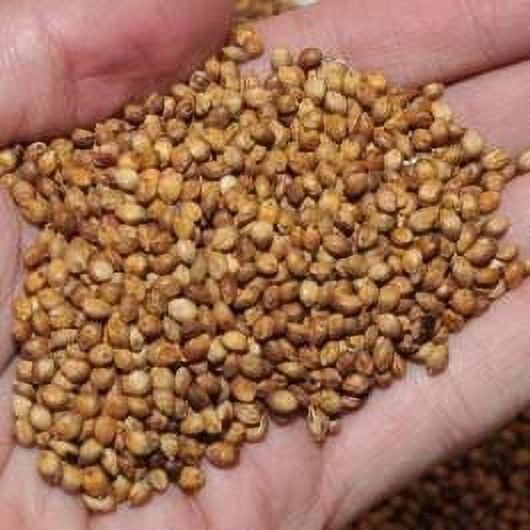 $4777current price $47.77
Egyptian Wheat Seed - 10 Lbs.
Abere Seeds (Hunteria Umbellata) - Dry Whole Abere 20 Seeds $25.95
 $2595current price $25.95
Abere Seeds (Hunteria Umbellata) - Dry Whole Abere 20 Seeds
Egyptian Wheat Seed - 3 Lbs. $19.95
$1995current price $19.95Egyptian Wheat Seed - 3 Lbs.
Irish Moss Ground Cover Plants & Seed - 10000 Seeds $9.99
 $999current price $9.99
Irish Moss Ground Cover Plants & Seed - 10000 Seeds
263.9 out of 5 Stars. 26 reviewsGeorgia Gore Wheat Seed - 20 Lbs. $24.95
 $2495current price $24.95
Georgia Gore Wheat Seed - 20 Lbs.
15 out of 5 Stars. 1 reviewsSeedRanch LabLab Food Plot Seed - 5 Lbs. $34.95
 $3495current price $34.95
SeedRanch LabLab Food Plot Seed - 5 Lbs.
15 out of 5 Stars. 1 reviewsAjwain Seeds (Carom Seeds) - 5 LB $29.00
 $2900current price $29.00
Ajwain Seeds (Carom Seeds) - 5 LB
15 out of 5 Stars. 1 reviewsEgyptian Wheat Seed - 20 Lbs. $67.77
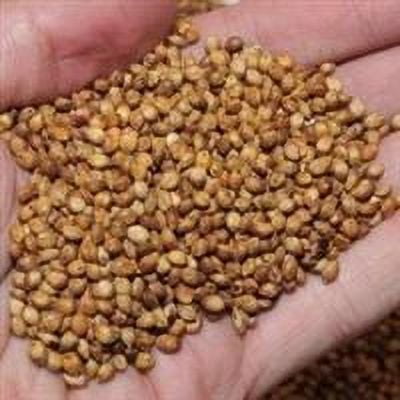 $6777current price $67.77
Egyptian Wheat Seed - 20 Lbs.
Milo 5 lbs Grain Sorghum Plant Seeds $25.77
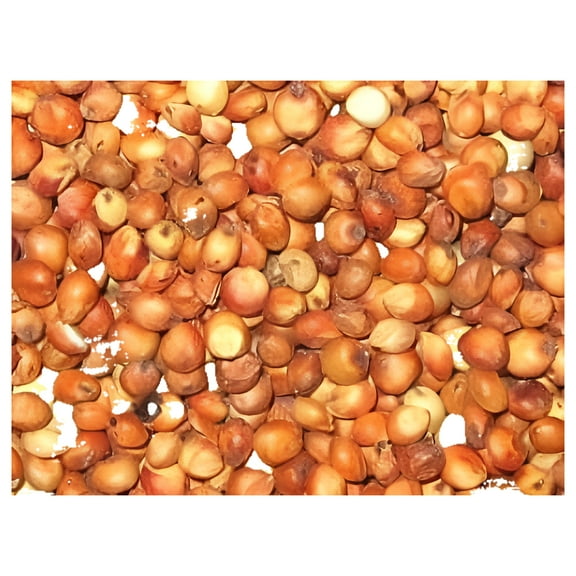 $2577current price $25.77
Milo 5 lbs Grain Sorghum Plant Seeds
54.4 out of 5 Stars. 5 reviewsPhool Makhana (Puffed Lotus Seeds) 7 oz $27.18
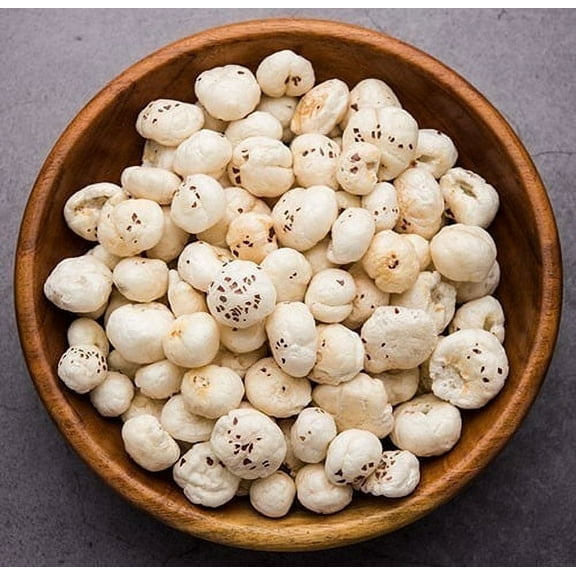 $2718current price $27.18
Phool Makhana (Puffed Lotus Seeds) 7 oz
Best seller Burpee Jack Be Little Pumpkin Vegetable Seed, 1-Pack $1.96
Best seller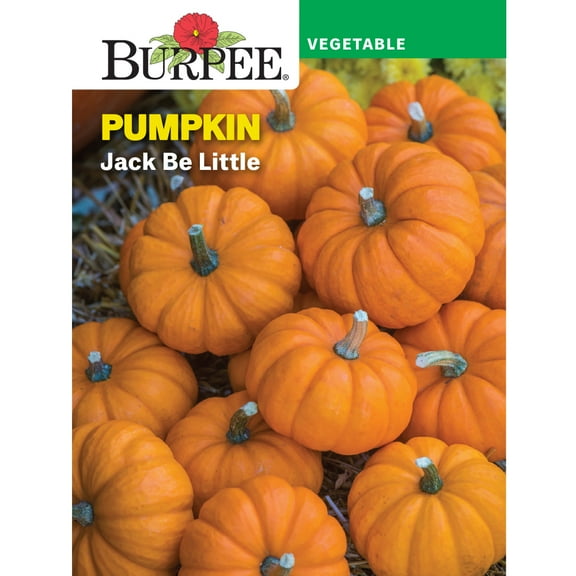 $196current price $1.96
Burpee Jack Be Little Pumpkin Vegetable Seed, 1-Pack
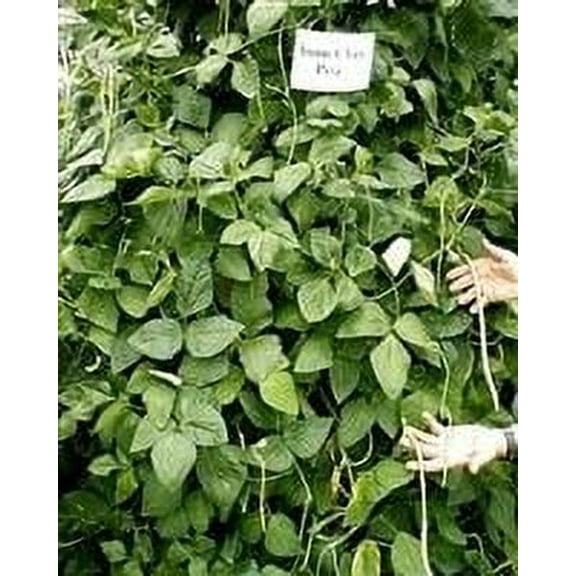
604.7 out of 5 Stars. 60 reviewsSeedRanch Iron & Clay Cowpeas - 10 Lbs. $33.95
 $3395current price $33.95
SeedRanch Iron & Clay Cowpeas - 10 Lbs.
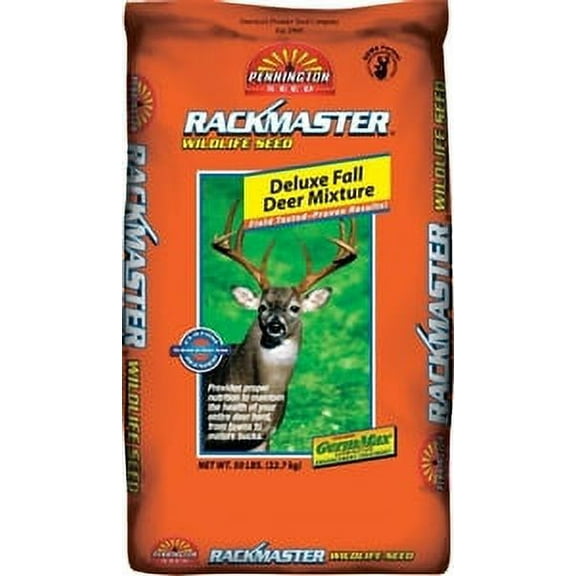
15 out of 5 Stars. 1 reviewsRackmaster Fall Deer Food Plot Seed Mix - 5 Lbs $12.95
 $1295current price $12.95
Rackmaster Fall Deer Food Plot Seed Mix - 5 Lbs
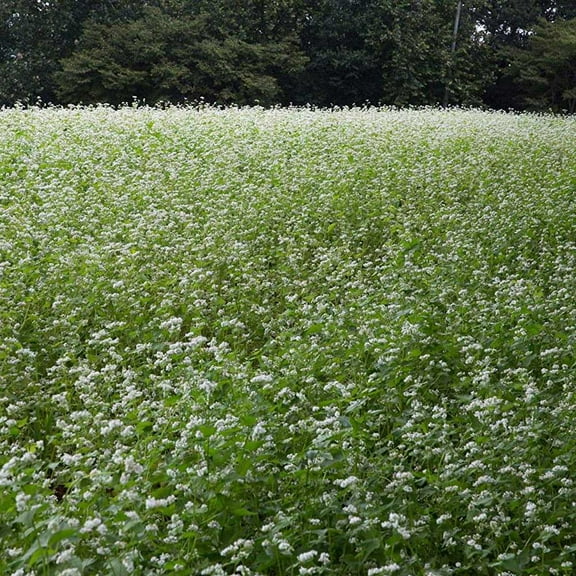
74.4 out of 5 Stars. 7 reviewsOutsidepride 1 LB Buckwheat Cover Crop Seed, Low Maintenance $14.99
 5 optionsAvailable in additional 5 options$1499current price $14.99
Outsidepride 1 LB Buckwheat Cover Crop Seed, Low Maintenance
174.8 out of 5 Stars. 17 reviewsOrganic Moringa Microgreens $27.99
 $2799current price $27.99
Organic Moringa Microgreens
23 out of 5 Stars. 2 reviewsBackyard Seeds Whole Corn 10 Lb. $17.99
 $1799current price $17.99
Backyard Seeds Whole Corn 10 Lb.
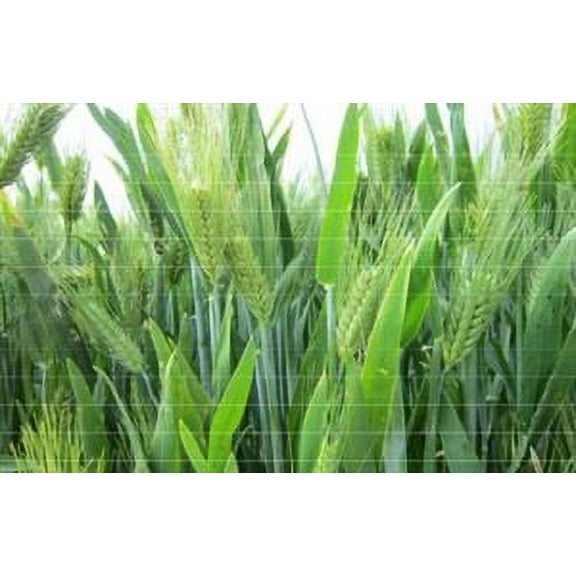
64.8 out of 5 Stars. 6 reviewsAtlantic Barley Seed (Certified) - 20 Lbs. $27.95
 $2795current price $27.95
Atlantic Barley Seed (Certified) - 20 Lbs.
Creeping Thyme Seeds $4.95
 $495current price $4.95
Creeping Thyme Seeds
35 out of 5 Stars. 3 reviews10 Sausage Tree Seeds for Planting - Kigelia africana $10.49
 $1049current price $10.49
10 Sausage Tree Seeds for Planting - Kigelia africana
15 out of 5 Stars. 1 reviews
About this item
Product details
Egyptian Wheat Seed - 5 Lbs.
Egyptian Wheat Food Plot Seeds Egyptian wheat is a member of the sorghum family and is excellent for quail. Bears large seed heads. Seeds will be ready for game 110 days after emergence. Plant after danger of frost at one inch deep. Use 10 lbs. per acre. Egyptian wheat produces long, slender stalks that reach 7 to 10 feet in height. The loose seed heads are borne on light, drooping stems clustered at the top of the plants. The rounded, slightly flattened seeds are smaller than most other grain sorghum seeds and are enclosed by light husks. Egyptian wheat matures at 120 to 140 days.Excellent Quail Food Plot SeedSeveral characteristics of Egyptian wheat make it ideally suited as a food and cover plant for quail. Unlike other grain sorghums, Egyptian wheat is not prone to damage by flocks of blackbirds. Its spindly seed heads prevent blackbirds and other relatively large birds from perching on the upper stems to eat the seeds. Egyptian wheat mature s late, and its seeds last into late winter, when native foods of quail are scarce. Quail will begin using Egyptian wheat seeds as soon as they mature, but quail probably benefit most from these seeds during late fall and winter. The tall growth structure of the plants provides protective cover where quail can feed while remaining safe from detection or successful attack by predators. Its growth form also provides good cover for young quail. Deer damage to t he plant is usually not a problem. Although deer will eat Egyptian wheat seed heads, use by deer is not excessive, except in years of poor acorn production Establishment Plot Selection. Egyptian wheat grows best on fertile, well-drained sites receiving full or lightly filtered sunlight. It is suited to all regions of Alabama, but it grows poorly in deep, excessively drained, sandy soils. Plots should be located in or near good quail cover. Good locations include fields, field edges, utility right-of-ways, and forest openings. Plot Size. Well-managed plots of 1/10 to 1/4 acre are large enough to supplement native foods of quail. Long, relatively narrow plots are preferable to other shapes. Plots should be at least 15 feet, but not more than 25 feet, in width for efficient bird dog work and hunting. Soil Preparation. Thoroughly disk the plots well before planting. Harrow plots no later than late April to avoid destroying quail nests. Planting Dates. Plant Egyptian wheat after all danger of frost has past, but before June 1. The best dates for planting Egyptian wheat in Alabama are from April 15 to May 15. Planting Methods. Egyptian wheat seed should be planted in rows spaced 3 feet apart. Broadcast planting is usually unsatisfactory. Plant 4 to 6 pounds of seed per acre. The best production generally occurs at lower rates (4 pounds per acre). The ideal spacing for the plants leaves about 3 to 4 inches between adjacent plants in the row. Fertilizing. Fertilize plots according to soil-test recommendations. If the soil is not tested, apply about 400 pounds of 5-10-10 or its equivalent per acre. Side-dressing is necessary for good seed production. Side-dress with 75 to 100 pounds of ammonium nitrate per acre when plants reach 15 to 25 inches in height. If weed control by cultivation is needed, side-dress during the last cultivation. Maintenance Although some seeds from the last growing season may sprout and produce seeds the following year, Egyptian wheat plots should be replanted each year. The same plots may be planted in successive years, but repeated plantings usually require cultivation for weed control. For quail-management purposes, it is best to establish new plantings adjacent to or near earlier plantings. Seed-producing grasses and weeds will volunteer in idle plantings. This native vegetation will provide additional, varied food sources for quail. By planting original plots on a 3-to-5 year rotation, the abundance and diversity of quail food can be maximized.
info:
We aim to show you accurate product information. Manufacturers, suppliers and others provide what you see here, and we have not verified it.
Warranty
Warranty information
Please be aware that the warranty terms on items offered for sale by third party Marketplace sellers may differ from those displayed in this section (if any). To confirm warranty terms on an item offered for sale by a third party Marketplace seller, please use the 'Contact seller' feature on the third party Marketplace seller's information page and request the item's warranty terms prior to purchase.
Customer ratings & reviews
How item rating is calculated
Filtered and sorted results would be available on the new 'Customer ratings & reviews' page.
Sort by |
Showing 1-1 of 1 review
Jun 19, 2020
Harold
5 out of 5 stars review
Egyptian wheat produces a good cover for deer stands.
Helpful?35QZOG1FNKL4774865258
