

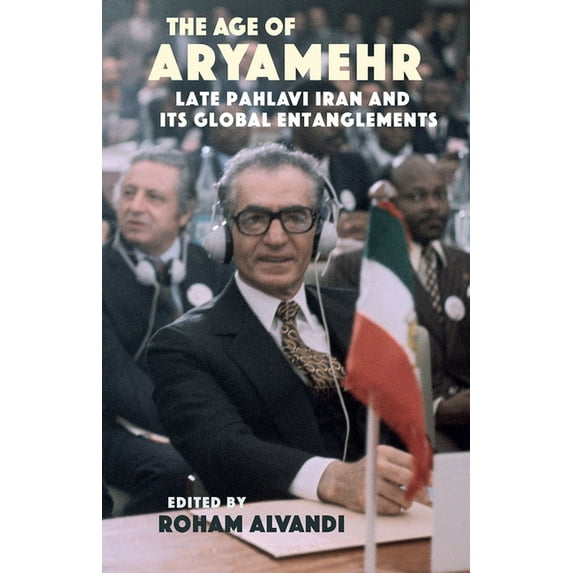
The Age of Aryamehr : Late Pahlavi Iran and Its Global Entanglements (Hardcover)
(No ratings yet)
Key item features
The reign of the last Shah of Iran, Mohammad Reza Pahlavi (1941–79), marked the high point of Iran’s global interconnectedness. Never before had Iranians felt the impact of global political, social, economic, and cultural forces so intimately in their national and daily lives, nor had Iranian actors played such an important global role – on battlefields, barricades, and in board rooms far beyond Iran’s borders. Iranian intellectuals, technocrats, politicians, workers, artists, and students alike were influenced by the global ideas, movements, markets, and conflicts that they also helped to shape.
From the launch of the Shah’s White Revolution in 1963 to his overthrow in the popular revolution of 1978–79, Iran saw the longest period of sustained economic growth that the country had ever experienced. An entire generation took its cue from the shift from oil consumption to oil production to dream of, and aspire to, a modernized Iran, and the history of Iran in this period has tended to be presented as a prologue to the revolution. Those histories usually locate the political, social, and cultural origins of the revolution firmly within a national context, into which global actors intruded as Iranian actors retreated. While engaging with that national narrative, this volume is concerned with Iran’s place in the global history of the 1960s and ’70s. It examines and highlights the transnational threads that connected Pahlavi Iran to the world, from global traffic in modern art and narcotics to the embrace of American social science by Iranian technocrats and the encounter of European intellectuals with the Iranian Revolution. In doing so, this book seeks to fully incorporate Pahlavi Iran into the global history of the 1960s and ’70s, when Iran mattered far beyond its borders.
From the launch of the Shah’s White Revolution in 1963 to his overthrow in the popular revolution of 1978–79, Iran saw the longest period of sustained economic growth that the country had ever experienced. An entire generation took its cue from the shift from oil consumption to oil production to dream of, and aspire to, a modernized Iran, and the history of Iran in this period has tended to be presented as a prologue to the revolution. Those histories usually locate the political, social, and cultural origins of the revolution firmly within a national context, into which global actors intruded as Iranian actors retreated. While engaging with that national narrative, this volume is concerned with Iran’s place in the global history of the 1960s and ’70s. It examines and highlights the transnational threads that connected Pahlavi Iran to the world, from global traffic in modern art and narcotics to the embrace of American social science by Iranian technocrats and the encounter of European intellectuals with the Iranian Revolution. In doing so, this book seeks to fully incorporate Pahlavi Iran into the global history of the 1960s and ’70s, when Iran mattered far beyond its borders.
Specs
- Book formatHardcover
- Fiction/nonfictionNon-Fiction
- Pub date2019-01-15
- Pages380
- Series titleGingko-st. Andrews
- EditionStandard Edition
Current price is USD$38.95
Price when purchased online
Out of stock
How do you want your item?
Out of stock
About this item
Product details
The reign of the last Shah of Iran, Mohammad Reza Pahlavi (1941-79), marked the high point of Iran's global interconnectedness. Never before had Iranians felt the impact of global political, social, economic, and cultural forces so intimately in their national and daily lives, nor had Iranian actors played such an important global role - on battlefields, barricades, and in board rooms far beyond Iran's borders. Iranian intellectuals, technocrats, politicians, workers, artists, and students alike were influenced by the global ideas, movements, markets, and conflicts that they also helped to shape. From the launch of the Shah's White Revolution in 1963 to his overthrow in the popular revolution of 1978-79, Iran saw the longest period of sustained economic growth that the country had ever experienced. An entire generation took its cue from the shift from oil consumption to oil production to dream of, and aspire to, a modernized Iran, and the history of Iran in this period has tended to be presented as a prologue to the revolution. Those histories usually locate the political, social, and cultural origins of the revolution firmly within a national context, into which global actors intruded as Iranian actors retreated. While engaging with that national narrative, this volume is concerned with Iran's place in the global history of the 1960s and '70s. It examines and highlights the transnational threads that connected Pahlavi Iran to the world, from global traffic in modern art and narcotics to the embrace of American social science by Iranian technocrats and the encounter of European intellectuals with the Iranian Revolution. In doing so, this book seeks to fully incorporate Pahlavi Iran into the global history of the 1960s and '70s, when Iran mattered far beyond its borders.
The reign of the last Shah of Iran, Mohammad Reza Pahlavi (1941–79), marked the high point of Iran’s global interconnectedness. Never before had Iranians felt the impact of global political, social, economic, and cultural forces so intimately in their national and daily lives, nor had Iranian actors played such an important global role – on battlefields, barricades, and in board rooms far beyond Iran’s borders. Iranian intellectuals, technocrats, politicians, workers, artists, and students alike were influenced by the global ideas, movements, markets, and conflicts that they also helped to shape.
From the launch of the Shah’s White Revolution in 1963 to his overthrow in the popular revolution of 1978–79, Iran saw the longest period of sustained economic growth that the country had ever experienced. An entire generation took its cue from the shift from oil consumption to oil production to dream of, and aspire to, a modernized Iran, and the history of Iran in this period has tended to be presented as a prologue to the revolution. Those histories usually locate the political, social, and cultural origins of the revolution firmly within a national context, into which global actors intruded as Iranian actors retreated. While engaging with that national narrative, this volume is concerned with Iran’s place in the global history of the 1960s and ’70s. It examines and highlights the transnational threads that connected Pahlavi Iran to the world, from global traffic in modern art and narcotics to the embrace of American social science by Iranian technocrats and the encounter of European intellectuals with the Iranian Revolution. In doing so, this book seeks to fully incorporate Pahlavi Iran into the global history of the 1960s and ’70s, when Iran mattered far beyond its borders.
From the launch of the Shah’s White Revolution in 1963 to his overthrow in the popular revolution of 1978–79, Iran saw the longest period of sustained economic growth that the country had ever experienced. An entire generation took its cue from the shift from oil consumption to oil production to dream of, and aspire to, a modernized Iran, and the history of Iran in this period has tended to be presented as a prologue to the revolution. Those histories usually locate the political, social, and cultural origins of the revolution firmly within a national context, into which global actors intruded as Iranian actors retreated. While engaging with that national narrative, this volume is concerned with Iran’s place in the global history of the 1960s and ’70s. It examines and highlights the transnational threads that connected Pahlavi Iran to the world, from global traffic in modern art and narcotics to the embrace of American social science by Iranian technocrats and the encounter of European intellectuals with the Iranian Revolution. In doing so, this book seeks to fully incorporate Pahlavi Iran into the global history of the 1960s and ’70s, when Iran mattered far beyond its borders.
info:
We aim to show you accurate product information. Manufacturers, suppliers and others provide what you see here, and we have not verified it.
Specifications
Book format
Hardcover
Fiction/nonfiction
Non-Fiction
Genre
Political & Social Sciences, History
Pub date
2019-01-15
Warranty
Warranty information
Please be aware that the warranty terms on items offered for sale by third party Marketplace sellers may differ from those displayed in this section (if any). To confirm warranty terms on an item offered for sale by a third party Marketplace seller, please use the 'Contact seller' feature on the third party Marketplace seller's information page and request the item's warranty terms prior to purchase.
Similar items you might like
Based on what customers bought
International Library of Iranian Studies Blogistan: The Internet and Politics in Iran, (Paperback) $35.95
 $3595current price $35.95
International Library of Iranian Studies Blogistan: The Internet and Politics in Iran, (Paperback)
One More Mountain: Fleeing Iran for America, (Paperback) $18.63
 $1863current price $18.63
One More Mountain: Fleeing Iran for America, (Paperback)
Polity Histories Iran, (Hardcover) $35.77
 $3577current price $35.77
Polity Histories Iran, (Hardcover)
Sectarian Politics in the Persian Gulf (Paperback) $42.62
 $4262current price $42.62
Sectarian Politics in the Persian Gulf (Paperback)
Googoosh: A Sinful Voice, (Hardcover) $23.31
 $2331current price $23.31
Googoosh: A Sinful Voice, (Hardcover)
Indo Iranian Studies I (Hardcover) $30.95
 $3095current price $30.95
Indo Iranian Studies I (Hardcover)
Volatile State: Iran in the Nuclear Age, (Paperback) $20.33
 2 optionsAvailable in additional 2 options$2033current price $20.33
Volatile State: Iran in the Nuclear Age, (Paperback)
Kurdish Politics in Iran, (Paperback) $39.99
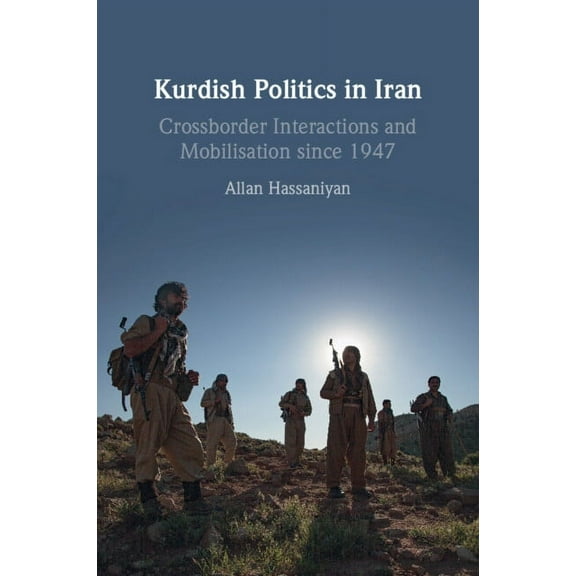 $3999current price $39.99
Kurdish Politics in Iran, (Paperback)
Iran and the United States, (Hardcover) $52.85
 $5285current price $52.85
Iran and the United States, (Hardcover)
An Historical Geography of Iran, (Paperback) $38.12
 $3812current price $38.12
An Historical Geography of Iran, (Paperback)
Presidential Elections in Iran, (Paperback) $41.99
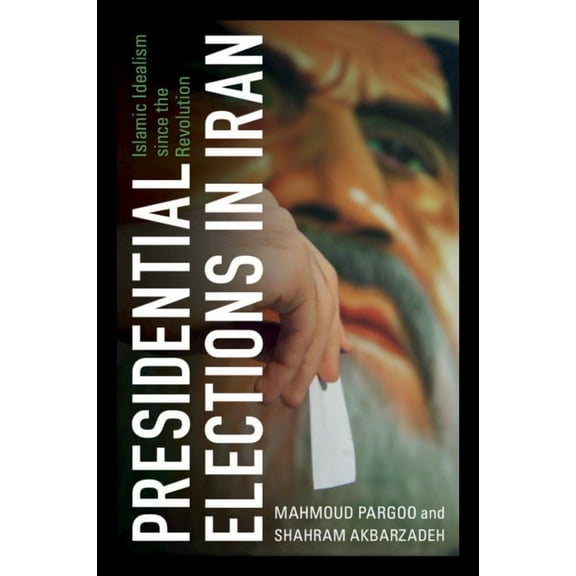 $4199current price $41.99
Presidential Elections in Iran, (Paperback)
Montazeri: The Life and Thought of Iran's Revolutionary Ayatollah, (Paperback) $39.38
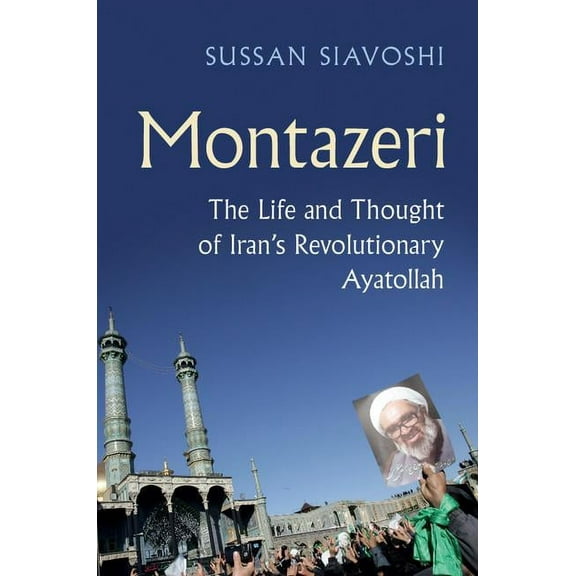 $3938current price $39.38
Montazeri: The Life and Thought of Iran's Revolutionary Ayatollah, (Paperback)
One More Mountain: Fleeing Iran for America, (Hardcover) $27.32 Was $32.99
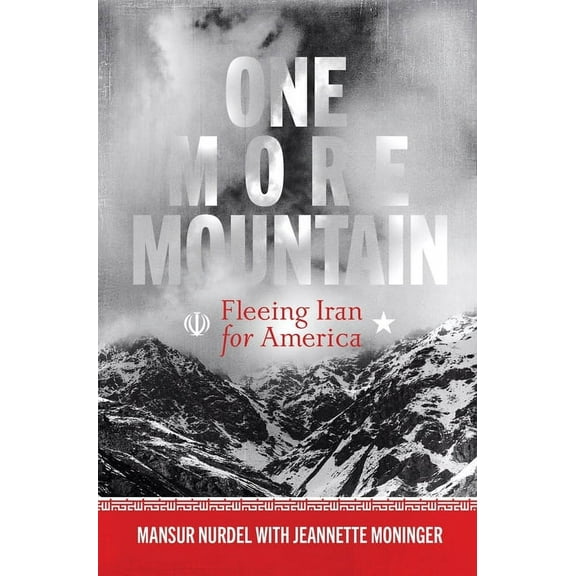 $2732current price $27.32, Was $32.99$32.99
One More Mountain: Fleeing Iran for America, (Hardcover)
Manimekhalai In Its Historical Setting, (Hardcover) $33.89
 $3389current price $33.89
Manimekhalai In Its Historical Setting, (Hardcover)
Conceptualizing Iranian Anthropology: Past and Present Perspectives, (Paperback) $39.66
 $3966current price $39.66
Conceptualizing Iranian Anthropology: Past and Present Perspectives, (Paperback)
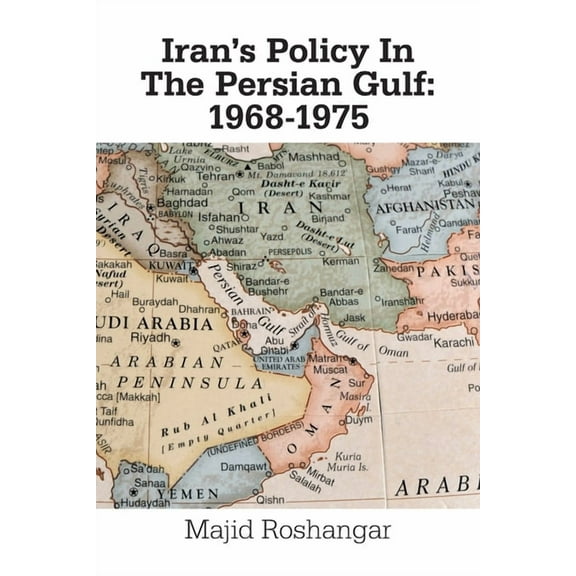
Iran's Policy in the Persian Gulf: 1968-1975, (Paperback) $19.99
 $1999current price $19.99
Iran's Policy in the Persian Gulf: 1968-1975, (Paperback)
Custom Without Truth Is Antiquated Error, (Hardcover) $38.95
 $3895current price $38.95
Custom Without Truth Is Antiquated Error, (Hardcover)
Iranians in Chicagoland (Hardcover) $27.12
 $2712current price $27.12
Iranians in Chicagoland (Hardcover)
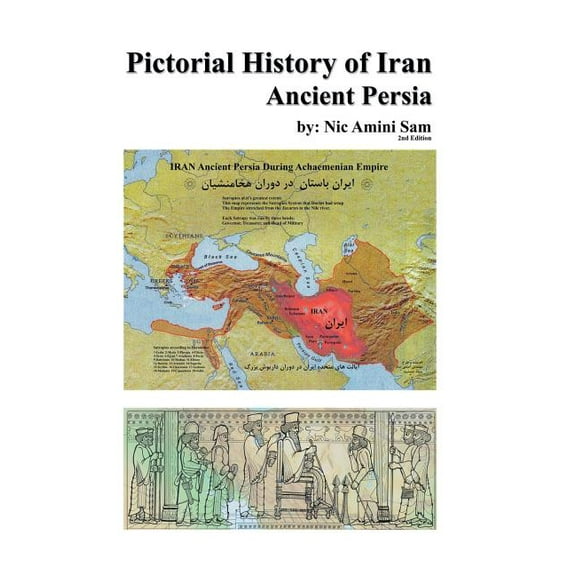
Pictorial History of Iran: Ancient Persia, (Hardcover) $26.67
 $2667current price $26.67
Pictorial History of Iran: Ancient Persia, (Hardcover)

Customer ratings & reviews
0 ratings|0 reviews
This item does not have any reviews yet
