

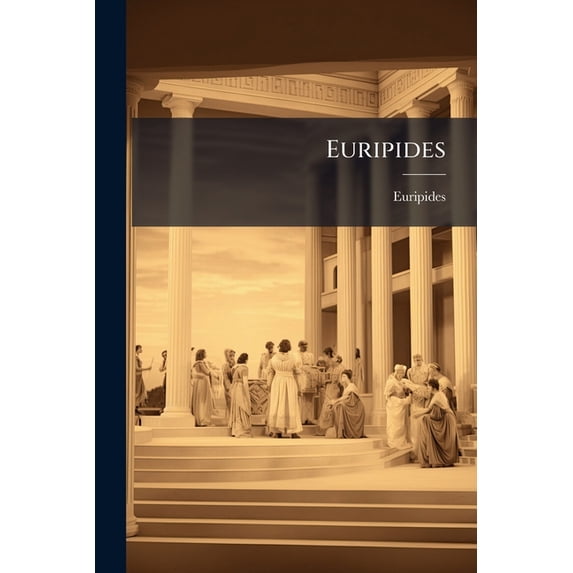
Euripides : Ion. Hippolytus. Medea. Alcestis (Paperback)
Key item features
Specs
- Book formatPaperback
- Fiction/nonfictionNon-Fiction
- GenreHistory
- Pub date1912
- Pages530
- SubgenreAncient, Classical & Medieval
 Free 30-day returns
How do you want your item?


About this item
Product details
This collection showcases four essential plays by Euripides, one of the greatest tragedians of ancient Greece: "Ion," "Hippolytus," "Medea," and "Alcestis." These plays, renowned for their powerful explorations of human passion, suffering, and the complexities of fate, continue to resonate with modern audiences. Euripides' masterful use of language, combined with his insightful portrayal of characters caught in the throes of intense moral and emotional dilemmas, cements his place as a towering figure in dramatic literature.
Ion explores themes of identity and divine intervention; Hippolytus delves into forbidden love and vengeful deities; Medea presents a harrowing depiction of betrayal and revenge; and Alcestis examines self-sacrifice and devotion. This volume offers a comprehensive introduction to Euripides' enduring contributions to Western literature.
This work has been selected by scholars as being culturally important, and is part of the knowledge base of civilization as we know it. This work was reproduced from the original artifact, and remains as true to the original work as possible. Therefore, you will see the original copyright references, library stamps (as most of these works have been housed in our most important libraries around the world), and other notations in the work.
This work is in the public domain in the United States of America, and possibly other nations. Within the United States, you may freely copy and distribute this work, as no entity (individual or corporate) has a copyright on the body of the work.
As a reproduction of a historical artifact, this work may contain missing or blurred pages, poor pictures, errant marks, etc. Scholars believe, and we concur, that this work is important enough to be preserved, reproduced, and made generally available to the public. We appreciate your support of the preservation process, and thank you for being an important part of keeping this knowledge alive and relevant.
