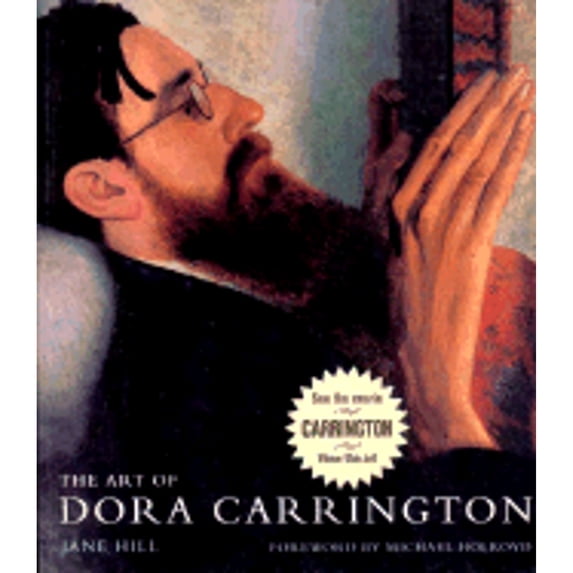
Dora Carrington's association with Lytton Strachey and his Bloomsbury friends has tended to overshadow her contribution to modern painting. By looking at the art she produced in each period of her life, Hill redresses the balance, revealing Carrington as a significant artist of her time. The official tie-in to the major motion picture, starring Emma Thompson and Jonathan Pryce. 139 illustrations, 24 in color. At the age of thirty-eight Dora Carrington (1893-1932) committed suicide, unable to contemplate living without her companion, Lytton Strachey, who had died a few weeks before. Lytton was the linchpin of a life in which friendships, making a home and her own artistic output jockeyed for attention. The association with Lytton Strachey and his Bloomsbury friends, combined with her own modesty, have tended to overshadow Carrington's contribution to modern painting, but Jane Hill's important study goes a long way to redress the balance. The author takes a chronological viewpoint, looking at the art Carrington produced in each period and the influences upon it of personal relationships, places, and current events and trends. The immense range of her art - portraits, landscapes, glass paintings and decorative work - reveal Carrington as a significant artist of her period.