The Vanishing Middle Class, new epilogue : Prejudice and Power in a Dual Economy (Paperback)
Key item features
The United States is becoming a nation of rich and poor, with few families in the middle. In this book, MIT economist Peter Temin offers an illuminating way to look at the vanishing middle class. Temin argues that American history and politics, particularly slavery and its aftermath, play an important part in the widening gap between rich and poor. Temin employs a well-known, simple model of a dual economy to examine the dynamics of the rich/poor divide in America, and outlines ways to work toward greater equality so that America will no longer have one economy for the rich and one for the poor.
Many poorer Americans live in conditions resembling those of a developing country—substandard education, dilapidated housing, and few stable employment opportunities. And although almost half of black Americans are poor, most poor people are not black. Conservative white politicians still appeal to the racism of poor white voters to get support for policies that harm low-income people as a whole, casting recipients of social programs as the Other—black, Latino, not like "us." Politicians also use mass incarceration as a tool to keep black and Latino Americans from participating fully in society. Money goes to a vast entrenched prison system rather than to education. In the dual justice system, the rich pay fines and the poor go to jail.
Specs
- Book formatPaperback
- Fiction/nonfictionNon-Fiction
- Publication dateMarch, 2018
- Pages286
- Reading levelGeneral (US: Trade)
- Series titleMit Press
- Free shipping
 Free 30-day returns
How do you want your item?


About this item
Product details
The United States is becoming a nation of rich and poor, with few families in the middle. In this book, MIT economist Peter Temin offers an illuminating way to look at the vanishing middle class. Temin argues that American history and politics, particularly slavery and its aftermath, play an important part in the widening gap between rich and poor. Temin employs a well-known, simple model of a dual economy to examine the dynamics of the rich/poor divide in America, and outlines ways to work toward greater equality so that America will no longer have one economy for the rich and one for the poor.
Many poorer Americans live in conditions resembling those of a developing country--substandard education, dilapidated housing, and few stable employment opportunities. And although almost half of black Americans are poor, most poor people are not black. Conservative white politicians still appeal to the racism of poor white voters to get support for policies that harm low-income people as a whole, casting recipients of social programs as the Other--black, Latino, not like "us." Politicians also use mass incarceration as a tool to keep black and Latino Americans from participating fully in society. Money goes to a vast entrenched prison system rather than to education. In the dual justice system, the rich pay fines and the poor go to jail.
The United States is becoming a nation of rich and poor, with few families in the middle. In this book, MIT economist Peter Temin offers an illuminating way to look at the vanishing middle class. Temin argues that American history and politics, particularly slavery and its aftermath, play an important part in the widening gap between rich and poor. Temin employs a well-known, simple model of a dual economy to examine the dynamics of the rich/poor divide in America, and outlines ways to work toward greater equality so that America will no longer have one economy for the rich and one for the poor.
Many poorer Americans live in conditions resembling those of a developing country—substandard education, dilapidated housing, and few stable employment opportunities. And although almost half of black Americans are poor, most poor people are not black. Conservative white politicians still appeal to the racism of poor white voters to get support for policies that harm low-income people as a whole, casting recipients of social programs as the Other—black, Latino, not like "us." Politicians also use mass incarceration as a tool to keep black and Latino Americans from participating fully in society. Money goes to a vast entrenched prison system rather than to education. In the dual justice system, the rich pay fines and the poor go to jail.
Specifications
Book format
Fiction/nonfiction
Genre
Publication date
Warranty
Warranty information
Warnings
State Chemical Disclosure
Similar items you might like
Based on what customers bought
Soziologie Des Risikos $28.00
 $2800current price $28.00
Soziologie Des Risikos
Innovators, (Hardcover) $37.95
 $3795current price $37.95
Innovators, (Hardcover)
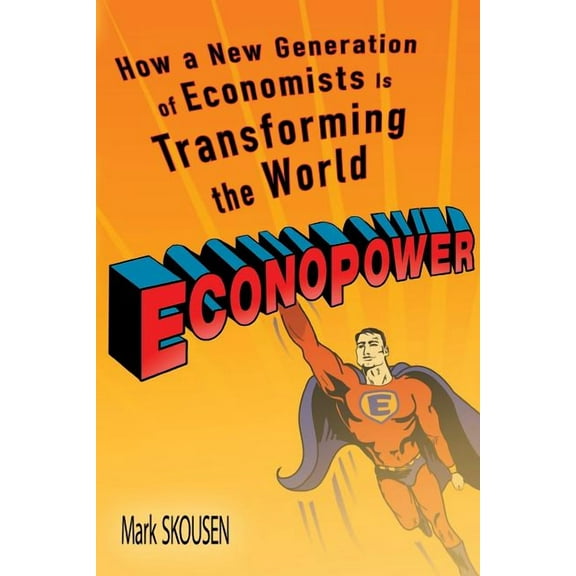
Econopower: How a New Generation of Economists Is Transforming the World $20.40
 $2040current price $20.40
Econopower: How a New Generation of Economists Is Transforming the World
Scientist in Wonderland: A Memoir of Searching for Truth and Finding Trouble (Paperback) $22.66
 $2266current price $22.66
Scientist in Wonderland: A Memoir of Searching for Truth and Finding Trouble (Paperback)
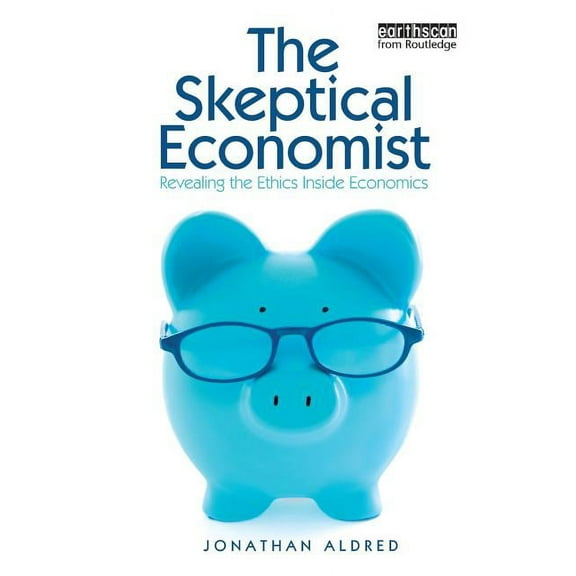
The Skeptical Economist: Revealing the Ethics Inside Economics, (Paperback) $38.99
 $3899current price $38.99
The Skeptical Economist: Revealing the Ethics Inside Economics, (Paperback)
Essays on the Great Depression, (Paperback) $13.97
 $1397current price $13.97
Essays on the Great Depression, (Paperback)
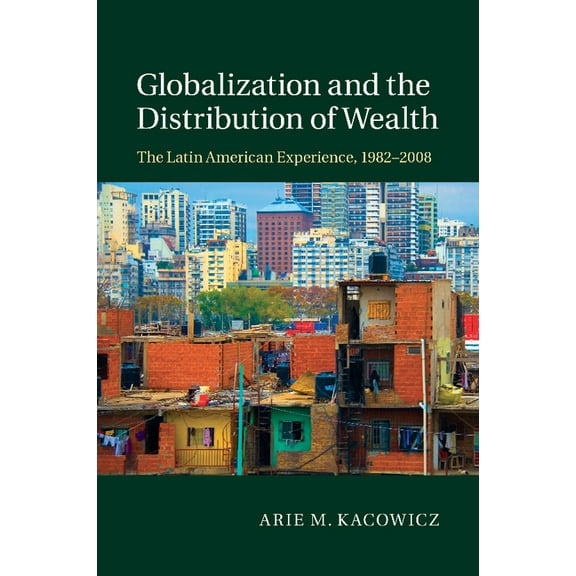
Globalization and the Distribution of Wealth: The Latin American Experience, 1982-2008, (Paperback) $28.50
 $2850current price $28.50
Globalization and the Distribution of Wealth: The Latin American Experience, 1982-2008, (Paperback)
Who Is Charlie?: Xenophobia and the New Middle Class (Paperback) $18.89
 $1889current price $18.89
Who Is Charlie?: Xenophobia and the New Middle Class (Paperback)
Economics for Beginners, (Paperback) $32.85
 $3285current price $32.85
Economics for Beginners, (Paperback)
The Leaderless Economy: Why the World Economic System Fell Apart and How to Fix It, (Hardcover) $23.79
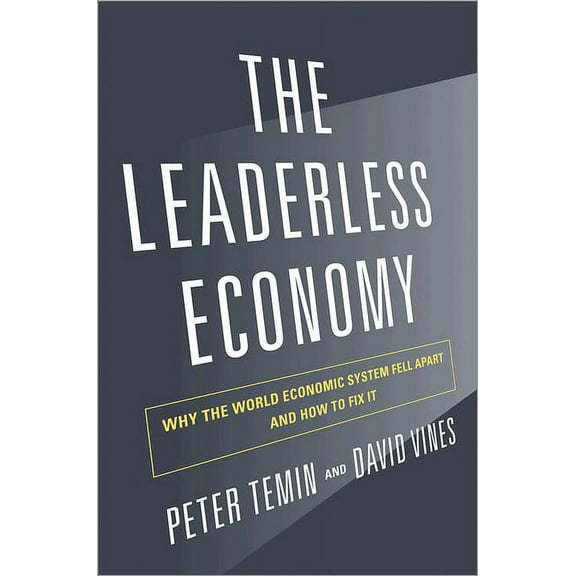 $2379current price $23.79
The Leaderless Economy: Why the World Economic System Fell Apart and How to Fix It, (Hardcover)
A Manifesto for Social Progress $28.00
 $2800current price $28.00
A Manifesto for Social Progress
Boom Bust: House Prices, Banking and the Depression of 2010, (Paperback) $24.60
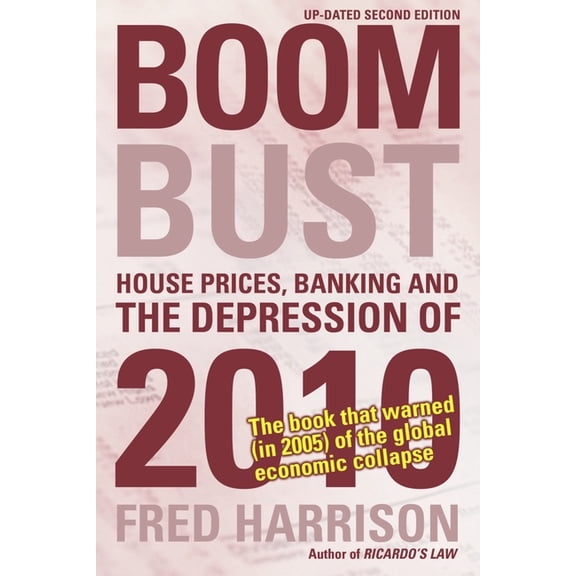 2 optionsAvailable in additional 2 options$2460current price $24.60
Boom Bust: House Prices, Banking and the Depression of 2010, (Paperback)
National Bureau of Economic Research Stu Monetary Policy, Book 29, (Paperback) $26.88
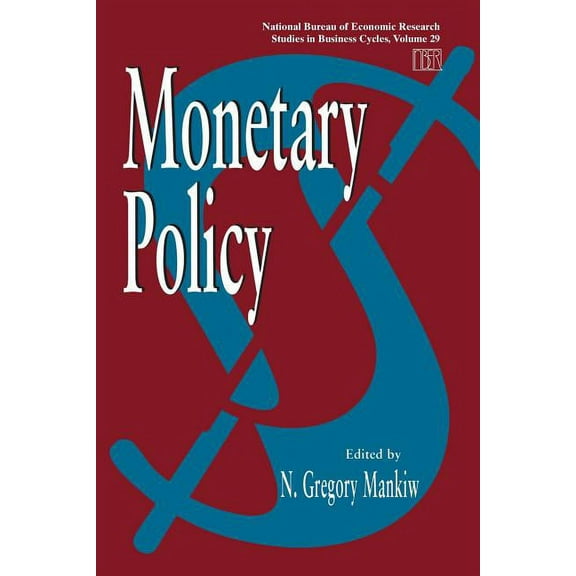 $2688current price $26.88
National Bureau of Economic Research Stu Monetary Policy, Book 29, (Paperback)
The Economic Naturalist: In Search of Explanations for Everyday Enigmas, (Paperback) $13.68
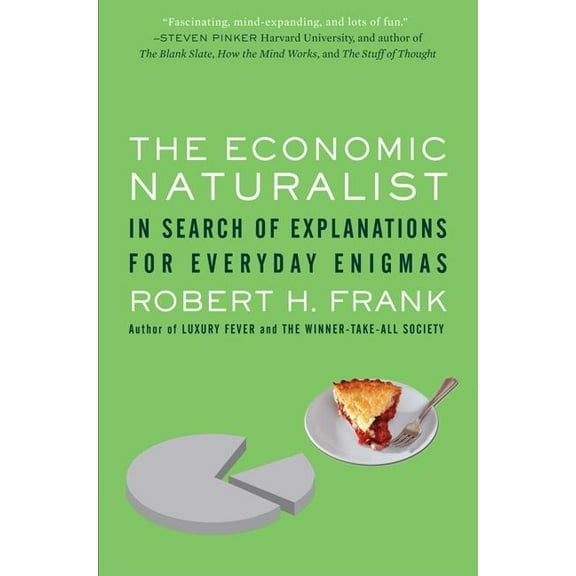 $1368current price $13.68
The Economic Naturalist: In Search of Explanations for Everyday Enigmas, (Paperback)
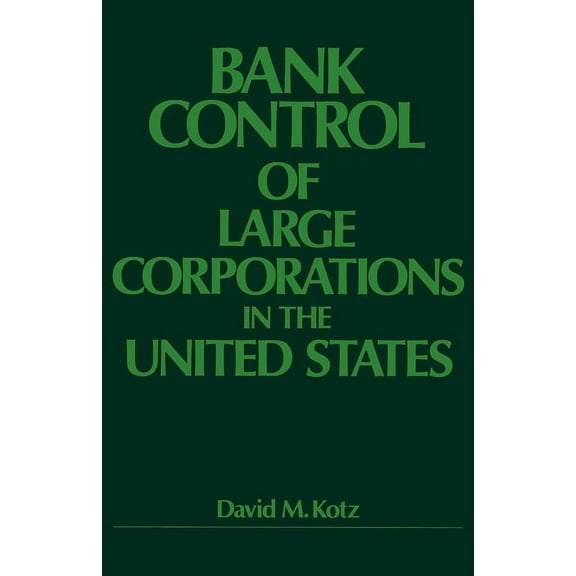
Bank Control of Large Corporations in the United States, (Paperback) $28.95
 $2895current price $28.95
Bank Control of Large Corporations in the United States, (Paperback)
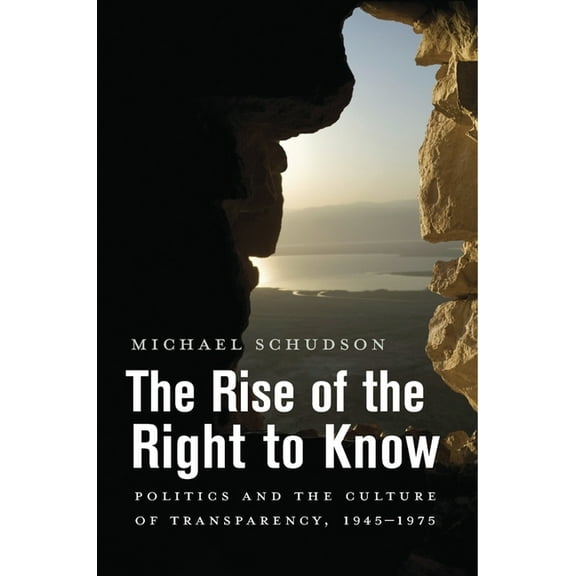
The Rise of the Right to Know (Paperback) $30.00
 $3000current price $30.00
The Rise of the Right to Know (Paperback)
Wealth: The Ultimate Wealth Building Journal, (Paperback) $24.95
 $2495current price $24.95
Wealth: The Ultimate Wealth Building Journal, (Paperback)