

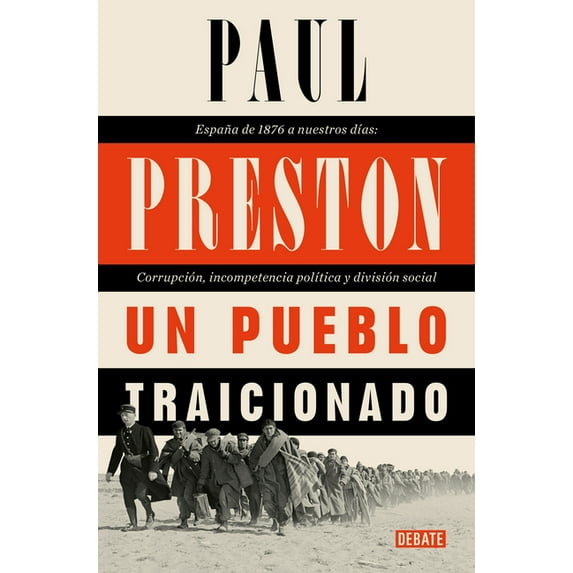
Un pueblo traicionado / A People Betrayed: A History of Corruption, Political Incompetence and Social Division in Modern Spain (Paperback)
(No ratings yet)
Key item features
La historia del siglo XX español contada por el eminente hispanista Paul Preston.
Un pueblo traicionado es una historia contemporánea de España escrita por un historiador británico que ama este país y que lleva cincuenta años estudiando su pasado.
Nuestra rica y trágica historia permite muchas aproximaciones; este libro no cae en interpretaciones paternalistas o excepcionalistas, pero sigue las deficiencias de la clase política española entre la restauración borbónica de 1874 en la figura de Alfonso XII y el comienzo del reinado de su tataranieto Felipe VI en 2014.
El resultado es un recorrido completo y equilibrado que subraya inevitablemente cómo el progreso del país ha sido obstaculizado por la corrupción y la incompetencia política, y cómo esos dos factores han provocado en repetidas ocasiones el colapso de la cohesión social y la represión violenta por parte de las autoridades. Una historia que entrelaza los temas de la influencia del Ejército y de la Iglesia, el rechazo popular a las clases dirigentes, el amargo conflicto social, el atraso económico y las tensiones territoriales, y que los sitúa en su contexto internacional.
Así pasamos de la desesperación de la crisis de 1898 a momentos de optimismo y progreso en que la realidad social lograba actuar sobre el poder político, hasta llegar a la situación actual, de un pesimismo similar al de finales del siglo XIX.
Los pueblos que no conocen su historia están condenados a repetirla, por eso este libro es de lectura obligatoria.
ENGLISH DESCRIPTION
Nowhere does the ceaseless struggle to maintain democracy in the face of political corruption come more alive than in Paul Preston’s magisterial history of modern Spain.
The culmination of a half-century of historical investigation, A People Betrayed is not only a definitive history of modern Spain but also a compelling narrative that becomes a lens for understanding the challenges that virtually all democracies have faced in the modern world.
Whereas so many twentieth-century Spanish histories begin with Franco and the devastating Civil War, Paul Preston’s magisterial work begins in the late nineteenth century with Spain’s collapse as a global power, especially reflected in its humiliating defeat in 1898 at the hands of the United States and its loss of colonial territory.
This loss hung over Spain in the early years of the twentieth century, its agrarian economic base standing in stark contrast to the emergence of England, Germany, and France as industrial powers. Looking back to the years prior to 1923, Preston demonstrates how electoral corruption infiltrated almost every sector of Spanish life, thus excluding the masses from organized politics and giving them a bitter choice between apathetic acceptance of a decrepit government or violent revolution. So ineffective was the Republic―which had been launched in 1873―that it paved the way for a military coup and dictatorship, led by Miguel Primo de Rivera in 1923, exacerbating widespread profiteering and fraud. When Rivera was forced to resign in 1930, his fall brought forth a succession of feeble governments, stoking rancorous tensions that culminated in the tragic Spanish Civil War.
With astonishing detail, Preston describes the ravages that rent Spain in half between 1936 and 1939. Tracing the frightening rise of Francisco Franco, Preston recounts how Franco grew into Spain’s most powerful military leader during the Civil War and how, after the war, he became a fascistic dictator who not only terrorized the Spanish population through systematic oppression and murder but also enriched corrupt officials who profited from severe economic plunder of Spain’s working class.
The dictatorship lasted through World War II―during which Spain sided with Mussolini and Hitler―and only ended decades later, in 1975, when Franco’s death was followed by a painful yet bloodless transition to republican democracy. Yet, as Preston reveals, corruption and political incompetence continued to have a corrosive effect on social cohesion into the twenty-first century, as economic crises, Catalan independence struggles, and financial scandals persist in dividing the country.
Filled with vivid portraits of politicians and army officers, revolutionaries and reformers, and written in the “absorbing” (Economist) style for which Preston is so revered, A People Betrayed is the first historical work to examine the continuities of political unrest and national anxiety in Spain up until the present, providing a chilling reminder of just how fragile democracy remains in the twenty-first century.
Un pueblo traicionado es una historia contemporánea de España escrita por un historiador británico que ama este país y que lleva cincuenta años estudiando su pasado.
Nuestra rica y trágica historia permite muchas aproximaciones; este libro no cae en interpretaciones paternalistas o excepcionalistas, pero sigue las deficiencias de la clase política española entre la restauración borbónica de 1874 en la figura de Alfonso XII y el comienzo del reinado de su tataranieto Felipe VI en 2014.
El resultado es un recorrido completo y equilibrado que subraya inevitablemente cómo el progreso del país ha sido obstaculizado por la corrupción y la incompetencia política, y cómo esos dos factores han provocado en repetidas ocasiones el colapso de la cohesión social y la represión violenta por parte de las autoridades. Una historia que entrelaza los temas de la influencia del Ejército y de la Iglesia, el rechazo popular a las clases dirigentes, el amargo conflicto social, el atraso económico y las tensiones territoriales, y que los sitúa en su contexto internacional.
Así pasamos de la desesperación de la crisis de 1898 a momentos de optimismo y progreso en que la realidad social lograba actuar sobre el poder político, hasta llegar a la situación actual, de un pesimismo similar al de finales del siglo XIX.
Los pueblos que no conocen su historia están condenados a repetirla, por eso este libro es de lectura obligatoria.
ENGLISH DESCRIPTION
Nowhere does the ceaseless struggle to maintain democracy in the face of political corruption come more alive than in Paul Preston’s magisterial history of modern Spain.
The culmination of a half-century of historical investigation, A People Betrayed is not only a definitive history of modern Spain but also a compelling narrative that becomes a lens for understanding the challenges that virtually all democracies have faced in the modern world.
Whereas so many twentieth-century Spanish histories begin with Franco and the devastating Civil War, Paul Preston’s magisterial work begins in the late nineteenth century with Spain’s collapse as a global power, especially reflected in its humiliating defeat in 1898 at the hands of the United States and its loss of colonial territory.
This loss hung over Spain in the early years of the twentieth century, its agrarian economic base standing in stark contrast to the emergence of England, Germany, and France as industrial powers. Looking back to the years prior to 1923, Preston demonstrates how electoral corruption infiltrated almost every sector of Spanish life, thus excluding the masses from organized politics and giving them a bitter choice between apathetic acceptance of a decrepit government or violent revolution. So ineffective was the Republic―which had been launched in 1873―that it paved the way for a military coup and dictatorship, led by Miguel Primo de Rivera in 1923, exacerbating widespread profiteering and fraud. When Rivera was forced to resign in 1930, his fall brought forth a succession of feeble governments, stoking rancorous tensions that culminated in the tragic Spanish Civil War.
With astonishing detail, Preston describes the ravages that rent Spain in half between 1936 and 1939. Tracing the frightening rise of Francisco Franco, Preston recounts how Franco grew into Spain’s most powerful military leader during the Civil War and how, after the war, he became a fascistic dictator who not only terrorized the Spanish population through systematic oppression and murder but also enriched corrupt officials who profited from severe economic plunder of Spain’s working class.
The dictatorship lasted through World War II―during which Spain sided with Mussolini and Hitler―and only ended decades later, in 1975, when Franco’s death was followed by a painful yet bloodless transition to republican democracy. Yet, as Preston reveals, corruption and political incompetence continued to have a corrosive effect on social cohesion into the twenty-first century, as economic crises, Catalan independence struggles, and financial scandals persist in dividing the country.
Filled with vivid portraits of politicians and army officers, revolutionaries and reformers, and written in the “absorbing” (Economist) style for which Preston is so revered, A People Betrayed is the first historical work to examine the continuities of political unrest and national anxiety in Spain up until the present, providing a chilling reminder of just how fragile democracy remains in the twenty-first century.
Specs
- Book formatPaperback
- Fiction/nonfictionNon-Fiction
- GenreHistory
- Publication dateJuly, 2021
- Pages784
- SubgenreHistory
Current price is USDNow $22.57
You save $3.38
was $25.95$25.95
You save$3.38
Price when purchased online
Out of stock
How do you want your item?
Out of stock
About this item
Product details
La historia del siglo XX español contada por el eminente hispanista Paul Preston. Un pueblo traicionado es una historia contemporánea de España escrita por un historiador británico que ama este país y que lleva cincuenta años estudiando su pasado. Nuestra rica y trágica historia permite muchas aproximaciones; este libro no cae en interpretaciones paternalistas o excepcionalistas, pero sigue las deficiencias de la clase política española entre la restauración borbónica de 1874 en la figura de Alfonso XII y el comienzo del reinado de su tataranieto Felipe VI en 2014. El resultado es un recorrido completo y equilibrado que subraya inevitablemente cómo el progreso del país ha sido obstaculizado por la corrupción y la incompetencia política, y cómo esos dos factores han provocado en repetidas ocasiones el colapso de la cohesión social y la represión violenta por parte de las autoridades. Una historia que entrelaza los temas de la influencia del Ejército y de la Iglesia, el rechazo popular a las clases dirigentes, el amargo conflicto social, el atraso económico y las tensiones territoriales, y que los sitúa en su contexto internacional. Así pasamos de la desesperación de la crisis de 1898 a momentos de optimismo y progreso en que la realidad social lograba actuar sobre el poder político, hasta llegar a la situación actual, de un pesimismo similar al de finales del siglo XIX. Los pueblos que no conocen su historia están condenados a repetirla, por eso este libro es de lectura obligatoria. ENGLISH DESCRIPTION Nowhere does the ceaseless struggle to maintain democracy in the face of political corruption come more alive than in Paul Preston's magisterial history of modern Spain.
The culmination of a half-century of historical investigation, A People Betrayed is not only a definitive history of modern Spain but also a compelling narrative that becomes a lens for understanding the challenges that virtually all democracies have faced in the modern world. Whereas so many twentieth-century Spanish histories begin with Franco and the devastating Civil War, Paul Preston's magisterial work begins in the late nineteenth century with Spain's collapse as a global power, especially reflected in its humiliating defeat in 1898 at the hands of the United States and its loss of colonial territory. This loss hung over Spain in the early years of the twentieth century, its agrarian economic base standing in stark contrast to the emergence of England, Germany, and France as industrial powers. Looking back to the years prior to 1923, Preston demonstrates how electoral corruption infiltrated almost every sector of Spanish life, thus excluding the masses from organized politics and giving them a bitter choice between apathetic acceptance of a decrepit government or violent revolution. So ineffective was the Republic―which had been launched in 1873―that it paved the way for a military coup and dictatorship, led by Miguel Primo de Rivera in 1923, exacerbating widespread profiteering and fraud. When Rivera was forced to resign in 1930, his fall brought forth a succession of feeble governments, stoking rancorous tensions that culminated in the tragic Spanish Civil War. With astonishing detail, Preston describes the ravages that rent Spain in half between 1936 and 1939. Tracing the frightening rise of Francisco Franco, Preston recounts how Franco grew into Spain's most powerful military leader during the Civil War and how, after the war, he became a fascistic dictator who not only terrorized the Spanish population through systematic oppression and murder but also enriched corrupt officials who profited from severe economic plunder of Spain's working class. The dictatorship lasted through World War II―during which Spain sided with Mussolini and Hitler―and only ended decades later, in 1975, when Franco's death was followed by a painful yet bloodless transiti
The culmination of a half-century of historical investigation, A People Betrayed is not only a definitive history of modern Spain but also a compelling narrative that becomes a lens for understanding the challenges that virtually all democracies have faced in the modern world. Whereas so many twentieth-century Spanish histories begin with Franco and the devastating Civil War, Paul Preston's magisterial work begins in the late nineteenth century with Spain's collapse as a global power, especially reflected in its humiliating defeat in 1898 at the hands of the United States and its loss of colonial territory. This loss hung over Spain in the early years of the twentieth century, its agrarian economic base standing in stark contrast to the emergence of England, Germany, and France as industrial powers. Looking back to the years prior to 1923, Preston demonstrates how electoral corruption infiltrated almost every sector of Spanish life, thus excluding the masses from organized politics and giving them a bitter choice between apathetic acceptance of a decrepit government or violent revolution. So ineffective was the Republic―which had been launched in 1873―that it paved the way for a military coup and dictatorship, led by Miguel Primo de Rivera in 1923, exacerbating widespread profiteering and fraud. When Rivera was forced to resign in 1930, his fall brought forth a succession of feeble governments, stoking rancorous tensions that culminated in the tragic Spanish Civil War. With astonishing detail, Preston describes the ravages that rent Spain in half between 1936 and 1939. Tracing the frightening rise of Francisco Franco, Preston recounts how Franco grew into Spain's most powerful military leader during the Civil War and how, after the war, he became a fascistic dictator who not only terrorized the Spanish population through systematic oppression and murder but also enriched corrupt officials who profited from severe economic plunder of Spain's working class. The dictatorship lasted through World War II―during which Spain sided with Mussolini and Hitler―and only ended decades later, in 1975, when Franco's death was followed by a painful yet bloodless transiti
La historia del siglo XX español contada por el eminente hispanista Paul Preston.
Un pueblo traicionado es una historia contemporánea de España escrita por un historiador británico que ama este país y que lleva cincuenta años estudiando su pasado.
Nuestra rica y trágica historia permite muchas aproximaciones; este libro no cae en interpretaciones paternalistas o excepcionalistas, pero sigue las deficiencias de la clase política española entre la restauración borbónica de 1874 en la figura de Alfonso XII y el comienzo del reinado de su tataranieto Felipe VI en 2014.
El resultado es un recorrido completo y equilibrado que subraya inevitablemente cómo el progreso del país ha sido obstaculizado por la corrupción y la incompetencia política, y cómo esos dos factores han provocado en repetidas ocasiones el colapso de la cohesión social y la represión violenta por parte de las autoridades. Una historia que entrelaza los temas de la influencia del Ejército y de la Iglesia, el rechazo popular a las clases dirigentes, el amargo conflicto social, el atraso económico y las tensiones territoriales, y que los sitúa en su contexto internacional.
Así pasamos de la desesperación de la crisis de 1898 a momentos de optimismo y progreso en que la realidad social lograba actuar sobre el poder político, hasta llegar a la situación actual, de un pesimismo similar al de finales del siglo XIX.
Los pueblos que no conocen su historia están condenados a repetirla, por eso este libro es de lectura obligatoria.
ENGLISH DESCRIPTION
Nowhere does the ceaseless struggle to maintain democracy in the face of political corruption come more alive than in Paul Preston’s magisterial history of modern Spain.
The culmination of a half-century of historical investigation, A People Betrayed is not only a definitive history of modern Spain but also a compelling narrative that becomes a lens for understanding the challenges that virtually all democracies have faced in the modern world.
Whereas so many twentieth-century Spanish histories begin with Franco and the devastating Civil War, Paul Preston’s magisterial work begins in the late nineteenth century with Spain’s collapse as a global power, especially reflected in its humiliating defeat in 1898 at the hands of the United States and its loss of colonial territory.
This loss hung over Spain in the early years of the twentieth century, its agrarian economic base standing in stark contrast to the emergence of England, Germany, and France as industrial powers. Looking back to the years prior to 1923, Preston demonstrates how electoral corruption infiltrated almost every sector of Spanish life, thus excluding the masses from organized politics and giving them a bitter choice between apathetic acceptance of a decrepit government or violent revolution. So ineffective was the Republic―which had been launched in 1873―that it paved the way for a military coup and dictatorship, led by Miguel Primo de Rivera in 1923, exacerbating widespread profiteering and fraud. When Rivera was forced to resign in 1930, his fall brought forth a succession of feeble governments, stoking rancorous tensions that culminated in the tragic Spanish Civil War.
With astonishing detail, Preston describes the ravages that rent Spain in half between 1936 and 1939. Tracing the frightening rise of Francisco Franco, Preston recounts how Franco grew into Spain’s most powerful military leader during the Civil War and how, after the war, he became a fascistic dictator who not only terrorized the Spanish population through systematic oppression and murder but also enriched corrupt officials who profited from severe economic plunder of Spain’s working class.
The dictatorship lasted through World War II―during which Spain sided with Mussolini and Hitler―and only ended decades later, in 1975, when Franco’s death was followed by a painful yet bloodless transition to republican democracy. Yet, as Preston reveals, corruption and political incompetence continued to have a corrosive effect on social cohesion into the twenty-first century, as economic crises, Catalan independence struggles, and financial scandals persist in dividing the country.
Filled with vivid portraits of politicians and army officers, revolutionaries and reformers, and written in the “absorbing” (Economist) style for which Preston is so revered, A People Betrayed is the first historical work to examine the continuities of political unrest and national anxiety in Spain up until the present, providing a chilling reminder of just how fragile democracy remains in the twenty-first century.
Un pueblo traicionado es una historia contemporánea de España escrita por un historiador británico que ama este país y que lleva cincuenta años estudiando su pasado.
Nuestra rica y trágica historia permite muchas aproximaciones; este libro no cae en interpretaciones paternalistas o excepcionalistas, pero sigue las deficiencias de la clase política española entre la restauración borbónica de 1874 en la figura de Alfonso XII y el comienzo del reinado de su tataranieto Felipe VI en 2014.
El resultado es un recorrido completo y equilibrado que subraya inevitablemente cómo el progreso del país ha sido obstaculizado por la corrupción y la incompetencia política, y cómo esos dos factores han provocado en repetidas ocasiones el colapso de la cohesión social y la represión violenta por parte de las autoridades. Una historia que entrelaza los temas de la influencia del Ejército y de la Iglesia, el rechazo popular a las clases dirigentes, el amargo conflicto social, el atraso económico y las tensiones territoriales, y que los sitúa en su contexto internacional.
Así pasamos de la desesperación de la crisis de 1898 a momentos de optimismo y progreso en que la realidad social lograba actuar sobre el poder político, hasta llegar a la situación actual, de un pesimismo similar al de finales del siglo XIX.
Los pueblos que no conocen su historia están condenados a repetirla, por eso este libro es de lectura obligatoria.
ENGLISH DESCRIPTION
Nowhere does the ceaseless struggle to maintain democracy in the face of political corruption come more alive than in Paul Preston’s magisterial history of modern Spain.
The culmination of a half-century of historical investigation, A People Betrayed is not only a definitive history of modern Spain but also a compelling narrative that becomes a lens for understanding the challenges that virtually all democracies have faced in the modern world.
Whereas so many twentieth-century Spanish histories begin with Franco and the devastating Civil War, Paul Preston’s magisterial work begins in the late nineteenth century with Spain’s collapse as a global power, especially reflected in its humiliating defeat in 1898 at the hands of the United States and its loss of colonial territory.
This loss hung over Spain in the early years of the twentieth century, its agrarian economic base standing in stark contrast to the emergence of England, Germany, and France as industrial powers. Looking back to the years prior to 1923, Preston demonstrates how electoral corruption infiltrated almost every sector of Spanish life, thus excluding the masses from organized politics and giving them a bitter choice between apathetic acceptance of a decrepit government or violent revolution. So ineffective was the Republic―which had been launched in 1873―that it paved the way for a military coup and dictatorship, led by Miguel Primo de Rivera in 1923, exacerbating widespread profiteering and fraud. When Rivera was forced to resign in 1930, his fall brought forth a succession of feeble governments, stoking rancorous tensions that culminated in the tragic Spanish Civil War.
With astonishing detail, Preston describes the ravages that rent Spain in half between 1936 and 1939. Tracing the frightening rise of Francisco Franco, Preston recounts how Franco grew into Spain’s most powerful military leader during the Civil War and how, after the war, he became a fascistic dictator who not only terrorized the Spanish population through systematic oppression and murder but also enriched corrupt officials who profited from severe economic plunder of Spain’s working class.
The dictatorship lasted through World War II―during which Spain sided with Mussolini and Hitler―and only ended decades later, in 1975, when Franco’s death was followed by a painful yet bloodless transition to republican democracy. Yet, as Preston reveals, corruption and political incompetence continued to have a corrosive effect on social cohesion into the twenty-first century, as economic crises, Catalan independence struggles, and financial scandals persist in dividing the country.
Filled with vivid portraits of politicians and army officers, revolutionaries and reformers, and written in the “absorbing” (Economist) style for which Preston is so revered, A People Betrayed is the first historical work to examine the continuities of political unrest and national anxiety in Spain up until the present, providing a chilling reminder of just how fragile democracy remains in the twenty-first century.
info:
We aim to show you accurate product information. Manufacturers, suppliers and others provide what you see here, and we have not verified it.
Specifications
Book format
Paperback
Fiction/nonfiction
Non-Fiction
Genre
History
Publication date
July, 2021
Warranty
Warranty information
Please be aware that the warranty terms on items offered for sale by third party Marketplace sellers may differ from those displayed in this section (if any). To confirm warranty terms on an item offered for sale by a third party Marketplace seller, please use the 'Contact seller' feature on the third party Marketplace seller's information page and request the item's warranty terms prior to purchase.
Similar items you might like
Based on what customers bought
Knowledge Lost: A New View of Early Modern Intellectual History, (Paperback) $22.97
 $2297current price $22.97
Knowledge Lost: A New View of Early Modern Intellectual History, (Paperback)
Slouching Towards Utopia: An Economic History of the Twentieth Century, (Paperback) $13.50 Was $16.55
 $1350current price $13.50, Was $16.55$16.55
Slouching Towards Utopia: An Economic History of the Twentieth Century, (Paperback)
American History Now The Uncertain Future of American Politics, 1940 to 1973, (Paperback) $12.35
 $1235current price $12.35
American History Now The Uncertain Future of American Politics, 1940 to 1973, (Paperback)
Elements in the History and Politics of Populism and Fascism, (Paperback) $38.74
 $3874current price $38.74
Elements in the History and Politics of Populism and Fascism, (Paperback)
Trust and Distrust: Corruption in Office in Britain and Its Empire, 1600-1850, (Paperback) $15.49 Was $21.38
 $1549current price $15.49, Was $21.38$21.38
Trust and Distrust: Corruption in Office in Britain and Its Empire, 1600-1850, (Paperback)
The New History Of The Italian South: The Mezzogiorno Revisited, (Paperback) $33.28
 $3328current price $33.28
The New History Of The Italian South: The Mezzogiorno Revisited, (Paperback)
Comrades, (Paperback) $21.52
 $2152current price $21.52
Comrades, (Paperback)
The Global Dimensions of Irish Identity: Race, Nation, and the Popular Press, 1840-1880, (Paperback) $42.50
 $4250current price $42.50
The Global Dimensions of Irish Identity: Race, Nation, and the Popular Press, 1840-1880, (Paperback)
The Hellfire Club: The Rise and Fall of a Shocking Secret Society, (Paperback) $17.99
 $1799current price $17.99
The Hellfire Club: The Rise and Fall of a Shocking Secret Society, (Paperback)
15 out of 5 Stars. 1 reviewsAuthoritarianism and Kurdish Alternative Politics: Governmentality, Gender and Justice, (Paperback) $32.62
 $3262current price $32.62
Authoritarianism and Kurdish Alternative Politics: Governmentality, Gender and Justice, (Paperback)
Battle Of New Orleans; Its Real Meaning, (Paperback) $16.18 Was $18.99
 $1618current price $16.18, Was $18.99$18.99
Battle Of New Orleans; Its Real Meaning, (Paperback)
Paradox of Freedom, (Paperback) $20.00
 $2000current price $20.00
Paradox of Freedom, (Paperback)
Pre-Owned Humankind: A Hopeful History, 9780316418522, 0316418528, Paperback, First Edition edition $8.26 Was $10.05
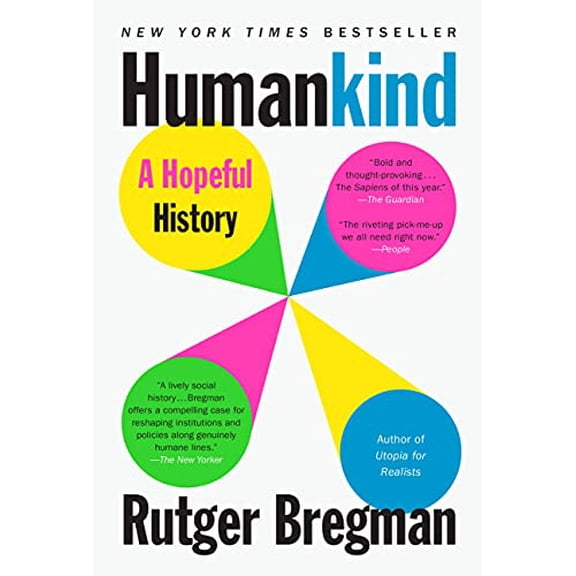 $826current price $8.26, Was $10.05$10.05
Pre-Owned Humankind: A Hopeful History, 9780316418522, 0316418528, Paperback, First Edition edition
Sultan Qaboos and Modern Oman, 1970-2020, (Paperback) $30.68
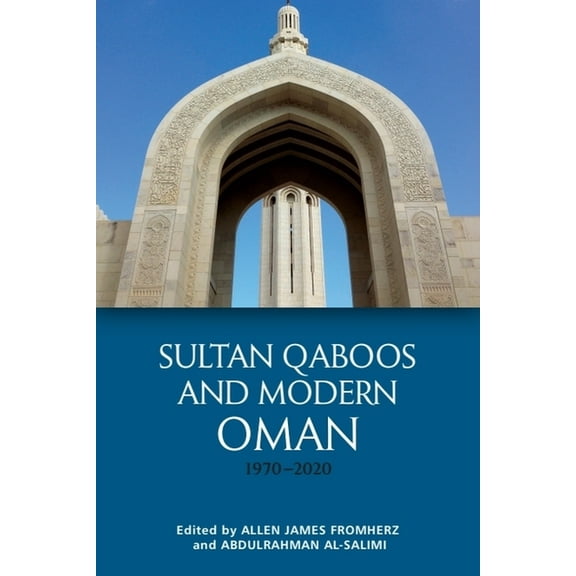 $3068current price $30.68
Sultan Qaboos and Modern Oman, 1970-2020, (Paperback)
Little Histories A Little History of the United States, (Paperback) $6.91
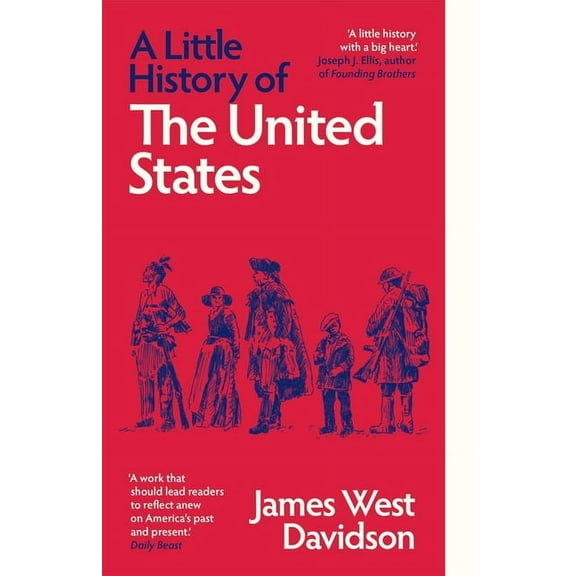 $691current price $6.91
Little Histories A Little History of the United States, (Paperback)
Historical Papers Relating To The Jacobite Period, 1699-1750, Issue 16, (Paperback) $30.13
 $3013current price $30.13
Historical Papers Relating To The Jacobite Period, 1699-1750, Issue 16, (Paperback)
Fateful Hours: The Collapse of the Weimar Republic, (Hardcover) $27.81
 $2781current price $27.81
Fateful Hours: The Collapse of the Weimar Republic, (Hardcover)
Pre-Owned The Graves Are Walking: The Great Famine and the Saga of the Irish People (Paperback) 1250032172 9781250032171 $13.56
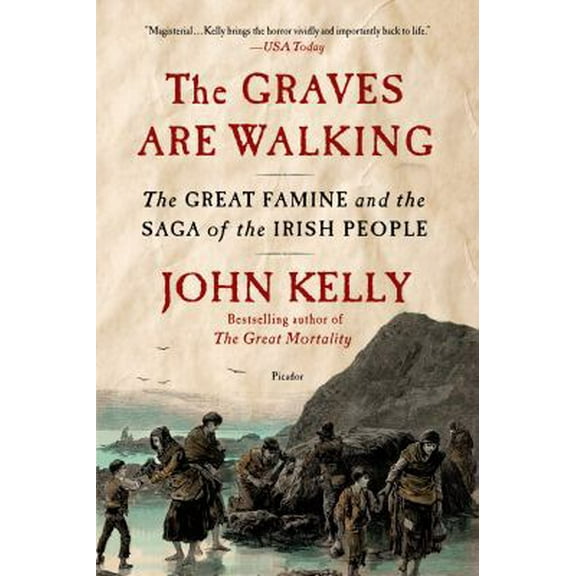 3 optionsAvailable in additional 3 options$1356current price $13.56
Pre-Owned The Graves Are Walking: The Great Famine and the Saga of the Irish People (Paperback) 1250032172 9781250032171


Customer ratings & reviews
0 ratings|0 reviews
This item does not have any reviews yet
