

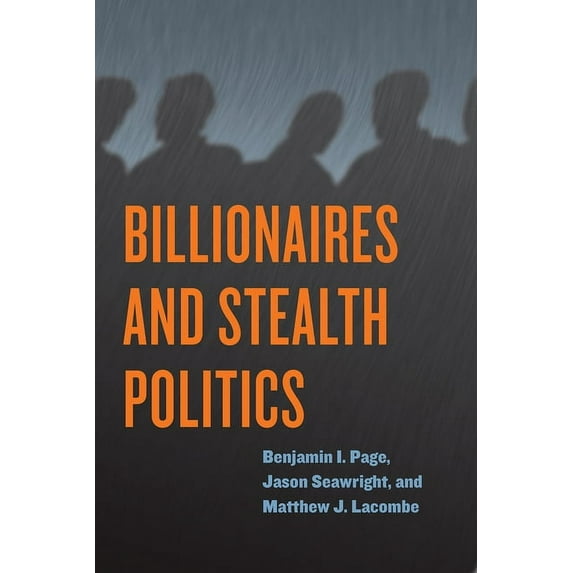
Hero image 0 of Billionaires and Stealth Politics (Hardcover), 0 of 1
Billionaires and Stealth Politics (Hardcover)
(No ratings yet)
Key item features
In 2016, when millions of Americans voted for Donald Trump, many believed his claims that personal wealth would free him from wealthy donors and allow him to “drain the swamp.” But then Trump appointed several billionaires and multimillionaires to high-level positions and pursued billionaire-friendly policies, such as cutting corporate income taxes. Why the change from his fiery campaign rhetoric and promises to the working class? This should not be surprising, argue Benjamin I. Page, Jason Seawright, and Matthew J. Lacombe: As the gap between the wealthiest and the rest of us has widened, the few who hold one billion dollars or more in net worth have begun to play a more and more active part in politics—with serious consequences for democracy in the United States.
Page, Seawright, and Lacombe argue that while political contributions offer a window onto billionaires’ influence, especially on economic policy, they do not present a full picture of policy preferences and political actions. That is because on some of the most important issues, including taxation, immigration, and Social Security, billionaires have chosen to engage in “stealth politics.” They try hard to influence public policy, making large contributions to political parties and policy-focused causes, leading policy-advocacy organizations, holding political fundraisers, and bundling others’ contributions—all while rarely talking about public policy to the media. This means that their influence is not only unequal but also largely unaccountable to and unchallengeable by the American people. Stealth politics makes it difficult for ordinary citizens to know what billionaires are doing or mobilize against it. The book closes with remedies citizens can pursue if they wish to make wealthy Americans more politically accountable, such as public financing of political campaigns and easier voting procedures, and notes the broader types of reforms, such as a more progressive income tax system, that would be needed to increase political equality and reinvigorate majoritarian democracy in the United States.
Page, Seawright, and Lacombe argue that while political contributions offer a window onto billionaires’ influence, especially on economic policy, they do not present a full picture of policy preferences and political actions. That is because on some of the most important issues, including taxation, immigration, and Social Security, billionaires have chosen to engage in “stealth politics.” They try hard to influence public policy, making large contributions to political parties and policy-focused causes, leading policy-advocacy organizations, holding political fundraisers, and bundling others’ contributions—all while rarely talking about public policy to the media. This means that their influence is not only unequal but also largely unaccountable to and unchallengeable by the American people. Stealth politics makes it difficult for ordinary citizens to know what billionaires are doing or mobilize against it. The book closes with remedies citizens can pursue if they wish to make wealthy Americans more politically accountable, such as public financing of political campaigns and easier voting procedures, and notes the broader types of reforms, such as a more progressive income tax system, that would be needed to increase political equality and reinvigorate majoritarian democracy in the United States.
Specs
- Book formatHardcover
- Fiction/nonfictionNon-Fiction
- Publication dateDecember, 2018
- Pages224
- Edition1
- Original languagesEnglish
Current price is USD$98.93
Price when purchased online
- Free shipping
 Free 30-day returns
How do you want your item?
Ships to
Arrives between May 29 - Jun 4
|
Sold and shipped by newbookdeals
4.560121765601218 stars out of 5, based on 1971 seller reviews(4.6)1971 seller reviews

Free 30-day returns
About this item
Product details
In 2016, when millions of Americans voted for Donald Trump, many believed his claims that personal wealth would free him from wealthy donors and allow him to "drain the swamp." But then Trump appointed several billionaires and multimillionaires to high-level positions and pursued billionaire-friendly policies, such as cutting corporate income taxes. Why the change from his fiery campaign rhetoric and promises to the working class? This should not be surprising, argue Benjamin I. Page, Jason Seawright, and Matthew J. Lacombe: As the gap between the wealthiest and the rest of us has widened, the few who hold one billion dollars or more in net worth have begun to play a more and more active part in politics--with serious consequences for democracy in the United States. Page, Seawright, and Lacombe argue that while political contributions offer a window onto billionaires' influence, especially on economic policy, they do not present a full picture of policy preferences and political actions. That is because on some of the most important issues, including taxation, immigration, and Social Security, billionaires have chosen to engage in "stealth politics." They try hard to influence public policy, making large contributions to political parties and policy-focused causes, leading policy-advocacy organizations, holding political fundraisers, and bundling others' contributions--all while rarely talking about public policy to the media. This means that their influence is not only unequal but also largely unaccountable to and unchallengeable by the American people. Stealth politics makes it difficult for ordinary citizens to know what billionaires are doing or mobilize against it. The book closes with remedies citizens can pursue if they wish to make wealthy Americans more politically accountable, such as public financing of political campaigns and easier voting procedures, and notes the broader types of reforms, such as a more progressive income tax system, that would be needed to increase political equality and reinvigorate majoritarian democracy in the United States.
In 2016, when millions of Americans voted for Donald Trump, many believed his claims that personal wealth would free him from wealthy donors and allow him to “drain the swamp.” But then Trump appointed several billionaires and multimillionaires to high-level positions and pursued billionaire-friendly policies, such as cutting corporate income taxes. Why the change from his fiery campaign rhetoric and promises to the working class? This should not be surprising, argue Benjamin I. Page, Jason Seawright, and Matthew J. Lacombe: As the gap between the wealthiest and the rest of us has widened, the few who hold one billion dollars or more in net worth have begun to play a more and more active part in politics—with serious consequences for democracy in the United States.
Page, Seawright, and Lacombe argue that while political contributions offer a window onto billionaires’ influence, especially on economic policy, they do not present a full picture of policy preferences and political actions. That is because on some of the most important issues, including taxation, immigration, and Social Security, billionaires have chosen to engage in “stealth politics.” They try hard to influence public policy, making large contributions to political parties and policy-focused causes, leading policy-advocacy organizations, holding political fundraisers, and bundling others’ contributions—all while rarely talking about public policy to the media. This means that their influence is not only unequal but also largely unaccountable to and unchallengeable by the American people. Stealth politics makes it difficult for ordinary citizens to know what billionaires are doing or mobilize against it. The book closes with remedies citizens can pursue if they wish to make wealthy Americans more politically accountable, such as public financing of political campaigns and easier voting procedures, and notes the broader types of reforms, such as a more progressive income tax system, that would be needed to increase political equality and reinvigorate majoritarian democracy in the United States.
Page, Seawright, and Lacombe argue that while political contributions offer a window onto billionaires’ influence, especially on economic policy, they do not present a full picture of policy preferences and political actions. That is because on some of the most important issues, including taxation, immigration, and Social Security, billionaires have chosen to engage in “stealth politics.” They try hard to influence public policy, making large contributions to political parties and policy-focused causes, leading policy-advocacy organizations, holding political fundraisers, and bundling others’ contributions—all while rarely talking about public policy to the media. This means that their influence is not only unequal but also largely unaccountable to and unchallengeable by the American people. Stealth politics makes it difficult for ordinary citizens to know what billionaires are doing or mobilize against it. The book closes with remedies citizens can pursue if they wish to make wealthy Americans more politically accountable, such as public financing of political campaigns and easier voting procedures, and notes the broader types of reforms, such as a more progressive income tax system, that would be needed to increase political equality and reinvigorate majoritarian democracy in the United States.
info:
We aim to show you accurate product information. Manufacturers, suppliers and others provide what you see here, and we have not verified it.
Specifications
Book format
Hardcover
Fiction/nonfiction
Non-Fiction
Genre
Political & Social Sciences
Publication date
December, 2018
Warranty
Warranty information
Please be aware that the warranty terms on items offered for sale by third party Marketplace sellers may differ from those displayed in this section (if any). To confirm warranty terms on an item offered for sale by a third party Marketplace seller, please use the 'Contact seller' feature on the third party Marketplace seller's information page and request the item's warranty terms prior to purchase.
Warnings
State Chemical Disclosure
None
Similar items you might like
Based on what customers bought
American Politics and Political Economy Series: Who Deliberates? : Mass Media in Modern Democracy (Paperback) $27.20
 $2720current price $27.20
American Politics and Political Economy Series: Who Deliberates? : Mass Media in Modern Democracy (Paperback)
Class War? : What Americans Really Think about Economic Inequality (Hardcover) $68.37
 $6837current price $68.37
Class War? : What Americans Really Think about Economic Inequality (Hardcover)
Class War?: What Americans Really Think about Economic Inequality, (Paperback) $30.70
 $3070current price $30.70
Class War?: What Americans Really Think about Economic Inequality, (Paperback)
Runaway State-building $62.05
 $6205current price $62.05
Runaway State-building
Humanitarianism in Question, (Hardcover) $150.79
 $15079current price $150.79
Humanitarianism in Question, (Hardcover)
Algorithmic Reason: The New Government of Self and Other, (Hardcover) $56.61
 $5661current price $56.61
Algorithmic Reason: The New Government of Self and Other, (Hardcover)
Centrality of the Good: Reflections on Politics and Being, (Hardcover) $136.13
 $13613current price $136.13
Centrality of the Good: Reflections on Politics and Being, (Hardcover)
Congress and the Politics of Problem Solving, (Hardcover) $91.18
 $9118current price $91.18
Congress and the Politics of Problem Solving, (Hardcover)
No Blank Check: The Origins and Consequences of Public Antipathy Towards Presidential Power, (Hardcover) $66.08 Was $73.84
 $6608current price $66.08, Was $73.84$73.84
No Blank Check: The Origins and Consequences of Public Antipathy Towards Presidential Power, (Hardcover)
Praeger Political Communication Communication Consultants in Political Campaigns: Ballot Box Warriors, (Hardcover) $98.33 Was $111.85
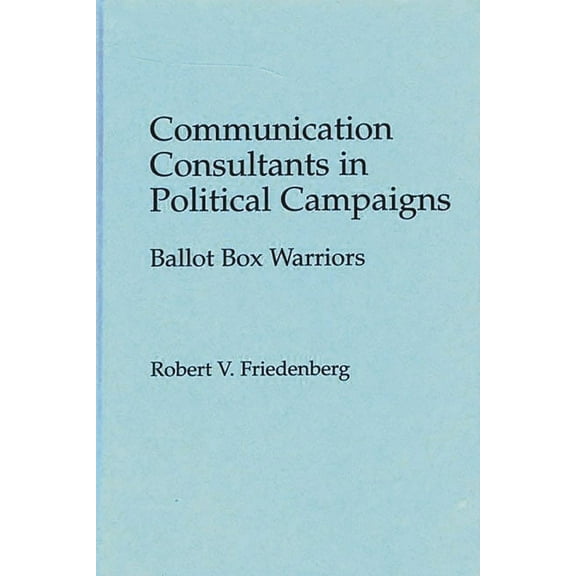 $9833current price $98.33, Was $111.85$111.85
Praeger Political Communication Communication Consultants in Political Campaigns: Ballot Box Warriors, (Hardcover)
Praeger Political Communication Inside Political Campaigns: Theory and Practice, (Hardcover) $39.35
 $3935current price $39.35
Praeger Political Communication Inside Political Campaigns: Theory and Practice, (Hardcover)
Transforming Government Leadership in Whitehall, (Hardcover) $107.81
 $10781current price $107.81
Transforming Government Leadership in Whitehall, (Hardcover)
Ethnic Politics After Communism, (Hardcover) $160.16
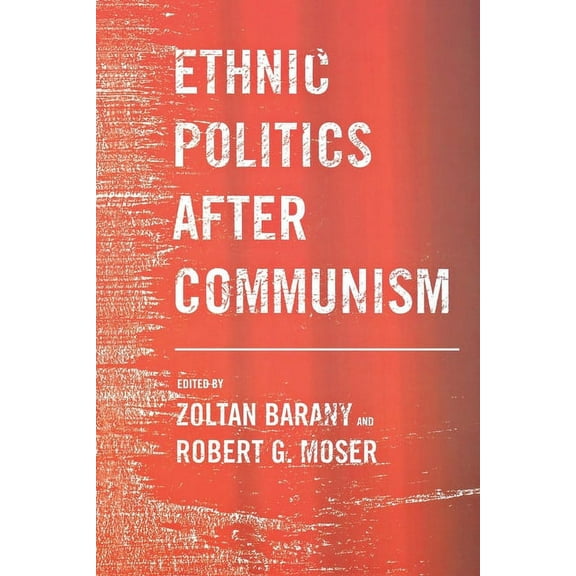 $16016current price $160.16
Ethnic Politics After Communism, (Hardcover)
American Politics and Political Economy Series: The Rational Public : Fifty Years of Trends in Americans' Policy Preferences (Paperback) $40.45
 $4045current price $40.45
American Politics and Political Economy Series: The Rational Public : Fifty Years of Trends in Americans' Policy Preferences (Paperback)
The Terms of Democracy (Hardcover) $90.55
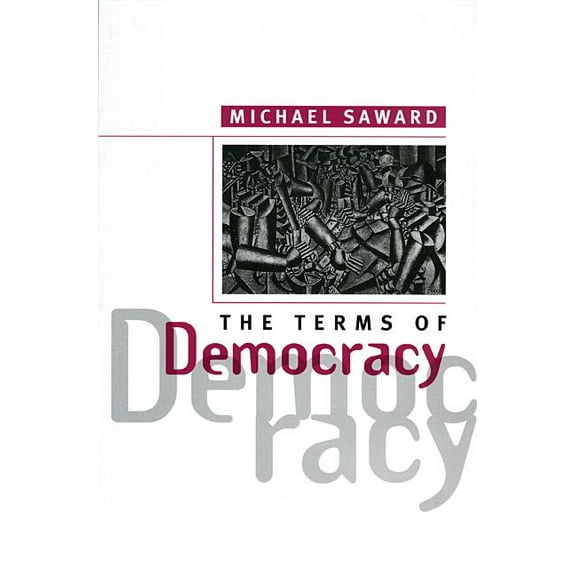 $9055current price $90.55
The Terms of Democracy (Hardcover)
The Political Turn in Animal Ethics, (Hardcover) $120.47
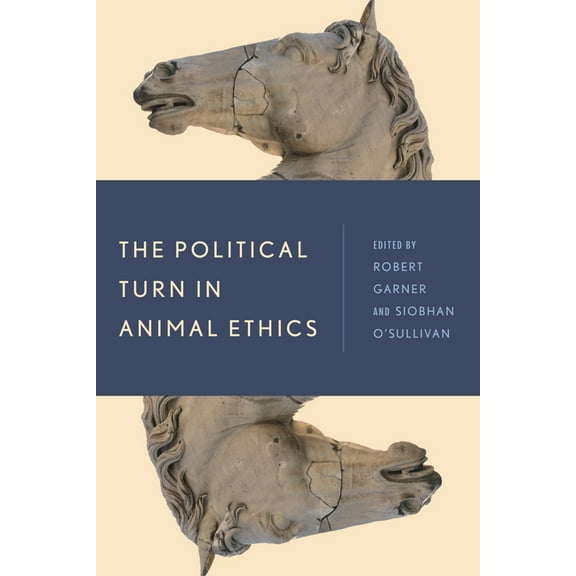 $12047current price $120.47
The Political Turn in Animal Ethics, (Hardcover)
Fire Your Financial Advisor: 40 Years of Greed & Exploitation of the American Retiree, and How You Can Fight Back, (Hardcover) $4.30
 $430current price $4.30
Fire Your Financial Advisor: 40 Years of Greed & Exploitation of the American Retiree, and How You Can Fight Back, (Hardcover)
Transforming Government Bureaucrats and Leadership, (Hardcover) $124.41
 $12441current price $124.41
Transforming Government Bureaucrats and Leadership, (Hardcover)
Australia's Money Mandarins: The Reserve Bank and the Politics of Money, (Hardcover) $94.74
 $9474current price $94.74
Australia's Money Mandarins: The Reserve Bank and the Politics of Money, (Hardcover)
The Power and the People, (Hardcover) $80.96
 $8096current price $80.96
The Power and the People, (Hardcover)
Customer ratings & reviews
0 ratings|0 reviews
This item does not have any reviews yet
