

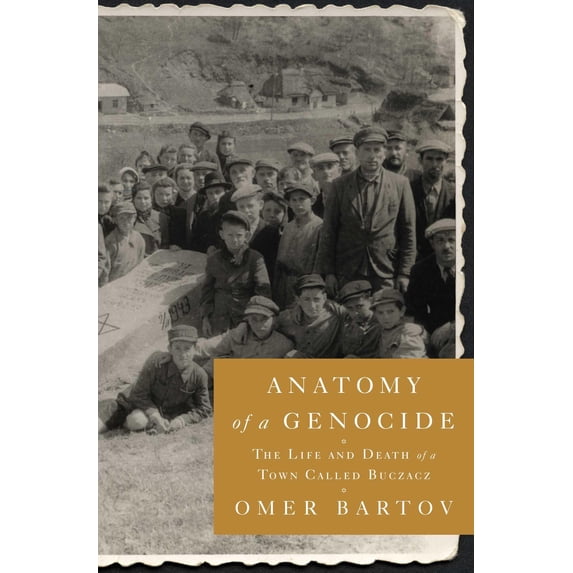
Hero image 0 of Anatomy of a Genocide: The Life and Death of a Town Called Buczacz (Hardcover), 0 of 2
Anatomy of a Genocide: The Life and Death of a Town Called Buczacz (Hardcover)
(No ratings yet)
Key item features
A fascinating and cautionary examination of how genocide can take root at the local level—turning neighbors, friends, and even family members against one another—as seen through the eastern European border town of Buczacz during World War II.
For more than four hundred years, the Eastern European border town of Buczacz—today part of Ukraine—was home to a highly diverse citizenry. It was here that Poles, Ukrainians, and Jews all lived side by side in relative harmony. Then came World War II, and three years later the entire Jewish population had been murdered by German and Ukrainian police, while Ukrainian nationalists eradicated Polish residents. In truth, though, this genocide didn’t happen so quickly.
In Anatomy of a Genocide Omer Bartov explains that ethnic cleansing doesn’t occur as is so often portrayed in popular history, with the quick ascent of a vitriolic political leader and the unleashing of military might. It begins in seeming peace, slowly and often unnoticed, the culmination of pent-up slights and grudges and indignities. The perpetrators aren’t just sociopathic soldiers. They are neighbors and friends and family. They are human beings, proud and angry and scared. They are also middle-aged men who come from elsewhere, often with their wives and children and parents, and settle into a life of bourgeois comfort peppered with bouts of mass murder: an island of normality floating on an ocean of blood.
For more than two decades Bartov, whose mother was raised in Buczacz, traveled extensively throughout the region, scouring archives and amassing thousands of documents rarely seen until now. He has also made use of hundreds of first-person testimonies by victims, perpetrators, collaborators, and rescuers. Anatomy of a Genocide profoundly changes our understanding of the social dynamics of mass killing and the nature of the Holocaust as a whole. Bartov’s book isn’t just an attempt to understand what happened in the past. It’s a warning of how it could happen again, in our own towns and cities—much more easily than we might think.
For more than four hundred years, the Eastern European border town of Buczacz—today part of Ukraine—was home to a highly diverse citizenry. It was here that Poles, Ukrainians, and Jews all lived side by side in relative harmony. Then came World War II, and three years later the entire Jewish population had been murdered by German and Ukrainian police, while Ukrainian nationalists eradicated Polish residents. In truth, though, this genocide didn’t happen so quickly.
In Anatomy of a Genocide Omer Bartov explains that ethnic cleansing doesn’t occur as is so often portrayed in popular history, with the quick ascent of a vitriolic political leader and the unleashing of military might. It begins in seeming peace, slowly and often unnoticed, the culmination of pent-up slights and grudges and indignities. The perpetrators aren’t just sociopathic soldiers. They are neighbors and friends and family. They are human beings, proud and angry and scared. They are also middle-aged men who come from elsewhere, often with their wives and children and parents, and settle into a life of bourgeois comfort peppered with bouts of mass murder: an island of normality floating on an ocean of blood.
For more than two decades Bartov, whose mother was raised in Buczacz, traveled extensively throughout the region, scouring archives and amassing thousands of documents rarely seen until now. He has also made use of hundreds of first-person testimonies by victims, perpetrators, collaborators, and rescuers. Anatomy of a Genocide profoundly changes our understanding of the social dynamics of mass killing and the nature of the Holocaust as a whole. Bartov’s book isn’t just an attempt to understand what happened in the past. It’s a warning of how it could happen again, in our own towns and cities—much more easily than we might think.
Specs
- Book formatHardcover
- Fiction/nonfictionNon-Fiction
- GenreHistory
- Publication dateJanuary, 2018
- Pages416
- PublisherSimon & Schuster
Current price is USD$23.38
Price when purchased online
Out of stock
How do you want your item?
Out of stock
About this item
Product details
A fascinating and cautionary examination of how genocide can take root at the local level--turning neighbors, friends, and even family members against one another--as seen through the eastern European border town of Buczacz during World War II. For more than four hundred years, the Eastern European border town of Buczacz--today part of Ukraine--was home to a highly diverse citizenry. It was here that Poles, Ukrainians, and Jews all lived side by side in relative harmony. Then came World War II, and three years later the entire Jewish population had been murdered by German and Ukrainian police, while Ukrainian nationalists eradicated Polish residents. In truth, though, this genocide didn't happen so quickly. In Anatomy of a Genocide Omer Bartov explains that ethnic cleansing doesn't occur as is so often portrayed in popular history, with the quick ascent of a vitriolic political leader and the unleashing of military might. It begins in seeming peace, slowly and often unnoticed, the culmination of pent-up slights and grudges and indignities. The perpetrators aren't just sociopathic soldiers. They are neighbors and friends and family. They are human beings, proud and angry and scared. They are also middle-aged men who come from elsewhere, often with their wives and children and parents, and settle into a life of bourgeois comfort peppered with bouts of mass murder: an island of normality floating on an ocean of blood. For more than two decades Bartov, whose mother was raised in Buczacz, traveled extensively throughout the region, scouring archives and amassing thousands of documents rarely seen until now. He has also made use of hundreds of first-person testimonies by victims, perpetrators, collaborators, and rescuers. Anatomy of a Genocide profoundly changes our understanding of the social dynamics of mass killing and the nature of the Holocaust as a whole. Bartov's book isn't just an attempt to understand what happened in the past. It's a warning of how it could happen again, in our own towns and cities--much more easily than we might think.
A fascinating and cautionary examination of how genocide can take root at the local level—turning neighbors, friends, and even family members against one another—as seen through the eastern European border town of Buczacz during World War II.
For more than four hundred years, the Eastern European border town of Buczacz—today part of Ukraine—was home to a highly diverse citizenry. It was here that Poles, Ukrainians, and Jews all lived side by side in relative harmony. Then came World War II, and three years later the entire Jewish population had been murdered by German and Ukrainian police, while Ukrainian nationalists eradicated Polish residents. In truth, though, this genocide didn’t happen so quickly.
In Anatomy of a Genocide Omer Bartov explains that ethnic cleansing doesn’t occur as is so often portrayed in popular history, with the quick ascent of a vitriolic political leader and the unleashing of military might. It begins in seeming peace, slowly and often unnoticed, the culmination of pent-up slights and grudges and indignities. The perpetrators aren’t just sociopathic soldiers. They are neighbors and friends and family. They are human beings, proud and angry and scared. They are also middle-aged men who come from elsewhere, often with their wives and children and parents, and settle into a life of bourgeois comfort peppered with bouts of mass murder: an island of normality floating on an ocean of blood.
For more than two decades Bartov, whose mother was raised in Buczacz, traveled extensively throughout the region, scouring archives and amassing thousands of documents rarely seen until now. He has also made use of hundreds of first-person testimonies by victims, perpetrators, collaborators, and rescuers. Anatomy of a Genocide profoundly changes our understanding of the social dynamics of mass killing and the nature of the Holocaust as a whole. Bartov’s book isn’t just an attempt to understand what happened in the past. It’s a warning of how it could happen again, in our own towns and cities—much more easily than we might think.
For more than four hundred years, the Eastern European border town of Buczacz—today part of Ukraine—was home to a highly diverse citizenry. It was here that Poles, Ukrainians, and Jews all lived side by side in relative harmony. Then came World War II, and three years later the entire Jewish population had been murdered by German and Ukrainian police, while Ukrainian nationalists eradicated Polish residents. In truth, though, this genocide didn’t happen so quickly.
In Anatomy of a Genocide Omer Bartov explains that ethnic cleansing doesn’t occur as is so often portrayed in popular history, with the quick ascent of a vitriolic political leader and the unleashing of military might. It begins in seeming peace, slowly and often unnoticed, the culmination of pent-up slights and grudges and indignities. The perpetrators aren’t just sociopathic soldiers. They are neighbors and friends and family. They are human beings, proud and angry and scared. They are also middle-aged men who come from elsewhere, often with their wives and children and parents, and settle into a life of bourgeois comfort peppered with bouts of mass murder: an island of normality floating on an ocean of blood.
For more than two decades Bartov, whose mother was raised in Buczacz, traveled extensively throughout the region, scouring archives and amassing thousands of documents rarely seen until now. He has also made use of hundreds of first-person testimonies by victims, perpetrators, collaborators, and rescuers. Anatomy of a Genocide profoundly changes our understanding of the social dynamics of mass killing and the nature of the Holocaust as a whole. Bartov’s book isn’t just an attempt to understand what happened in the past. It’s a warning of how it could happen again, in our own towns and cities—much more easily than we might think.
info:
We aim to show you accurate product information. Manufacturers, suppliers and others provide what you see here, and we have not verified it.
Specifications
Book format
Hardcover
Fiction/nonfiction
Non-Fiction
Genre
History
Publication date
January, 2018
Warranty
Warranty information
Please be aware that the warranty terms on items offered for sale by third party Marketplace sellers may differ from those displayed in this section (if any). To confirm warranty terms on an item offered for sale by a third party Marketplace seller, please use the 'Contact seller' feature on the third party Marketplace seller's information page and request the item's warranty terms prior to purchase.
Similar items you might like
Based on what customers bought
American Legends : The Life of Bruce Lee (Paperback) $8.14
 $814current price $8.14
American Legends : The Life of Bruce Lee (Paperback)
The End of the End of History: Politics in the Twenty-First Century, (Paperback) $16.10
 $1610current price $16.10
The End of the End of History: Politics in the Twenty-First Century, (Paperback)
Café Europa Revisited: How to Survive Post-Communism, (Paperback) $16.36
 $1636current price $16.36
Café Europa Revisited: How to Survive Post-Communism, (Paperback)
Shatterzone of Empires: Coexistence and Violence in the German, Habsburg, Russian, and Ottoman Borderlands, (Paperback) $37.00
 $3700current price $37.00
Shatterzone of Empires: Coexistence and Violence in the German, Habsburg, Russian, and Ottoman Borderlands, (Paperback)
Stay Alive: Berlin, 1939-1945, (Hardcover) $24.78
 $2478current price $24.78
Stay Alive: Berlin, 1939-1945, (Hardcover)
I Have No Enemies: The Life and Legacy of Liu Xiaobo, (Hardcover) $31.84
 $3184current price $31.84
I Have No Enemies: The Life and Legacy of Liu Xiaobo, (Hardcover)
The Decadent Society: America Before and After the Pandemic, (Paperback) $9.84
 $984current price $9.84
The Decadent Society: America Before and After the Pandemic, (Paperback)
14 out of 5 Stars. 1 reviewsThe Revolutionists: The Story of the Extremists Who Hijacked the 1970s, (Hardcover) $22.81 Was $30.11
 $2281current price $22.81, Was $30.11$30.11
The Revolutionists: The Story of the Extremists Who Hijacked the 1970s, (Hardcover)
All the Shah's Men: An American Coup and the Roots of Middle East Terror, (Hardcover) $20.28
 $2028current price $20.28
All the Shah's Men: An American Coup and the Roots of Middle East Terror, (Hardcover)
Pre-Owned Life Exposed: Biological Citizens after Chernobyl (Paperback) 069109019X 9780691090191 $4.58 Was $10.99
 2 optionsAvailable in additional 2 options$458current price $4.58, Was $10.99$10.99
Pre-Owned Life Exposed: Biological Citizens after Chernobyl (Paperback) 069109019X 9780691090191
All But My Life : A Memoir (Paperback) $11.34 Was $17.00
 $1134current price $11.34, Was $17.00$17.00
All But My Life : A Memoir (Paperback)
95 out of 5 Stars. 9 reviewsAmerican Imperatives: The Cold War and Other Matters, (Paperback) $21.81 Was $26.07
 $2181current price $21.81, Was $26.07$26.07
American Imperatives: The Cold War and Other Matters, (Paperback)
Zhivago's Children: The Last Russian Intelligentsia, (Paperback) $31.98
 $3198current price $31.98
Zhivago's Children: The Last Russian Intelligentsia, (Paperback)
I Have No Enemies: The Life and Legacy of Liu Xiaobo, (Paperback) $28.00
 $2800current price $28.00
I Have No Enemies: The Life and Legacy of Liu Xiaobo, (Paperback)
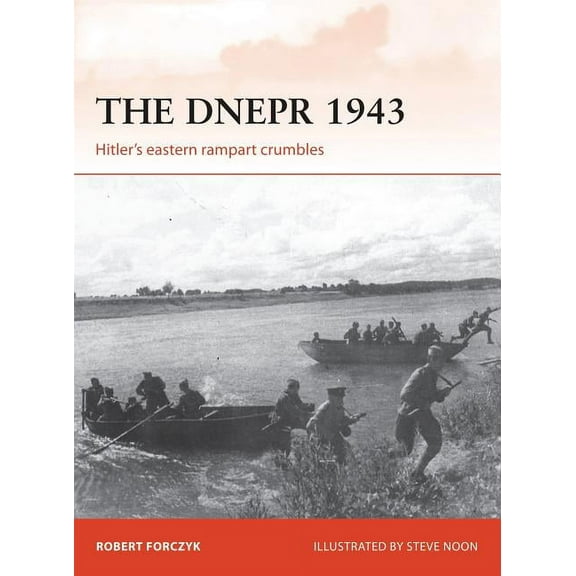
Campaign The Dnepr 1943: Hitler's Eastern Rampart Crumbles, Book 291, (Paperback) $22.56
 $2256current price $22.56
Campaign The Dnepr 1943: Hitler's Eastern Rampart Crumbles, Book 291, (Paperback)
Nostalgia: A History of a Dangerous Emotion, (Paperback) $17.08
 $1708current price $17.08
Nostalgia: A History of a Dangerous Emotion, (Paperback)
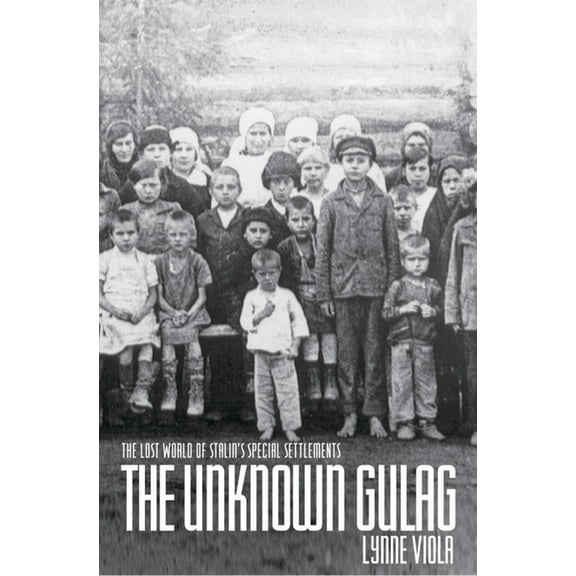
The Unknown Gulag: The Lost World of Stalin's Special Settlements, (Paperback) $22.99
 $2299current price $22.99
The Unknown Gulag: The Lost World of Stalin's Special Settlements, (Paperback)
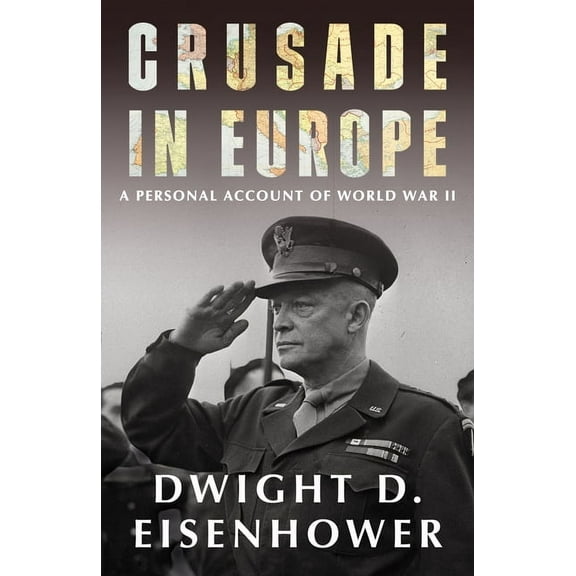
Crusade in Europe: A Personal Account of World War II, (Paperback) $15.07
 $1507current price $15.07
Crusade in Europe: A Personal Account of World War II, (Paperback)
A Flower Traveled in My Blood: The Incredible True Story of the Grandmothers Who Fought to Find a Stolen Generation of C, (Hardcover) $14.83
 $1483current price $14.83
A Flower Traveled in My Blood: The Incredible True Story of the Grandmothers Who Fought to Find a Stolen Generation of C, (Hardcover)
25 out of 5 Stars. 2 reviews
Customer ratings & reviews
0 ratings|0 reviews
This item does not have any reviews yet
