


Hero image 0 of G Za Oberfrank - Christmas Oratorio - Music & Performance - CD, 0 of 1
G Za Oberfrank - Christmas Oratorio - Music & Performance - CD
(No ratings yet)
Key item features
1 - The first part of the oratorio opens with a jubilant D major chorus, accompanied by an orchestra of three trumpets and timpani, pairs of flutes and of oboes, strings and organ continuo. The chorus, Jauchzet, frohlocket (Christians, be joyful) is adapted from a secular cantata for the birthday of the Princess Electress of Saxony and Queen of Poland, Maria Josepha, first performed on 8th December 1733, Tヤnet, ihr Pauken! (Sound, ye drums!). This triumphant introduction is followed by the words of the Evangelist, taken from the second chapter of the Gospel of St. Luke, introducing the Christmas story. These narrative tenor recitatives from the biblical text serve to link arias, meditative recitatives and choral interludes, with words probably chiefly by Picander, author of the texts of a number of Bach cantatas. The Evangelist's words, accompanied by organ continuo and bass instruments only, are followed by a recitative for alto, accompanied by two oboi d'amore, and a da capo aria, Bereite dich, Zion (Prepare thyself, Sion), for alto with violin and oboe d'amore obbligato, a form in which a repeated first section frames a contrasting central section. The aria is adapted from the secular cantata Hercules auf dem Scheidewege (Hercules at the Crossroads), written in 1733 for the eleventh birthday of Prince Friedrich Christian, son of the Elector of Saxony, whose favor Bach was anxious to court in his differences with the Leipzig city authorities, his employers. The succeeding chorale, Wie soll ich dich empfangen (How should I receive Thee), uses Hans-Leo Hassler's Herzlich tut mich verlangen, with woodwind, strings and organ doubling the voices. The Evangelist announces the birth of Christ in a brief recitative, followed by a chorale, Er ist auf Erden kommen arm (He has come to earth in poverty), to the melody of Gelobet seist du, Jesu Christ (Praise to Thee, Jesus Christ), sung by the soprano soloist, accompanied by two oboi d'amore, a hymn to which the bass soloist adds his own recitative comments. The succeeding da capo aria, Grosser Herr, o starker Kヤnig, liebster Heiland (Great Lord, mighty King, beloved Saviour), adapted from the secular cantata Tヤnet, ihr Pauken, is sung by the bass, with an accompanying part for trumpet, as well as flute, strings and continuo. The first part of the oratorio ends with the chorale Ach mein herzliebes Jesulein (Ah my heart's beloved little Jesus), to the well known melody of Vom Himmel hoch da komm ich her (From Heaven above I come here), which appears twice again in the second part. 2 - The G major Sinfonia that opens the second part is a traditional pastorale, in the rhythm of the Siciliana, a shepherd dance that had come to be associated with Christmas. The Sinfonia employs pairs of transverse flutes, oboi d'amore and oboi da caccia, with strings and continuo. The Evangelist tells how shepherds were in the fields, watching their flocks, and his brief narrative leads to the chorale Brich an, o schヤnes Morgenlicht (Break now, o beautiful morning-light). The Evangelist resumes the Gospel narrative, joined by the soprano recitative of the Angel, bidding the shepherds not to fear. A bass recitative adds a meditation on the fulfillment of God's promise to Abraham. An elaborately ornamented E minor tenor aria with flute obbligato, adapted from the cantata Tヤnet, ihr Pauken, urges the shepherds to make haste, after which the Evangelist tells them how to recognize the Holy Child. To the appropriate melody of Vom Himmel hoch, there is a further chorale, Schaut hin, dort liegt i'm finstern Stall, (See, there lies in dark stable) in the lower register of C major, and a meditative bass recitative accompanied by pairs of oboi d'amore and oboi da caccia, with more elaborate continuo bass. A G major da capo alto aria, Schlafe, mein Liebster, (Sleep, my beloved) precedes the Evangelist's resumption of the story, introducing the G major chorus of the heavenly host, Ehre sei Gott in der Hヤhe (Glory to God
Specs
- PerformerG za Oberfrank
- Music genreChristmas Music
- Music release typeRelease
- Media formatCD
- Original release date1994
- EditionStandard
Current price is USD$22.68$52.74/lb
Price when purchased online
Out of stock
How do you want your item?
Out of stock
About this item
Product details
1 - The first part of the oratorio opens with a jubilant D major chorus, accompanied by an orchestra of three trumpets and timpani, pairs of flutes and of oboes, strings and organ continuo. The chorus, Jauchzet, frohlocket (Christians, be joyful) is adapted from a secular cantata for the birthday of the Princess Electress of Saxony and Queen of Poland, Maria Josepha, first performed on 8th December 1733, Tönet, ihr Pauken! (Sound, ye drums!). This triumphant introduction is followed by the words of the Evangelist, taken from the second chapter of the Gospel of St. Luke, introducing the Christmas story. These narrative tenor recitatives from the biblical text serve to link arias, meditative recitatives and choral interludes, with words probably chiefly by Picander, author of the texts of a number of Bach cantatas. The Evangelist's words, accompanied by organ continuo and bass instruments only, are followed by a recitative for alto, accompanied by two oboi d'amore, and a da capo aria, Bereite dich, Zion (Prepare thyself, Sion), for alto with violin and oboe d'amore obbligato, a form in which a repeated first section frames a contrasting central section. The aria is adapted from the secular cantata Hercules auf dem Scheidewege (Hercules at the Crossroads), written in 1733 for the eleventh birthday of Prince Friedrich Christian, son of the Elector of Saxony, whose favor Bach was anxious to court in his differences with the Leipzig city authorities, his employers. The succeeding chorale, Wie soll ich dich empfangen (How should I receive Thee), uses Hans-Leo Hassler's Herzlich tut mich verlangen, with woodwind, strings and organ doubling the voices. The Evangelist announces the birth of Christ in a brief recitative, followed by a chorale, Er ist auf Erden kommen arm (He has come to earth in poverty), to the melody of Gelobet seist du, Jesu Christ (Praise to Thee, Jesus Christ), sung by the soprano soloist, accompanied by two oboi d'amore, a hymn to which the bass soloist adds his own recitative comments. The succeeding da capo aria, Grosser Herr, o starker König, liebster Heiland (Great Lord, mighty King, beloved Saviour), adapted from the secular cantata Tönet, ihr Pauken, is sung by the bass, with an accompanying part for trumpet, as well as flute, strings and continuo. The first part of the oratorio ends with the chorale Ach mein herzliebes Jesulein (Ah my heart's beloved little Jesus), to the well known melody of Vom Himmel hoch da komm ich her (From Heaven above I come here), which appears twice again in the second part. 2 - The G major Sinfonia that opens the second part is a traditional pastorale, in the rhythm of the Siciliana, a shepherd dance that had come to be associated with Christmas. The Sinfonia employs pairs of transverse flutes, oboi d'amore and oboi da caccia, with strings and continuo. The Evangelist tells how shepherds were in the fields, watching their flocks, and his brief narrative leads to the chorale Brich an, o schönes Morgenlicht (Break now, o beautiful morning-light). The Evangelist resumes the Gospel narrative, joined by the soprano recitative of the Angel, bidding the shepherds not to fear. A bass recitative adds a meditation on the fulfillment of God's promise to Abraham. An elaborately ornamented E minor tenor aria with flute obbligato, adapted from the cantata Tönet, ihr Pauken, urges the shepherds to make haste, after which the Evangelist tells them how to recognize the Holy Child. To the appropriate melody of Vom Himmel hoch, there is a further chorale
1 - The first part of the oratorio opens with a jubilant D major chorus, accompanied by an orchestra of three trumpets and timpani, pairs of flutes and of oboes, strings and organ continuo. The chorus, Jauchzet, frohlocket (Christians, be joyful) is adapted from a secular cantata for the birthday of the Princess Electress of Saxony and Queen of Poland, Maria Josepha, first performed on 8th December 1733, Tヤnet, ihr Pauken! (Sound, ye drums!). This triumphant introduction is followed by the words of the Evangelist, taken from the second chapter of the Gospel of St. Luke, introducing the Christmas story. These narrative tenor recitatives from the biblical text serve to link arias, meditative recitatives and choral interludes, with words probably chiefly by Picander, author of the texts of a number of Bach cantatas. The Evangelist's words, accompanied by organ continuo and bass instruments only, are followed by a recitative for alto, accompanied by two oboi d'amore, and a da capo aria, Bereite dich, Zion (Prepare thyself, Sion), for alto with violin and oboe d'amore obbligato, a form in which a repeated first section frames a contrasting central section. The aria is adapted from the secular cantata Hercules auf dem Scheidewege (Hercules at the Crossroads), written in 1733 for the eleventh birthday of Prince Friedrich Christian, son of the Elector of Saxony, whose favor Bach was anxious to court in his differences with the Leipzig city authorities, his employers. The succeeding chorale, Wie soll ich dich empfangen (How should I receive Thee), uses Hans-Leo Hassler's Herzlich tut mich verlangen, with woodwind, strings and organ doubling the voices. The Evangelist announces the birth of Christ in a brief recitative, followed by a chorale, Er ist auf Erden kommen arm (He has come to earth in poverty), to the melody of Gelobet seist du, Jesu Christ (Praise to Thee, Jesus Christ), sung by the soprano soloist, accompanied by two oboi d'amore, a hymn to which the bass soloist adds his own recitative comments. The succeeding da capo aria, Grosser Herr, o starker Kヤnig, liebster Heiland (Great Lord, mighty King, beloved Saviour), adapted from the secular cantata Tヤnet, ihr Pauken, is sung by the bass, with an accompanying part for trumpet, as well as flute, strings and continuo. The first part of the oratorio ends with the chorale Ach mein herzliebes Jesulein (Ah my heart's beloved little Jesus), to the well known melody of Vom Himmel hoch da komm ich her (From Heaven above I come here), which appears twice again in the second part. 2 - The G major Sinfonia that opens the second part is a traditional pastorale, in the rhythm of the Siciliana, a shepherd dance that had come to be associated with Christmas. The Sinfonia employs pairs of transverse flutes, oboi d'amore and oboi da caccia, with strings and continuo. The Evangelist tells how shepherds were in the fields, watching their flocks, and his brief narrative leads to the chorale Brich an, o schヤnes Morgenlicht (Break now, o beautiful morning-light). The Evangelist resumes the Gospel narrative, joined by the soprano recitative of the Angel, bidding the shepherds not to fear. A bass recitative adds a meditation on the fulfillment of God's promise to Abraham. An elaborately ornamented E minor tenor aria with flute obbligato, adapted from the cantata Tヤnet, ihr Pauken, urges the shepherds to make haste, after which the Evangelist tells them how to recognize the Holy Child. To the appropriate melody of Vom Himmel hoch, there is a further chorale, Schaut hin, dort liegt i'm finstern Stall, (See, there lies in dark stable) in the lower register of C major, and a meditative bass recitative accompanied by pairs of oboi d'amore and oboi da caccia, with more elaborate continuo bass. A G major da capo alto aria, Schlafe, mein Liebster, (Sleep, my beloved) precedes the Evangelist's resumption of the story, introducing the G major chorus of the heavenly host, Ehre sei Gott in der Hヤhe (Glory to God
info:
We aim to show you accurate product information. Manufacturers, suppliers and others provide what you see here, and we have not verified it.
Specifications
Performer
G za Oberfrank
Music genre
Christmas Music
Music subgenre
CD - XMAS CLASSICAL INSTRUMENTAL
Music release type
Release
Warnings
State Chemical Disclosure
None
Similar items you might like
Based on what customers bought
The Revels - The Road To Compostela: A Galician Christmas Revels - Music & Performance - CD $18.98 Was $21.58 $82.52/lb
 $1898current price $18.98, Was $21.58$21.58$82.52/lb
The Revels - The Road To Compostela: A Galician Christmas Revels - Music & Performance - CD
Best seller Cece Winans - Believe For It Live - Music & Performance - CD $11.99 $66.61/lb
Best seller $1199current price $11.99$66.61/lb
Cece Winans - Believe For It Live - Music & Performance - CD
1264.8 out of 5 Stars. 126 reviewsWolfgang Helbich - Christmas Oratorio - Music & Performance - CD $14.16 $56.64/lb
 $1416current price $14.16$56.64/lb
Wolfgang Helbich - Christmas Oratorio - Music & Performance - CD
Various Artists - 75 Christmas Favorites (Various Artists) - CD $4.92
 $492current price $4.92
Various Artists - 75 Christmas Favorites (Various Artists) - CD
984.4 out of 5 Stars. 98 reviewsPentatonix - Christmas In The City - Music & Performance - CD $22.63
 $2263current price $22.63
Pentatonix - Christmas In The City - Music & Performance - CD
115 out of 5 Stars. 11 reviewsBoynextdoor Boylife - Taesan Edition (CD) $22.35
 $2235current price $22.35
Boynextdoor Boylife - Taesan Edition (CD)
Celestia Singers - Christmas Tidings - Music & Performance - CD $18.99 $118.69/lb
 $1899current price $18.99$118.69/lb
Celestia Singers - Christmas Tidings - Music & Performance - CD
Weihnachtsoratorium (Christmas Oratorio) $25.35
 $2535current price $25.35
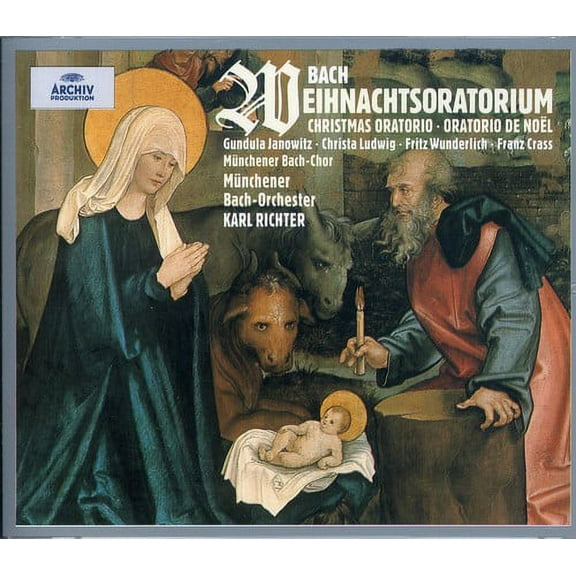
Weihnachtsoratorium (Christmas Oratorio)
Nathan Salsburg - Third - Music & Performance - CD $9.55 $95.50/lb
 $955current price $9.55$95.50/lb
Nathan Salsburg - Third - Music & Performance - CD
Boynextdoor Boylife - Riwoo Edition (CD) $22.35
 $2235current price $22.35
Boynextdoor Boylife - Riwoo Edition (CD)
The Vandals - Oi To The World! Live In Concert - Music & Performance - CD $16.51
 $1651current price $16.51
The Vandals - Oi To The World! Live In Concert - Music & Performance - CD
R&B Christmas (CD) $10.18
 $1018current price $10.18
R&B Christmas (CD)
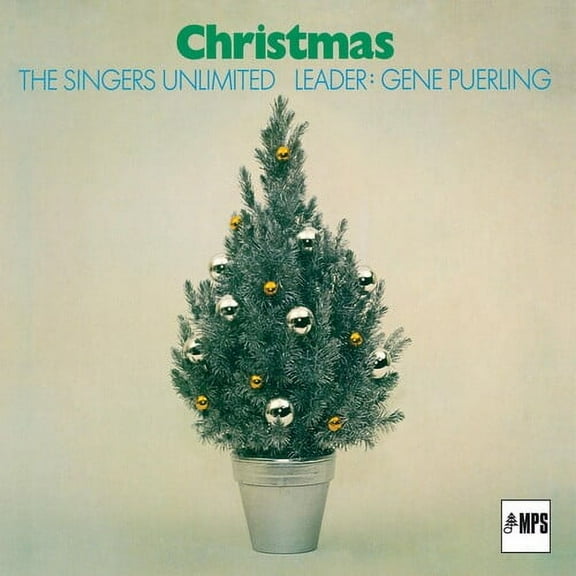
The Singers Unlimited - CHRISTMAS - Music & Performance - CD $20.50
 $2050current price $20.50
The Singers Unlimited - CHRISTMAS - Music & Performance - CD
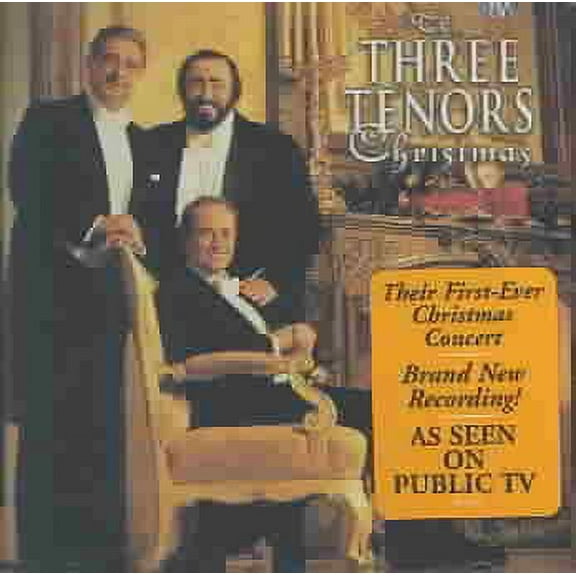
Three Tenors Christmas (CD) $16.68 18.3 ¢/g
 $1668current price $16.6818.3 ¢/g
Three Tenors Christmas (CD)
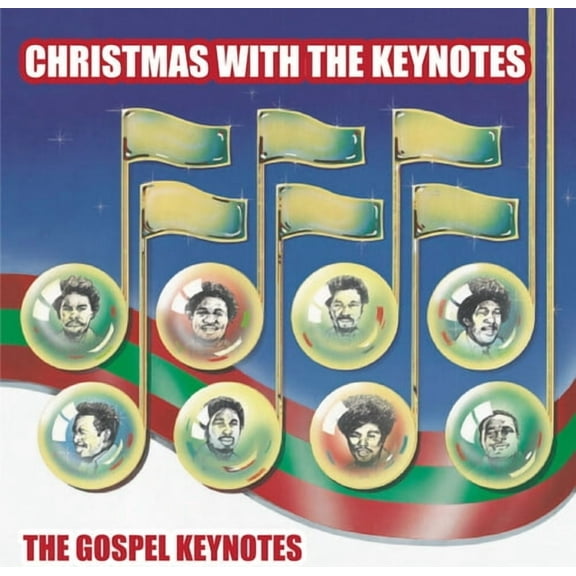
15 out of 5 Stars. 1 reviewsGospel Keynotes - Christmas with The Keynotes - Music & Performance - CD $13.25 $55.21/ea
 $1325current price $13.25$55.21/ea
Gospel Keynotes - Christmas with The Keynotes - Music & Performance - CD
Harry Christophers - Ceremony of Carols - Music & Performance - CD $19.78 $86.00/lb
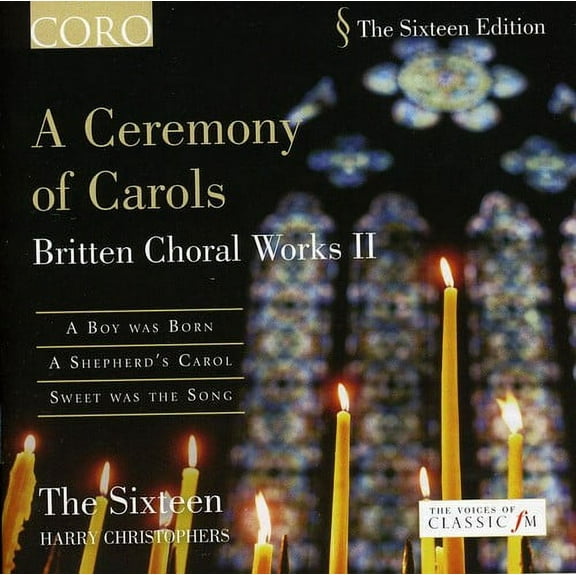 $1978current price $19.78$86.00/lb
Harry Christophers - Ceremony of Carols - Music & Performance - CD
La Rondalla En Navidad $8.55
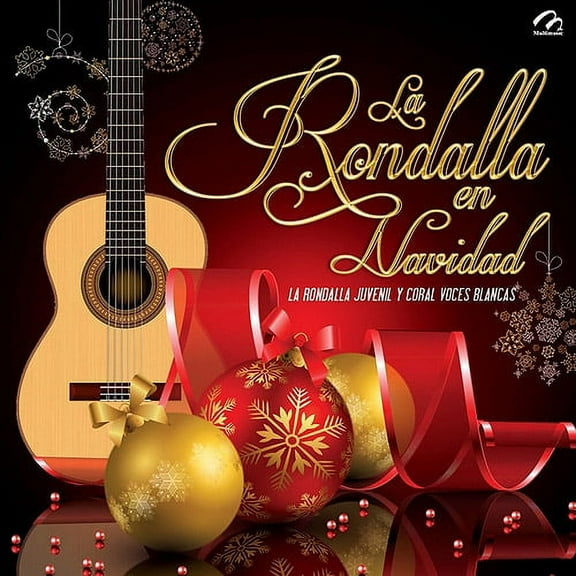 $855current price $8.55
La Rondalla En Navidad
Hans Davidsson - Christmas in Lubeck - Music & Performance - CD $21.96 $87.84/lb
 $2196current price $21.96$87.84/lb
Hans Davidsson - Christmas in Lubeck - Music & Performance - CD
Cherish the Ladies - One & All - Best of - Music & Performance - CD $9.85 $42.83/lb
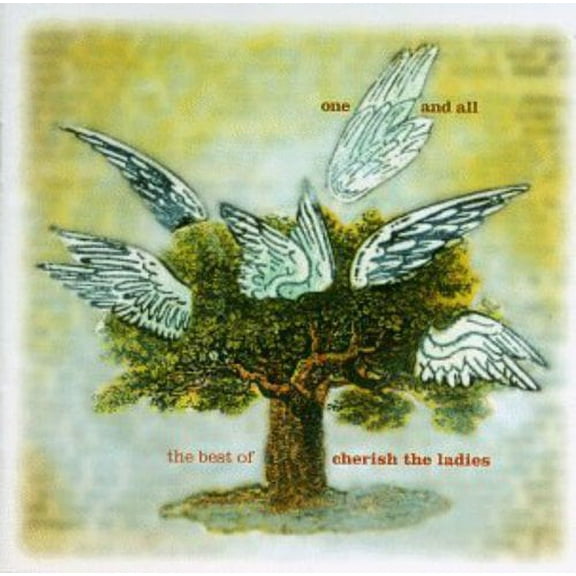 $985current price $9.85$42.83/lb
Cherish the Ladies - One & All - Best of - Music & Performance - CD
Sydnie Christmas - My Way - Music & Performance - CD $17.71 $73.79/ea
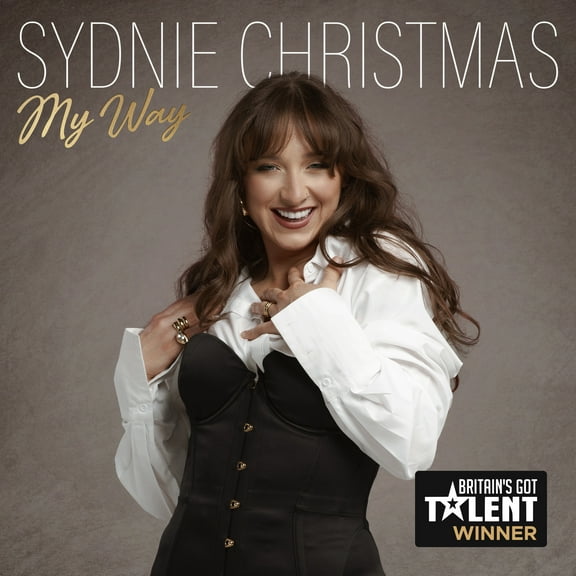 $1771current price $17.71$73.79/ea
Sydnie Christmas - My Way - Music & Performance - CD
204.8 out of 5 Stars. 20 reviews
Customer ratings & reviews
0 ratings|0 reviews
This item does not have any reviews yet
