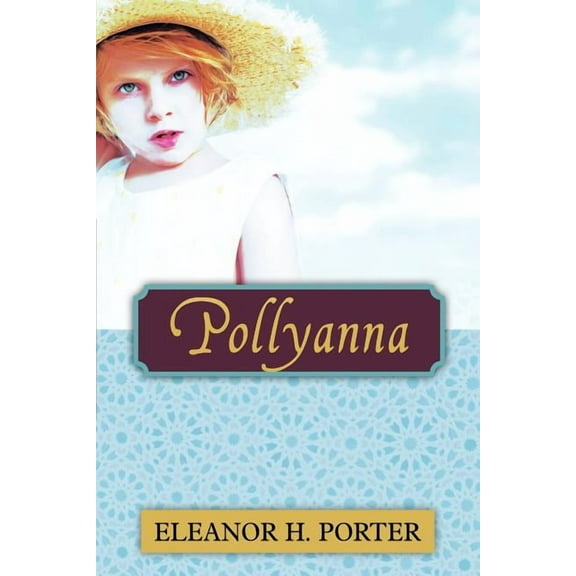
Pollyanna is Eleanor H. Porter's classic children's novel of optimism, orphanhood, family feeling, and the discipline of finding hope in difficult circumstances. When eleven-year-old Pollyanna Whittier is sent to live with her stern Aunt Polly in a small Vermont town, she brings with her a habit taught by her father: the "Glad Game," a way of looking for something to be glad about even in disappointment. What begins as childish resilience gradually unsettles the emotional habits of the adults around her, drawing neighbours, invalids, servants, and relations into a warmer and more generous vision of life.
First published in 1913, Pollyanna became one of the best-known works of American children's literature, giving the English language a lasting word for irrepressible optimism. The novel is sometimes remembered only for cheerfulness, but its endurance rests on something more substantial: grief, loneliness, injury, pride, and emotional reserve are all present, and Porter's story asks whether gladness can be more than denial-whether it can become a chosen moral practice.
For readers of classic children's literature, orphan stories, early twentieth-century American fiction, girls' fiction, and family-centred moral novels, Pollyanna remains a readable and influential work: sentimental, clear, emotionally direct, and built around one of the most memorable child characters in American popular fiction.