

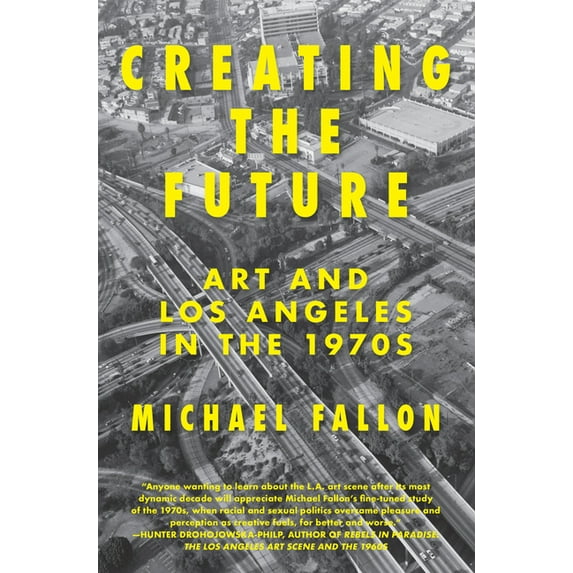
Creating the Future : Art & Los Angeles in the 1970s (Paperback)
(No ratings yet)
Key item features
Conceived as a challenge to long–standing conventional wisdom, Creating the Future is a work of social history/cultural criticism that examines the premise that the progress of art in Los Angeles ceased during the 1970s—after the decline of the Ferus Gallery, the scattering of its stable of artists (Robert Irwin, Ed Kienholz, Ed Moses, Ed Rusha and others), and the economic struggles throughout the decade—and didn't resume until sometime around 1984 when Mark Tansey, Alison Saar, Judy Fiskin, Carrie Mae Weems, David Salle, Manuel Ocampo, among others became stars in an exploding art market. However, this is far from the reality of the L.A. art scene in the 1970s.
The passing of those fashionable 1960s–era icons, in fact, allowed the development of a chaotic array of outlandish and independent voices, marginalized communities, and energetic, sometimes bizarre visions that thrived during the stagnant 1970s. Fallon's narrative describes and celebrates, through twelve thematically arranged chapters, the wide range of intriguing artists and the world—not just the objects—they created. He reveals the deeper, more culturally dynamic truth about a significant moment in American art history, presenting an alternative story of stubborn creativity in the face of widespread ignorance and misapprehension among the art cognoscenti, who dismissed the 1970s in Los Angeles as a time of dissipation and decline.
Coming into being right before their eyes was an ardent local feminist art movement, which had lasting influence on the direction of art across the nation; an emerging Chicano Art movement, spreading Chicano murals across Los Angeles and to other major cities; a new and more modern vision for the role and look of public art; a slow consolidation of local street sensibilities, car fetishism, gang and punk aesthetics into the earliest version of what would later become the "Lowbrow" art movement; the subversive co–opting, in full view of Pop Art, of the values, aesthetics, and imagery of Tinseltown by a number of young and innovative local artists who would go on to greater national renown; and a number of independent voices who, lacking the support structures of an art movement or artist cohort, pursued their brilliant artistic visions in near–isolation.
Despite the lack of attention, these artists would later reemerge as visionary signposts to many later trends in art. Their work would prove more interesting, more lastingly influential, and vastly more important than ever imagined or expected by those who saw it or even by those who created it in 1970's Los Angeles. Creating the Future is a visionary work that seeks to recapture this important decade and its influence on today's generation of artists.
The passing of those fashionable 1960s–era icons, in fact, allowed the development of a chaotic array of outlandish and independent voices, marginalized communities, and energetic, sometimes bizarre visions that thrived during the stagnant 1970s. Fallon's narrative describes and celebrates, through twelve thematically arranged chapters, the wide range of intriguing artists and the world—not just the objects—they created. He reveals the deeper, more culturally dynamic truth about a significant moment in American art history, presenting an alternative story of stubborn creativity in the face of widespread ignorance and misapprehension among the art cognoscenti, who dismissed the 1970s in Los Angeles as a time of dissipation and decline.
Coming into being right before their eyes was an ardent local feminist art movement, which had lasting influence on the direction of art across the nation; an emerging Chicano Art movement, spreading Chicano murals across Los Angeles and to other major cities; a new and more modern vision for the role and look of public art; a slow consolidation of local street sensibilities, car fetishism, gang and punk aesthetics into the earliest version of what would later become the "Lowbrow" art movement; the subversive co–opting, in full view of Pop Art, of the values, aesthetics, and imagery of Tinseltown by a number of young and innovative local artists who would go on to greater national renown; and a number of independent voices who, lacking the support structures of an art movement or artist cohort, pursued their brilliant artistic visions in near–isolation.
Despite the lack of attention, these artists would later reemerge as visionary signposts to many later trends in art. Their work would prove more interesting, more lastingly influential, and vastly more important than ever imagined or expected by those who saw it or even by those who created it in 1970's Los Angeles. Creating the Future is a visionary work that seeks to recapture this important decade and its influence on today's generation of artists.
Specs
- Book formatPaperback
- Fiction/nonfictionNon-Fiction
- Pub date2016-01-01
- Pages424
- Number in series1
- EditionReprint
Current price is USD$18.47
Price when purchased online
- Free shipping
 Free 30-day returns
How do you want your item?
Columbus, 43215
Arrives between Apr 11 - Apr 15
|
Sold and shipped by Alibris Books
4.564402148308678 stars out of 5, based on 10613 seller reviews(4.6)10613 seller reviews

Free 30-day returns
More seller options (2)
Starting from $18.68
About this item
Product details
Conceived as a challenge to long-standing conventional wisdom, Creating the Future is a work of social history/cultural criticism that examines the premise that the progress of art in Los Angeles ceased during the 1970s--after the decline of the Ferus Gallery, the scattering of its stable of artists (Robert Irwin, Ed Kienholz, Ed Moses, Ed Rusha and others), and the economic struggles throughout the decade--and didn't resume until sometime around 1984 when Mark Tansey, Alison Saar, Judy Fiskin, Carrie Mae Weems, David Salle, Manuel Ocampo, among others became stars in an exploding art market. However, this is far from the reality of the L.A. art scene in the 1970s.
The passing of those fashionable 1960s-era icons, in fact, allowed the development of a chaotic array of outlandish and independent voices, marginalized communities, and energetic, sometimes bizarre visions that thrived during the stagnant 1970s. Fallon's narrative describes and celebrates, through twelve thematically arranged chapters, the wide range of intriguing artists and the world--not just the objects--they created. He reveals the deeper, more culturally dynamic truth about a significant moment in American art history, presenting an alternative story of stubborn creativity in the face of widespread ignorance and misapprehension among the art cognoscenti, who dismissed the 1970s in Los Angeles as a time of dissipation and decline.
Coming into being right before their eyes was an ardent local feminist art movement, which had lasting influence on the direction of art across the nation; an emerging Chicano Art movement, spreading Chicano murals across Los Angeles and to other major cities; a new and more modern vision for the role and look of public art; a slow consolidation of local street sensibilities, car fetishism, gang and punk aesthetics into the earliest version of what would later become the "Lowbrow" art movement; the subversive co-opting, in full view of Pop Art, of the values, aesthetics, and imagery of Tinseltown by a number of young and innovative local artists who would go on to greater national renown; and a number of independent voices who, lacking the support structures of an art movement or artist cohort, pursued their brilliant artistic visions in near-isolation.
Despite the lack of attention, these artists would later reemerge as visionary signposts to many later trends in art. Their work would prove more interesting, more lastingly influential, and vastly more important than ever imagined or expected by those who saw it or even by those who created it in 1970's Los Angeles. Creating the Future is a visionary work that seeks to recapture this important decade and its influence on today's generation of artists.
The passing of those fashionable 1960s-era icons, in fact, allowed the development of a chaotic array of outlandish and independent voices, marginalized communities, and energetic, sometimes bizarre visions that thrived during the stagnant 1970s. Fallon's narrative describes and celebrates, through twelve thematically arranged chapters, the wide range of intriguing artists and the world--not just the objects--they created. He reveals the deeper, more culturally dynamic truth about a significant moment in American art history, presenting an alternative story of stubborn creativity in the face of widespread ignorance and misapprehension among the art cognoscenti, who dismissed the 1970s in Los Angeles as a time of dissipation and decline.
Coming into being right before their eyes was an ardent local feminist art movement, which had lasting influence on the direction of art across the nation; an emerging Chicano Art movement, spreading Chicano murals across Los Angeles and to other major cities; a new and more modern vision for the role and look of public art; a slow consolidation of local street sensibilities, car fetishism, gang and punk aesthetics into the earliest version of what would later become the "Lowbrow" art movement; the subversive co-opting, in full view of Pop Art, of the values, aesthetics, and imagery of Tinseltown by a number of young and innovative local artists who would go on to greater national renown; and a number of independent voices who, lacking the support structures of an art movement or artist cohort, pursued their brilliant artistic visions in near-isolation.
Despite the lack of attention, these artists would later reemerge as visionary signposts to many later trends in art. Their work would prove more interesting, more lastingly influential, and vastly more important than ever imagined or expected by those who saw it or even by those who created it in 1970's Los Angeles. Creating the Future is a visionary work that seeks to recapture this important decade and its influence on today's generation of artists.
Conceived as a challenge to long–standing conventional wisdom, Creating the Future is a work of social history/cultural criticism that examines the premise that the progress of art in Los Angeles ceased during the 1970s—after the decline of the Ferus Gallery, the scattering of its stable of artists (Robert Irwin, Ed Kienholz, Ed Moses, Ed Rusha and others), and the economic struggles throughout the decade—and didn't resume until sometime around 1984 when Mark Tansey, Alison Saar, Judy Fiskin, Carrie Mae Weems, David Salle, Manuel Ocampo, among others became stars in an exploding art market. However, this is far from the reality of the L.A. art scene in the 1970s.
The passing of those fashionable 1960s–era icons, in fact, allowed the development of a chaotic array of outlandish and independent voices, marginalized communities, and energetic, sometimes bizarre visions that thrived during the stagnant 1970s. Fallon's narrative describes and celebrates, through twelve thematically arranged chapters, the wide range of intriguing artists and the world—not just the objects—they created. He reveals the deeper, more culturally dynamic truth about a significant moment in American art history, presenting an alternative story of stubborn creativity in the face of widespread ignorance and misapprehension among the art cognoscenti, who dismissed the 1970s in Los Angeles as a time of dissipation and decline.
Coming into being right before their eyes was an ardent local feminist art movement, which had lasting influence on the direction of art across the nation; an emerging Chicano Art movement, spreading Chicano murals across Los Angeles and to other major cities; a new and more modern vision for the role and look of public art; a slow consolidation of local street sensibilities, car fetishism, gang and punk aesthetics into the earliest version of what would later become the "Lowbrow" art movement; the subversive co–opting, in full view of Pop Art, of the values, aesthetics, and imagery of Tinseltown by a number of young and innovative local artists who would go on to greater national renown; and a number of independent voices who, lacking the support structures of an art movement or artist cohort, pursued their brilliant artistic visions in near–isolation.
Despite the lack of attention, these artists would later reemerge as visionary signposts to many later trends in art. Their work would prove more interesting, more lastingly influential, and vastly more important than ever imagined or expected by those who saw it or even by those who created it in 1970's Los Angeles. Creating the Future is a visionary work that seeks to recapture this important decade and its influence on today's generation of artists.
The passing of those fashionable 1960s–era icons, in fact, allowed the development of a chaotic array of outlandish and independent voices, marginalized communities, and energetic, sometimes bizarre visions that thrived during the stagnant 1970s. Fallon's narrative describes and celebrates, through twelve thematically arranged chapters, the wide range of intriguing artists and the world—not just the objects—they created. He reveals the deeper, more culturally dynamic truth about a significant moment in American art history, presenting an alternative story of stubborn creativity in the face of widespread ignorance and misapprehension among the art cognoscenti, who dismissed the 1970s in Los Angeles as a time of dissipation and decline.
Coming into being right before their eyes was an ardent local feminist art movement, which had lasting influence on the direction of art across the nation; an emerging Chicano Art movement, spreading Chicano murals across Los Angeles and to other major cities; a new and more modern vision for the role and look of public art; a slow consolidation of local street sensibilities, car fetishism, gang and punk aesthetics into the earliest version of what would later become the "Lowbrow" art movement; the subversive co–opting, in full view of Pop Art, of the values, aesthetics, and imagery of Tinseltown by a number of young and innovative local artists who would go on to greater national renown; and a number of independent voices who, lacking the support structures of an art movement or artist cohort, pursued their brilliant artistic visions in near–isolation.
Despite the lack of attention, these artists would later reemerge as visionary signposts to many later trends in art. Their work would prove more interesting, more lastingly influential, and vastly more important than ever imagined or expected by those who saw it or even by those who created it in 1970's Los Angeles. Creating the Future is a visionary work that seeks to recapture this important decade and its influence on today's generation of artists.
info:
We aim to show you accurate product information. Manufacturers, suppliers and others provide what you see here, and we have not verified it.
Specifications
Book format
Paperback
Fiction/nonfiction
Non-Fiction
Genre
Art, Music, and Photography
Pub date
2016-01-01
Warranty
Warranty information
Please be aware that the warranty terms on items offered for sale by third party Marketplace sellers may differ from those displayed in this section (if any). To confirm warranty terms on an item offered for sale by a third party Marketplace seller, please use the 'Contact seller' feature on the third party Marketplace seller's information page and request the item's warranty terms prior to purchase.
Similar items you might like
Based on what customers bought
Best seller The Tenant (Paperback) $7.78
Best seller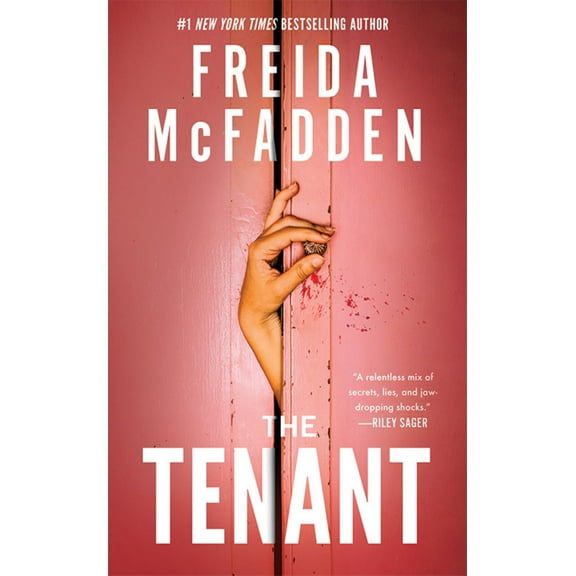 $778current price $7.78
The Tenant (Paperback)
744.6 out of 5 Stars. 74 reviewsBest seller The Intruder (Hardcover) $13.99
Best seller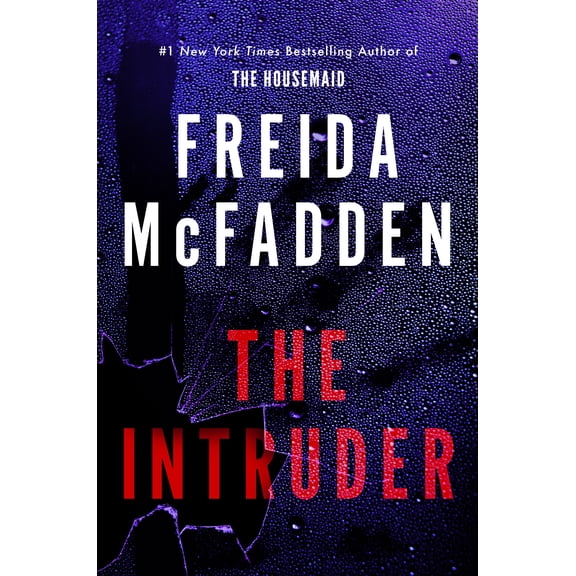 $1399current price $13.99
The Intruder (Hardcover)
714.6 out of 5 Stars. 71 reviewsBest seller The Coworker (Paperback) $9.46
Best seller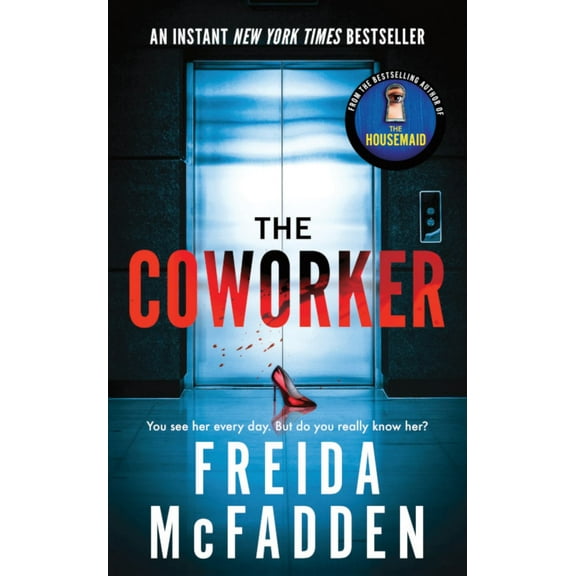 $946current price $9.46
The Coworker (Paperback)
3254.8 out of 5 Stars. 325 reviewsFame: Chappell Roan, (Paperback) $15.26
 $1526current price $15.26
Fame: Chappell Roan, (Paperback)
Best seller Gilmore Girls: the Official Coloring Book, 96 pages (Paperback) $12.78
Best seller $1278current price $12.78
Gilmore Girls: the Official Coloring Book, 96 pages (Paperback)
474.8 out of 5 Stars. 47 reviewsBest seller The Surrogate Mother (Paperback) $8.35
Best seller $835current price $8.35
The Surrogate Mother (Paperback)
894.7 out of 5 Stars. 89 reviewsBest seller Never Lie (Paperback) $9.53
Best seller $953current price $9.53
Never Lie (Paperback)
2484.8 out of 5 Stars. 248 reviewsBest seller Ward D (Paperback) $10.10
Best seller $1010current price $10.10
Ward D (Paperback)
624.6 out of 5 Stars. 62 reviewsBest seller One by One (Paperback) $8.71 Was $10.04
Best seller $871current price $8.71, Was $10.04$10.04
One by One (Paperback)
1534.7 out of 5 Stars. 153 reviewsBest seller The Teacher (Paperback) $9.53
Best seller $953current price $9.53
The Teacher (Paperback)
1994.8 out of 5 Stars. 199 reviewsBest seller The Boyfriend (Paperback) $9.99
Best seller $999current price $9.99
The Boyfriend (Paperback)
1384.7 out of 5 Stars. 138 reviewsBest seller Do Not Disturb (Paperback) $9.58
Best seller $958current price $9.58
Do Not Disturb (Paperback)
494.7 out of 5 Stars. 49 reviewsFame: Michael J. Fox, (Paperback) $15.98
 $1598current price $15.98
Fame: Michael J. Fox, (Paperback)
Best seller It Starts with Us: A Novel (Paperback) $9.00
Best seller 2 optionsAvailable in additional 2 options$900current price $9.00
It Starts with Us: A Novel (Paperback)
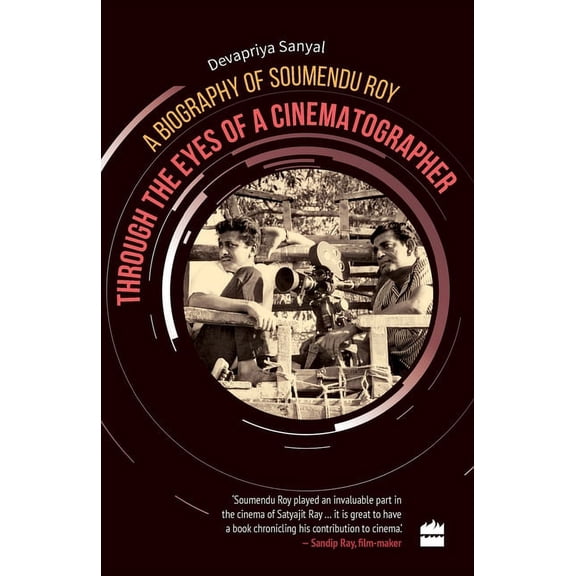
3484.7 out of 5 Stars. 348 reviewsThrough the Eyes of a Cinematographer: A Biography of Soumendu Roy, (Paperback) $14.40
 $1440current price $14.40
Through the Eyes of a Cinematographer: A Biography of Soumendu Roy, (Paperback)
Best seller Kingdom of Ash (Paperback) $12.70
Best seller $1270current price $12.70
Kingdom of Ash (Paperback)
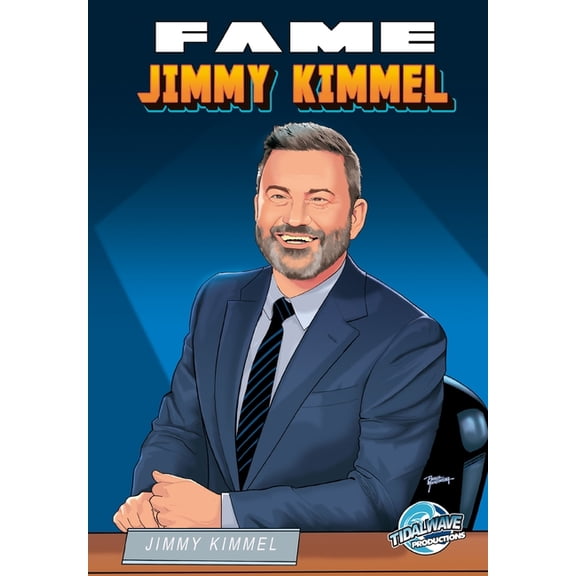
984.9 out of 5 Stars. 98 reviewsFame: Jimmy Kimmel, (Paperback) $8.99
 $899current price $8.99
Fame: Jimmy Kimmel, (Paperback)
Best seller Gachiakuta 2 (Paperback) $10.38
Best seller $1038current price $10.38
Gachiakuta 2 (Paperback)
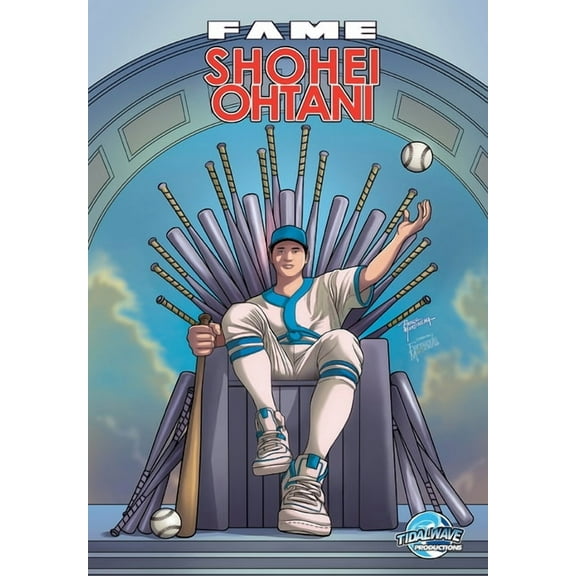
194.9 out of 5 Stars. 19 reviewsFame: Shohei Ohtani, (Paperback) $8.99
 $899current price $8.99
Fame: Shohei Ohtani, (Paperback)
Customer ratings & reviews
0 ratings|0 reviews
This item does not have any reviews yet

Related pages
- The Art Institute Of Chicago
- Georgia Artist
- Attractions Toronto
- Montreal Attractions
- Vintage Uk
- Virginia Museum Of Fine Arts
- Russian & Former Soviet Union Art Books
- Amusement & Theme Parks Travel Books, Maps & Guides
- France Travel Books
- Caribbean & Latin American Art Books
- Advertising Graphic Art Books
- Pictorials Travel Books, Maps & Guides