


Japanese Scrolls : Their History, Art, and Craft (Hardcover)
(No ratings yet)
Key item features
• A look at the unique and beautiful craftsmanship of Japanese hanging scrolls from their Buddhist origin to its role in modern Japanese art
This is the first work to explore fully the history, art, and craft of the Japanese hanging scroll, or kakejiku, from its ancient Indian, Tibetan, and Chinese origins, through its introduction to Japan as early as the sixth century AD, to its role in the modern Japanese art world. It is proof of the scroll's timeless qualities that it remains a fixture in traditional Japanese rooms, and continues to inform the design of modern interiors.
Part 1 traces the scroll's fascinating journey from an obscure religious artifact to a popular work of art, covering: the origins of the handscroll as a vehicle for Buddhist texts during the Nara period (710 784); the popularity of the vibrant picture scrolls of the opulent Heian period (794 1185); the rise of Zen-inspired hanging scrolls during the Kamakura period (1185 1333); their rich diversification during the Muromachi and Momoyama periods (1336 1600); and their incorporation into the "alcove," or tokonoma of Edo period (1600 1867) households.
Part 2 is dedicated to the scroll's artistic features: the structure of both hanging and handheld scrolls; their complex array of classes and subclasses, formats, and dimensions; their exquisite and often costly materials; traditional handling and display; and methods of storage and preservation.
Part 3 describes the age-old process by which scrolls are still made by Japanese craftsmen, including: material selection (tori-awase); backing textile and paper sections urauchi); careful assembly into the complete scroll (tsuke-mawashi); use of the drying board (kari-bari); and the finishing stage of mounting (shiage).
This comprehensive work will be of interest to all connoisseurs and collectors of East Asian scroll art as well as craftspeople engaged in the mounting and presentation of text and images.
William de Lange studied Japanese language and culture at the universities of Leiden and Waseda, and has translated and written extensively on Japanese cultural topics. De Lange spent half a year as an apprentice to scroll maker Teruo Takayanagi, and returned to Japan over the years to continue his scroll research. Teruo Takayanagi, a master scroll maker from Mobara, Chiba prefecture, learned his craft through an apprenticeship under his father, Tetsunosuke Takayanagi. The younger Takayanagi went on to receive numerous honors, including the 1986 Chiba Prefectural Governor's Award and served as chairman of the Chiba Picture Scroll Makers Association from 2000 until his death in 2012.
This is the first work to explore fully the history, art, and craft of the Japanese hanging scroll, or kakejiku, from its ancient Indian, Tibetan, and Chinese origins, through its introduction to Japan as early as the sixth century AD, to its role in the modern Japanese art world. It is proof of the scroll's timeless qualities that it remains a fixture in traditional Japanese rooms, and continues to inform the design of modern interiors.
Part 1 traces the scroll's fascinating journey from an obscure religious artifact to a popular work of art, covering: the origins of the handscroll as a vehicle for Buddhist texts during the Nara period (710 784); the popularity of the vibrant picture scrolls of the opulent Heian period (794 1185); the rise of Zen-inspired hanging scrolls during the Kamakura period (1185 1333); their rich diversification during the Muromachi and Momoyama periods (1336 1600); and their incorporation into the "alcove," or tokonoma of Edo period (1600 1867) households.
Part 2 is dedicated to the scroll's artistic features: the structure of both hanging and handheld scrolls; their complex array of classes and subclasses, formats, and dimensions; their exquisite and often costly materials; traditional handling and display; and methods of storage and preservation.
Part 3 describes the age-old process by which scrolls are still made by Japanese craftsmen, including: material selection (tori-awase); backing textile and paper sections urauchi); careful assembly into the complete scroll (tsuke-mawashi); use of the drying board (kari-bari); and the finishing stage of mounting (shiage).
This comprehensive work will be of interest to all connoisseurs and collectors of East Asian scroll art as well as craftspeople engaged in the mounting and presentation of text and images.
William de Lange studied Japanese language and culture at the universities of Leiden and Waseda, and has translated and written extensively on Japanese cultural topics. De Lange spent half a year as an apprentice to scroll maker Teruo Takayanagi, and returned to Japan over the years to continue his scroll research. Teruo Takayanagi, a master scroll maker from Mobara, Chiba prefecture, learned his craft through an apprenticeship under his father, Tetsunosuke Takayanagi. The younger Takayanagi went on to receive numerous honors, including the 1986 Chiba Prefectural Governor's Award and served as chairman of the Chiba Picture Scroll Makers Association from 2000 until his death in 2012.
Specs
- Book formatHardcover
- Fiction/nonfictionNon-Fiction
- Pub date5/15/2021
- Pages256
- Reading levelPreschool
- EditionStandard Edition
Current price is USD$59.97
Price when purchased online
- Free shipping
 Free 30-day returns
How do you want your item?
Columbus, 43215
Arrives between Apr 21 - Apr 27
|
Sold and shipped by newbookdeals
4.559768299104792 stars out of 5, based on 1899 seller reviews(4.6)1899 seller reviews

Free 30-day returns
About this item
Product details
- A look at the unique and beautiful craftsmanship of Japanese hanging scrolls from their Buddhist origin to its role in modern Japanese art This is the first work to explore fully the history, art, and craft of the Japanese hanging scroll, or kakejiku, from its ancient Indian, Tibetan, and Chinese origins, through its introduction to Japan as early as the sixth century AD, to its role in the modern Japanese art world. It is proof of the scroll's timeless qualities that it remains a fixture in traditional Japanese rooms, and continues to inform the design of modern interiors. Part 1 traces the scroll's fascinating journey from an obscure religious artifact to a popular work of art, covering: the origins of the handscroll as a vehicle for Buddhist texts during the Nara period (710 784); the popularity of the vibrant picture scrolls of the opulent Heian period (794 1185); the rise of Zen-inspired hanging scrolls during the Kamakura period (1185 1333); their rich diversification during the Muromachi and Momoyama periods (1336 1600); and their incorporation into the "alcove," or tokonoma of Edo period (1600 1867) households. Part 2 is dedicated to the scroll's artistic features: the structure of both hanging and handheld scrolls; their complex array of classes and subclasses, formats, and dimensions; their exquisite and often costly materials; traditional handling and display; and methods of storage and preservation. Part 3 describes the age-old process by which scrolls are still made by Japanese craftsmen, including: material selection (tori-awase); backing textile and paper sections urauchi); careful assembly into the complete scroll (tsuke-mawashi); use of the drying board (kari-bari); and the finishing stage of mounting (shiage). This comprehensive work will be of interest to all connoisseurs and collectors of East Asian scroll art as well as craftspeople engaged in the mounting and presentation of text and images. William de Lange studied Japanese language and culture at the universities of Leiden and Waseda, and has translated and written extensively on Japanese cultural topics. De Lange spent half a year as an apprentice to scroll maker Teruo Takayanagi, and returned to Japan over the years to continue his scroll research. Teruo Takayanagi, a master scroll maker from Mobara, Chiba prefecture, learned his craft through an apprenticeship under his father, Tetsunosuke Takayanagi. The younger Takayanagi went on to receive numerous honors, including the 1986 Chiba Prefectural Governor's Award and served as chairman of the Chiba Picture Scroll Makers Association from 2000 until his death in 2012.
• A look at the unique and beautiful craftsmanship of Japanese hanging scrolls from their Buddhist origin to its role in modern Japanese art
This is the first work to explore fully the history, art, and craft of the Japanese hanging scroll, or kakejiku, from its ancient Indian, Tibetan, and Chinese origins, through its introduction to Japan as early as the sixth century AD, to its role in the modern Japanese art world. It is proof of the scroll's timeless qualities that it remains a fixture in traditional Japanese rooms, and continues to inform the design of modern interiors.
Part 1 traces the scroll's fascinating journey from an obscure religious artifact to a popular work of art, covering: the origins of the handscroll as a vehicle for Buddhist texts during the Nara period (710 784); the popularity of the vibrant picture scrolls of the opulent Heian period (794 1185); the rise of Zen-inspired hanging scrolls during the Kamakura period (1185 1333); their rich diversification during the Muromachi and Momoyama periods (1336 1600); and their incorporation into the "alcove," or tokonoma of Edo period (1600 1867) households.
Part 2 is dedicated to the scroll's artistic features: the structure of both hanging and handheld scrolls; their complex array of classes and subclasses, formats, and dimensions; their exquisite and often costly materials; traditional handling and display; and methods of storage and preservation.
Part 3 describes the age-old process by which scrolls are still made by Japanese craftsmen, including: material selection (tori-awase); backing textile and paper sections urauchi); careful assembly into the complete scroll (tsuke-mawashi); use of the drying board (kari-bari); and the finishing stage of mounting (shiage).
This comprehensive work will be of interest to all connoisseurs and collectors of East Asian scroll art as well as craftspeople engaged in the mounting and presentation of text and images.
William de Lange studied Japanese language and culture at the universities of Leiden and Waseda, and has translated and written extensively on Japanese cultural topics. De Lange spent half a year as an apprentice to scroll maker Teruo Takayanagi, and returned to Japan over the years to continue his scroll research. Teruo Takayanagi, a master scroll maker from Mobara, Chiba prefecture, learned his craft through an apprenticeship under his father, Tetsunosuke Takayanagi. The younger Takayanagi went on to receive numerous honors, including the 1986 Chiba Prefectural Governor's Award and served as chairman of the Chiba Picture Scroll Makers Association from 2000 until his death in 2012.
This is the first work to explore fully the history, art, and craft of the Japanese hanging scroll, or kakejiku, from its ancient Indian, Tibetan, and Chinese origins, through its introduction to Japan as early as the sixth century AD, to its role in the modern Japanese art world. It is proof of the scroll's timeless qualities that it remains a fixture in traditional Japanese rooms, and continues to inform the design of modern interiors.
Part 1 traces the scroll's fascinating journey from an obscure religious artifact to a popular work of art, covering: the origins of the handscroll as a vehicle for Buddhist texts during the Nara period (710 784); the popularity of the vibrant picture scrolls of the opulent Heian period (794 1185); the rise of Zen-inspired hanging scrolls during the Kamakura period (1185 1333); their rich diversification during the Muromachi and Momoyama periods (1336 1600); and their incorporation into the "alcove," or tokonoma of Edo period (1600 1867) households.
Part 2 is dedicated to the scroll's artistic features: the structure of both hanging and handheld scrolls; their complex array of classes and subclasses, formats, and dimensions; their exquisite and often costly materials; traditional handling and display; and methods of storage and preservation.
Part 3 describes the age-old process by which scrolls are still made by Japanese craftsmen, including: material selection (tori-awase); backing textile and paper sections urauchi); careful assembly into the complete scroll (tsuke-mawashi); use of the drying board (kari-bari); and the finishing stage of mounting (shiage).
This comprehensive work will be of interest to all connoisseurs and collectors of East Asian scroll art as well as craftspeople engaged in the mounting and presentation of text and images.
William de Lange studied Japanese language and culture at the universities of Leiden and Waseda, and has translated and written extensively on Japanese cultural topics. De Lange spent half a year as an apprentice to scroll maker Teruo Takayanagi, and returned to Japan over the years to continue his scroll research. Teruo Takayanagi, a master scroll maker from Mobara, Chiba prefecture, learned his craft through an apprenticeship under his father, Tetsunosuke Takayanagi. The younger Takayanagi went on to receive numerous honors, including the 1986 Chiba Prefectural Governor's Award and served as chairman of the Chiba Picture Scroll Makers Association from 2000 until his death in 2012.
info:
We aim to show you accurate product information. Manufacturers, suppliers and others provide what you see here, and we have not verified it.
Specifications
Book format
Hardcover
Fiction/nonfiction
Non-Fiction
Genre
Art, Music, and Photography
Pub date
5/15/2021
Warranty
Warranty information
Please be aware that the warranty terms on items offered for sale by third party Marketplace sellers may differ from those displayed in this section (if any). To confirm warranty terms on an item offered for sale by a third party Marketplace seller, please use the 'Contact seller' feature on the third party Marketplace seller's information page and request the item's warranty terms prior to purchase.
Similar items you might like
Based on what customers bought
The Art of Rumiko Takahashi: Colors 1978-2024 (Hardcover) $37.43
 $3743current price $37.43
The Art of Rumiko Takahashi: Colors 1978-2024 (Hardcover)
15 out of 5 Stars. 1 reviewsThe Champaigns and History (Hardcover) $59.31
 $5931current price $59.31
The Champaigns and History (Hardcover)
The Landscape Painting of China and Japan, (Hardcover) $33.89
 $3389current price $33.89
The Landscape Painting of China and Japan, (Hardcover)
The Four Seasons: Great Works of Japanese Woodblock Printing, (Hardcover) $30.89
 $3089current price $30.89
The Four Seasons: Great Works of Japanese Woodblock Printing, (Hardcover)
Ueda Akinari shu (Hardcover) $44.95
 $4495current price $44.95
Ueda Akinari shu (Hardcover)
A History of Music in Pictures, (Hardcover) $36.95
 $3695current price $36.95
A History of Music in Pictures, (Hardcover)
Pre-Owned When My Name Was Keoko (Hardcover) 0618133356 9780618133352 $11.99
 $1199current price $11.99
Pre-Owned When My Name Was Keoko (Hardcover) 0618133356 9780618133352
944.1 out of 5 Stars. 94 reviewsTemple Newsam: Its History And Antiquities (Hardcover) $30.10
 $3010current price $30.10
Temple Newsam: Its History And Antiquities (Hardcover)
A Short History of the Soke of Spaldwick (Hardcover) $26.95
 $2695current price $26.95
A Short History of the Soke of Spaldwick (Hardcover)
History of Architectural Styles .. (Hardcover) $26.95
 $2695current price $26.95
History of Architectural Styles .. (Hardcover)
William Rimmer: Champion of Imagination in American Art, (Hardcover) $62.27
 $6227current price $62.27
William Rimmer: Champion of Imagination in American Art, (Hardcover)
Duet: An Artful History of Music, (Hardcover) $35.09
 $3509current price $35.09
Duet: An Artful History of Music, (Hardcover)
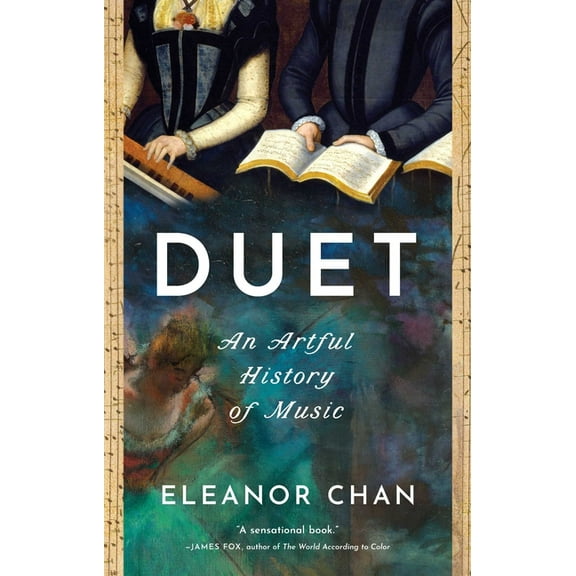
Duet: An Artful History of Music, (Hardcover) $24.48
 $2448current price $24.48
Duet: An Artful History of Music, (Hardcover)
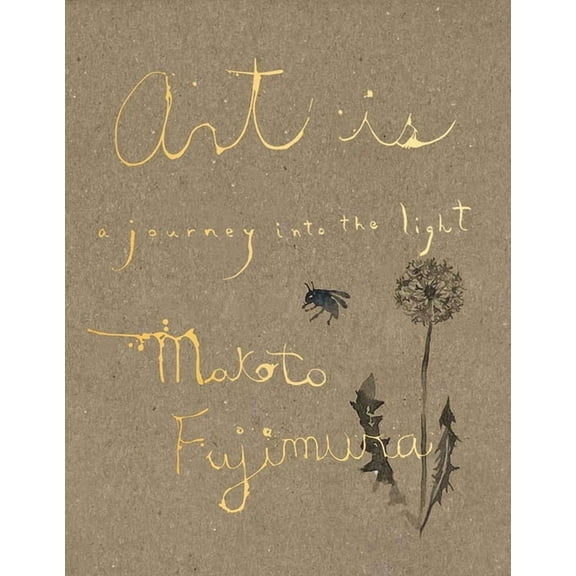
Art Is: A Journey Into the Light, (Hardcover) $23.83
 $2383current price $23.83
Art Is: A Journey Into the Light, (Hardcover)
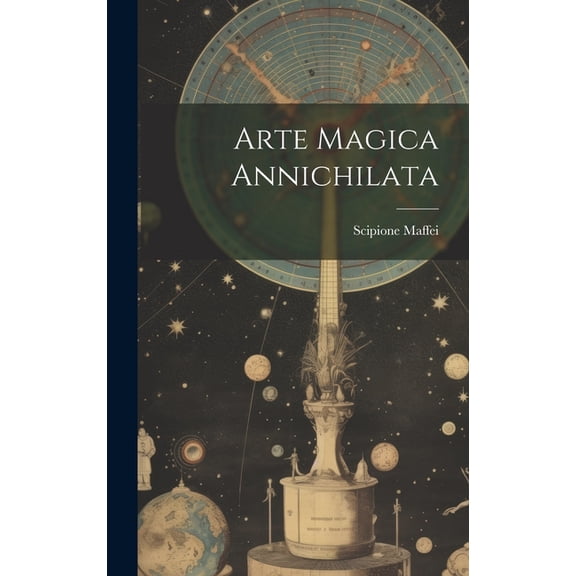
Arte Magica Annichilata, (Hardcover) $34.95
 $3495current price $34.95
Arte Magica Annichilata, (Hardcover)
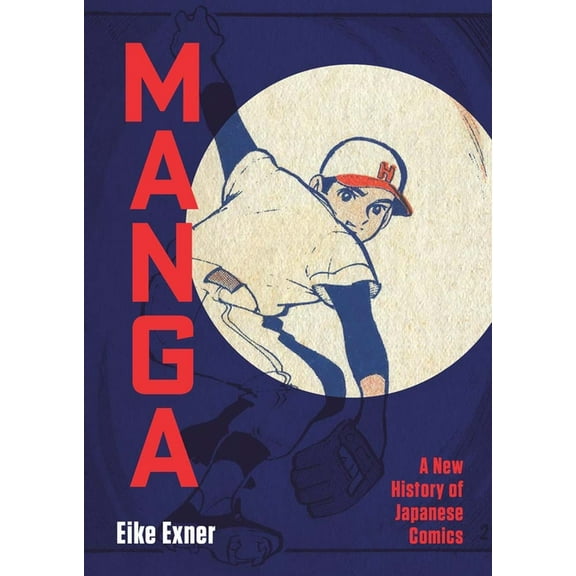
Manga: A New History of Japanese Comics, (Hardcover) $30.20
 $3020current price $30.20
Manga: A New History of Japanese Comics, (Hardcover)
Pre-Owned Japanese Style (Hardcover) 0517560801 9780517560808 $9.68 Was $10.76
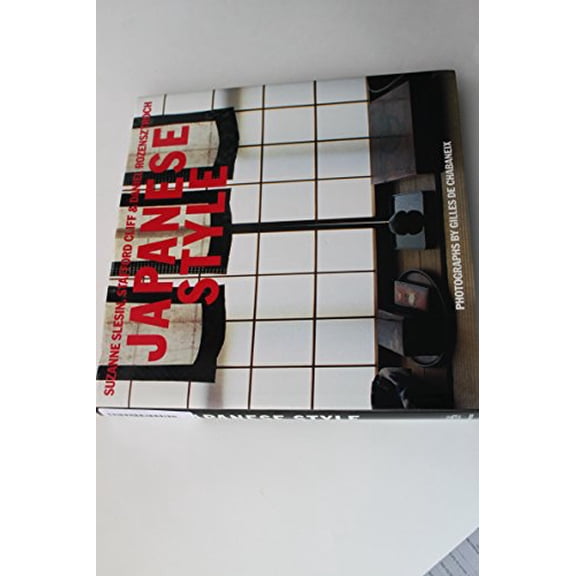 $968current price $9.68, Was $10.76$10.76
Pre-Owned Japanese Style (Hardcover) 0517560801 9780517560808
Pre-Owned Encyclopedia of American Folk Art (Hardcover) 9780415929868 $12.06 Was $15.15
 $1206current price $12.06, Was $15.15$15.15
Pre-Owned Encyclopedia of American Folk Art (Hardcover) 9780415929868


Customer ratings & reviews
0 ratings|0 reviews
This item does not have any reviews yet
