


Take Up the Black Man's Burden : Kansas City's African American Communities, 1865-1939 (Paperback)
(No ratings yet)
Key item features
Unlike many cities farther north, Kansas City, Missouri—along with its sister city in Kansas—had a significant African American population by the midnineteenth century and also served as a way station for those migrating north or west. “Take Up the Black Man’s Burden” focuses on the people and institutions that shaped the city’s black communities from the end of the Civil War until the outbreak of World War II, blending rich historical research with first-person accounts that allow participants in this historical drama to tell their own stories of struggle and accomplishment.
Charles E. Coulter opens up the world of the African American community in its formative years, making creative use of such sources as census data, black newspapers, and Urban League records. His account covers social interaction, employment, cultural institutions, housing, and everyday lives within the context of Kansas City’s overall development, placing a special emphasis on the years 1919 to 1939 to probe the harsh reality of the Depression for Kansas City blacks—a time when many of the community’s major players also rose to prominence.
“Take Up the Black Man’s Burden” is a rich testament not only of high-profile individuals such as publisher Chester A. Franklin, activists Ida M. Becks and Josephine Silone Yates, and state legislator L. Amasa Knox but also of ordinary laborers in the stockyards, domestics in white homes, and railroad porters. It tells how various elements of the population worked together to build schools, churches, social clubs, hospitals, the Paseo YMCA/YWCA, and other institutions that made African American life richer. It also documents the place of jazz and baseball, for which the community was so well known, as well as movie houses, amusement parks, and other forms of leisure.
While recognizing that segregation and discrimination shaped their reality, Coulter moves beyond race relations to emphasize the enabling aspects of African Americans’ lives and show how people defined and created their world. As the first extensive treatment of black history in Kansas City, “Take Up the Black Man’s Burden” is an exceptional account of minority achievement in America’s crossroads. By showing how African Americans saw themselves in their own world, it gives readers a genuine feel for the richness of black life during the interwar years of the twentieth century.
Specs
- Book formatPaperback
- Fiction/nonfictionNon-Fiction
- GenreHistory
- Pub date2016-10-25
- Pages360
- Age range0 - 99 Years
Current price is USD$29.57
Price when purchased online
- Free shipping
 Free 30-day returns
How do you want your item?
Columbus, 43215
Arrives between Apr 17 - Apr 22
|
Sold and shipped by newbookdeals
4.558372952984681 stars out of 5, based on 1893 seller reviews(4.6)1893 seller reviews

Free 30-day returns
About this item
Product details
Unlike many cities farther north, Kansas City, Missouri--along with its sister city in Kansas--had a significant African American population by the midnineteenth century and also served as a way station for those migrating north or west. "Take Up the Black Man's Burden" focuses on the people and institutions that shaped the city's black communities from the end of the Civil War until the outbreak of World War II, blending rich historical research with first-person accounts that allow participants in this historical drama to tell their own stories of struggle and accomplishment.
Charles E. Coulter opens up the world of the African American community in its formative years, making creative use of such sources as census data, black newspapers, and Urban League records. His account covers social interaction, employment, cultural institutions, housing, and everyday lives within the context of Kansas City's overall development, placing a special emphasis on the years 1919 to 1939 to probe the harsh reality of the Depression for Kansas City blacks--a time when many of the community's major players also rose to prominence.
"Take Up the Black Man's Burden" is a rich testament not only of high-profile individuals such as publisher Chester A. Franklin, activists Ida M. Becks and Josephine Silone Yates, and state legislator L. Amasa Knox but also of ordinary laborers in the stockyards, domestics in white homes, and railroad porters. It tells how various elements of the population worked together to build schools, churches, social clubs, hospitals, the Paseo YMCA/YWCA, and other institutions that made African American life richer. It also documents the place of jazz and baseball, for which the community was so well known, as well as movie houses, amusement parks, and other forms of leisure.While recognizing that segregation and discrimination shaped their reality, Coulter moves beyond race relations to emphasize the enabling aspects of African Americans' lives and show how people defined and created their world. As the first extensive treatment of black history in Kansas City, "Take Up the Black Man's Burden" is an exceptional account of minority achievement in America's crossroads. By showing how African Americans saw themselves in their own world, it gives readers a genuine feel for the richness of black life during the interwar years of the twentieth century.
Charles E. Coulter opens up the world of the African American community in its formative years, making creative use of such sources as census data, black newspapers, and Urban League records. His account covers social interaction, employment, cultural institutions, housing, and everyday lives within the context of Kansas City's overall development, placing a special emphasis on the years 1919 to 1939 to probe the harsh reality of the Depression for Kansas City blacks--a time when many of the community's major players also rose to prominence.
"Take Up the Black Man's Burden" is a rich testament not only of high-profile individuals such as publisher Chester A. Franklin, activists Ida M. Becks and Josephine Silone Yates, and state legislator L. Amasa Knox but also of ordinary laborers in the stockyards, domestics in white homes, and railroad porters. It tells how various elements of the population worked together to build schools, churches, social clubs, hospitals, the Paseo YMCA/YWCA, and other institutions that made African American life richer. It also documents the place of jazz and baseball, for which the community was so well known, as well as movie houses, amusement parks, and other forms of leisure.While recognizing that segregation and discrimination shaped their reality, Coulter moves beyond race relations to emphasize the enabling aspects of African Americans' lives and show how people defined and created their world. As the first extensive treatment of black history in Kansas City, "Take Up the Black Man's Burden" is an exceptional account of minority achievement in America's crossroads. By showing how African Americans saw themselves in their own world, it gives readers a genuine feel for the richness of black life during the interwar years of the twentieth century.
Unlike many cities farther north, Kansas City, Missouri—along with its sister city in Kansas—had a significant African American population by the midnineteenth century and also served as a way station for those migrating north or west. “Take Up the Black Man’s Burden” focuses on the people and institutions that shaped the city’s black communities from the end of the Civil War until the outbreak of World War II, blending rich historical research with first-person accounts that allow participants in this historical drama to tell their own stories of struggle and accomplishment.
Charles E. Coulter opens up the world of the African American community in its formative years, making creative use of such sources as census data, black newspapers, and Urban League records. His account covers social interaction, employment, cultural institutions, housing, and everyday lives within the context of Kansas City’s overall development, placing a special emphasis on the years 1919 to 1939 to probe the harsh reality of the Depression for Kansas City blacks—a time when many of the community’s major players also rose to prominence.
“Take Up the Black Man’s Burden” is a rich testament not only of high-profile individuals such as publisher Chester A. Franklin, activists Ida M. Becks and Josephine Silone Yates, and state legislator L. Amasa Knox but also of ordinary laborers in the stockyards, domestics in white homes, and railroad porters. It tells how various elements of the population worked together to build schools, churches, social clubs, hospitals, the Paseo YMCA/YWCA, and other institutions that made African American life richer. It also documents the place of jazz and baseball, for which the community was so well known, as well as movie houses, amusement parks, and other forms of leisure.
While recognizing that segregation and discrimination shaped their reality, Coulter moves beyond race relations to emphasize the enabling aspects of African Americans’ lives and show how people defined and created their world. As the first extensive treatment of black history in Kansas City, “Take Up the Black Man’s Burden” is an exceptional account of minority achievement in America’s crossroads. By showing how African Americans saw themselves in their own world, it gives readers a genuine feel for the richness of black life during the interwar years of the twentieth century.
info:
We aim to show you accurate product information. Manufacturers, suppliers and others provide what you see here, and we have not verified it.
Specifications
Book format
Paperback
Fiction/nonfiction
Non-Fiction
Genre
History
Pub date
2016-10-25
Warranty
Warranty information
Please be aware that the warranty terms on items offered for sale by third party Marketplace sellers may differ from those displayed in this section (if any). To confirm warranty terms on an item offered for sale by a third party Marketplace seller, please use the 'Contact seller' feature on the third party Marketplace seller's information page and request the item's warranty terms prior to purchase.
Similar items you might like
Based on what customers bought
African American Experience Booker T. Washington, W.E.B. Du Bois, and the Struggle for Racial Uplift, (Paperback) $41.98
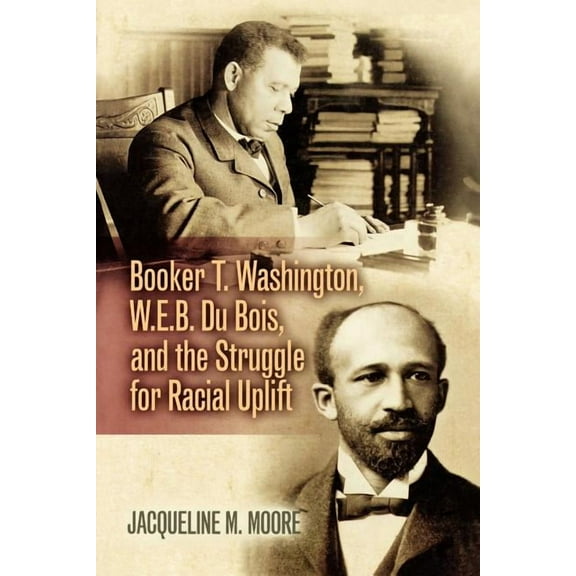 $4198current price $41.98
African American Experience Booker T. Washington, W.E.B. Du Bois, and the Struggle for Racial Uplift, (Paperback)
Best seller 107 Days (Hardcover) $14.21 Was $15.99
Best seller $1421current price $14.21, Was $15.99$15.99
107 Days (Hardcover)
1294.9 out of 5 Stars. 129 reviewsPolitical Self Destruction of Most African Americans, (Paperback) $30.26
 $3026current price $30.26
Political Self Destruction of Most African Americans, (Paperback)
Blacks in the New World A Ghetto Takes Shape, (Paperback) $28.50
 $2850current price $28.50
Blacks in the New World A Ghetto Takes Shape, (Paperback)
When African-Americans Stop the Violence: Hallelujah! (Paperback) $8.34 Was $13.99
 $834current price $8.34, Was $13.99$13.99
When African-Americans Stop the Violence: Hallelujah! (Paperback)
Mississippi Heroes: White Champions of Racial Justice, 1954-1974, (Paperback) $21.60 Was $24.45
 $2160current price $21.60, Was $24.45$24.45
Mississippi Heroes: White Champions of Racial Justice, 1954-1974, (Paperback)
The Birth of God's United Black "Nation" in White America: The "Last Chapter", (Paperback) $27.98 Was $34.00
 $2798current price $27.98, Was $34.00$34.00
The Birth of God's United Black "Nation" in White America: The "Last Chapter", (Paperback)
Afro Immigrants Politics Incorp, (Paperback) $28.64
 $2864current price $28.64
Afro Immigrants Politics Incorp, (Paperback)
African American: The Opposition Court Case My experience as a black man in America refusing to be identified as African, (Paperback) $19.31
 $1931current price $19.31
African American: The Opposition Court Case My experience as a black man in America refusing to be identified as African, (Paperback)
The Darkened Light of Faith: Race, Democracy, and Freedom in African American Political Thought, (Paperback) $15.97 Was $20.94
 $1597current price $15.97, Was $20.94$20.94
The Darkened Light of Faith: Race, Democracy, and Freedom in African American Political Thought, (Paperback)
Souls of Black Folk (an African American Heritage Book), (Hardcover) $31.18
 $3118current price $31.18
Souls of Black Folk (an African American Heritage Book), (Hardcover)
A Different Perspective: Slavery and It's Affect on the African-American Way of Life in America, (Hardcover) $29.99
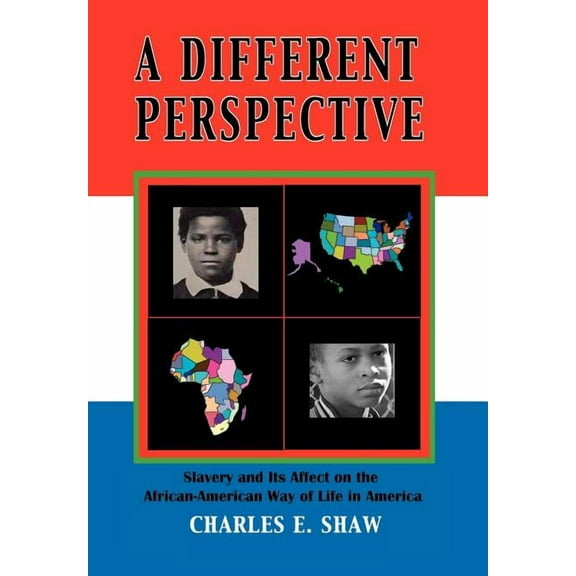 $2999current price $29.99
A Different Perspective: Slavery and It's Affect on the African-American Way of Life in America, (Hardcover)
African American Life: White Nationalism, Black Interests: Conservative Public Policy and the Black Community (Paperback) $24.99
 $2499current price $24.99
African American Life: White Nationalism, Black Interests: Conservative Public Policy and the Black Community (Paperback)
The John Hope Franklin African American Grassroots Garveyism: The Universal Negro Improvement Association in the Rural South, 1920-1927, (Paperback) $42.02
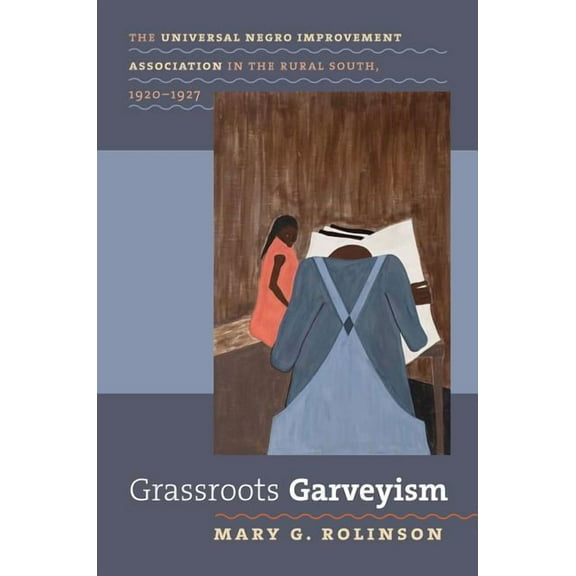 $4202current price $42.02
The John Hope Franklin African American Grassroots Garveyism: The Universal Negro Improvement Association in the Rural South, 1920-1927, (Paperback)
The Light-Skin Trigger: The black woman's ''kryptonite'', (Paperback) $19.99
 $1999current price $19.99
The Light-Skin Trigger: The black woman's ''kryptonite'', (Paperback)
White Flight/Black Flight: The Dynamics of Racial Change in an American Neighborhood, (Paperback) $34.23
 $3423current price $34.23
White Flight/Black Flight: The Dynamics of Racial Change in an American Neighborhood, (Paperback)
Jelly Roll : A Black Neighborhood in a Southern Mill Town (Paperback) $27.86
 $2786current price $27.86
Jelly Roll : A Black Neighborhood in a Southern Mill Town (Paperback)
Henry Frye: North Carolina's First African American Chief Justice, (Paperback) $21.50 Was $28.45
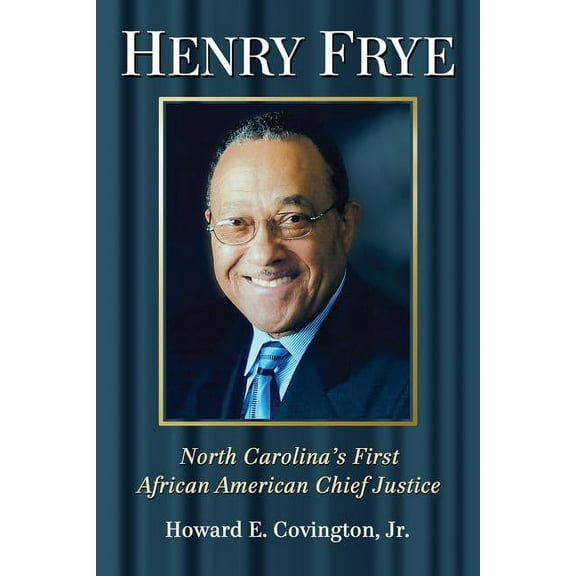 $2150current price $21.50, Was $28.45$28.45
Henry Frye: North Carolina's First African American Chief Justice, (Paperback)
Coaching 4 Black Men: Coaching 4 Black Men: The Complete Collection (Paperback) $15.99
 $1599current price $15.99
Coaching 4 Black Men: Coaching 4 Black Men: The Complete Collection (Paperback)
African American Experience To Ask for an Equal Chance: African Americans in the Great Depression, (Paperback) $26.91
 $2691current price $26.91
African American Experience To Ask for an Equal Chance: African Americans in the Great Depression, (Paperback)
Customer ratings & reviews
0 ratings|0 reviews
This item does not have any reviews yet
