


Understanding the National Debt : What Every American Needs to Know (Hardcover)
(No ratings yet)
Key item features
The staggering United States debt has a direct impact on every American, yet few are aware of where the debt came from and how it affects their lives
The United States has a debt problem—we owe more than $18 trillion while our gross domestic product, the value of all goods and services produced in America, is only $17.5 trillion. To pay down the debt, some recommend austerity, cutting federal expenditures. Others suggest increasing taxes, especially on the wealthiest Americans. In Understanding the National Debt: What Every American Needs to Know, economic historian Carl Lane urges that the national debt must be addressed in ways beyond program cuts or tax increase alternatives, but change can only occur when more Americans understand what constitutes our debt and the problems it causes. The gross national debt is composed of two elements: the public debt and “intragovernment holdings.” The public debt consists of bonds, bills, and notes purchased by individuals, banks, insurance companies, hedge and retirement funds, foreign governments, and university endowments. Intragovernment holdings refers to money that the U.S. Treasury borrows from other parts of the government, principally Social Security and Medicare. This accounts for approximately a quarter of the gross national debt, but that is money that we owe to ourselves, not another entity. The more the government borrows, the less is available for private sector investment, creating a “squeeze” effect that inhibits economic growth. The most burdensome problem is the interest due each year on the debt. Every dollar spent on interest is a dollar less for other purposes. Those elements of the federal budget which are termed “discretionary” suffer. The mandatory elements of the budget—Social Security, Medicare, Medicaid, and the interest on the debt—must be provided for, but defense and national security, education, energy, infrastructure repair and development, and other needs wind up with less. By understanding the national debt we have an opportunity to address our real debt challenge—its principal and interest.
The United States has a debt problem—we owe more than $18 trillion while our gross domestic product, the value of all goods and services produced in America, is only $17.5 trillion. To pay down the debt, some recommend austerity, cutting federal expenditures. Others suggest increasing taxes, especially on the wealthiest Americans. In Understanding the National Debt: What Every American Needs to Know, economic historian Carl Lane urges that the national debt must be addressed in ways beyond program cuts or tax increase alternatives, but change can only occur when more Americans understand what constitutes our debt and the problems it causes. The gross national debt is composed of two elements: the public debt and “intragovernment holdings.” The public debt consists of bonds, bills, and notes purchased by individuals, banks, insurance companies, hedge and retirement funds, foreign governments, and university endowments. Intragovernment holdings refers to money that the U.S. Treasury borrows from other parts of the government, principally Social Security and Medicare. This accounts for approximately a quarter of the gross national debt, but that is money that we owe to ourselves, not another entity. The more the government borrows, the less is available for private sector investment, creating a “squeeze” effect that inhibits economic growth. The most burdensome problem is the interest due each year on the debt. Every dollar spent on interest is a dollar less for other purposes. Those elements of the federal budget which are termed “discretionary” suffer. The mandatory elements of the budget—Social Security, Medicare, Medicaid, and the interest on the debt—must be provided for, but defense and national security, education, energy, infrastructure repair and development, and other needs wind up with less. By understanding the national debt we have an opportunity to address our real debt challenge—its principal and interest.
Specs
- Book formatHardcover
- Fiction/nonfictionNon-Fiction
- Publication dateSeptember, 2016
- Pages120
- Reading levelGeneral/Trade
- SubgenrePolitical Science
Current price is USD$44.43
Price when purchased online
- Free shipping
 Free 30-day returns
How do you want your item?
Columbus, 43215
Arrives by Sat, May 2
|
Sold and shipped by thebookpros
4.454763618910487 stars out of 5, based on 4167 seller reviews(4.5)4167 seller reviews

Free 30-day returns
More seller options (4)
Starting from $44.43
About this item
Product details
9781594162657. New condition. Hard cover. Language: English. Pages: 120. Sewn binding. Cloth over boards. 120 p. The United States has a debt problem-we owe more than $18 trillion while our gross domestic product, the value of all goods and services produced in America, is only $17.5 trillion. To pay down the debt, some recommend austerity, cutting federal expenditures. Others suggest increasing taxes, especially on the wealthiest Americans. In Understanding the National Debt: What Every American Needs to Know,economic historian Carl Lane urges that the national debt must be addressed in ways beyond program cuts or tax increase alternatives, but change can only occur when more Americans understand what constitutes our debt and the problems it causes. The gross national debt is composed of two elements: the public debt and "intragovernment holdings." The public debt consists of bonds, bills, and notes purchased by individuals, banks, insurance companies, hedge and retirement funds, foreign governments, and university endowments. Intragovernment holdings refers to money that the U.S. Treasury borrows from other parts of the government, principally Social Security and Medicare.This accounts for approximately a quarter of the gross national debt, but that is money that we owe to ourselves, not another entity. The more the government borrows, the less is available for private sector investment, creating a "squeeze" effect that inhibits economic growth. The most burdensome problem is the interest due each year on the debt. Every dollar spent on interest is a dollar less for other purposes. Those elements of the federal budget which are termed "discretionary" suffer. The mandatory elements of the budget-Social Security, Medicare, Medicaid, and the interest on the debt-must be provided for, but defense and national security, education, energy, infrastructure repair and development, and other needs wind up with less. By understanding the national debt we have an opportunity to address our real debt challenge-its principal and interest.
The staggering United States debt has a direct impact on every American, yet few are aware of where the debt came from and how it affects their lives
The United States has a debt problem—we owe more than $18 trillion while our gross domestic product, the value of all goods and services produced in America, is only $17.5 trillion. To pay down the debt, some recommend austerity, cutting federal expenditures. Others suggest increasing taxes, especially on the wealthiest Americans. In Understanding the National Debt: What Every American Needs to Know, economic historian Carl Lane urges that the national debt must be addressed in ways beyond program cuts or tax increase alternatives, but change can only occur when more Americans understand what constitutes our debt and the problems it causes. The gross national debt is composed of two elements: the public debt and “intragovernment holdings.” The public debt consists of bonds, bills, and notes purchased by individuals, banks, insurance companies, hedge and retirement funds, foreign governments, and university endowments. Intragovernment holdings refers to money that the U.S. Treasury borrows from other parts of the government, principally Social Security and Medicare. This accounts for approximately a quarter of the gross national debt, but that is money that we owe to ourselves, not another entity. The more the government borrows, the less is available for private sector investment, creating a “squeeze” effect that inhibits economic growth. The most burdensome problem is the interest due each year on the debt. Every dollar spent on interest is a dollar less for other purposes. Those elements of the federal budget which are termed “discretionary” suffer. The mandatory elements of the budget—Social Security, Medicare, Medicaid, and the interest on the debt—must be provided for, but defense and national security, education, energy, infrastructure repair and development, and other needs wind up with less. By understanding the national debt we have an opportunity to address our real debt challenge—its principal and interest.
The United States has a debt problem—we owe more than $18 trillion while our gross domestic product, the value of all goods and services produced in America, is only $17.5 trillion. To pay down the debt, some recommend austerity, cutting federal expenditures. Others suggest increasing taxes, especially on the wealthiest Americans. In Understanding the National Debt: What Every American Needs to Know, economic historian Carl Lane urges that the national debt must be addressed in ways beyond program cuts or tax increase alternatives, but change can only occur when more Americans understand what constitutes our debt and the problems it causes. The gross national debt is composed of two elements: the public debt and “intragovernment holdings.” The public debt consists of bonds, bills, and notes purchased by individuals, banks, insurance companies, hedge and retirement funds, foreign governments, and university endowments. Intragovernment holdings refers to money that the U.S. Treasury borrows from other parts of the government, principally Social Security and Medicare. This accounts for approximately a quarter of the gross national debt, but that is money that we owe to ourselves, not another entity. The more the government borrows, the less is available for private sector investment, creating a “squeeze” effect that inhibits economic growth. The most burdensome problem is the interest due each year on the debt. Every dollar spent on interest is a dollar less for other purposes. Those elements of the federal budget which are termed “discretionary” suffer. The mandatory elements of the budget—Social Security, Medicare, Medicaid, and the interest on the debt—must be provided for, but defense and national security, education, energy, infrastructure repair and development, and other needs wind up with less. By understanding the national debt we have an opportunity to address our real debt challenge—its principal and interest.
info:
We aim to show you accurate product information. Manufacturers, suppliers and others provide what you see here, and we have not verified it.
Specifications
Book format
Hardcover
Fiction/nonfiction
Non-Fiction
Genre
Business & Investing, Political & Social Sciences
Publication date
September, 2016
Warranty
Warranty information
Please be aware that the warranty terms on items offered for sale by third party Marketplace sellers may differ from those displayed in this section (if any). To confirm warranty terms on an item offered for sale by a third party Marketplace seller, please use the 'Contact seller' feature on the third party Marketplace seller's information page and request the item's warranty terms prior to purchase.
Similar items you might like
Based on what customers bought
A Nation Wholly Free : The Elimination of the National Debt in the Age of Jackson (Paperback) $29.92
 $2992current price $29.92
A Nation Wholly Free : The Elimination of the National Debt in the Age of Jackson (Paperback)
Best seller Official Red Book The Official Red Book(r) a Guide Book of United States Coins, 2026, (Spiral-Bound) $16.71
Best seller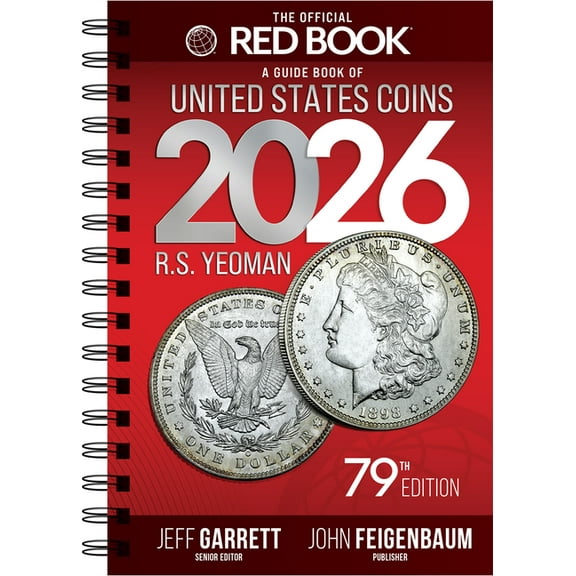 $1671current price $16.71
Official Red Book The Official Red Book(r) a Guide Book of United States Coins, 2026, (Spiral-Bound)
1964.6 out of 5 Stars. 196 reviewsShould We Abolish Household Debts? (Hardcover) $40.81
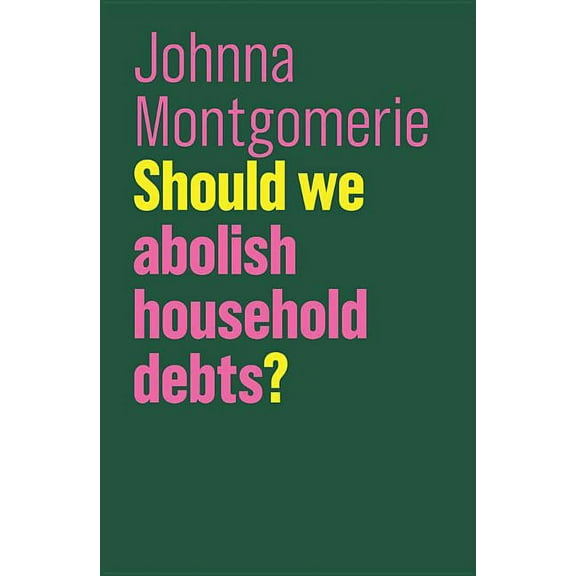 $4081current price $40.81
Should We Abolish Household Debts? (Hardcover)
The Basics of American Government (Paperback) $38.83
 $3883current price $38.83
The Basics of American Government (Paperback)
15 out of 5 Stars. 1 reviewsYour Fellow Americans: Dispatches from Across the Country We Call Home, (Hardcover) $27.03
 $2703current price $27.03
Your Fellow Americans: Dispatches from Across the Country We Call Home, (Hardcover)
The History Of The National Debt (Hardcover) $38.95
 $3895current price $38.95
The History Of The National Debt (Hardcover)
Studies of the Americas The Federal Nation: Perspectives on American Federalism, (Hardcover) $56.14
 $5614current price $56.14
Studies of the Americas The Federal Nation: Perspectives on American Federalism, (Hardcover)
The Political Development of American Debt Relief, (Paperback) $26.43 Was $30.00
 $2643current price $26.43, Was $30.00$30.00
The Political Development of American Debt Relief, (Paperback)
The Russian Public Debt and Financial Meltdowns, (Hardcover) $56.14
 $5614current price $56.14
The Russian Public Debt and Financial Meltdowns, (Hardcover)
The American Colleges and the American Public (Hardcover) $36.70
 $3670current price $36.70
The American Colleges and the American Public (Hardcover)
Lehrbuch der gesammten Meßkunst. (Hardcover) $36.95
 $3695current price $36.95
Lehrbuch der gesammten Meßkunst. (Hardcover)
Think Like a Banker: And Flip Debt on Its Head, (Hardcover) $27.99
 $2799current price $27.99
Think Like a Banker: And Flip Debt on Its Head, (Hardcover)
The Young Adult's Guide to Financial Independence, (Hardcover) $28.21
 $2821current price $28.21
The Young Adult's Guide to Financial Independence, (Hardcover)
A new way to pay old Debts (Hardcover) $30.10
 $3010current price $30.10
A new way to pay old Debts (Hardcover)
The Basics of American Government: Fifth Edition, (Paperback) $32.09
 $3209current price $32.09
The Basics of American Government: Fifth Edition, (Paperback)
The Next Revolution in Our Credit-Driven Economy (Hardcover) $46.07
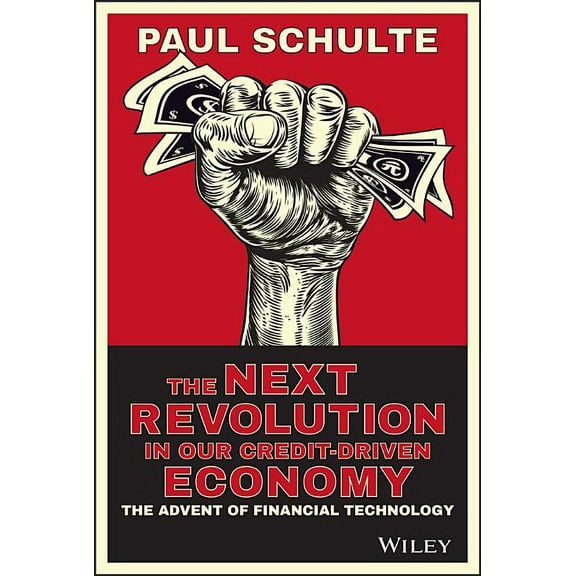 $4607current price $46.07
The Next Revolution in Our Credit-Driven Economy (Hardcover)
The Fragile Middle Class: Americans in Debt, (Paperback) $30.44
 $3044current price $30.44
The Fragile Middle Class: Americans in Debt, (Paperback)
Our Nation in the Building (Hardcover) $40.51
 $4051current price $40.51
Our Nation in the Building (Hardcover)
Debt Hurts (Hardcover) $29.99
 $2999current price $29.99
Debt Hurts (Hardcover)
Payment Due: A Nation In Debt, A Generation In Trouble, (Hardcover) $64.68
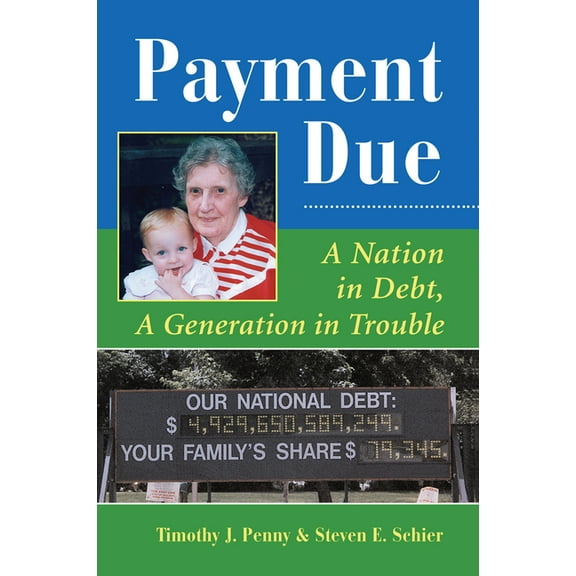 $6468current price $64.68
Payment Due: A Nation In Debt, A Generation In Trouble, (Hardcover)
Customer ratings & reviews
0 ratings|0 reviews
This item does not have any reviews yet

Related pages
- Management Leadership Harden Business Money
- Workplace Culture Books
- Become Business Analyst
- Best Sellers In Business Management Leadership
- Affordable Housing Finance
- General Career in Business Books
- Strategy Finance
- Business Analyst Management
- Public Contract
- Leadership in Business Books
- Housing & Urban Development Law Books
- Consumer Behavior Books