

![American Sanctuary: Mutiny, Martyrdom, and National Identity in the Age of Revolution [Hardcover] Ekirch, A. Roger](https://i5.walmartimages.com/seo/American-Sanctuary-Mutiny-Martyrdom-and-National-Identity-in-the-Age-of-Revolution-Hardcover-Ekirch-A-Roger-9780307379900_7a0570f7-abff-4f0f-b24c-24e58dee9efd_1.dfcedf77d4d7d84d923edeff69406aab.jpeg?odnHeight=573&odnWidth=573&odnBg=FFFFFF)
Hero image 0 of American Sanctuary: Mutiny, Martyrdom, and National Identity in the Age of Revolution [Hardcover] Ekirch, A. Roger, 0 of 1
American Sanctuary: Mutiny, Martyrdom, and National Identity in the Age of Revolution [Hardcover] Ekirch, A. Roger
(No ratings yet)
Key item features
From “one of the most wide-ranging and imaginative historians in America today; there is no one else quite like him in the profession” (Gordon S. Wood)—a dazzling and original work of history.
A. Roger Ekirch’s American Sanctuary begins in 1797 with the bloodiest mutiny ever suffered by the Royal Navy—on the British frigate HMS Hermione, four thousand miles from England’s shores, off the western coast of Puerto Rico. In the midst of the most storied epoch in British seafaring history, the mutiny struck at the very heart of military authority and at Britain’s hierarchical social order. Revolution was in the air: America had won its War of Independence, the French Revolution was still unfolding, and a ferocious rebellion loomed in Ireland, with countless dissidents already arrested.
Most of the Hermione mutineers had scattered throughout the North Atlantic; one of them, Jonathan Robbins, had made his way to American shores, and the British were asking for his extradition. Robbins let it be known that he was an American citizen from Danbury, Connecticut, and that he had been impressed into service by the British.
John Adams, the Federalist successor to Washington as president, in one of the most catastrophic blunders of his administration, sanctioned Robbins’s extradition, according to the terms of the Jay Treaty of 1794. Convicted of murder and piracy by a court-martial in Jamaica, Robbins was sentenced by the British to death, hauled up on the fore yardarm of the frigate Acasta, blindfolded with his hands tied behind his back, and hanged.
Adams’s miscalculation ignited a political firestorm, only to be fanned by news of Robbins’s execution without his constitutional rights of due process and trial by jury. Thomas Jefferson, then vice president and leader of the emergent Republican Party, said, “No one circumstance since the establishment of our government has affected the popular mind more.” Congressional Republicans tried to censure Adams, and the Federalist majority, in a bitter blow to the president, were unable to muster a vote of confidence condoning Robbins’s surrender.
American Sanctuary brilliantly lays out in full detail the story of how the Robbins affair and the presidential campaign of 1800 inflamed the new nation and set in motion a constitutional crisis, resulting in Adams’s defeat and Jefferson’s election as the third president of the United States.
Ekirch writes that the aftershocks of Robbins’s martyrdom helped to shape the infant republic’s identity in the way Americans envisioned themselves. We see how the Hermione crisis led directly to the country’s historic decision to grant political asylum to refugees from foreign governments—a major achievement in fulfilling the resonant promise of American independence, as voiced by Tom Paine, to provide “an asylum for mankind
A. Roger Ekirch’s American Sanctuary begins in 1797 with the bloodiest mutiny ever suffered by the Royal Navy—on the British frigate HMS Hermione, four thousand miles from England’s shores, off the western coast of Puerto Rico. In the midst of the most storied epoch in British seafaring history, the mutiny struck at the very heart of military authority and at Britain’s hierarchical social order. Revolution was in the air: America had won its War of Independence, the French Revolution was still unfolding, and a ferocious rebellion loomed in Ireland, with countless dissidents already arrested.
Most of the Hermione mutineers had scattered throughout the North Atlantic; one of them, Jonathan Robbins, had made his way to American shores, and the British were asking for his extradition. Robbins let it be known that he was an American citizen from Danbury, Connecticut, and that he had been impressed into service by the British.
John Adams, the Federalist successor to Washington as president, in one of the most catastrophic blunders of his administration, sanctioned Robbins’s extradition, according to the terms of the Jay Treaty of 1794. Convicted of murder and piracy by a court-martial in Jamaica, Robbins was sentenced by the British to death, hauled up on the fore yardarm of the frigate Acasta, blindfolded with his hands tied behind his back, and hanged.
Adams’s miscalculation ignited a political firestorm, only to be fanned by news of Robbins’s execution without his constitutional rights of due process and trial by jury. Thomas Jefferson, then vice president and leader of the emergent Republican Party, said, “No one circumstance since the establishment of our government has affected the popular mind more.” Congressional Republicans tried to censure Adams, and the Federalist majority, in a bitter blow to the president, were unable to muster a vote of confidence condoning Robbins’s surrender.
American Sanctuary brilliantly lays out in full detail the story of how the Robbins affair and the presidential campaign of 1800 inflamed the new nation and set in motion a constitutional crisis, resulting in Adams’s defeat and Jefferson’s election as the third president of the United States.
Ekirch writes that the aftershocks of Robbins’s martyrdom helped to shape the infant republic’s identity in the way Americans envisioned themselves. We see how the Hermione crisis led directly to the country’s historic decision to grant political asylum to refugees from foreign governments—a major achievement in fulfilling the resonant promise of American independence, as voiced by Tom Paine, to provide “an asylum for mankind
Specs
- Book formatHardcover
- Fiction/nonfictionNon-Fiction
- GenreHistory
- Publication dateFebruary, 2017
- Pages320
- Number in series1
Current price is USD$11.48
Price when purchased online
- Free shipping
 Free 30-day returns
How do you want your item?
Ships to
Arrives between May 23 - May 29
|Only 1 left

Sold and shipped by Alibris Books
4.5687372256287215 stars out of 5, based on 11253 seller reviews(4.6)11253 seller reviews

Free 30-day returns
About this item
Product details
From “one of the most wide-ranging and imaginative historians in America today; there is no one else quite like him in the profession” (Gordon S. Wood)—a dazzling and original work of history. A. Roger Ekirch’s American Sanctuary begins in 1797 with the bloodiest mutiny ever suffered by the Royal Navy—on the British frigate HMS Hermione, four thousand miles from England’s shores, off the western coast of Puerto Rico. In the midst of the most storied epoch in British seafaring history, the mutiny struck at the very heart of military authority and at Britain’s hierarchical social order. Revolution was in the air: America had won its War of Independence, the French Revolution was still unfolding, and a ferocious rebellion loomed in Ireland, with countless dissidents already arrested. Most of the Hermione mutineers had scattered throughout the North Atlantic; one of them, Jonathan Robbins, had made his way to American shores, and the British were asking for his extradition. Robbins let it be known that he was an American citizen from Danbury, Connecticut, and that he had been impressed into service by the British. John Adams, the Federalist successor to Washington as president, in one of the most catastrophic blunders of his administration, sanctioned Robbins’s extradition, according to the terms of the Jay Treaty of 1794. Convicted of murder and piracy by a court-martial in Jamaica, Robbins was sentenced by the British to death, hauled up on the fore yardarm of the frigate Acasta, blindfolded with his hands tied behind his back, and hanged. Adams’s miscalculation ignited a political firestorm, only to be fanned by news of Robbins’s execution without his constitutional rights of due process and trial by jury. Thomas Jefferson, then vice president and leader of the emergent Republican Party, said, “No one circumstance since the establishment of our government has affected the popular mind more.” Congressional Republicans tried to censure Adams, and the Federalist majority, in a bitter blow to the president, were unable to muster a vote of confidence condoning Robbins’s surrender. American Sanctuary brilliantly lays out in full detail the story of how the Robbins affair and the presidential campaign of 1800 inflamed the new nation and set in motion a constitutional crisis, resulting in Adams’s defeat and Jefferson’s election as the third president of the United States. Ekirch writes that the aftershocks of Robbins’s martyrdom helped to shape the infant republic’s identity in the way Americans envisioned themselves. We see how the Hermione crisis led directly to the country’s historic decision to grant political asylum to refugees from foreign governments—a major achievement in fulfilling the resonant promise of American independence, as voiced by Tom Paine, to provide “an asylum for mankind
From “one of the most wide-ranging and imaginative historians in America today; there is no one else quite like him in the profession” (Gordon S. Wood)—a dazzling and original work of history.
A. Roger Ekirch’s American Sanctuary begins in 1797 with the bloodiest mutiny ever suffered by the Royal Navy—on the British frigate HMS Hermione, four thousand miles from England’s shores, off the western coast of Puerto Rico. In the midst of the most storied epoch in British seafaring history, the mutiny struck at the very heart of military authority and at Britain’s hierarchical social order. Revolution was in the air: America had won its War of Independence, the French Revolution was still unfolding, and a ferocious rebellion loomed in Ireland, with countless dissidents already arrested.
Most of the Hermione mutineers had scattered throughout the North Atlantic; one of them, Jonathan Robbins, had made his way to American shores, and the British were asking for his extradition. Robbins let it be known that he was an American citizen from Danbury, Connecticut, and that he had been impressed into service by the British.
John Adams, the Federalist successor to Washington as president, in one of the most catastrophic blunders of his administration, sanctioned Robbins’s extradition, according to the terms of the Jay Treaty of 1794. Convicted of murder and piracy by a court-martial in Jamaica, Robbins was sentenced by the British to death, hauled up on the fore yardarm of the frigate Acasta, blindfolded with his hands tied behind his back, and hanged.
Adams’s miscalculation ignited a political firestorm, only to be fanned by news of Robbins’s execution without his constitutional rights of due process and trial by jury. Thomas Jefferson, then vice president and leader of the emergent Republican Party, said, “No one circumstance since the establishment of our government has affected the popular mind more.” Congressional Republicans tried to censure Adams, and the Federalist majority, in a bitter blow to the president, were unable to muster a vote of confidence condoning Robbins’s surrender.
American Sanctuary brilliantly lays out in full detail the story of how the Robbins affair and the presidential campaign of 1800 inflamed the new nation and set in motion a constitutional crisis, resulting in Adams’s defeat and Jefferson’s election as the third president of the United States.
Ekirch writes that the aftershocks of Robbins’s martyrdom helped to shape the infant republic’s identity in the way Americans envisioned themselves. We see how the Hermione crisis led directly to the country’s historic decision to grant political asylum to refugees from foreign governments—a major achievement in fulfilling the resonant promise of American independence, as voiced by Tom Paine, to provide “an asylum for mankind
A. Roger Ekirch’s American Sanctuary begins in 1797 with the bloodiest mutiny ever suffered by the Royal Navy—on the British frigate HMS Hermione, four thousand miles from England’s shores, off the western coast of Puerto Rico. In the midst of the most storied epoch in British seafaring history, the mutiny struck at the very heart of military authority and at Britain’s hierarchical social order. Revolution was in the air: America had won its War of Independence, the French Revolution was still unfolding, and a ferocious rebellion loomed in Ireland, with countless dissidents already arrested.
Most of the Hermione mutineers had scattered throughout the North Atlantic; one of them, Jonathan Robbins, had made his way to American shores, and the British were asking for his extradition. Robbins let it be known that he was an American citizen from Danbury, Connecticut, and that he had been impressed into service by the British.
John Adams, the Federalist successor to Washington as president, in one of the most catastrophic blunders of his administration, sanctioned Robbins’s extradition, according to the terms of the Jay Treaty of 1794. Convicted of murder and piracy by a court-martial in Jamaica, Robbins was sentenced by the British to death, hauled up on the fore yardarm of the frigate Acasta, blindfolded with his hands tied behind his back, and hanged.
Adams’s miscalculation ignited a political firestorm, only to be fanned by news of Robbins’s execution without his constitutional rights of due process and trial by jury. Thomas Jefferson, then vice president and leader of the emergent Republican Party, said, “No one circumstance since the establishment of our government has affected the popular mind more.” Congressional Republicans tried to censure Adams, and the Federalist majority, in a bitter blow to the president, were unable to muster a vote of confidence condoning Robbins’s surrender.
American Sanctuary brilliantly lays out in full detail the story of how the Robbins affair and the presidential campaign of 1800 inflamed the new nation and set in motion a constitutional crisis, resulting in Adams’s defeat and Jefferson’s election as the third president of the United States.
Ekirch writes that the aftershocks of Robbins’s martyrdom helped to shape the infant republic’s identity in the way Americans envisioned themselves. We see how the Hermione crisis led directly to the country’s historic decision to grant political asylum to refugees from foreign governments—a major achievement in fulfilling the resonant promise of American independence, as voiced by Tom Paine, to provide “an asylum for mankind
info:
We aim to show you accurate product information. Manufacturers, suppliers and others provide what you see here, and we have not verified it.
Specifications
Book format
Hardcover
Fiction/nonfiction
Non-Fiction
Genre
History
Publication date
February, 2017
Warranty
Warranty information
Please be aware that the warranty terms on items offered for sale by third party Marketplace sellers may differ from those displayed in this section (if any). To confirm warranty terms on an item offered for sale by a third party Marketplace seller, please use the 'Contact seller' feature on the third party Marketplace seller's information page and request the item's warranty terms prior to purchase.
Similar items you might like
Based on what customers bought
The Long March: How the Cultural Revolution of the 1960s Changed America, (Paperback) $10.00
 $1000current price $10.00
The Long March: How the Cultural Revolution of the 1960s Changed America, (Paperback)
Guarding the Golden Door: American Immigration Policy and Immigrants Since 1882, (Paperback) $6.99 Was $10.31
 $699current price $6.99, Was $10.31$10.31
Guarding the Golden Door: American Immigration Policy and Immigrants Since 1882, (Paperback)
Limited Government & the Founding Fathers: The Pathway for a Return to Liberty, (Paperback) $14.95
 $1495current price $14.95
Limited Government & the Founding Fathers: The Pathway for a Return to Liberty, (Paperback)
Hero of Two Worlds: The Marquis de Lafayette in the Age of Revolution, (Paperback) $11.21
 $1121current price $11.21
Hero of Two Worlds: The Marquis de Lafayette in the Age of Revolution, (Paperback)
What Kind of Nation, (Paperback) $5.61
 $561current price $5.61
What Kind of Nation, (Paperback)
Pre-Owned I'm Still Standing: From Captive U.S. Soldier to Free Citizen--My Journey Home (Hardcover) 1416567488 9781416567486 $8.68
 $868current price $8.68
Pre-Owned I'm Still Standing: From Captive U.S. Soldier to Free Citizen--My Journey Home (Hardcover) 1416567488 9781416567486
Hercules Mulligan: Confidential Correspondent of General George Washington - A Son of Liberty in the American War of Independence (Paperback) $9.99
 $999current price $9.99
Hercules Mulligan: Confidential Correspondent of General George Washington - A Son of Liberty in the American War of Independence (Paperback)
Pre-Owned Prisoners Without Trial: Japanese Americans in World War II (Critical Issue) Paperback $6.47
 $647current price $6.47
Pre-Owned Prisoners Without Trial: Japanese Americans in World War II (Critical Issue) Paperback
Hill and Wang Critical Issues Prisoners Without Trial: Japanese Americans in World War II, (Paperback) $7.64
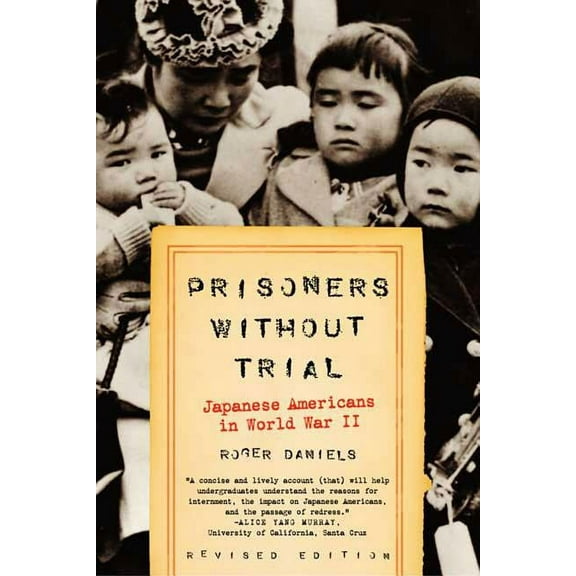 $764current price $7.64
Hill and Wang Critical Issues Prisoners Without Trial: Japanese Americans in World War II, (Paperback)
Pelican Books National Populism: The Revolt Against Liberal Democracy, (Paperback) $17.27
 $1727current price $17.27
Pelican Books National Populism: The Revolt Against Liberal Democracy, (Paperback)
American Ways Not Like Us: Immigrants and Minorities in America, 1890-1924, (Paperback) $9.00
 $900current price $9.00
American Ways Not Like Us: Immigrants and Minorities in America, 1890-1924, (Paperback)
The Catcher Was a Spy: The Mysterious Life of Moe Berg, (Paperback) $11.38
 $1138current price $11.38
The Catcher Was a Spy: The Mysterious Life of Moe Berg, (Paperback)
15 out of 5 Stars. 1 reviewsThe Edge of Anarchy: The Railroad Barons, the Gilded Age, and the Greatest Labor Uprising in America, (Paperback) $12.50
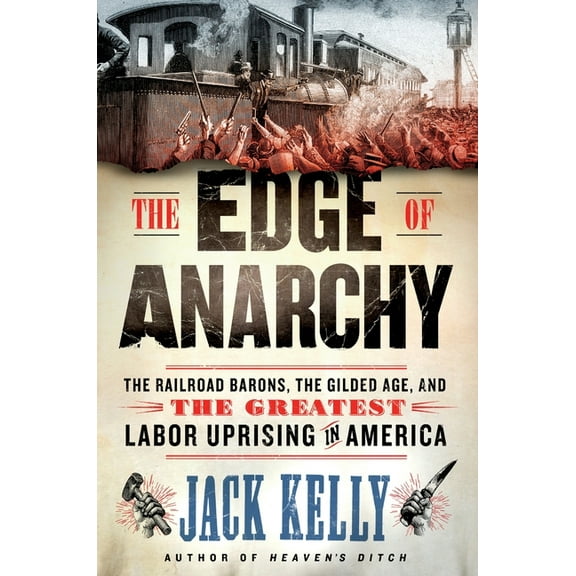 $1250current price $12.50
The Edge of Anarchy: The Railroad Barons, the Gilded Age, and the Greatest Labor Uprising in America, (Paperback)
Icons St. Paul: The Apostle We Love to Hate, Book 9, (Paperback) $10.62 Was $12.95
 $1062current price $10.62, Was $12.95$12.95
Icons St. Paul: The Apostle We Love to Hate, Book 9, (Paperback)
Histoire: La Révolution Et La France En 1831 (Paperback) $12.95
 $1295current price $12.95
Histoire: La Révolution Et La France En 1831 (Paperback)
Nurse and Spy in the Union Army, (Paperback) $7.99 Was $10.39
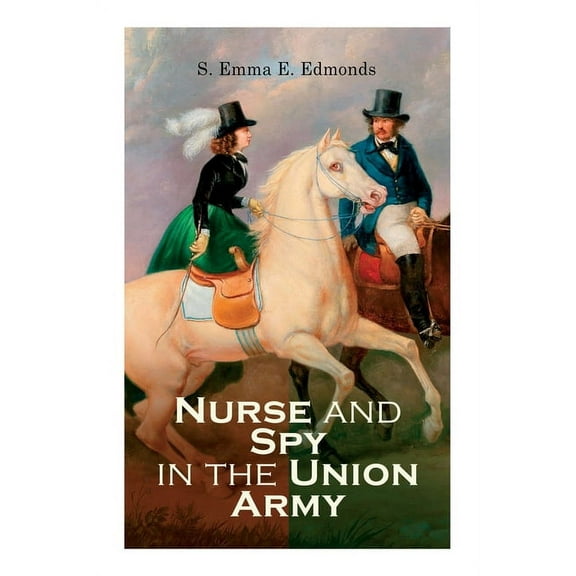 $799current price $7.99, Was $10.39$10.39
Nurse and Spy in the Union Army, (Paperback)
In the Company of Soldiers : A Chronicle of Combat (Paperback) $10.94 $15.41/lb
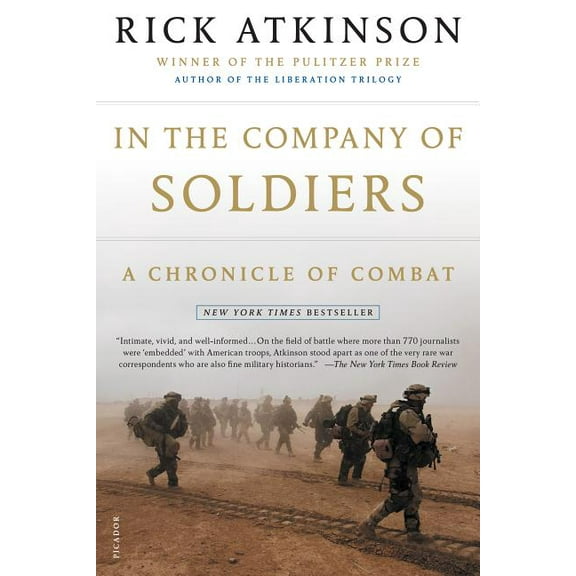 $1094current price $10.94$15.41/lb
In the Company of Soldiers : A Chronicle of Combat (Paperback)
25 out of 5 Stars. 2 reviewsPre-Owned An Album of Memories (Random House Large Print) (Hardcover) 0375431349 9780375431340 $4.57
 2 optionsAvailable in additional 2 options$457current price $4.57
Pre-Owned An Album of Memories (Random House Large Print) (Hardcover) 0375431349 9780375431340
Pre-Owned The Peasant Prince: Thaddeus Kosciuszko and the Age of Revolution (Hardcover) 0312388020 9780312388027 $8.68 5.6 ¢/lb
 2 optionsAvailable in additional 2 options$868current price $8.685.6 ¢/lb
Pre-Owned The Peasant Prince: Thaddeus Kosciuszko and the Age of Revolution (Hardcover) 0312388020 9780312388027
Pre-Owned SAS: Rogue Heroes - Now a major TV drama (Paperback) 0241996902 9780241996904 $9.61
 $961current price $9.61
Pre-Owned SAS: Rogue Heroes - Now a major TV drama (Paperback) 0241996902 9780241996904
Customer ratings & reviews
0 ratings|0 reviews
This item does not have any reviews yet
