


Hero image 0 of The Unchanging American Voter (Edition 1) (Paperback), 0 of 1
The Unchanging American Voter (Edition 1) (Paperback)
(No ratings yet)
Key item features
Have the American people grown more politically sophisticated in the past three decades, or do they remain relatively ignorant of the political world? Did a "great leap forward" take place during the 1960s in which our citizenry became involved and adept voters? In this important book, Eric Smith addresses these and other provocative questions that have long befuddled political scientists and policymakers.
Much of the current wisdom about American voters derives from an argument advanced in a volume entitled The Changing American Voter, written by Nie, Verba, and Petrocik. In this work, the authors contend that the electorate made a "great leap forward" in political sophistication and ideological thinking between the 1960 and 1964 elections. They argue that people changed in response to a shifting environment, and that, in particular, the surge of protest and ideological rhetoric between 1960 and 1964 engendered a new political savvy and sophistication. In their view, people learned to understand politics better, to relate the issues to the candidates more accurately, and to cast more informed, intelligent votes.
In The Unchanging American Voter, Smith takes issue with this portrait of an engaged American citizenry and replaces it with a quite different picture of the voters of this nation. He posits a more bleak political landscape in which the typical voter knows little about politics, is not interested in the political arena and consequently does not participate in it, and is even unable to organize his or her attitudes in a coherent manner. To support this view, Smith demonstrates how the indices by which Nie, Verba, and Petrocik measured levels of sophistication during the 1960s were methodologically flawed and how a closer examination of supposed changes reveals only superficial and unimportant shifts in the ways voters have approached the ballot box since the 1950s.
The Unchanging American Voter is an intelligent and original work that provides a new perspective of the American citizenry. It is sure to engender discussion and debate about the dynamics of voting in postwar America.
Much of the current wisdom about American voters derives from an argument advanced in a volume entitled The Changing American Voter, written by Nie, Verba, and Petrocik. In this work, the authors contend that the electorate made a "great leap forward" in political sophistication and ideological thinking between the 1960 and 1964 elections. They argue that people changed in response to a shifting environment, and that, in particular, the surge of protest and ideological rhetoric between 1960 and 1964 engendered a new political savvy and sophistication. In their view, people learned to understand politics better, to relate the issues to the candidates more accurately, and to cast more informed, intelligent votes.
In The Unchanging American Voter, Smith takes issue with this portrait of an engaged American citizenry and replaces it with a quite different picture of the voters of this nation. He posits a more bleak political landscape in which the typical voter knows little about politics, is not interested in the political arena and consequently does not participate in it, and is even unable to organize his or her attitudes in a coherent manner. To support this view, Smith demonstrates how the indices by which Nie, Verba, and Petrocik measured levels of sophistication during the 1960s were methodologically flawed and how a closer examination of supposed changes reveals only superficial and unimportant shifts in the ways voters have approached the ballot box since the 1950s.
The Unchanging American Voter is an intelligent and original work that provides a new perspective of the American citizenry. It is sure to engender discussion and debate about the dynamics of voting in postwar America.
Specs
- Book formatPaperback
- Fiction/nonfictionNon-Fiction
- Publication dateOctober, 1989
- Pages288
- SubgenreCivics & Citizenship
- Series titleNo Series
Current price is USD$37.72
Price when purchased online
- Free shipping
 Free 30-day returns
How do you want your item?
Columbus, 43215
Arrives by Mon, May 11
|
Sold and shipped by Alibris Books
4.567088147002638 stars out of 5, based on 10993 seller reviews(4.6)10993 seller reviews

Free 30-day returns - in store or online
Other sellers
$41.93
+Free shippingShipping, arrives by Fri, May 8 to Columbus, 43215
Sold and shipped by thebookpros
Free 30-day returns
$43.17
+Free shippingShipping, arrives by Sat, May 9 to Columbus, 43215
Sold and shipped by RAREWAVES-USA
Free 30-day returns
About this item
Product details
Have the American people grown more politically sophisticated in the past three decades, or do they remain relatively ignorant of the political world? Did a "great leap forward" take place during the 1960s in which our citizenry became involved and adept voters? In this important book, Eric Smith addresses these and other provocative questions that have long befuddled political scientists and policymakers.
Much of the current wisdom about American voters derives from an argument advanced in a volume entitled The Changing American Voter, written by Nie, Verba, and Petrocik. In this work, the authors contend that the electorate made a "great leap forward" in political sophistication and ideological thinking between the 1960 and 1964 elections. They argue that people changed in response to a shifting environment, and that, in particular, the surge of protest and ideological rhetoric between 1960 and 1964 engendered a new political savvy and sophistication. In their view, people learned to understand politics better, to relate the issues to the candidates more accurately, and to cast more informed, intelligent votes.
In The Unchanging American Voter, Smith takes issue with this portrait of an engaged American citizenry and replaces it with a quite different picture of the voters of this nation. He posits a more bleak political landscape in which the typical voter knows little about politics, is not interested in the political arena and consequently does not participate in it, and is even unable to organize his or her attitudes in a coherent manner. To support this view, Smith demonstrates how the indices by which Nie, Verba, and Petrocik measured levels of sophistication during the 1960s were methodologically flawed and how a closer examination of supposed changes reveals only superficial and unimportant shifts in the ways voters have approached the ballot box since the 1950s.
The Unchanging American Voter is an intelligent and original work that provides a new perspective of the American citizenry. It is sure to engender discussion and debate about the dynamics of voting in postwar America.
Much of the current wisdom about American voters derives from an argument advanced in a volume entitled The Changing American Voter, written by Nie, Verba, and Petrocik. In this work, the authors contend that the electorate made a "great leap forward" in political sophistication and ideological thinking between the 1960 and 1964 elections. They argue that people changed in response to a shifting environment, and that, in particular, the surge of protest and ideological rhetoric between 1960 and 1964 engendered a new political savvy and sophistication. In their view, people learned to understand politics better, to relate the issues to the candidates more accurately, and to cast more informed, intelligent votes.
In The Unchanging American Voter, Smith takes issue with this portrait of an engaged American citizenry and replaces it with a quite different picture of the voters of this nation. He posits a more bleak political landscape in which the typical voter knows little about politics, is not interested in the political arena and consequently does not participate in it, and is even unable to organize his or her attitudes in a coherent manner. To support this view, Smith demonstrates how the indices by which Nie, Verba, and Petrocik measured levels of sophistication during the 1960s were methodologically flawed and how a closer examination of supposed changes reveals only superficial and unimportant shifts in the ways voters have approached the ballot box since the 1950s.
The Unchanging American Voter is an intelligent and original work that provides a new perspective of the American citizenry. It is sure to engender discussion and debate about the dynamics of voting in postwar America.
Have the American people grown more politically sophisticated in the past three decades, or do they remain relatively ignorant of the political world? Did a "great leap forward" take place during the 1960s in which our citizenry became involved and adept voters? In this important book, Eric Smith addresses these and other provocative questions that have long befuddled political scientists and policymakers.
Much of the current wisdom about American voters derives from an argument advanced in a volume entitled The Changing American Voter, written by Nie, Verba, and Petrocik. In this work, the authors contend that the electorate made a "great leap forward" in political sophistication and ideological thinking between the 1960 and 1964 elections. They argue that people changed in response to a shifting environment, and that, in particular, the surge of protest and ideological rhetoric between 1960 and 1964 engendered a new political savvy and sophistication. In their view, people learned to understand politics better, to relate the issues to the candidates more accurately, and to cast more informed, intelligent votes.
In The Unchanging American Voter, Smith takes issue with this portrait of an engaged American citizenry and replaces it with a quite different picture of the voters of this nation. He posits a more bleak political landscape in which the typical voter knows little about politics, is not interested in the political arena and consequently does not participate in it, and is even unable to organize his or her attitudes in a coherent manner. To support this view, Smith demonstrates how the indices by which Nie, Verba, and Petrocik measured levels of sophistication during the 1960s were methodologically flawed and how a closer examination of supposed changes reveals only superficial and unimportant shifts in the ways voters have approached the ballot box since the 1950s.
The Unchanging American Voter is an intelligent and original work that provides a new perspective of the American citizenry. It is sure to engender discussion and debate about the dynamics of voting in postwar America.
Much of the current wisdom about American voters derives from an argument advanced in a volume entitled The Changing American Voter, written by Nie, Verba, and Petrocik. In this work, the authors contend that the electorate made a "great leap forward" in political sophistication and ideological thinking between the 1960 and 1964 elections. They argue that people changed in response to a shifting environment, and that, in particular, the surge of protest and ideological rhetoric between 1960 and 1964 engendered a new political savvy and sophistication. In their view, people learned to understand politics better, to relate the issues to the candidates more accurately, and to cast more informed, intelligent votes.
In The Unchanging American Voter, Smith takes issue with this portrait of an engaged American citizenry and replaces it with a quite different picture of the voters of this nation. He posits a more bleak political landscape in which the typical voter knows little about politics, is not interested in the political arena and consequently does not participate in it, and is even unable to organize his or her attitudes in a coherent manner. To support this view, Smith demonstrates how the indices by which Nie, Verba, and Petrocik measured levels of sophistication during the 1960s were methodologically flawed and how a closer examination of supposed changes reveals only superficial and unimportant shifts in the ways voters have approached the ballot box since the 1950s.
The Unchanging American Voter is an intelligent and original work that provides a new perspective of the American citizenry. It is sure to engender discussion and debate about the dynamics of voting in postwar America.
info:
We aim to show you accurate product information. Manufacturers, suppliers and others provide what you see here, and we have not verified it.
Specifications
Book format
Paperback
Fiction/nonfiction
Non-Fiction
Genre
Political & Social Sciences
Publication date
October, 1989
Warranty
Warranty information
Please be aware that the warranty terms on items offered for sale by third party Marketplace sellers may differ from those displayed in this section (if any). To confirm warranty terms on an item offered for sale by a third party Marketplace seller, please use the 'Contact seller' feature on the third party Marketplace seller's information page and request the item's warranty terms prior to purchase.
Similar items you might like
Based on what customers bought
Somebody Should Do Something: How Anyone Can Help Create Social Change, (Paperback) $24.95
 $2495current price $24.95
Somebody Should Do Something: How Anyone Can Help Create Social Change, (Paperback)
Redefining America, (Paperback) $14.00
 $1400current price $14.00
Redefining America, (Paperback)
Swing Voter in American Politics, (Paperback) $33.27
 $3327current price $33.27
Swing Voter in American Politics, (Paperback)
American Fantasy: Second Edition, (Paperback) $15.99
 $1599current price $15.99
American Fantasy: Second Edition, (Paperback)
In and Out of Focus, (Paperback) $19.08
 $1908current price $19.08
In and Out of Focus, (Paperback)
10 Steps to a New Level of Living, (Paperback) $22.67
 $2267current price $22.67
10 Steps to a New Level of Living, (Paperback)
Design for Real Life, (Paperback) $18.00
 $1800current price $18.00
Design for Real Life, (Paperback)
Adam Smith (Paperback) $20.95
 $2095current price $20.95
Adam Smith (Paperback)
Bad Thoughts Softcover, (Paperback) $15.99
 $1599current price $15.99
Bad Thoughts Softcover, (Paperback)
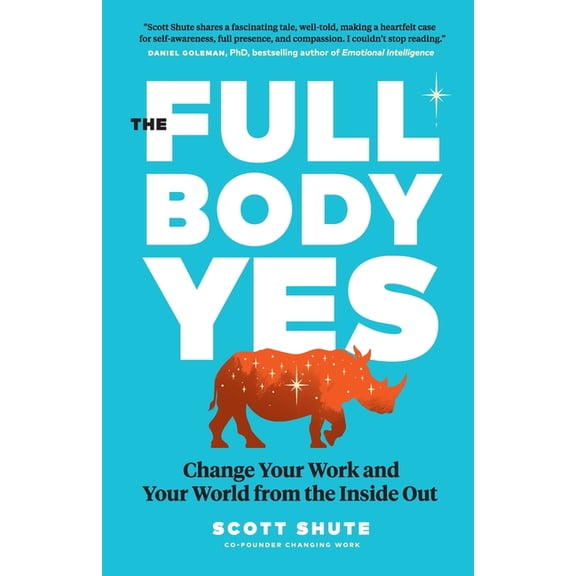
The Full Body Yes: Change Your Work and Your World from the Inside Out, (Paperback) $14.99
 $1499current price $14.99
The Full Body Yes: Change Your Work and Your World from the Inside Out, (Paperback)
Drinks of the World, (Paperback) $21.85
 $2185current price $21.85
Drinks of the World, (Paperback)
Our Youth Speak, Will We Listen? Paperback 0983370125 9780983370123 Eric Smith $17.07
 $1707current price $17.07
Our Youth Speak, Will We Listen? Paperback 0983370125 9780983370123 Eric Smith
Getting More for Less: The Gravity of America's Choices, (Paperback) $23.45
 $2345current price $23.45
Getting More for Less: The Gravity of America's Choices, (Paperback)
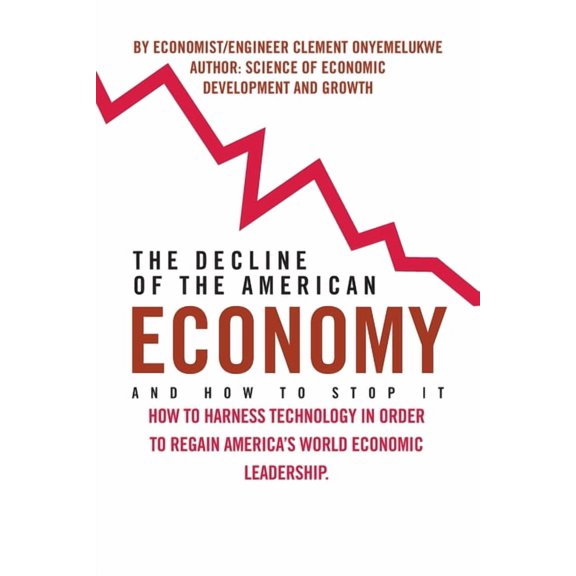
The Decline of the American Economy (Paperback) $28.32
 $2832current price $28.32
The Decline of the American Economy (Paperback)
The New Geocentrists (Paperback) by Karl Keating $18.95 $19.54/lb
 $1895current price $18.95$19.54/lb
The New Geocentrists (Paperback) by Karl Keating
Ranked Choice Voting, (Paperback) $22.11
 $2211current price $22.11
Ranked Choice Voting, (Paperback)
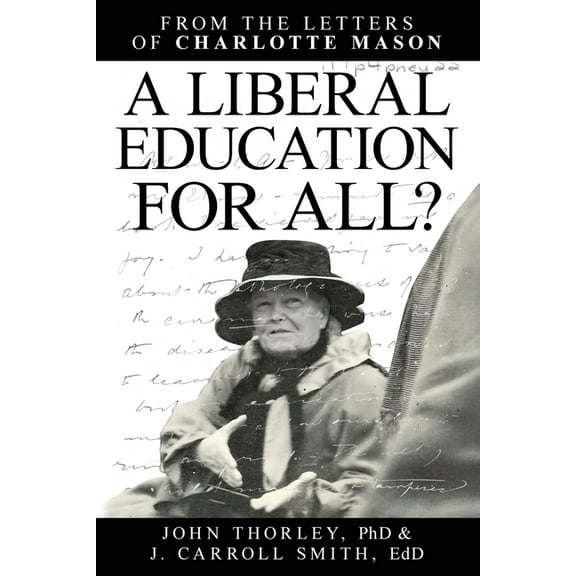
A Liberal Education for All, (Paperback) $16.23
 $1623current price $16.23
A Liberal Education for All, (Paperback)
Speak What You Seek: The Power of Selection, (Paperback) $20.58
 $2058current price $20.58
Speak What You Seek: The Power of Selection, (Paperback)
The Presidential Campaign of 1896 (Paperback) $18.95
 $1895current price $18.95
The Presidential Campaign of 1896 (Paperback)

Customer ratings & reviews
0 ratings|0 reviews
This item does not have any reviews yet

Related pages
- Not My President
- Reagan Quote
- Trump Twitter
- Voter Suppression History
- Senator Bernie Sanders
- Barack Obama Mother Father
- Editors, Journalists & Publishers Biographies & Memoirs
- Civil Rights Political Books
- Presidents & Heads of State Biographies & Memoirs
- Political Biographies & Memoirs
- Educators Biographies & Memoirs
- Environmentalists & Naturalists Biographies & Memoirs