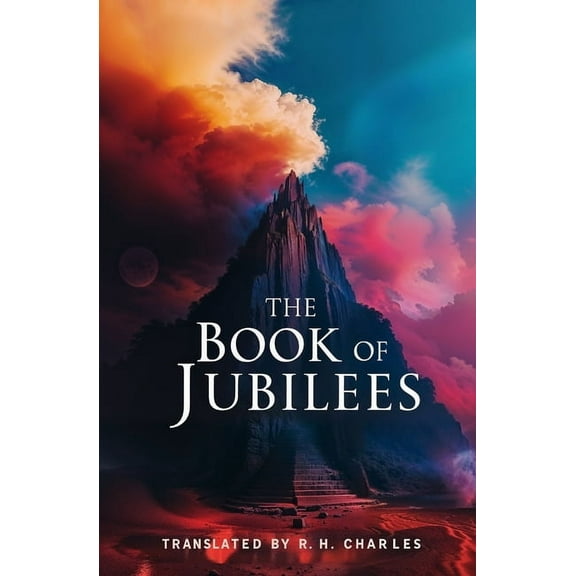
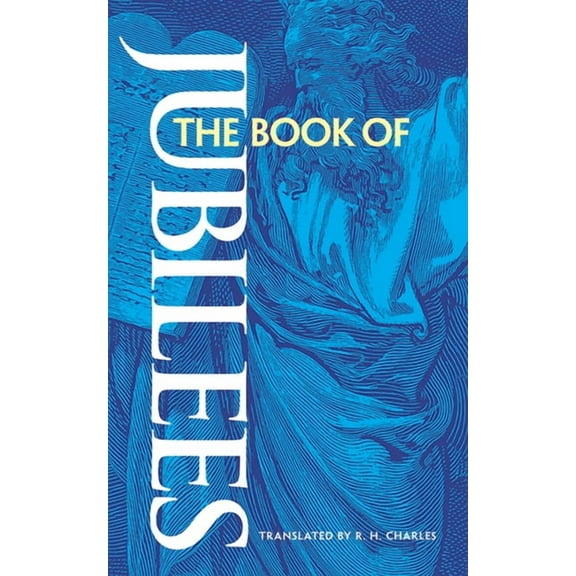
The Book of Jubilees, sometimes referred to as "the Little Genesis," presents a retelling of early biblical history as a revelation given to Moses through an angelic intermediary, organizing events into periods of forty-nine years known as jubilees.
The work recounts material drawn from Genesis and portions of Exodus, extending from the creation of the world to the early life of Moses. While following the general outline of the biblical narrative, it expands upon it with additional detail, interpretive elements, and supplementary traditions, reflecting a distinctive approach to early scriptural history.
Composed most likely in the latter part of the second century B.C., possibly during the reign of the Maccabean ruler John Hyrcanus, the text also reflects the concerns of its own time. Its legal and narrative elements presuppose familiarity with the broader Pentateuch, particularly the Priestly tradition, while certain passages appear to engage indirectly with contemporary religious and cultural developments.
Although it shares some features with apocalyptic literature, including an awareness of a coming Messianic age, the work is primarily historical and didactic in character. Its central purpose lies in its emphasis on religious observance, especially the regulation of the calendar and festivals. Rejecting the intercalated lunar calendar, the author advocates a solar calendar of twelve months totaling 364 days, presenting this reform as essential to proper religious practice.