

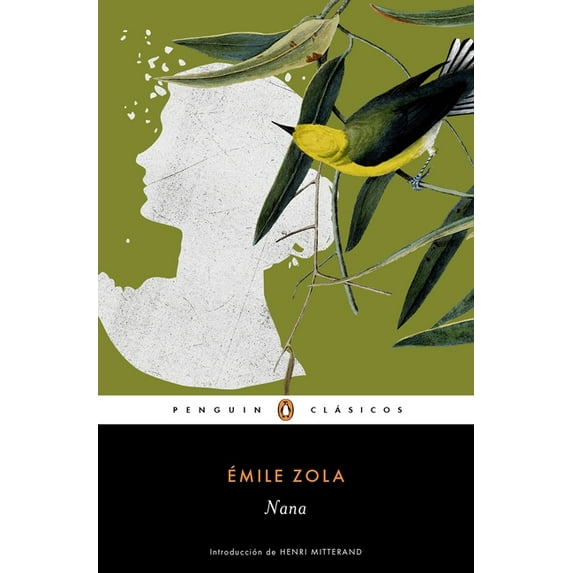
Nana / In Spanish (Paperback)
(No ratings yet)
Key item features
Hija mía, donde hay mujeres, hay bofetadas.
Corre el año 1867, el año de la Exposición Universal. Mientras la Ville Lumière se llena de una élite cosmopolita que se pasea por sus majestuosos bulevares, el destino fatal de Nana, la hija de la lavandera de La taberna y cortesana de belleza provocadora que triunfa en el teatro de variedades, es el de la burguesía decadente.
Esta novela, incluida en el ciclo de los Rougon-Macquart, y enmarcada en la crítica a la hipocresía y la corrupción moral de finde-siècle que vertebra la obra de Zola, se ganó la admiración de Flaubert, entre otros: ¡Capítulo XIV, insuperable...! ¡Sí...! ¡Dios Todopoderoso...! ¡Incomparable!....
Esta edición incluye, como material adicional, una introducción de Henri Mitterand, catedrático emérito de las universidades de la Sorbona y Columbia, y reconocido experto en Zola; el cierre, a modo de epílogo, es un largo perfil del autor escrito por Guy de Maupassant.
ENGLISH DESCRIPTION
Émile Zola is one of the greatest writers of the 19th century, and one of France's best known citizens. In his life, Zola was the most important exemplar of the literary school of naturalism and a major figure in the political liberalization of France. Around the end of his life, Zola was instrumental in helping secure the exoneration of the falsely accused and convicted army officer Alfred Dreyfus, a victim of anti-Semitism. The Dreyfus Affair was encapsulated in the renowned newspaper headline J'Accuse.
More than half of Zola's novels were part of this set of 20 collectively known as Les Rougon-Macquart. Unlike Honore de Balzac, who compiled his works into La Comedie Humaine midway through, Zola mapped out a complete layout of his series. Set in France's Second Empire, the series traces the "environmental" influences of violence, alcohol and prostitution which became more prevalent during the second wave of the Industrial Revolution. The series examines two branches of a family: the respectable Rougons and the disreputable Macquarts for five generations. Zola explained, "I want to portray, at the outset of a century of liberty and truth, a family that cannot restrain itself in its rush to possess all the good things that progress is making available and is derailed by its own momentum, the fatal convulsions that accompany the birth of a new world."
Corre el año 1867, el año de la Exposición Universal. Mientras la Ville Lumière se llena de una élite cosmopolita que se pasea por sus majestuosos bulevares, el destino fatal de Nana, la hija de la lavandera de La taberna y cortesana de belleza provocadora que triunfa en el teatro de variedades, es el de la burguesía decadente.
Esta novela, incluida en el ciclo de los Rougon-Macquart, y enmarcada en la crítica a la hipocresía y la corrupción moral de finde-siècle que vertebra la obra de Zola, se ganó la admiración de Flaubert, entre otros: ¡Capítulo XIV, insuperable...! ¡Sí...! ¡Dios Todopoderoso...! ¡Incomparable!....
Esta edición incluye, como material adicional, una introducción de Henri Mitterand, catedrático emérito de las universidades de la Sorbona y Columbia, y reconocido experto en Zola; el cierre, a modo de epílogo, es un largo perfil del autor escrito por Guy de Maupassant.
ENGLISH DESCRIPTION
Émile Zola is one of the greatest writers of the 19th century, and one of France's best known citizens. In his life, Zola was the most important exemplar of the literary school of naturalism and a major figure in the political liberalization of France. Around the end of his life, Zola was instrumental in helping secure the exoneration of the falsely accused and convicted army officer Alfred Dreyfus, a victim of anti-Semitism. The Dreyfus Affair was encapsulated in the renowned newspaper headline J'Accuse.
More than half of Zola's novels were part of this set of 20 collectively known as Les Rougon-Macquart. Unlike Honore de Balzac, who compiled his works into La Comedie Humaine midway through, Zola mapped out a complete layout of his series. Set in France's Second Empire, the series traces the "environmental" influences of violence, alcohol and prostitution which became more prevalent during the second wave of the Industrial Revolution. The series examines two branches of a family: the respectable Rougons and the disreputable Macquarts for five generations. Zola explained, "I want to portray, at the outset of a century of liberty and truth, a family that cannot restrain itself in its rush to possess all the good things that progress is making available and is derailed by its own momentum, the fatal convulsions that accompany the birth of a new world."
Specs
- Book formatPaperback
- Fiction/nonfictionFiction
- GenreFiction/Classics
- Pages488
- PublisherPRH Grupo Editorial
- Original languagesSpanish
Current price is USD$12.09
Price when purchased online
Out of stock
How do you want your item?
Out of stock
About this item
Product details
Hija mía, donde hay mujeres, hay bofetadas. Corre el año 1867, el año de la Exposición Universal. Mientras la Ville Lumière se llena de una élite cosmopolita que se pasea por sus majestuosos bulevares, el destino fatal de Nana, la hija de la lavandera de La taberna y cortesana de belleza provocadora que triunfa en el teatro de variedades, es el de la burguesía decadente. Esta novela, incluida en el ciclo de los Rougon-Macquart, y enmarcada en la crítica a la hipocresía y la corrupción moral de finde-siècle que vertebra la obra de Zola, se ganó la admiración de Flaubert, entre otros: ¡Capítulo XIV, insuperable...! ¡Sí...! ¡Dios Todopoderoso...! ¡Incomparable!.... Esta edición incluye, como material adicional, una introducción de Henri Mitterand, catedrático emérito de las universidades de la Sorbona y Columbia, y reconocido experto en Zola; el cierre, a modo de epílogo, es un largo perfil del autor escrito por Guy de Maupassant. ENGLISH DESCRIPTION Émile Zola is one of the greatest writers of the 19th century, and one of France's best known citizens. In his life, Zola was the most important exemplar of the literary school of naturalism and a major figure in the political liberalization of France. Around the end of his life, Zola was instrumental in helping secure the exoneration of the falsely accused and convicted army officer Alfred Dreyfus, a victim of anti-Semitism. The Dreyfus Affair was encapsulated in the renowned newspaper headline J'Accuse. More than half of Zola's novels were part of this set of 20 collectively known as Les Rougon-Macquart. Unlike Honore de Balzac, who compiled his works into La Comedie Humaine midway through, Zola mapped out a complete layout of his series. Set in France's Second Empire, the series traces the "environmental" influences of violence, alcohol and prostitution which became more prevalent during the second wave of the Industrial Revolution. The series examines two branches of a family: the respectable Rougons and the disreputable Macquarts for five generations. Zola explained, "I want to portray, at the outset of a century of liberty and truth, a family that cannot restrain itself in its rush to possess all the good things that progress is making available and is derailed by its own momentum, the fatal convulsions that accompany the birth of a new world."
Hija mía, donde hay mujeres, hay bofetadas.
Corre el año 1867, el año de la Exposición Universal. Mientras la Ville Lumière se llena de una élite cosmopolita que se pasea por sus majestuosos bulevares, el destino fatal de Nana, la hija de la lavandera de La taberna y cortesana de belleza provocadora que triunfa en el teatro de variedades, es el de la burguesía decadente.
Esta novela, incluida en el ciclo de los Rougon-Macquart, y enmarcada en la crítica a la hipocresía y la corrupción moral de finde-siècle que vertebra la obra de Zola, se ganó la admiración de Flaubert, entre otros: ¡Capítulo XIV, insuperable...! ¡Sí...! ¡Dios Todopoderoso...! ¡Incomparable!....
Esta edición incluye, como material adicional, una introducción de Henri Mitterand, catedrático emérito de las universidades de la Sorbona y Columbia, y reconocido experto en Zola; el cierre, a modo de epílogo, es un largo perfil del autor escrito por Guy de Maupassant.
ENGLISH DESCRIPTION
Émile Zola is one of the greatest writers of the 19th century, and one of France's best known citizens. In his life, Zola was the most important exemplar of the literary school of naturalism and a major figure in the political liberalization of France. Around the end of his life, Zola was instrumental in helping secure the exoneration of the falsely accused and convicted army officer Alfred Dreyfus, a victim of anti-Semitism. The Dreyfus Affair was encapsulated in the renowned newspaper headline J'Accuse.
More than half of Zola's novels were part of this set of 20 collectively known as Les Rougon-Macquart. Unlike Honore de Balzac, who compiled his works into La Comedie Humaine midway through, Zola mapped out a complete layout of his series. Set in France's Second Empire, the series traces the "environmental" influences of violence, alcohol and prostitution which became more prevalent during the second wave of the Industrial Revolution. The series examines two branches of a family: the respectable Rougons and the disreputable Macquarts for five generations. Zola explained, "I want to portray, at the outset of a century of liberty and truth, a family that cannot restrain itself in its rush to possess all the good things that progress is making available and is derailed by its own momentum, the fatal convulsions that accompany the birth of a new world."
Corre el año 1867, el año de la Exposición Universal. Mientras la Ville Lumière se llena de una élite cosmopolita que se pasea por sus majestuosos bulevares, el destino fatal de Nana, la hija de la lavandera de La taberna y cortesana de belleza provocadora que triunfa en el teatro de variedades, es el de la burguesía decadente.
Esta novela, incluida en el ciclo de los Rougon-Macquart, y enmarcada en la crítica a la hipocresía y la corrupción moral de finde-siècle que vertebra la obra de Zola, se ganó la admiración de Flaubert, entre otros: ¡Capítulo XIV, insuperable...! ¡Sí...! ¡Dios Todopoderoso...! ¡Incomparable!....
Esta edición incluye, como material adicional, una introducción de Henri Mitterand, catedrático emérito de las universidades de la Sorbona y Columbia, y reconocido experto en Zola; el cierre, a modo de epílogo, es un largo perfil del autor escrito por Guy de Maupassant.
ENGLISH DESCRIPTION
Émile Zola is one of the greatest writers of the 19th century, and one of France's best known citizens. In his life, Zola was the most important exemplar of the literary school of naturalism and a major figure in the political liberalization of France. Around the end of his life, Zola was instrumental in helping secure the exoneration of the falsely accused and convicted army officer Alfred Dreyfus, a victim of anti-Semitism. The Dreyfus Affair was encapsulated in the renowned newspaper headline J'Accuse.
More than half of Zola's novels were part of this set of 20 collectively known as Les Rougon-Macquart. Unlike Honore de Balzac, who compiled his works into La Comedie Humaine midway through, Zola mapped out a complete layout of his series. Set in France's Second Empire, the series traces the "environmental" influences of violence, alcohol and prostitution which became more prevalent during the second wave of the Industrial Revolution. The series examines two branches of a family: the respectable Rougons and the disreputable Macquarts for five generations. Zola explained, "I want to portray, at the outset of a century of liberty and truth, a family that cannot restrain itself in its rush to possess all the good things that progress is making available and is derailed by its own momentum, the fatal convulsions that accompany the birth of a new world."
info:
We aim to show you accurate product information. Manufacturers, suppliers and others provide what you see here, and we have not verified it.
Specifications
Book format
Paperback
Fiction/nonfiction
Fiction
Genre
Fiction/Classics
Pages
488
Warranty
Warranty information
Please be aware that the warranty terms on items offered for sale by third party Marketplace sellers may differ from those displayed in this section (if any). To confirm warranty terms on an item offered for sale by a third party Marketplace seller, please use the 'Contact seller' feature on the third party Marketplace seller's information page and request the item's warranty terms prior to purchase.
Customer ratings & reviews
0 ratings|0 reviews
This item does not have any reviews yet

Related pages
- Noviembre 2019
- Pasquale Villari; Linda Villari
- Francia English
- La Caja
- Yesterday Spanish
- Quince
- Hispanic & Latino Novels
- Mexico Historical Teen & Young Adult Books
- Mexico People & Places Teen & Young Adult Books
- Spanish & Portuguese Drama Books
- Literary Collections - Italian
- Literary Collections - Female Authors