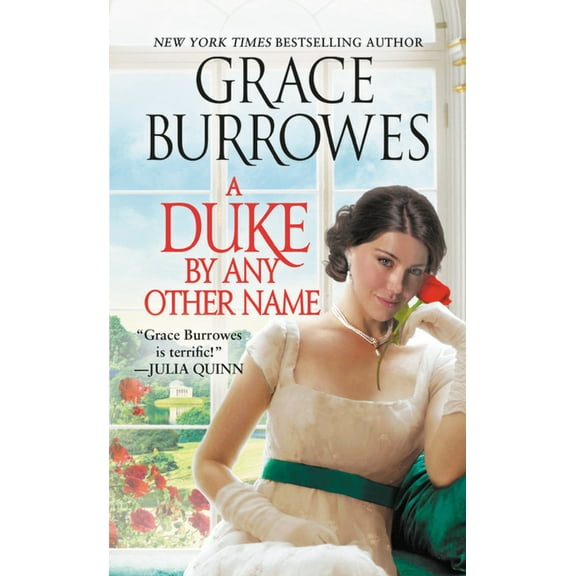
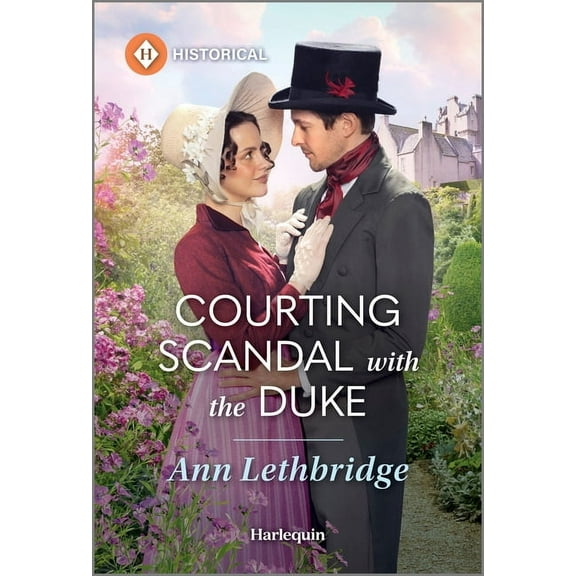
I never thought I would reach the day when a Grace Burrowes book deserved anything but 5 stars. From the very first book I read, The Heir, I was hooked and have gobbled up her writing. But I have definitely seen a trend over the last few books in both of her series that raised some alarm bells and seemed to come to fruition most spectacularly here. She has created characters with increasingly disturbing pasta and then thrown out their mistakes and sins to the world as if challenging the reader to dare to judge them. By pairing that character with a counterpart who refuses to do so, who, in fact, champions them and excuses their behavior, she seems to seek acceptance for a range of bad behavior (some of which is legitimately understandable in the context of the book, some should take some time to absorb and explain, and others was just wrong).
In the author's bid to legitimize a bisexual lifestyle, she created a plot line that was nothing but a diversion from the primary story. In the end, it turned the tale into a taudry soap opera in which the hero's former lovers, both male and female became lovers themselves. In fact, his former lovers, her former lover, and their former lovers circled throughout the story in a way that made the whole mess cheap, dirty, and disgusting when I can only assume she intended for something "authentic." However, there is nothing at all authentic about casually flirting with or discussing homosexual activity during this period of English history when even the aristocracy could be put to death for it. All it accomplished was creating a perverse, callous hero and heroine that were harder to like the more you got to know them.
Beyond this, the plot line failed from the first paragraph as the idea that Abigail would seek to hide herself away by faking her own death as the solution to the problem facing her is not in keeping with her character and is in no way a rational solution. From there, the theoretically formidable Abigail becomes a difficult character, alternating between self-sufficient and subservient, headstrong and overwhelmed.
Stephen, meanwhile, is difficult to embrace as the hero when he begins the story by spending the night with his mistress before breaking things off with her after he hears her talking of becoming emotionally attached to him. (He is then later chagrinned to learn that she quickly moved on.) And then, of course, his sexual history comes up at every turn. His other youthful indiscretions instead of being part of his pain and character development are blithely brushed off by those not wanting to pass judgement on his earlier excesses. Truly, I can embrace a good rake story, but the rake is supposed to reform (which would indicate some sort of remorse and his exploits should be removed from his everyday life, but this is not the case with Stephen.