


Hero image 0 of The Juarez Myth In Mexico (Edition 1) (Paperback), 0 of 1
The Juarez Myth In Mexico (Edition 1) (Paperback)
(No ratings yet)
Key item features
The embodiment of a myth—Benito Juarez
Like many capitals the city of Mexico is a place of monuments-large monuments, small, ancient monuments, and new, representational monuments, and allegorical monuments—each bearing a message from the past. Among them is the Hemiciclo. It stands in a spacious, old, beautiful park, the Alameda Central, where the young and old of the city still promenade on Sundays and holidays as people do in the plazas throughout the country and, indeed, as people do in many parts of the world. Amid green trees and a great variety of flowers and shrubs and flanked by a semicircle of twelve doric columns of white Carrara marble stands the central pedestal of the Hemiciclo supporting the statues of three figures. One statue represents a former president of the republic, Benito Juarez, who appears solemn and grim as a Roman proconsul administering justice. Juarez the Lawgiver is seated, and surrounding him are two allegorical figures, also of marble, one representing Glory, who is placing a crown on Juarez’s head, and the other, the Republic, who stands behind, resting her sword on the ground to signify the end of a gigantic struggle. The letters of the pedestal read: “Al Benemerito Benito Juarez. La Patria.” Many years have passed since 1910, when the Mexican government built and dedicated the Hemiciclo after a design by the architect Guillermo Heredia.
Like many other such monuments it is the embodiment of a myth. In life Juarez offered little to the mythologizers-he was never able to boast a military career, he often impressed people as reserved or even impassive. he stood a little over five feet; with small hands and feet and dark staring eyes, a coppery complexion that helped disguise a large scar across his face, of Zapotec Indian parentage, he was no striking figure. He did, however, lead Mexican liberals in the I 850s and 1860s in their titanic struggle against formidable opposition, both foreign and domestic, and in the years since his death his worshipers have gathered at the Hemiciclo, at his tomb, or in many other places in Mexico sacred to his memory, usually on anniversaries of his birth or death. For them Juarez is, in agreement with the golden inscription on the central pedestal of the Hemiciclo, “Benemerito de la Patria” or even “Benemerito de las Americas.”
Development of a Juarez myth has had all the classic characteristics of myths and mythmaking, especially the subjective view or image of a reality, whether it be of an historical figure, as in the case of Juarez, an event, an institution, or even a geographical region. Image or meaning ascribed to what is assumed to be a reality constitutes one of the main elements of myth and when manipulated to promote a cause assumes a reality of its own. The apotheosis of Juarez projected a subjective view or image of the historical reality. In all myths, to be sure, the assumed reality is a feature useful to an individual or a group.
Like many capitals the city of Mexico is a place of monuments-large monuments, small, ancient monuments, and new, representational monuments, and allegorical monuments—each bearing a message from the past. Among them is the Hemiciclo. It stands in a spacious, old, beautiful park, the Alameda Central, where the young and old of the city still promenade on Sundays and holidays as people do in the plazas throughout the country and, indeed, as people do in many parts of the world. Amid green trees and a great variety of flowers and shrubs and flanked by a semicircle of twelve doric columns of white Carrara marble stands the central pedestal of the Hemiciclo supporting the statues of three figures. One statue represents a former president of the republic, Benito Juarez, who appears solemn and grim as a Roman proconsul administering justice. Juarez the Lawgiver is seated, and surrounding him are two allegorical figures, also of marble, one representing Glory, who is placing a crown on Juarez’s head, and the other, the Republic, who stands behind, resting her sword on the ground to signify the end of a gigantic struggle. The letters of the pedestal read: “Al Benemerito Benito Juarez. La Patria.” Many years have passed since 1910, when the Mexican government built and dedicated the Hemiciclo after a design by the architect Guillermo Heredia.
Like many other such monuments it is the embodiment of a myth. In life Juarez offered little to the mythologizers-he was never able to boast a military career, he often impressed people as reserved or even impassive. he stood a little over five feet; with small hands and feet and dark staring eyes, a coppery complexion that helped disguise a large scar across his face, of Zapotec Indian parentage, he was no striking figure. He did, however, lead Mexican liberals in the I 850s and 1860s in their titanic struggle against formidable opposition, both foreign and domestic, and in the years since his death his worshipers have gathered at the Hemiciclo, at his tomb, or in many other places in Mexico sacred to his memory, usually on anniversaries of his birth or death. For them Juarez is, in agreement with the golden inscription on the central pedestal of the Hemiciclo, “Benemerito de la Patria” or even “Benemerito de las Americas.”
Development of a Juarez myth has had all the classic characteristics of myths and mythmaking, especially the subjective view or image of a reality, whether it be of an historical figure, as in the case of Juarez, an event, an institution, or even a geographical region. Image or meaning ascribed to what is assumed to be a reality constitutes one of the main elements of myth and when manipulated to promote a cause assumes a reality of its own. The apotheosis of Juarez projected a subjective view or image of the historical reality. In all myths, to be sure, the assumed reality is a feature useful to an individual or a group.
Specs
- Book formatPaperback
- Fiction/nonfictionNon-Fiction
- GenreHistory
- Publication dateMarch, 2005
- Pages224
- Edition1
Current price is USD$33.95
Price when purchased online
- Free shipping
 Free 30-day returns
How do you want your item?
Ships to
Arrives between May 29 - Jun 4
|
Sold and shipped by newbookdeals
4.560121765601218 stars out of 5, based on 1971 seller reviews(4.6)1971 seller reviews

Free 30-day returns
About this item
Product details
The embodiment of a myth—Benito Juarez
The embodiment of a myth—Benito Juarez
Like many capitals the city of Mexico is a place of monuments-large monuments, small, ancient monuments, and new, representational monuments, and allegorical monuments—each bearing a message from the past. Among them is the Hemiciclo. It stands in a spacious, old, beautiful park, the Alameda Central, where the young and old of the city still promenade on Sundays and holidays as people do in the plazas throughout the country and, indeed, as people do in many parts of the world. Amid green trees and a great variety of flowers and shrubs and flanked by a semicircle of twelve doric columns of white Carrara marble stands the central pedestal of the Hemiciclo supporting the statues of three figures. One statue represents a former president of the republic, Benito Juarez, who appears solemn and grim as a Roman proconsul administering justice. Juarez the Lawgiver is seated, and surrounding him are two allegorical figures, also of marble, one representing Glory, who is placing a crown on Juarez’s head, and the other, the Republic, who stands behind, resting her sword on the ground to signify the end of a gigantic struggle. The letters of the pedestal read: “Al Benemerito Benito Juarez. La Patria.” Many years have passed since 1910, when the Mexican government built and dedicated the Hemiciclo after a design by the architect Guillermo Heredia.
Like many other such monuments it is the embodiment of a myth. In life Juarez offered little to the mythologizers-he was never able to boast a military career, he often impressed people as reserved or even impassive. he stood a little over five feet; with small hands and feet and dark staring eyes, a coppery complexion that helped disguise a large scar across his face, of Zapotec Indian parentage, he was no striking figure. He did, however, lead Mexican liberals in the I 850s and 1860s in their titanic struggle against formidable opposition, both foreign and domestic, and in the years since his death his worshipers have gathered at the Hemiciclo, at his tomb, or in many other places in Mexico sacred to his memory, usually on anniversaries of his birth or death. For them Juarez is, in agreement with the golden inscription on the central pedestal of the Hemiciclo, “Benemerito de la Patria” or even “Benemerito de las Americas.”
Development of a Juarez myth has had all the classic characteristics of myths and mythmaking, especially the subjective view or image of a reality, whether it be of an historical figure, as in the case of Juarez, an event, an institution, or even a geographical region. Image or meaning ascribed to what is assumed to be a reality constitutes one of the main elements of myth and when manipulated to promote a cause assumes a reality of its own. The apotheosis of Juarez projected a subjective view or image of the historical reality. In all myths, to be sure, the assumed reality is a feature useful to an individual or a group.
Like many capitals the city of Mexico is a place of monuments-large monuments, small, ancient monuments, and new, representational monuments, and allegorical monuments—each bearing a message from the past. Among them is the Hemiciclo. It stands in a spacious, old, beautiful park, the Alameda Central, where the young and old of the city still promenade on Sundays and holidays as people do in the plazas throughout the country and, indeed, as people do in many parts of the world. Amid green trees and a great variety of flowers and shrubs and flanked by a semicircle of twelve doric columns of white Carrara marble stands the central pedestal of the Hemiciclo supporting the statues of three figures. One statue represents a former president of the republic, Benito Juarez, who appears solemn and grim as a Roman proconsul administering justice. Juarez the Lawgiver is seated, and surrounding him are two allegorical figures, also of marble, one representing Glory, who is placing a crown on Juarez’s head, and the other, the Republic, who stands behind, resting her sword on the ground to signify the end of a gigantic struggle. The letters of the pedestal read: “Al Benemerito Benito Juarez. La Patria.” Many years have passed since 1910, when the Mexican government built and dedicated the Hemiciclo after a design by the architect Guillermo Heredia.
Like many other such monuments it is the embodiment of a myth. In life Juarez offered little to the mythologizers-he was never able to boast a military career, he often impressed people as reserved or even impassive. he stood a little over five feet; with small hands and feet and dark staring eyes, a coppery complexion that helped disguise a large scar across his face, of Zapotec Indian parentage, he was no striking figure. He did, however, lead Mexican liberals in the I 850s and 1860s in their titanic struggle against formidable opposition, both foreign and domestic, and in the years since his death his worshipers have gathered at the Hemiciclo, at his tomb, or in many other places in Mexico sacred to his memory, usually on anniversaries of his birth or death. For them Juarez is, in agreement with the golden inscription on the central pedestal of the Hemiciclo, “Benemerito de la Patria” or even “Benemerito de las Americas.”
Development of a Juarez myth has had all the classic characteristics of myths and mythmaking, especially the subjective view or image of a reality, whether it be of an historical figure, as in the case of Juarez, an event, an institution, or even a geographical region. Image or meaning ascribed to what is assumed to be a reality constitutes one of the main elements of myth and when manipulated to promote a cause assumes a reality of its own. The apotheosis of Juarez projected a subjective view or image of the historical reality. In all myths, to be sure, the assumed reality is a feature useful to an individual or a group.
info:
We aim to show you accurate product information. Manufacturers, suppliers and others provide what you see here, and we have not verified it.
Specifications
Book format
Paperback
Fiction/nonfiction
Non-Fiction
Genre
History
Publication date
March, 2005
Warranty
Warranty information
Please be aware that the warranty terms on items offered for sale by third party Marketplace sellers may differ from those displayed in this section (if any). To confirm warranty terms on an item offered for sale by a third party Marketplace seller, please use the 'Contact seller' feature on the third party Marketplace seller's information page and request the item's warranty terms prior to purchase.
Similar items you might like
Based on what customers bought
Histories of Drug Trafficking in Twentieth-Century Mexico, (Paperback) $26.60 Was $29.95
 $2660current price $26.60, Was $29.95$29.95
Histories of Drug Trafficking in Twentieth-Century Mexico, (Paperback)
Viva Mexico!, (Paperback) $17.41
 $1741current price $17.41
Viva Mexico!, (Paperback)
My Adventures In Mexico, (Paperback) $13.25
 $1325current price $13.25
My Adventures In Mexico, (Paperback)
The War of the Chichimecas, (Paperback) $13.92 Was $15.98
 $1392current price $13.92, Was $15.98$15.98
The War of the Chichimecas, (Paperback)
Origins of the Ãuu: Archaeology in the Mixteca Alta, Mexico, (Paperback) $28.39
 $2839current price $28.39
Origins of the Ãuu: Archaeology in the Mixteca Alta, Mexico, (Paperback)
A Visit to Mexico, (Paperback) $13.95
 $1395current price $13.95
A Visit to Mexico, (Paperback)
Myths of Demilitarization in Postrevolutionary Mexico, 1920-1960, (Paperback) $29.61
 $2961current price $29.61
Myths of Demilitarization in Postrevolutionary Mexico, 1920-1960, (Paperback)
The Cristero Counterrevolution and the Battle for the Soul of Mexico, (Hardcover) $31.93
 $3193current price $31.93
The Cristero Counterrevolution and the Battle for the Soul of Mexico, (Hardcover)
Across Mexico in 1864-5, (Paperback) $25.95
 $2595current price $25.95
Across Mexico in 1864-5, (Paperback)
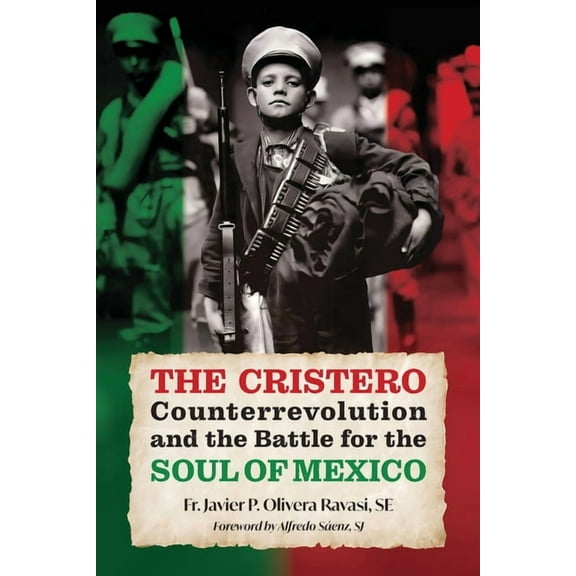
The Cristero Counterrevolution and the Battle for the Soul of Mexico, (Paperback) $21.95
 $2195current price $21.95
The Cristero Counterrevolution and the Battle for the Soul of Mexico, (Paperback)
Baja California Peninsula: The Most Fascinating Peninsula in the Americas, (Hardcover) $28.14 Was $34.96
 $2814current price $28.14, Was $34.96$34.96
Baja California Peninsula: The Most Fascinating Peninsula in the Americas, (Hardcover)
La Corregidora..., (Paperback) $26.95
 $2695current price $26.95
La Corregidora..., (Paperback)
Conquistadores Y Aztecas, (Hardcover) $28.95
 $2895current price $28.95
Conquistadores Y Aztecas, (Hardcover)
History of Mexico: An Enthralling Guide to Millennia of Majestic Civilizations, Conquests, and Transformations Shaping t, (Hardcover) $25.89
 $2589current price $25.89
History of Mexico: An Enthralling Guide to Millennia of Majestic Civilizations, Conquests, and Transformations Shaping t, (Hardcover)
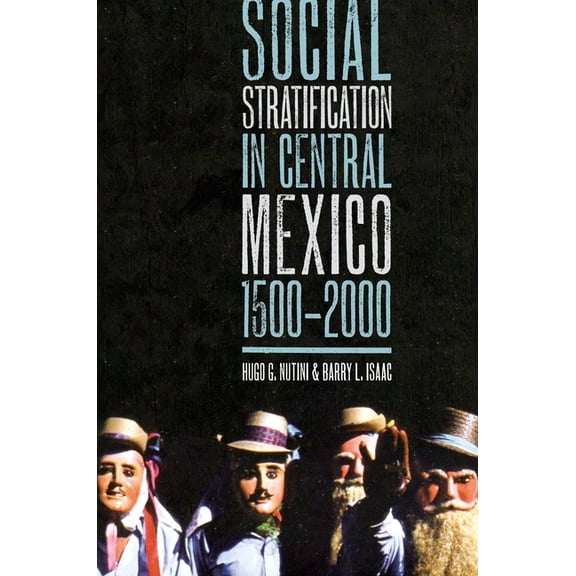
Social Stratification in Central Mexico, 1500-2000, (Paperback) $34.50
 $3450current price $34.50
Social Stratification in Central Mexico, 1500-2000, (Paperback)
Positivism in Mexico, (Paperback) $33.84
 $3384current price $33.84
Positivism in Mexico, (Paperback)
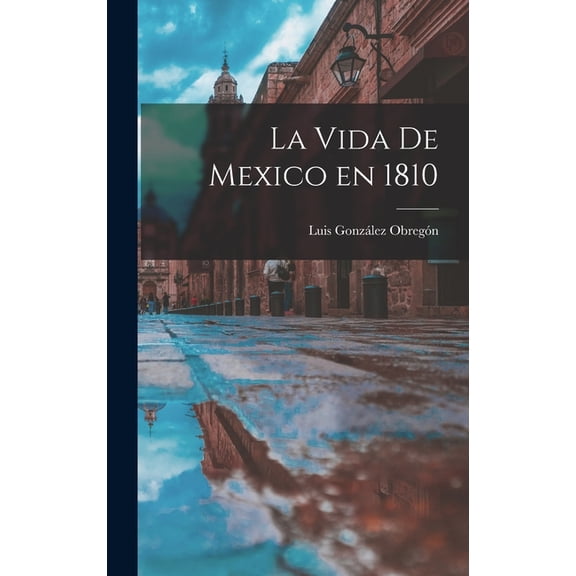
La vida de Mexico en 1810 (Hardcover) $34.14
 $3414current price $34.14
La vida de Mexico en 1810 (Hardcover)
Momentos Positivos de Mexico: Enero 2014 (Paperback) $16.88
 $1688current price $16.88
Momentos Positivos de Mexico: Enero 2014 (Paperback)
Que Viva Mexico!, (Paperback) $17.95
 $1795current price $17.95
Que Viva Mexico!, (Paperback)
Latin America in Translation/En Traducci A Brief History of Violence in Mexico, (Paperback) $32.95
 $3295current price $32.95
Latin America in Translation/En Traducci A Brief History of Violence in Mexico, (Paperback)
Customer ratings & reviews
0 ratings|0 reviews
This item does not have any reviews yet

Related pages
- Best Sellers In Dominican Republic History
- Puerto Rico Cities
- Trabajos En Tulsa
- 3 Facts About Puerto Rico
- Puerto Rican Pictures
- Mexico History Books
- Puerto Rico Disasters
- General Latin American History Books
- Hispanic & Latino United States Teen & Young Adult Books
- Spain & Portugal History Books
- South America History Books
- Puerto Rico School Supplies