


Hero image 0 of South Asia Across the Disciplines: Writing Self, Writing Empire : Chandar Bhan Brahman and the Cultural World of the Indo-Persian State Secretary (Edition 1) (Paperback), 0 of 1
South Asia Across the Disciplines: Writing Self, Writing Empire : Chandar Bhan Brahman and the Cultural World of the Indo-Persian State Secretary (Edition 1) (Paperback)
(No ratings yet)
Key item features
A free ebook version of this title is available through Luminos, University of California Press’s new open access publishing program for monographs. Visit www.luminosoa.org to learn more.
Writing Self, Writing Empire examines the life, career, and writings of the Mughal state secretary, or munshi, Chandar Bhan “Brahman” (d. c.1670), one of the great Indo-Persian poets and prose stylists of early modern South Asia. Chandar Bhan’s life spanned the reigns of four different emperors, Akbar (1556-1605), Jahangir (1605-1627), Shah Jahan (1628-1658), and Aurangzeb ‘Alamgir (1658-1707), the last of the “Great Mughals” whose courts dominated the culture and politics of the subcontinent at the height of the empire’s power, territorial reach, and global influence.
As a high-caste Hindu who worked for a series of Muslim monarchs and other officials, forming powerful friendships along the way, Chandar Bhan’s experience bears vivid testimony to the pluralistic atmosphere of the Mughal court, particularly during the reign of Shah Jahan, the celebrated builder of the Taj Mahal. But his widely circulated and emulated works also touch on a range of topics central to our understanding of the court’s literary, mystical, administrative, and ethical cultures, while his letters and autobiographical writings provide tantalizing examples of early modern Indo-Persian modes of self-fashioning. Chandar Bhan’s oeuvre is a valuable window onto a crucial, though surprisingly neglected, period of Mughal cultural and political history.
Writing Self, Writing Empire examines the life, career, and writings of the Mughal state secretary, or munshi, Chandar Bhan “Brahman” (d. c.1670), one of the great Indo-Persian poets and prose stylists of early modern South Asia. Chandar Bhan’s life spanned the reigns of four different emperors, Akbar (1556-1605), Jahangir (1605-1627), Shah Jahan (1628-1658), and Aurangzeb ‘Alamgir (1658-1707), the last of the “Great Mughals” whose courts dominated the culture and politics of the subcontinent at the height of the empire’s power, territorial reach, and global influence.
As a high-caste Hindu who worked for a series of Muslim monarchs and other officials, forming powerful friendships along the way, Chandar Bhan’s experience bears vivid testimony to the pluralistic atmosphere of the Mughal court, particularly during the reign of Shah Jahan, the celebrated builder of the Taj Mahal. But his widely circulated and emulated works also touch on a range of topics central to our understanding of the court’s literary, mystical, administrative, and ethical cultures, while his letters and autobiographical writings provide tantalizing examples of early modern Indo-Persian modes of self-fashioning. Chandar Bhan’s oeuvre is a valuable window onto a crucial, though surprisingly neglected, period of Mughal cultural and political history.
Specs
- Book formatPaperback
- Fiction/nonfictionNon-Fiction
- GenreBiography & Memoirs
- Pub date20150917
- Pages394
- SubgenreGeneral
Current price is USD$42.02
Price when purchased online
- Free shipping
 Free 30-day returns
How do you want your item?
Columbus, 43215
Arrives by Wed, Apr 15
|
Sold and shipped by Alibris Books
4.5641507660494405 stars out of 5, based on 10639 seller reviews(4.6)10639 seller reviews

Free 30-day returns
More seller options (2)
Starting from $44.75
About this item
Product details
A free ebook version of this title is available through Luminos, University of California Press's new open access publishing program for monographs. Visit www.luminosoa.org to learn more. Writing Self, Writing Empire examines the life, career, and writings of the Mughal state secretary, or munshi, Chandar Bhan "Brahman" (d. c.1670), one of the great Indo-Persian poets and prose stylists of early modern South Asia. Chandar Bhan's life spanned the reigns of four different emperors, Akbar (1556-1605), Jahangir (1605-1627), Shah Jahan (1628-1658), and Aurangzeb 'Alamgir (1658-1707), the last of the "Great Mughals" whose courts dominated the culture and politics of the subcontinent at the height of the empire's power, territorial reach, and global influence. As a high-caste Hindu who worked for a series of Muslim monarchs and other officials, forming powerful friendships along the way, Chandar Bhan's experience bears vivid testimony to the pluralistic atmosphere of the Mughal court, particularly during the reign of Shah Jahan, the celebrated builder of the Taj Mahal. But his widely circulated and emulated works also touch on a range of topics central to our understanding of the court's literary, mystical, administrative, and ethical cultures, while his letters and autobiographical writings provide tantalizing examples of early modern Indo-Persian modes of self-fashioning. Chandar Bhan's oeuvre is a valuable window onto a crucial, though surprisingly neglected, period of Mughal cultural and political history.
A free ebook version of this title is available through Luminos, University of California Press’s new open access publishing program for monographs. Visit www.luminosoa.org to learn more.
Writing Self, Writing Empire examines the life, career, and writings of the Mughal state secretary, or munshi, Chandar Bhan “Brahman” (d. c.1670), one of the great Indo-Persian poets and prose stylists of early modern South Asia. Chandar Bhan’s life spanned the reigns of four different emperors, Akbar (1556-1605), Jahangir (1605-1627), Shah Jahan (1628-1658), and Aurangzeb ‘Alamgir (1658-1707), the last of the “Great Mughals” whose courts dominated the culture and politics of the subcontinent at the height of the empire’s power, territorial reach, and global influence.
As a high-caste Hindu who worked for a series of Muslim monarchs and other officials, forming powerful friendships along the way, Chandar Bhan’s experience bears vivid testimony to the pluralistic atmosphere of the Mughal court, particularly during the reign of Shah Jahan, the celebrated builder of the Taj Mahal. But his widely circulated and emulated works also touch on a range of topics central to our understanding of the court’s literary, mystical, administrative, and ethical cultures, while his letters and autobiographical writings provide tantalizing examples of early modern Indo-Persian modes of self-fashioning. Chandar Bhan’s oeuvre is a valuable window onto a crucial, though surprisingly neglected, period of Mughal cultural and political history.
Writing Self, Writing Empire examines the life, career, and writings of the Mughal state secretary, or munshi, Chandar Bhan “Brahman” (d. c.1670), one of the great Indo-Persian poets and prose stylists of early modern South Asia. Chandar Bhan’s life spanned the reigns of four different emperors, Akbar (1556-1605), Jahangir (1605-1627), Shah Jahan (1628-1658), and Aurangzeb ‘Alamgir (1658-1707), the last of the “Great Mughals” whose courts dominated the culture and politics of the subcontinent at the height of the empire’s power, territorial reach, and global influence.
As a high-caste Hindu who worked for a series of Muslim monarchs and other officials, forming powerful friendships along the way, Chandar Bhan’s experience bears vivid testimony to the pluralistic atmosphere of the Mughal court, particularly during the reign of Shah Jahan, the celebrated builder of the Taj Mahal. But his widely circulated and emulated works also touch on a range of topics central to our understanding of the court’s literary, mystical, administrative, and ethical cultures, while his letters and autobiographical writings provide tantalizing examples of early modern Indo-Persian modes of self-fashioning. Chandar Bhan’s oeuvre is a valuable window onto a crucial, though surprisingly neglected, period of Mughal cultural and political history.
info:
We aim to show you accurate product information. Manufacturers, suppliers and others provide what you see here, and we have not verified it.
Specifications
Book format
Paperback
Fiction/nonfiction
Non-Fiction
Genre
Biography & Memoirs
Pub date
20150917
Warranty
Warranty information
Please be aware that the warranty terms on items offered for sale by third party Marketplace sellers may differ from those displayed in this section (if any). To confirm warranty terms on an item offered for sale by a third party Marketplace seller, please use the 'Contact seller' feature on the third party Marketplace seller's information page and request the item's warranty terms prior to purchase.
Similar items you might like
Based on what customers bought
In the Steppes of Central Asia: Study score, (Paperback) $11.95
 $1195current price $11.95
In the Steppes of Central Asia: Study score, (Paperback)
Saare Jahan ka Dard: (Pain of the world, Urdu Humorous Essays), (Paperback) $22.74
 $2274current price $22.74
Saare Jahan ka Dard: (Pain of the world, Urdu Humorous Essays), (Paperback)
Nias Man and Nature in Asia State, Society and the Environment in South Asia, (Paperback) $39.99
 $3999current price $39.99
Nias Man and Nature in Asia State, Society and the Environment in South Asia, (Paperback)
Mind, Language and World: The Collected Essays of Bimal Krishna Matilal Volume I, (Paperback) $38.78
 $3878current price $38.78
Mind, Language and World: The Collected Essays of Bimal Krishna Matilal Volume I, (Paperback)
The Range of the River: A Riverine History of Empire Across China, India, and Southeast Asia, (Paperback) $26.60
 $2660current price $26.60
The Range of the River: A Riverine History of Empire Across China, India, and Southeast Asia, (Paperback)
Sinotheory Siting Postcoloniality: Critical Perspectives from the East Asian Sinosphere, (Paperback) $31.68
 $3168current price $31.68
Sinotheory Siting Postcoloniality: Critical Perspectives from the East Asian Sinosphere, (Paperback)
Hibiscus on the Lake: 20th Century Telugu Poetry from India, (Paperback) $19.22 Was $21.43
 $1922current price $19.22, Was $21.43$21.43
Hibiscus on the Lake: 20th Century Telugu Poetry from India, (Paperback)
Cornell East Asia Dramatic Representations of Filial Piety: Five Nohs in Translation, (Paperback) $15.80
 $1580current price $15.80
Cornell East Asia Dramatic Representations of Filial Piety: Five Nohs in Translation, (Paperback)
SUNY Series, Studies in the Long Ninetee Empire of Culture: Neo-Victorian Narratives in the Global Creative Economy, (Paperback) $34.94
 $3494current price $34.94
SUNY Series, Studies in the Long Ninetee Empire of Culture: Neo-Victorian Narratives in the Global Creative Economy, (Paperback)
Nehru's India Essays on the Maker of a Nation, (Paperback) $25.99
 $2599current price $25.99
Nehru's India Essays on the Maker of a Nation, (Paperback)
South Asia Across the Disciplines: The Hegemony of Heritage : Ritual and the Record in Stone (Edition 1) (Paperback) $47.39
 $4739current price $47.39
South Asia Across the Disciplines: The Hegemony of Heritage : Ritual and the Record in Stone (Edition 1) (Paperback)
Studies in Asian Culture The Confucian Kingship in Korea, (Paperback) $44.21
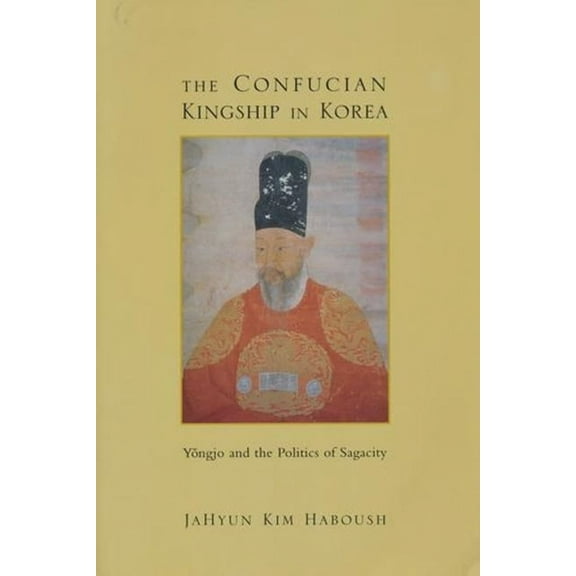 $4421current price $44.21
Studies in Asian Culture The Confucian Kingship in Korea, (Paperback)
Routledge Contemporary Southeast Asia Embodied Performativity in Southeast Asia: Multidisciplinary Corporealities, (Paperback) $25.59
 $2559current price $25.59
Routledge Contemporary Southeast Asia Embodied Performativity in Southeast Asia: Multidisciplinary Corporealities, (Paperback)
State and Government in Ancient India, (Paperback) $26.32
 $2632current price $26.32
State and Government in Ancient India, (Paperback)
South Asia Across the Disciplines Culture of Encounters: Sanskrit at the Mughal Court, (Paperback) $35.00
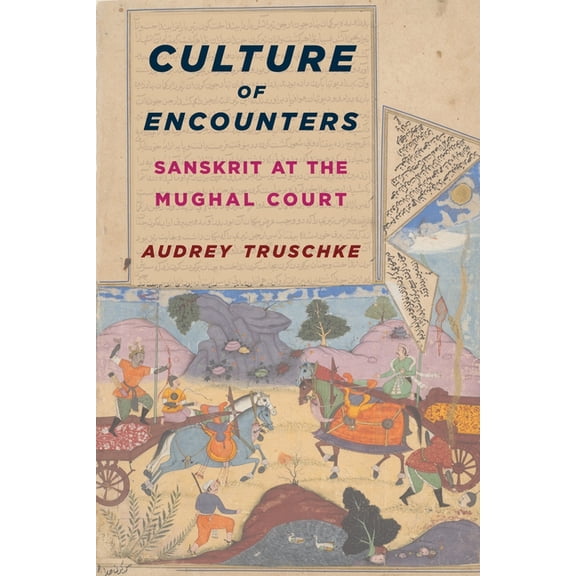 $3500current price $35.00
South Asia Across the Disciplines Culture of Encounters: Sanskrit at the Mughal Court, (Paperback)
Studies on Southeast Asia Sumatran Sultanate and Colonial State, Book 37, (Paperback) $44.16
 $4416current price $44.16
Studies on Southeast Asia Sumatran Sultanate and Colonial State, Book 37, (Paperback)
How to Be South Asian in America : Narratives of Ambivalence and Belonging (Paperback) $34.89
 $3489current price $34.89
How to Be South Asian in America : Narratives of Ambivalence and Belonging (Paperback)
Transcultural Humanities in South Asia: Critical Essays on Literature and Culture, (Paperback) $45.73
 $4573current price $45.73
Transcultural Humanities in South Asia: Critical Essays on Literature and Culture, (Paperback)
Suny Series, Genders in the Global South The Space of the Transnational: Feminisms and Ummah in African and Southeast Asian Writing, (Paperback) $36.81
 $3681current price $36.81
Suny Series, Genders in the Global South The Space of the Transnational: Feminisms and Ummah in African and Southeast Asian Writing, (Paperback)
Translation/Transnation Guru English: South Asian Religion in a Cosmopolitan Language, Book 12, (Paperback) $33.48
 $3348current price $33.48
Translation/Transnation Guru English: South Asian Religion in a Cosmopolitan Language, Book 12, (Paperback)
Customer ratings & reviews
0 ratings|0 reviews
This item does not have any reviews yet
