The Arab Spring Five Years Later (Mixed media product)
Key item features
The dilemma felt by Arab youth was captured in Tunisia by the selfimmolation in 2010 of Mohamed Bouazizi, who was frustrated by restrictions on his small street-vending business. His death became the catalyst for revolts throughout the Middle East. The frustration had been building for some time: large segments of society were denied economic progress, while the middle class was squeezed, and governments had cut back on services and public employment.
Since the series of uprisings began, the debate in Arab countries has focused almost exclusively on politics and questions of national identity. However, economic issues are driving the agenda, and real economic grievances must be addressed in order for the many transitions to succeed.
Hafez Ghanem gives a thorough assessment of the Arab Spring, beginning with political developments since the revolutions and changes in the legal and institutional frameworks that affect economies. Arab economies grew at healthy rates before the revolts, but the benefits of economic growth were unfairly distributed. The politically connected reaped great benefits, while educated youth could not find decent jobs, and the poor and middle class struggled to make ends meet.
Ghanem advises that Arab countries need to adopt new economic policies and programs that enhance inclusiveness, expand the middle class, and foster growth in undeveloped regions. Key elements include strengthening economic institutions, developing small businesses, reforming the education system to better prepare Arab youth for the modern labor market, promoting gender equality with the objective of raising female labor market participation rates, and setting up programs for rural and regional development to reduce inequality and eliminate extreme poverty.
Specs
- Fiction/nonfictionNon-Fiction
- GenreHistory
- Publication dateJanuary, 2016
- Pages693
- Reading levelGeneral (US: Trade)
- EditionStandard Edition
How do you want your item?
About this item
Product details
Hafez Ghanem gives a thorough assessment of the Arab Spring, beginning with political developments since the revolutions and changes in the legal and institutional frameworks that affect economies. Arab economies grew at healthy rates before the revolts, but the benefits of economic growth were unfairly distributed. The politically connected reaped great benefits, while educated youth could not find decent jobs, and the poor and middle class struggled to make ends meet.
The dilemma felt by Arab youth was captured in Tunisia by the selfimmolation in 2010 of Mohamed Bouazizi, who was frustrated by restrictions on his small street-vending business. His death became the catalyst for revolts throughout the Middle East. The frustration had been building for some time: large segments of society were denied economic progress, while the middle class was squeezed, and governments had cut back on services and public employment.
Since the series of uprisings began, the debate in Arab countries has focused almost exclusively on politics and questions of national identity. However, economic issues are driving the agenda, and real economic grievances must be addressed in order for the many transitions to succeed.
Hafez Ghanem gives a thorough assessment of the Arab Spring, beginning with political developments since the revolutions and changes in the legal and institutional frameworks that affect economies. Arab economies grew at healthy rates before the revolts, but the benefits of economic growth were unfairly distributed. The politically connected reaped great benefits, while educated youth could not find decent jobs, and the poor and middle class struggled to make ends meet.
Ghanem advises that Arab countries need to adopt new economic policies and programs that enhance inclusiveness, expand the middle class, and foster growth in undeveloped regions. Key elements include strengthening economic institutions, developing small businesses, reforming the education system to better prepare Arab youth for the modern labor market, promoting gender equality with the objective of raising female labor market participation rates, and setting up programs for rural and regional development to reduce inequality and eliminate extreme poverty.
Specifications
Fiction/nonfiction
Genre
Publication date
Pages
Warranty
Warranty information
Similar items you might like
Based on what customers bought
Verrenkung des Kiefergelenks (Temporomandibulargelenk), (Paperback) $63.56
 $6356current price $63.56
Verrenkung des Kiefergelenks (Temporomandibulargelenk), (Paperback)
The Middle East in 1958: Reimagining a Revolutionary Year, (Paperback) $39.95
 $3995current price $39.95
The Middle East in 1958: Reimagining a Revolutionary Year, (Paperback)
Natural Products Chemistry (Paperback) $62.05
 $6205current price $62.05
Natural Products Chemistry (Paperback)
O desempenho da polÃtica económica no Sudão (1990-2010), (Paperback) $65.00
 $6500current price $65.00
O desempenho da polÃtica económica no Sudão (1990-2010), (Paperback)
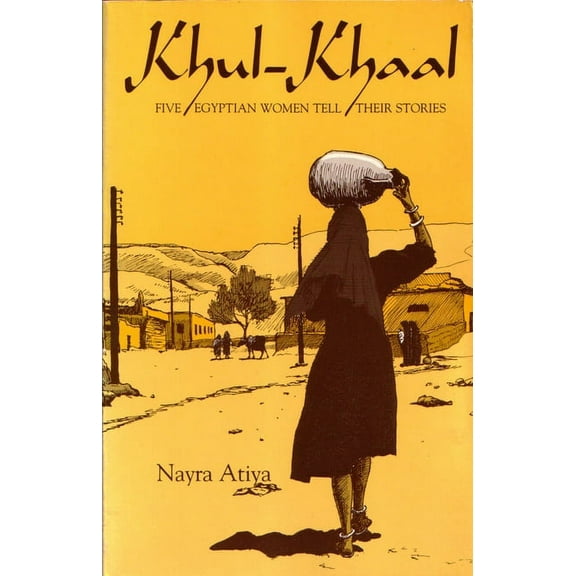
Contemporary Issues in the Middle East Khul-Khaal: Five Egyptian Women Tell Their Stories, (Paperback) $18.95
 $1895current price $18.95
Contemporary Issues in the Middle East Khul-Khaal: Five Egyptian Women Tell Their Stories, (Paperback)
15 out of 5 Stars. 1 reviewsArab Revolutions and Beyond: The Middle East and Reverberations in the Americas, (Hardcover) $56.14
 $5614current price $56.14
Arab Revolutions and Beyond: The Middle East and Reverberations in the Americas, (Hardcover)
La fiction arabe anglophone de l'après 11 septembre, (Paperback) $56.00
 $5600current price $56.00
La fiction arabe anglophone de l'après 11 septembre, (Paperback)
Palestine in the Egyptian Press: From Al-Ahram to Al-Ahali, (Paperback) $74.95
 $7495current price $74.95
Palestine in the Egyptian Press: From Al-Ahram to Al-Ahali, (Paperback)
BAR International: The Ubaid Period in Iraq, Part i (Paperback) $85.36
 $8536current price $85.36
BAR International: The Ubaid Period in Iraq, Part i (Paperback)
Contemporary Middle East Iran: Stuck in Transition, (Paperback) $79.63
 $7963current price $79.63
Contemporary Middle East Iran: Stuck in Transition, (Paperback)
-NA- $35.89
 $3589current price $35.89
-NA-
Histoire: Mahomet Et Les Arabes (Paperback) $25.84
 $2584current price $25.84
Histoire: Mahomet Et Les Arabes (Paperback)
Cmes Modern Middle East Literatures in T Siraaj: An Arab Tale, (Paperback) $21.67
 $2167current price $21.67
Cmes Modern Middle East Literatures in T Siraaj: An Arab Tale, (Paperback)
Turkey, the Arab Spring and Beyond, (Paperback) $42.99
 $4299current price $42.99
Turkey, the Arab Spring and Beyond, (Paperback)
Libya in the Arab Spring: From Revolution to Insecurity, (Hardcover) $68.35
 $6835current price $68.35
Libya in the Arab Spring: From Revolution to Insecurity, (Hardcover)
An Investigation into the Negative Effects of Social Media (Paperback) $86.02
 $8602current price $86.02
An Investigation into the Negative Effects of Social Media (Paperback)
Qatar and the Arab Spring (Hardcover) $59.06
 $5906current price $59.06
Qatar and the Arab Spring (Hardcover)
Wplyw eksportu fosforanów na wzrost gospodarczy, (Paperback) $45.00
 $4500current price $45.00
Wplyw eksportu fosforanów na wzrost gospodarczy, (Paperback)