


Savage Frontier : Making News and Security on the Argentine Border (Edition 1) (Paperback)
(No ratings yet)
Key item features
From MacArthur "Genius" Fellow Ieva Jusionyte, a groundbreaking anthropological study of how security is organized, perceived, and lived along the "hot border" where Argentina, Brazil, and Paraguay converge.
This highly original work of anthropology combines extensive ethnographic fieldwork and investigative journalism to explain how security is understood, experienced, and constructed along the Triple Frontera, the border region shared by Argentina, Brazil, and Paraguay. One of the major "hot borders" in the Western Hemisphere, the Triple Frontera is associated with drug and human trafficking, contraband, money laundering, and terrorism. It's also a place where residents, particularly on the Argentine side, are subjected to increased governmental control and surveillance.
How does a scholar tell a story about a place characterized by illicit international trading, rampant violence, and governmental militarization? Jusionyte inventively centered her ethnographic fieldwork on a community of journalists who investigate and report on crime and violence in the region. Through them she learned that a fair amount of petty, small-scale illicit trading goes unreported—a consequence of a community invested in promoting the idea that the border is a secure place that does not warrant militarized attention. The author's work demonstrates that while media is often seen as a powerful tool for spreading a sense of danger and uncertainty, sensationalizing crime and violence, and creating moral panics, journalists can actually do the opposite. Those who selectively report on illegal activities use the news to tell particular types of stories in an attempt to make their communities look and ultimately be more secure.
This highly original work of anthropology combines extensive ethnographic fieldwork and investigative journalism to explain how security is understood, experienced, and constructed along the Triple Frontera, the border region shared by Argentina, Brazil, and Paraguay. One of the major "hot borders" in the Western Hemisphere, the Triple Frontera is associated with drug and human trafficking, contraband, money laundering, and terrorism. It's also a place where residents, particularly on the Argentine side, are subjected to increased governmental control and surveillance.
How does a scholar tell a story about a place characterized by illicit international trading, rampant violence, and governmental militarization? Jusionyte inventively centered her ethnographic fieldwork on a community of journalists who investigate and report on crime and violence in the region. Through them she learned that a fair amount of petty, small-scale illicit trading goes unreported—a consequence of a community invested in promoting the idea that the border is a secure place that does not warrant militarized attention. The author's work demonstrates that while media is often seen as a powerful tool for spreading a sense of danger and uncertainty, sensationalizing crime and violence, and creating moral panics, journalists can actually do the opposite. Those who selectively report on illegal activities use the news to tell particular types of stories in an attempt to make their communities look and ultimately be more secure.
Specs
- Book formatPaperback
- Fiction/nonfictionNon-Fiction
- Publication dateJune, 2015
- Pages304
- SubgenreAnthropology
- Series titleNo Series
Current price is USDNow $24.80
You save $4.75
was $29.55$29.55
You save$4.75
Price when purchased online
 Free 90-day returns
How do you want your item?
Try 30 days for just $1! Choose a plan at checkout.
Ships to
Arrives by Wed, May 20
Sold and shipped by Walmart.com

Free 90-day returns

This item is gift eligible
More seller options (3)
Starting from $36.65

Try 30 days of Walmart+ for just $1!
T&C apply. Claim offer now
About this item
Product details
From MacArthur "Genius" Fellow Ieva Jusionyte, a groundbreaking anthropological study of how security is organized, perceived, and lived along the "hot border" where Argentina, Brazil, and Paraguay converge. This highly original work of anthropology combines extensive ethnographic fieldwork and investigative journalism to explain how security is understood, experienced, and constructed along the Triple Frontera, the border region shared by Argentina, Brazil, and Paraguay. One of the major "hot borders" in the Western Hemisphere, the Triple Frontera is associated with drug and human trafficking, contraband, money laundering, and terrorism. It's also a place where residents, particularly on the Argentine side, are subjected to increased governmental control and surveillance. How does a scholar tell a story about a place characterized by illicit international trading, rampant violence, and governmental militarization? Jusionyte inventively centered her ethnographic fieldwork on a community of journalists who investigate and report on crime and violence in the region. Through them she learned that a fair amount of petty, small-scale illicit trading goes unreported--a consequence of a community invested in promoting the idea that the border is a secure place that does not warrant militarized attention. The author's work demonstrates that while media is often seen as a powerful tool for spreading a sense of danger and uncertainty, sensationalizing crime and violence, and creating moral panics, journalists can actually do the opposite. Those who selectively report on illegal activities use the news to tell particular types of stories in an attempt to make their communities look and ultimately be more secure.
From MacArthur "Genius" Fellow Ieva Jusionyte, a groundbreaking anthropological study of how security is organized, perceived, and lived along the "hot border" where Argentina, Brazil, and Paraguay converge.
This highly original work of anthropology combines extensive ethnographic fieldwork and investigative journalism to explain how security is understood, experienced, and constructed along the Triple Frontera, the border region shared by Argentina, Brazil, and Paraguay. One of the major "hot borders" in the Western Hemisphere, the Triple Frontera is associated with drug and human trafficking, contraband, money laundering, and terrorism. It's also a place where residents, particularly on the Argentine side, are subjected to increased governmental control and surveillance.
How does a scholar tell a story about a place characterized by illicit international trading, rampant violence, and governmental militarization? Jusionyte inventively centered her ethnographic fieldwork on a community of journalists who investigate and report on crime and violence in the region. Through them she learned that a fair amount of petty, small-scale illicit trading goes unreported—a consequence of a community invested in promoting the idea that the border is a secure place that does not warrant militarized attention. The author's work demonstrates that while media is often seen as a powerful tool for spreading a sense of danger and uncertainty, sensationalizing crime and violence, and creating moral panics, journalists can actually do the opposite. Those who selectively report on illegal activities use the news to tell particular types of stories in an attempt to make their communities look and ultimately be more secure.
This highly original work of anthropology combines extensive ethnographic fieldwork and investigative journalism to explain how security is understood, experienced, and constructed along the Triple Frontera, the border region shared by Argentina, Brazil, and Paraguay. One of the major "hot borders" in the Western Hemisphere, the Triple Frontera is associated with drug and human trafficking, contraband, money laundering, and terrorism. It's also a place where residents, particularly on the Argentine side, are subjected to increased governmental control and surveillance.
How does a scholar tell a story about a place characterized by illicit international trading, rampant violence, and governmental militarization? Jusionyte inventively centered her ethnographic fieldwork on a community of journalists who investigate and report on crime and violence in the region. Through them she learned that a fair amount of petty, small-scale illicit trading goes unreported—a consequence of a community invested in promoting the idea that the border is a secure place that does not warrant militarized attention. The author's work demonstrates that while media is often seen as a powerful tool for spreading a sense of danger and uncertainty, sensationalizing crime and violence, and creating moral panics, journalists can actually do the opposite. Those who selectively report on illegal activities use the news to tell particular types of stories in an attempt to make their communities look and ultimately be more secure.
info:
We aim to show you accurate product information. Manufacturers, suppliers and others provide what you see here, and we have not verified it.
Specifications
Book format
Paperback
Fiction/nonfiction
Non-Fiction
Genre
Political & Social Sciences
Publication date
June, 2015
Warranty
Warranty information
Please be aware that the warranty terms on items offered for sale by third party Marketplace sellers may differ from those displayed in this section (if any). To confirm warranty terms on an item offered for sale by a third party Marketplace seller, please use the 'Contact seller' feature on the third party Marketplace seller's information page and request the item's warranty terms prior to purchase.
Similar items you might like
Based on what customers bought
Global Conversations: Mexico, (Paperback) $21.69
 $2169current price $21.69
Global Conversations: Mexico, (Paperback)
Together We Fight: Surviving Peru's Campaign of Coercive Sterilizations, (Paperback) $29.95
 $2995current price $29.95
Together We Fight: Surviving Peru's Campaign of Coercive Sterilizations, (Paperback)
California Public Anthropology Threshold: Emergency Responders on the Us-Mexico Border Volume 41, Book 41, (Paperback) $28.00
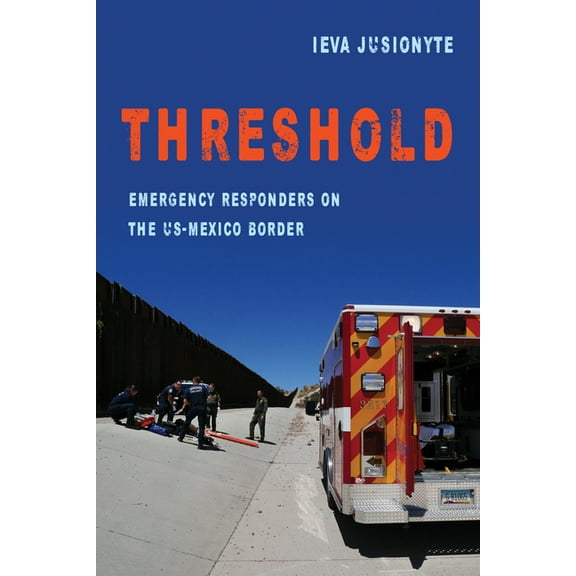 $2800current price $28.00
California Public Anthropology Threshold: Emergency Responders on the Us-Mexico Border Volume 41, Book 41, (Paperback)
Once You Get Far Enough Away, You're on Your Way Back Home, (Paperback) $13.36
 $1336current price $13.36
Once You Get Far Enough Away, You're on Your Way Back Home, (Paperback)
Urban Ecologies on the Edge: Making Manila's Resource Frontier, (Paperback) $29.95
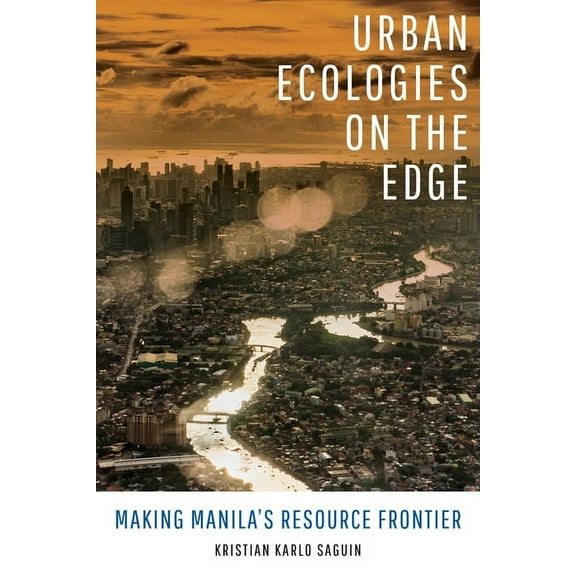 $2995current price $29.95
Urban Ecologies on the Edge: Making Manila's Resource Frontier, (Paperback)
A Line on the Beach: Actionable Plan, (Paperback) $12.99
 $1299current price $12.99
A Line on the Beach: Actionable Plan, (Paperback)
Best seller A Court of Mist and Fury (Paperback) $9.68
Best seller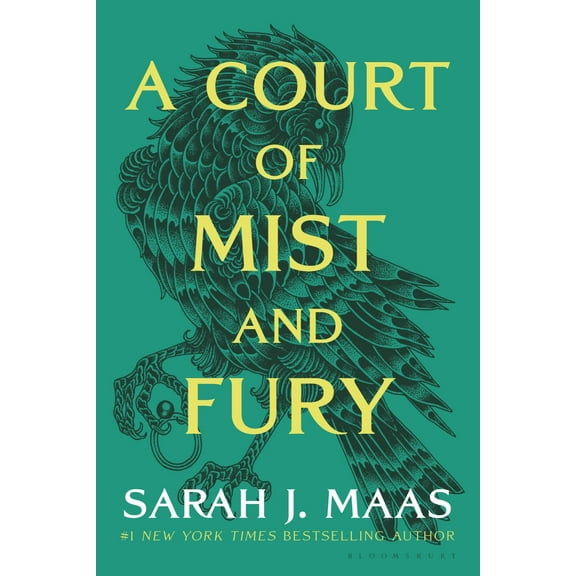 $968current price $9.68
A Court of Mist and Fury (Paperback)
3934.9 out of 5 Stars. 393 reviewsBorder Crossing Bombs and Guacamole, Book 1, (Paperback) $23.11
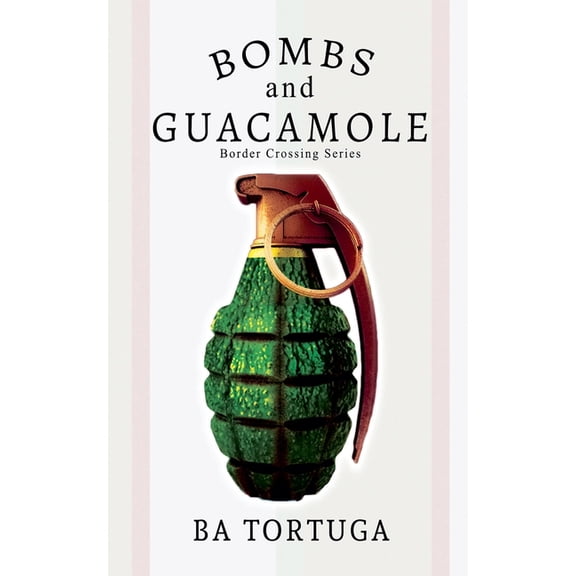 $2311current price $23.11
Border Crossing Bombs and Guacamole, Book 1, (Paperback)
La Española (the Hispaniola Island), (Paperback) $17.59
 $1759current price $17.59
La Española (the Hispaniola Island), (Paperback)
Adventures on the Gringo Trail: An Artist's Awakening, (Paperback) $16.26 Was $32.03
 $1626current price $16.26, Was $32.03$32.03
Adventures on the Gringo Trail: An Artist's Awakening, (Paperback)
Retablo Ibérico / Iberian Altarpiece, (Paperback) $23.38
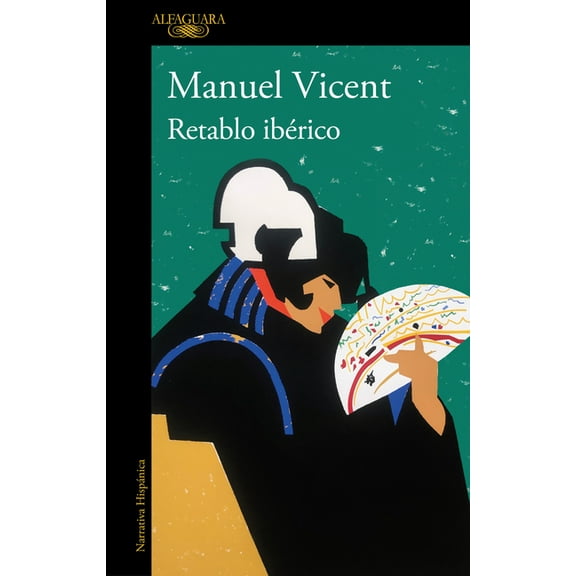 $2338current price $23.38
Retablo Ibérico / Iberian Altarpiece, (Paperback)
Best seller Your Knife, My Heart (Deluxe Edition) (Paperback) $13.28
Best seller $1328current price $13.28
Your Knife, My Heart (Deluxe Edition) (Paperback)
334.8 out of 5 Stars. 33 reviewsCurating at the Edge: Artists Respond to the U.S./Mexico Border, (Paperback) $31.80
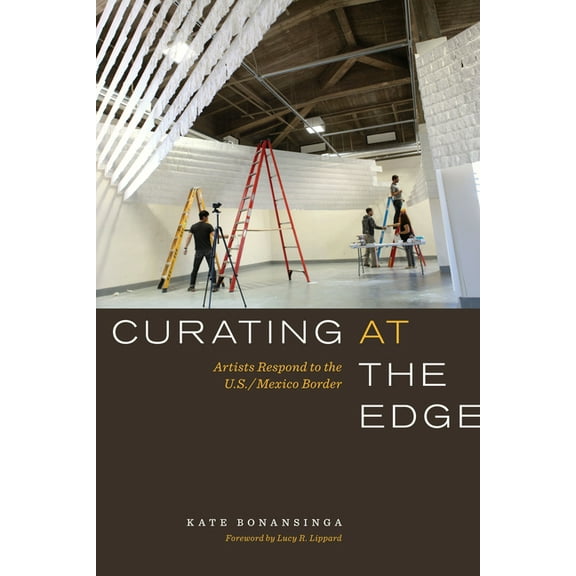 $3180current price $31.80
Curating at the Edge: Artists Respond to the U.S./Mexico Border, (Paperback)
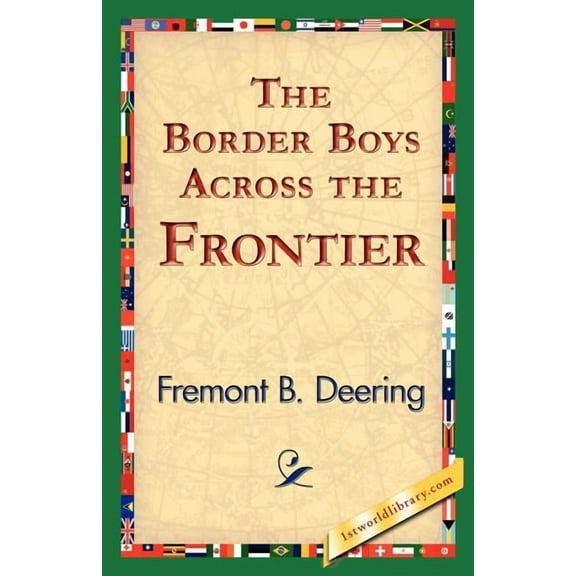
The Border Boys Across the Frontier, (Paperback) $16.82
 $1682current price $16.82
The Border Boys Across the Frontier, (Paperback)
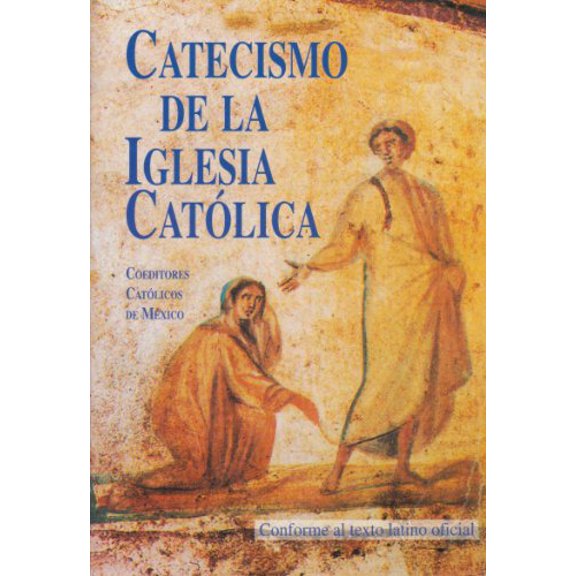
Pre-Owned Catecismo De La Iglesia Catolica, 9789686056747, 9686056742, Paperback, $11.59 Was $15.28
 $1159current price $11.59, Was $15.28$15.28
Pre-Owned Catecismo De La Iglesia Catolica, 9789686056747, 9686056742, Paperback,
Best seller Gachiakuta 2 (Paperback) $10.38
Best seller $1038current price $10.38
Gachiakuta 2 (Paperback)
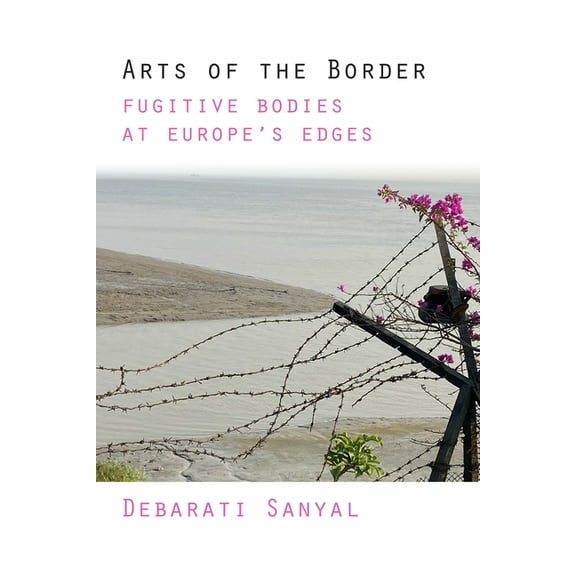
205 out of 5 Stars. 20 reviewsArts of the Border: Fugitive Bodies at Europe's Edges, (Paperback) $32.00
 $3200current price $32.00
Arts of the Border: Fugitive Bodies at Europe's Edges, (Paperback)
Crossing Borders (Paperback) $12.17
 $1217current price $12.17
Crossing Borders (Paperback)
The Abduction (Paperback) $16.12
 $1612current price $16.12
The Abduction (Paperback)
Todavía México: Life Beyond the Border, (Paperback) $18.95
 $1895current price $18.95
Todavía México: Life Beyond the Border, (Paperback)
Customer ratings & reviews
0 ratings|0 reviews
This item does not have any reviews yet
