


Hero image 0 of Dissent and the Supreme Court: Its Role in the Court's History and the Nation's Constitutional Dialogue, 0 of 1
Dissent and the Supreme Court: Its Role in the Court's History and the Nation's Constitutional Dialogue
Key item features
From the admired judicial authority, author of Louis D. Brandeis (“Remarkable”—Anthony Lewis, The New York Review of Books; “Monumental”—Alan M. Dershowitz, The New York Times Book Review), Division and Discord, and Supreme Decisions—Melvin Urofsky’s major new book looks at the role of dissent in the Supreme Court and the meaning of the Constitution through the greatest and longest lasting public-policy debate in the country’s history, among members of the Supreme Court, between the Court and the other branches of government, and between the Court and the people of the United States.
Urofsky writes of the necessity of constitutional dialogue as one of the ways in which we as a people reinvent and reinvigorate our democratic society. In Dissent and the Supreme Court, he explores the great dissents throughout the Court’s 225-year history. He discusses in detail the role the Supreme Court has played in helping to define what the Constitution means, how the Court’s majority opinions have not always been right, and how the dissenters, by positing alternative interpretations, have initiated a critical dialogue about what a particular decision should mean. This dialogue is sometimes resolved quickly; other times it may take decades before the Court adjusts its position. Louis Brandeis’s dissenting opinion about wiretapping became the position of the Court four decades after it was written. The Court took six decades to adopt the dissenting opinion of the first Justice John Harlan in Plessy v. Ferguson (1896)—that segregation on the basis of race violated the Constitution—in Brown v. Board of Education (1954).
Urofsky shows that the practice of dissent grew slowly but steadily and that in the nineteenth century dissents became more frequent. In the (in)famous case of Dred Scott v. Sanford (1857), Chief Justice Roger Taney’s opinion upheld slavery, declaring that blacks could never be citizens. The justice received intense condemnations from several of his colleagues, but it took a civil war and three constitutional amendments before the dissenting view prevailed and Dred Scott was overturned.
Urofsky looks as well at the many aspects of American constitutional life that were affected by the Earl Warren Court—free speech, race, judicial appointment, and rights of the accused—and shows how few of these decisions were unanimous, and how the dissents in the earlier cases molded the results of later decisions; how with Roe v. Wade—the Dred Scott of the modern era—dissent fashioned subsequent decisions, and how, in the Court, a dialogue that began with the dissents in Roe has shaped every decision since.
Urofsky writes of the rise of conservatism and discusses how the resulting appointments of more conservative jurists to the bench put the last of the Warren liberals—William Brennan and Thurgood Marshall—in increasingly beleaguered positions, and in the minority. He discusses the present age of incivility, in which reasoned dialogue seems less and less possible. Yet within the Marble Palace, the members of the Supreme Court continue to hear arguments, vote, and draft majority opinions, while the minority continues to “respectfully dissent.” The Framers understood that if a constitution doesn’t grow and adapt, it atrophies and dies, and if it does, so does the democratic society it has supported. Dissent—on the Court and off, Urofsky argues—has been a crucial ingredient in keeping the Constitution alive and must continue to be so.
(With black-and-white illustrations throughout.)
Urofsky writes of the necessity of constitutional dialogue as one of the ways in which we as a people reinvent and reinvigorate our democratic society. In Dissent and the Supreme Court, he explores the great dissents throughout the Court’s 225-year history. He discusses in detail the role the Supreme Court has played in helping to define what the Constitution means, how the Court’s majority opinions have not always been right, and how the dissenters, by positing alternative interpretations, have initiated a critical dialogue about what a particular decision should mean. This dialogue is sometimes resolved quickly; other times it may take decades before the Court adjusts its position. Louis Brandeis’s dissenting opinion about wiretapping became the position of the Court four decades after it was written. The Court took six decades to adopt the dissenting opinion of the first Justice John Harlan in Plessy v. Ferguson (1896)—that segregation on the basis of race violated the Constitution—in Brown v. Board of Education (1954).
Urofsky shows that the practice of dissent grew slowly but steadily and that in the nineteenth century dissents became more frequent. In the (in)famous case of Dred Scott v. Sanford (1857), Chief Justice Roger Taney’s opinion upheld slavery, declaring that blacks could never be citizens. The justice received intense condemnations from several of his colleagues, but it took a civil war and three constitutional amendments before the dissenting view prevailed and Dred Scott was overturned.
Urofsky looks as well at the many aspects of American constitutional life that were affected by the Earl Warren Court—free speech, race, judicial appointment, and rights of the accused—and shows how few of these decisions were unanimous, and how the dissents in the earlier cases molded the results of later decisions; how with Roe v. Wade—the Dred Scott of the modern era—dissent fashioned subsequent decisions, and how, in the Court, a dialogue that began with the dissents in Roe has shaped every decision since.
Urofsky writes of the rise of conservatism and discusses how the resulting appointments of more conservative jurists to the bench put the last of the Warren liberals—William Brennan and Thurgood Marshall—in increasingly beleaguered positions, and in the minority. He discusses the present age of incivility, in which reasoned dialogue seems less and less possible. Yet within the Marble Palace, the members of the Supreme Court continue to hear arguments, vote, and draft majority opinions, while the minority continues to “respectfully dissent.” The Framers understood that if a constitution doesn’t grow and adapt, it atrophies and dies, and if it does, so does the democratic society it has supported. Dissent—on the Court and off, Urofsky argues—has been a crucial ingredient in keeping the Constitution alive and must continue to be so.
(With black-and-white illustrations throughout.)
Specs
- Manual & guide typeInstruction Manual
- Book formatHardcover
- Pages528
- LanguageEnglish
- BrandUrofsky, Melvin I.
- Pub date2015-10-13
Price when purchased online
Not Available
How do you want your item?
Not available
About this item
Product details
9780307379405
From the admired judicial authority, author of Louis D. Brandeis (“Remarkable”—Anthony Lewis, The New York Review of Books; “Monumental”—Alan M. Dershowitz, The New York Times Book Review), Division and Discord, and Supreme Decisions—Melvin Urofsky’s major new book looks at the role of dissent in the Supreme Court and the meaning of the Constitution through the greatest and longest lasting public-policy debate in the country’s history, among members of the Supreme Court, between the Court and the other branches of government, and between the Court and the people of the United States.
Urofsky writes of the necessity of constitutional dialogue as one of the ways in which we as a people reinvent and reinvigorate our democratic society. In Dissent and the Supreme Court, he explores the great dissents throughout the Court’s 225-year history. He discusses in detail the role the Supreme Court has played in helping to define what the Constitution means, how the Court’s majority opinions have not always been right, and how the dissenters, by positing alternative interpretations, have initiated a critical dialogue about what a particular decision should mean. This dialogue is sometimes resolved quickly; other times it may take decades before the Court adjusts its position. Louis Brandeis’s dissenting opinion about wiretapping became the position of the Court four decades after it was written. The Court took six decades to adopt the dissenting opinion of the first Justice John Harlan in Plessy v. Ferguson (1896)—that segregation on the basis of race violated the Constitution—in Brown v. Board of Education (1954).
Urofsky shows that the practice of dissent grew slowly but steadily and that in the nineteenth century dissents became more frequent. In the (in)famous case of Dred Scott v. Sanford (1857), Chief Justice Roger Taney’s opinion upheld slavery, declaring that blacks could never be citizens. The justice received intense condemnations from several of his colleagues, but it took a civil war and three constitutional amendments before the dissenting view prevailed and Dred Scott was overturned.
Urofsky looks as well at the many aspects of American constitutional life that were affected by the Earl Warren Court—free speech, race, judicial appointment, and rights of the accused—and shows how few of these decisions were unanimous, and how the dissents in the earlier cases molded the results of later decisions; how with Roe v. Wade—the Dred Scott of the modern era—dissent fashioned subsequent decisions, and how, in the Court, a dialogue that began with the dissents in Roe has shaped every decision since.
Urofsky writes of the rise of conservatism and discusses how the resulting appointments of more conservative jurists to the bench put the last of the Warren liberals—William Brennan and Thurgood Marshall—in increasingly beleaguered positions, and in the minority. He discusses the present age of incivility, in which reasoned dialogue seems less and less possible. Yet within the Marble Palace, the members of the Supreme Court continue to hear arguments, vote, and draft majority opinions, while the minority continues to “respectfully dissent.” The Framers understood that if a constitution doesn’t grow and adapt, it atrophies and dies, and if it does, so does the democratic society it has supported. Dissent—on the Court and off, Urofsky argues—has been a crucial ingredient in keeping the Constitution alive and must continue to be so.
(With black-and-white illustrations throughout.)
Urofsky writes of the necessity of constitutional dialogue as one of the ways in which we as a people reinvent and reinvigorate our democratic society. In Dissent and the Supreme Court, he explores the great dissents throughout the Court’s 225-year history. He discusses in detail the role the Supreme Court has played in helping to define what the Constitution means, how the Court’s majority opinions have not always been right, and how the dissenters, by positing alternative interpretations, have initiated a critical dialogue about what a particular decision should mean. This dialogue is sometimes resolved quickly; other times it may take decades before the Court adjusts its position. Louis Brandeis’s dissenting opinion about wiretapping became the position of the Court four decades after it was written. The Court took six decades to adopt the dissenting opinion of the first Justice John Harlan in Plessy v. Ferguson (1896)—that segregation on the basis of race violated the Constitution—in Brown v. Board of Education (1954).
Urofsky shows that the practice of dissent grew slowly but steadily and that in the nineteenth century dissents became more frequent. In the (in)famous case of Dred Scott v. Sanford (1857), Chief Justice Roger Taney’s opinion upheld slavery, declaring that blacks could never be citizens. The justice received intense condemnations from several of his colleagues, but it took a civil war and three constitutional amendments before the dissenting view prevailed and Dred Scott was overturned.
Urofsky looks as well at the many aspects of American constitutional life that were affected by the Earl Warren Court—free speech, race, judicial appointment, and rights of the accused—and shows how few of these decisions were unanimous, and how the dissents in the earlier cases molded the results of later decisions; how with Roe v. Wade—the Dred Scott of the modern era—dissent fashioned subsequent decisions, and how, in the Court, a dialogue that began with the dissents in Roe has shaped every decision since.
Urofsky writes of the rise of conservatism and discusses how the resulting appointments of more conservative jurists to the bench put the last of the Warren liberals—William Brennan and Thurgood Marshall—in increasingly beleaguered positions, and in the minority. He discusses the present age of incivility, in which reasoned dialogue seems less and less possible. Yet within the Marble Palace, the members of the Supreme Court continue to hear arguments, vote, and draft majority opinions, while the minority continues to “respectfully dissent.” The Framers understood that if a constitution doesn’t grow and adapt, it atrophies and dies, and if it does, so does the democratic society it has supported. Dissent—on the Court and off, Urofsky argues—has been a crucial ingredient in keeping the Constitution alive and must continue to be so.
(With black-and-white illustrations throughout.)
info:
We aim to show you accurate product information. Manufacturers, suppliers and others provide what you see here, and we have not verified it.
Specifications
Manual & guide type
Instruction Manual
Book format
Hardcover
Pages
528
Language
English
Similar items you might like
Based on what customers bought
The Great Revolt : Inside the Populist Coalition Reshaping American Politics (Paperback) $15.23 Was $17.00
 $1523current price $15.23, Was $17.00$17.00
The Great Revolt : Inside the Populist Coalition Reshaping American Politics (Paperback)
Blacks in White Colleges : Oklahoma's Landmark Cases (Paperback) $19.95
 $1995current price $19.95
Blacks in White Colleges : Oklahoma's Landmark Cases (Paperback)
Judicial Reputation : A Comparative Theory (Paperback) $17.64
 $1764current price $17.64
Judicial Reputation : A Comparative Theory (Paperback)
Very Short Introductions Criminology: A Very Short Introduction, (Paperback) $12.47
 $1247current price $12.47
Very Short Introductions Criminology: A Very Short Introduction, (Paperback)
Genius of the People: The Making of the Constitution Paperback 154050431X 9781540504319 Charles L. Mee Jr. $17.99
 $1799current price $17.99
Genius of the People: The Making of the Constitution Paperback 154050431X 9781540504319 Charles L. Mee Jr.
Revolutionary Democracy: Emancipation in Classical Marxism, (Paperback) $10.60 Was $12.80
 $1060current price $10.60, Was $12.80$12.80
Revolutionary Democracy: Emancipation in Classical Marxism, (Paperback)
Rot and Revival : The History of Constitutional Law in American Political Development (Edition 1) (Paperback) $29.95
 $2995current price $29.95
Rot and Revival : The History of Constitutional Law in American Political Development (Edition 1) (Paperback)
Balfour's Handbook of Court of Session Practice., (Paperback) $29.75
 $2975current price $29.75
Balfour's Handbook of Court of Session Practice., (Paperback)
Popular Government [serial]; v.28, no.7, (Paperback) $13.95
![Popular Government [serial]; v.28, no.7, (Paperback)](https://i5.walmartimages.com/asr/d6f607c9-77dc-42f3-843a-438f624b4b5e.ffc8e6ae4ae9b1d3dd1f134e616806f3.jpeg?odnHeight=576&odnWidth=576&odnBg=FFFFFF) $1395current price $13.95
$1395current price $13.95Popular Government [serial]; v.28, no.7, (Paperback)
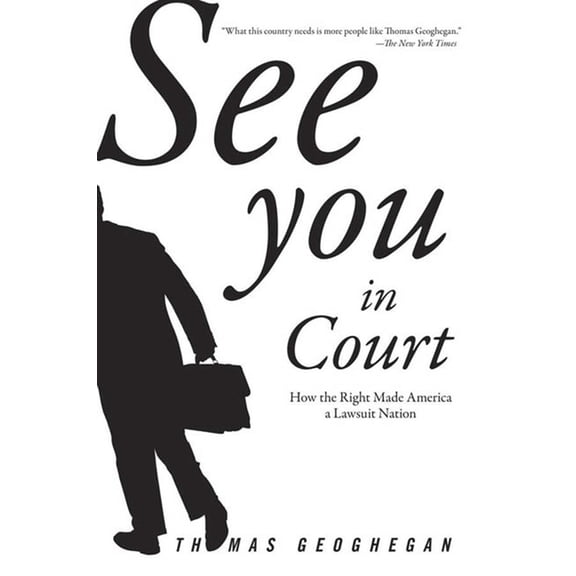
See You in Court: How the Right Made America a Lawsuit Nation, (Paperback) $13.31
 $1331current price $13.31
See You in Court: How the Right Made America a Lawsuit Nation, (Paperback)
Constitutional Law as Fiction: Narrative in the Rhetoric of Authority, (Paperback) $27.67
 $2767current price $27.67
Constitutional Law as Fiction: Narrative in the Rhetoric of Authority, (Paperback)
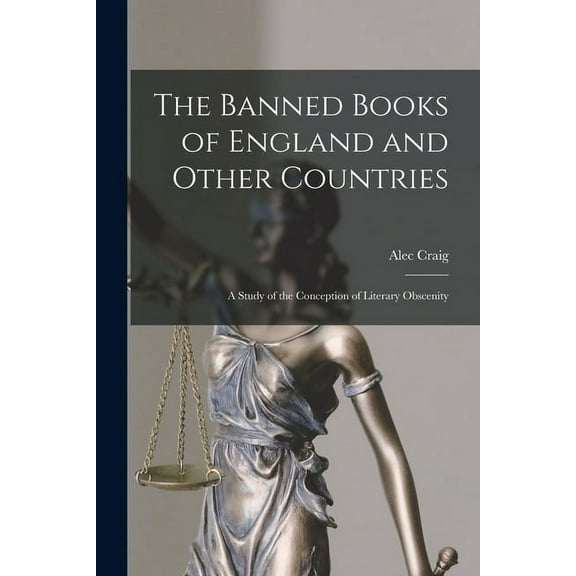
The Banned Books of England and Other Countries: a Study of the Conception of Literary Obscenity, (Paperback) $20.95
 $2095current price $20.95
The Banned Books of England and Other Countries: a Study of the Conception of Literary Obscenity, (Paperback)
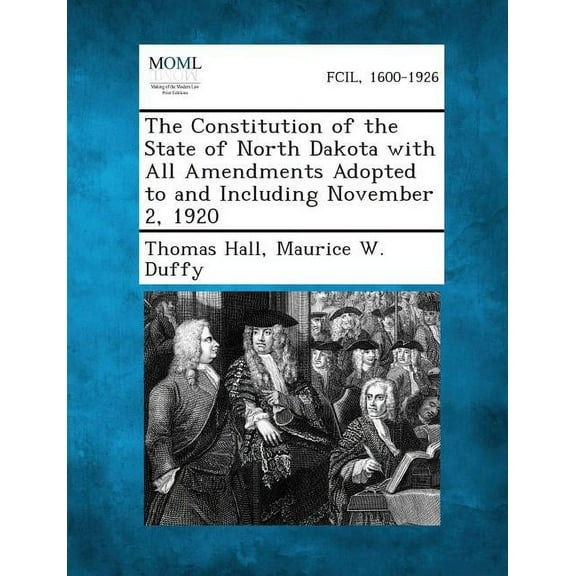
The Constitution of the State of North Dakota with All Amendments Adopted to and Including November 2, 1920, (Paperback) $21.75
 $2175current price $21.75
The Constitution of the State of North Dakota with All Amendments Adopted to and Including November 2, 1920, (Paperback)
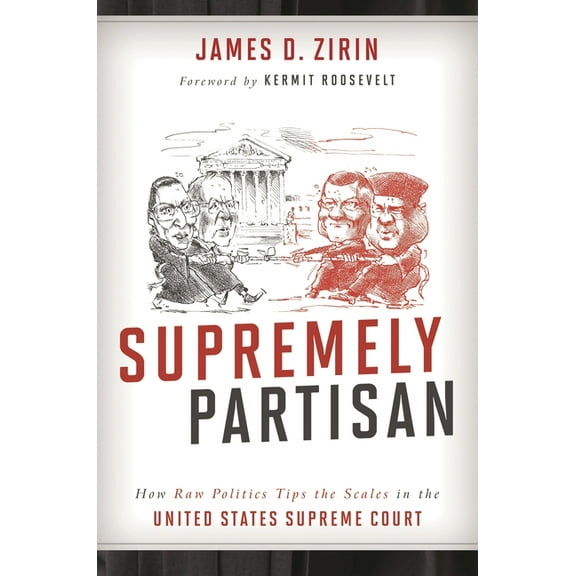
Supremely Partisan : How Raw Politics Tips the Scales in the United States Supreme Court (Hardcover) $20.21
 $2021current price $20.21
Supremely Partisan : How Raw Politics Tips the Scales in the United States Supreme Court (Hardcover)
Le Tribunal Revolutionnaire de La Lozere En 1793, Etc. (Paperback) $19.33 Was $24.75
 $1933current price $19.33, Was $24.75$24.75
Le Tribunal Revolutionnaire de La Lozere En 1793, Etc. (Paperback)
An Abstract of the Rules, Orders, and Constitutions, of the Company of Watermen and Lightermen, ... (Paperback) $17.75
 $1775current price $17.75
An Abstract of the Rules, Orders, and Constitutions, of the Company of Watermen and Lightermen, ... (Paperback)
I'd Rather Be President, a Handbook for Expectant Candidates, (Paperback) $19.70
 $1970current price $19.70
I'd Rather Be President, a Handbook for Expectant Candidates, (Paperback)
Inalienable Rights Keeping Faith with the Constitution, (Hardcover) $19.00
 $1900current price $19.00
Inalienable Rights Keeping Faith with the Constitution, (Hardcover)
Customer ratings & reviews
How item rating is calculated
Filtered and sorted results would be available on the new 'Customer ratings & reviews' page.
Sort by |
Showing 1-1 of 1 review
Feb 4, 2016
RhinoW
5 out of 5 stars review
Great overview
This book fits what is advertised. I have a B.S. degree in history and love to read about it. The author does well not to betray his personal biases and judges the importance of dissents based on their historical and present-day effect. He gives helpful summaries of cases and dissents and demonstrates their impact or lack thereof. He is clearly an expert on the subject matter.
Helpful?6JYV8UQAC58P45144469

Related pages
- Exit Pdf
- Statistic R
- Environmental Policy Books
- Science & Technology Policy Books
- Media & Internet Political Process Books
- Political Philosophy Books
- Exit Strategy Examples
- Societal Collapse
- William R Kenan Professor Of Humanities James Axtell
- Political Reference Books
- Conspiracy Theory Books
- Professor Malcolm Waters