


Hero image 0 of Pesos and Politics : Business, Elites, Foreigners, and Government in Mexico, 1854-1940 (Hardcover), 0 of 1
Pesos and Politics : Business, Elites, Foreigners, and Government in Mexico, 1854-1940 (Hardcover)
(No ratings yet)
Key item features
The relationship between business and politics is crucial to understanding Mexican history, and Pesos and Politics explores this relationship from the mid-nineteenth century dictatorship of Porfirio Diaz through the Mexican Revolution (1876–1940). Historian Mark Wasserman argues that throughout this era, over the course of successive regimes, there was an evolving enterprise system that had to balance the interests of the Mexican national elite, state and local governments, large foreign corporations, and individual foreign entrepreneurs. During and after the Revolution these groups were joined by organized labor and organized peasants.
Contrary to past assessments, Wasserman argues that no one of these groups was ever powerful enough to dominate another. Because Mexican governments and elites committed themselves to economic models that relied on foreign investment and technology, they had to reach a balance that simultaneously attracted foreign entrepreneurs, but did not allow them to become too powerful or too privileged.
Concentrating on the three most important sectors of the Mexican economy: mining, agriculture, and railroads, and employing a series of case studies of the careers of prominent Mexican business people and the operations of large U.S.-owned ranching and mining companies, Wasserman effectively demonstrates that Mexicans in fact controlled their economy from the 1880s through 1940; foreigners did not exploit the country; and, Mexicans established, sometimes shakily, sometimes unplanned, a system of relations between foreigners, elite and government (and later unions and peasant organizations) that maintained checks and balances on all parties.
Contrary to past assessments, Wasserman argues that no one of these groups was ever powerful enough to dominate another. Because Mexican governments and elites committed themselves to economic models that relied on foreign investment and technology, they had to reach a balance that simultaneously attracted foreign entrepreneurs, but did not allow them to become too powerful or too privileged.
Concentrating on the three most important sectors of the Mexican economy: mining, agriculture, and railroads, and employing a series of case studies of the careers of prominent Mexican business people and the operations of large U.S.-owned ranching and mining companies, Wasserman effectively demonstrates that Mexicans in fact controlled their economy from the 1880s through 1940; foreigners did not exploit the country; and, Mexicans established, sometimes shakily, sometimes unplanned, a system of relations between foreigners, elite and government (and later unions and peasant organizations) that maintained checks and balances on all parties.
Specs
- Book formatHardcover
- Fiction/nonfictionNon-Fiction
- GenreHistory
- Publication dateApril, 2015
- Pages272
- SubgenrePolitical Science
Current price is USD$75.00
Price when purchased online
- Free shipping
 Free 30-day returns
How do you want your item?
Columbus, 43215
Arrives between May 4 - May 7
|
Sold and shipped by Prepbooks
4.724425887265136 stars out of 5, based on 479 seller reviews(4.7)479 seller reviews

Free 30-day returns
Other sellers
$88.31
+Free shippingShipping, arrives by Sat, May 2 to Columbus, 43215
Sold and shipped by thebookpros
Free 30-day returns
About this item
Product details
This book is a history of the three-way relationships between foreign investors, government, and elites in Mexico from 1854 through the 1930s.
The relationship between business and politics is crucial to understanding Mexican history, and Pesos and Politics explores this relationship from the mid-nineteenth century dictatorship of Porfirio Diaz through the Mexican Revolution (1876–1940). Historian Mark Wasserman argues that throughout this era, over the course of successive regimes, there was an evolving enterprise system that had to balance the interests of the Mexican national elite, state and local governments, large foreign corporations, and individual foreign entrepreneurs. During and after the Revolution these groups were joined by organized labor and organized peasants.
Contrary to past assessments, Wasserman argues that no one of these groups was ever powerful enough to dominate another. Because Mexican governments and elites committed themselves to economic models that relied on foreign investment and technology, they had to reach a balance that simultaneously attracted foreign entrepreneurs, but did not allow them to become too powerful or too privileged.
Concentrating on the three most important sectors of the Mexican economy: mining, agriculture, and railroads, and employing a series of case studies of the careers of prominent Mexican business people and the operations of large U.S.-owned ranching and mining companies, Wasserman effectively demonstrates that Mexicans in fact controlled their economy from the 1880s through 1940; foreigners did not exploit the country; and, Mexicans established, sometimes shakily, sometimes unplanned, a system of relations between foreigners, elite and government (and later unions and peasant organizations) that maintained checks and balances on all parties.
Contrary to past assessments, Wasserman argues that no one of these groups was ever powerful enough to dominate another. Because Mexican governments and elites committed themselves to economic models that relied on foreign investment and technology, they had to reach a balance that simultaneously attracted foreign entrepreneurs, but did not allow them to become too powerful or too privileged.
Concentrating on the three most important sectors of the Mexican economy: mining, agriculture, and railroads, and employing a series of case studies of the careers of prominent Mexican business people and the operations of large U.S.-owned ranching and mining companies, Wasserman effectively demonstrates that Mexicans in fact controlled their economy from the 1880s through 1940; foreigners did not exploit the country; and, Mexicans established, sometimes shakily, sometimes unplanned, a system of relations between foreigners, elite and government (and later unions and peasant organizations) that maintained checks and balances on all parties.
info:
We aim to show you accurate product information. Manufacturers, suppliers and others provide what you see here, and we have not verified it.
Specifications
Book format
Hardcover
Fiction/nonfiction
Non-Fiction
Genre
History
Publication date
April, 2015
Warranty
Warranty information
Please be aware that the warranty terms on items offered for sale by third party Marketplace sellers may differ from those displayed in this section (if any). To confirm warranty terms on an item offered for sale by a third party Marketplace seller, please use the 'Contact seller' feature on the third party Marketplace seller's information page and request the item's warranty terms prior to purchase.
Similar items you might like
Based on what customers bought
New Directions in Latino American Cultur Centenary of the Famous 41: Sexuality and Social Control in Mexico,1901, (Paperback) $71.04
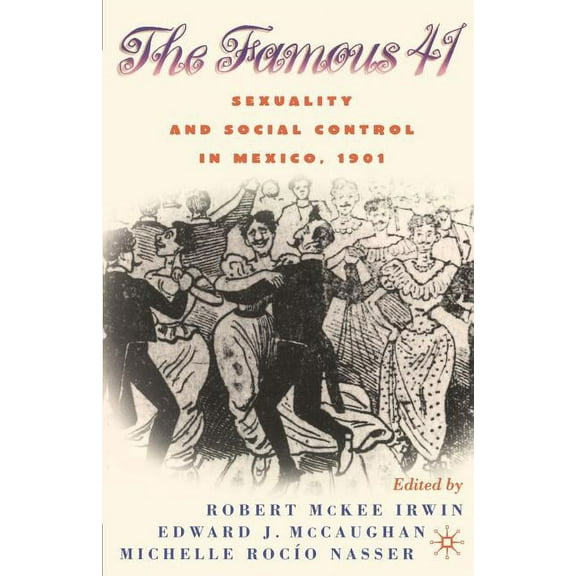 $7104current price $71.04
New Directions in Latino American Cultur Centenary of the Famous 41: Sexuality and Social Control in Mexico,1901, (Paperback)
Diálogos Everyday Life and Politics in Nineteenth Century Mexico: Men, Women, and War, (Paperback) $32.96
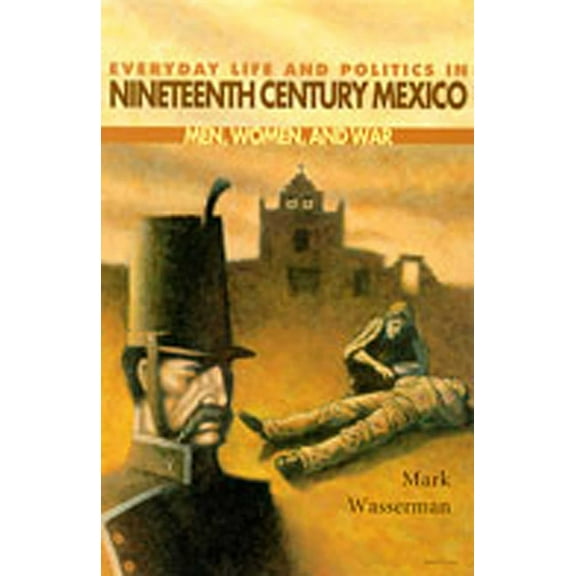 $3296current price $32.96
Diálogos Everyday Life and Politics in Nineteenth Century Mexico: Men, Women, and War, (Paperback)
Exile and Cultural Hegemony: Spanish Intellectuals in Mexico, 1939-1975, (Hardcover) $95.68
 $9568current price $95.68
Exile and Cultural Hegemony: Spanish Intellectuals in Mexico, 1939-1975, (Hardcover)
Engendering Latin America: Mexican Karismata : The Baroque Vocation of Francisca de los Angeles, 1674-1744 (Hardcover) $76.26
 $7626current price $76.26
Engendering Latin America: Mexican Karismata : The Baroque Vocation of Francisca de los Angeles, 1674-1744 (Hardcover)
Abandoning Their Beloved Land: The Politics of Bracero Migration in Mexico, (Hardcover) $77.49
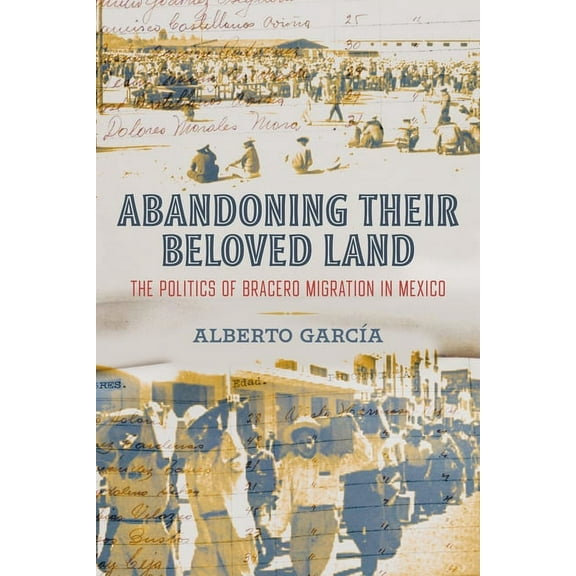 $7749current price $77.49
Abandoning Their Beloved Land: The Politics of Bracero Migration in Mexico, (Hardcover)
Wealth and Power in Provincial Mexico: Michoacán from the Late Colony to the Revolution, (Hardcover) $90.00
 $9000current price $90.00
Wealth and Power in Provincial Mexico: Michoacán from the Late Colony to the Revolution, (Hardcover)
Routledge Advances in International Rela Understanding Mexico's Security Conundrum, (Hardcover) $58.39
 $5839current price $58.39
Routledge Advances in International Rela Understanding Mexico's Security Conundrum, (Hardcover)
Shaft Tombs and Figures in West Mexican Society: A Reassessment, (Hardcover) $47.96 Was $59.96
 $4796current price $47.96, Was $59.96$59.96
Shaft Tombs and Figures in West Mexican Society: A Reassessment, (Hardcover)
Latin American Silhouettes Mexico in the 1940s: Modernity, Politics, and Corruption, (Paperback) $66.71
 2 optionsAvailable in additional 2 options$6671current price $66.71
Latin American Silhouettes Mexico in the 1940s: Modernity, Politics, and Corruption, (Paperback)
The Amlo Administration in Mexico: Polity, Politics, and Policy, (Paperback) $32.79
 $3279current price $32.79
The Amlo Administration in Mexico: Polity, Politics, and Policy, (Paperback)
Five Suns: A Fire History of Mexico, (Hardcover) $55.84
 $5584current price $55.84
Five Suns: A Fire History of Mexico, (Hardcover)
The History of Mexico, (Hardcover) $38.95
 $3895current price $38.95
The History of Mexico, (Hardcover)
Confluencias Freethinkers and Labor Leaders: Women, Social Change, and Politics in Modern Mexico, (Hardcover) $50.00
 $5000current price $50.00
Confluencias Freethinkers and Labor Leaders: Women, Social Change, and Politics in Modern Mexico, (Hardcover)
British Lions and Mexican Eagles : Business, Politics, and Empire in the Career of Weetman Pearson in Mexico, 1889–1919 (Hardcover) $75.00
 $7500current price $75.00
British Lions and Mexican Eagles : Business, Politics, and Empire in the Career of Weetman Pearson in Mexico, 1889–1919 (Hardcover)
Pre-Owned The Course of Mexican History (Paperback) 0190659017 9780190659011 $52.76 Was $67.24
 2 optionsAvailable in additional 2 options$5276current price $52.76, Was $67.24$67.24
Pre-Owned The Course of Mexican History (Paperback) 0190659017 9780190659011
Series Chimalpahin Chimalpahin's Conquest: A Nahua Historian's Rewriting of Francisco Lopez de Gomara's La Conquista de Mexico, (Hardcover) $75.00
 $7500current price $75.00
Series Chimalpahin Chimalpahin's Conquest: A Nahua Historian's Rewriting of Francisco Lopez de Gomara's La Conquista de Mexico, (Hardcover)
Praeger Security International Mexico's Military on the Democratic Stage, (Hardcover) $61.18
 $6118current price $61.18
Praeger Security International Mexico's Military on the Democratic Stage, (Hardcover)
Political Economy of Institutions and De The Politics of Property Rights, (Hardcover) $77.94
 $7794current price $77.94
Political Economy of Institutions and De The Politics of Property Rights, (Hardcover)
Pre-Owned A Glimpse at Guatemala, and Some Notes on the Ancient Monuments of Central America (Paperback) 1108017045 9781108017046 $64.95
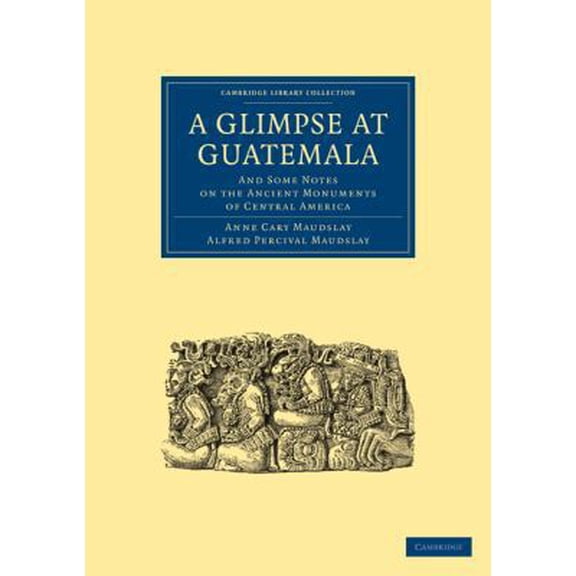 $6495current price $64.95
Pre-Owned A Glimpse at Guatemala, and Some Notes on the Ancient Monuments of Central America (Paperback) 1108017045 9781108017046
Confluencias The Sonoran Dynasty in Mexico: Revolution, Reform, and Repression, (Hardcover) $99.00
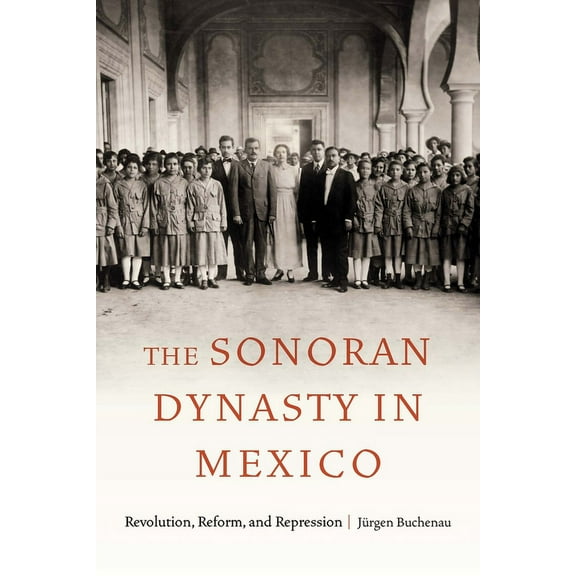 $9900current price $99.00
Confluencias The Sonoran Dynasty in Mexico: Revolution, Reform, and Repression, (Hardcover)
Customer ratings & reviews
0 ratings|0 reviews
This item does not have any reviews yet

Related pages
- Mexican Civil War
- Contra Nicaragua
- Mexican Bill
- Puerto Rico Disasters
- Tourism El Salvador
- Unions Mexico
- Mexico History Books
- Puerto Rico School Supplies
- Pre-Columbian Era Latin American History Books
- Hispanic & Latino United States Teen & Young Adult Books
- General Latin American History Books
- Spain & Portugal History Books