


Hero image 0 of Stanford Studies in Jewish History and C: The Sultan’s Jew : Morocco and the Sephardi World (Hardcover), 0 of 1
Stanford Studies in Jewish History and C: The Sultan’s Jew : Morocco and the Sephardi World (Hardcover)
(No ratings yet)
Key item features
This pathbreaking study uses the extraordinary life of Meir Macnin, a prosperous Jewish merchant, as a lens for examining the Jewish community of Morocco and its relationship to the Sephardi world in the late eighteenth and early nineteenth centuries. Macnin, a member of one of the most prominent Jewish families in Marrakesh, became the most important merchant for the sultans who ruled Morocco, and was their chief intermediary between Morocco and Europe. He lived in London for about twenty years, and then shuttled between Morocco and England for fifteen years until his death in 1835.
This book challenges accepted views of Muslim-Jewish relations by emphasizing the ambivalence in the relationship. It shows how elite Jews maneuvered themselves into important positions in the Moroccan state by linking themselves to politically powerful Muslims and by establishing key positions in networks of trade. The elite Jews of Morocco were also part of a wider Sephardi world that transcended national boundaries. However, Macnin remained more connected to Morocco, where Jews were, according to Islamic law, protégés of the ruler and still subject to specific legal disabilities. The early-nineteenth-century sultan Mawlay Sulayman confined Jews in a number of Moroccan cities to newly created Jewish quarters as part of a policy of defining boundaries between Muslims and Jews. Yet Macnin remained closely tied to royal power, and in 1822 he became the principal intermediary between Morocco and the European powers for Mawlay Sulayman’s successor, Mawlay ‘Abd al-Rahman.
At the beginning of the period covered in this book, Meir Macnin belonged to a wide, transnational Sephardi world, and moved easily between Morocco and Europe. By the end of his life, however, this Sephardi diaspora had virtually come to an end. Emancipation in Western Europe and the growing identification of European Jews with the nations in which they lived meant that their affinity to their Sephardi heritage no longer transcended their national attachments. The gap between Moroccan and European Jewry grew, and a new kind of division—between “Western” and “Oriental” Jews—now existed within the Jewish world.
This book challenges accepted views of Muslim-Jewish relations by emphasizing the ambivalence in the relationship. It shows how elite Jews maneuvered themselves into important positions in the Moroccan state by linking themselves to politically powerful Muslims and by establishing key positions in networks of trade. The elite Jews of Morocco were also part of a wider Sephardi world that transcended national boundaries. However, Macnin remained more connected to Morocco, where Jews were, according to Islamic law, protégés of the ruler and still subject to specific legal disabilities. The early-nineteenth-century sultan Mawlay Sulayman confined Jews in a number of Moroccan cities to newly created Jewish quarters as part of a policy of defining boundaries between Muslims and Jews. Yet Macnin remained closely tied to royal power, and in 1822 he became the principal intermediary between Morocco and the European powers for Mawlay Sulayman’s successor, Mawlay ‘Abd al-Rahman.
At the beginning of the period covered in this book, Meir Macnin belonged to a wide, transnational Sephardi world, and moved easily between Morocco and Europe. By the end of his life, however, this Sephardi diaspora had virtually come to an end. Emancipation in Western Europe and the growing identification of European Jews with the nations in which they lived meant that their affinity to their Sephardi heritage no longer transcended their national attachments. The gap between Moroccan and European Jewry grew, and a new kind of division—between “Western” and “Oriental” Jews—now existed within the Jewish world.
Specs
- Book formatHardcover
- Fiction/nonfictionNon-Fiction
- Pub dateJuly 23, 2002
- Pages264
- Edition1st Edition
- PublisherStanford University Press
Current price is USD$85.70
Price when purchased online
- Free shipping
 Free 30-day returns
How do you want your item?
Columbus, 43215
Arrives between Apr 16 - Apr 20
|
Sold and shipped by Prepbooks
4.724731182795699 stars out of 5, based on 465 seller reviews(4.7)465 seller reviews

Free 30-day returns
Other sellers
$86.02
+ $6.98 shippingShipping, arrives by Mon, Apr 13 to Columbus, 43215
Sold and shipped by Best Prices & Service
Free 30-day returns
About this item
Product details
This book examines the Jewish community of Morocco in the late 18th and early 19th centuries through the life of a merchant who was the chief intermediary between the Moroccan sultans and Europe .
This pathbreaking study uses the extraordinary life of Meir Macnin, a prosperous Jewish merchant, as a lens for examining the Jewish community of Morocco and its relationship to the Sephardi world in the late eighteenth and early nineteenth centuries. Macnin, a member of one of the most prominent Jewish families in Marrakesh, became the most important merchant for the sultans who ruled Morocco, and was their chief intermediary between Morocco and Europe. He lived in London for about twenty years, and then shuttled between Morocco and England for fifteen years until his death in 1835.
This book challenges accepted views of Muslim-Jewish relations by emphasizing the ambivalence in the relationship. It shows how elite Jews maneuvered themselves into important positions in the Moroccan state by linking themselves to politically powerful Muslims and by establishing key positions in networks of trade. The elite Jews of Morocco were also part of a wider Sephardi world that transcended national boundaries. However, Macnin remained more connected to Morocco, where Jews were, according to Islamic law, protégés of the ruler and still subject to specific legal disabilities. The early-nineteenth-century sultan Mawlay Sulayman confined Jews in a number of Moroccan cities to newly created Jewish quarters as part of a policy of defining boundaries between Muslims and Jews. Yet Macnin remained closely tied to royal power, and in 1822 he became the principal intermediary between Morocco and the European powers for Mawlay Sulayman’s successor, Mawlay ‘Abd al-Rahman.
At the beginning of the period covered in this book, Meir Macnin belonged to a wide, transnational Sephardi world, and moved easily between Morocco and Europe. By the end of his life, however, this Sephardi diaspora had virtually come to an end. Emancipation in Western Europe and the growing identification of European Jews with the nations in which they lived meant that their affinity to their Sephardi heritage no longer transcended their national attachments. The gap between Moroccan and European Jewry grew, and a new kind of division—between “Western” and “Oriental” Jews—now existed within the Jewish world.
This book challenges accepted views of Muslim-Jewish relations by emphasizing the ambivalence in the relationship. It shows how elite Jews maneuvered themselves into important positions in the Moroccan state by linking themselves to politically powerful Muslims and by establishing key positions in networks of trade. The elite Jews of Morocco were also part of a wider Sephardi world that transcended national boundaries. However, Macnin remained more connected to Morocco, where Jews were, according to Islamic law, protégés of the ruler and still subject to specific legal disabilities. The early-nineteenth-century sultan Mawlay Sulayman confined Jews in a number of Moroccan cities to newly created Jewish quarters as part of a policy of defining boundaries between Muslims and Jews. Yet Macnin remained closely tied to royal power, and in 1822 he became the principal intermediary between Morocco and the European powers for Mawlay Sulayman’s successor, Mawlay ‘Abd al-Rahman.
At the beginning of the period covered in this book, Meir Macnin belonged to a wide, transnational Sephardi world, and moved easily between Morocco and Europe. By the end of his life, however, this Sephardi diaspora had virtually come to an end. Emancipation in Western Europe and the growing identification of European Jews with the nations in which they lived meant that their affinity to their Sephardi heritage no longer transcended their national attachments. The gap between Moroccan and European Jewry grew, and a new kind of division—between “Western” and “Oriental” Jews—now existed within the Jewish world.
info:
We aim to show you accurate product information. Manufacturers, suppliers and others provide what you see here, and we have not verified it.
Specifications
Book format
Hardcover
Fiction/nonfiction
Non-Fiction
Genre
History, Political & Social Sciences
Pub date
July 23, 2002
Warranty
Warranty information
Please be aware that the warranty terms on items offered for sale by third party Marketplace sellers may differ from those displayed in this section (if any). To confirm warranty terms on an item offered for sale by a third party Marketplace seller, please use the 'Contact seller' feature on the third party Marketplace seller's information page and request the item's warranty terms prior to purchase.
Similar items you might like
Based on what customers bought
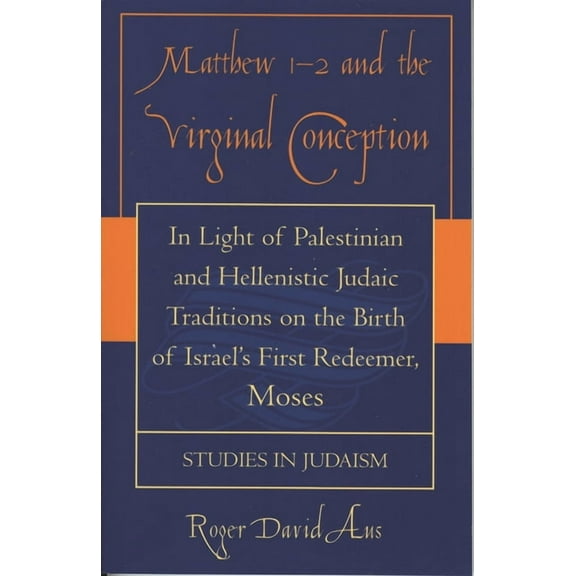
Studies in Judaism Matthew 1-2 and the Virginal Conception: In Light of Palestinian and Hellenistic Judaic Traditions on the Birth of Israe, (Paperback) $58.12
 $5812current price $58.12
Studies in Judaism Matthew 1-2 and the Virginal Conception: In Light of Palestinian and Hellenistic Judaic Traditions on the Birth of Israe, (Paperback)
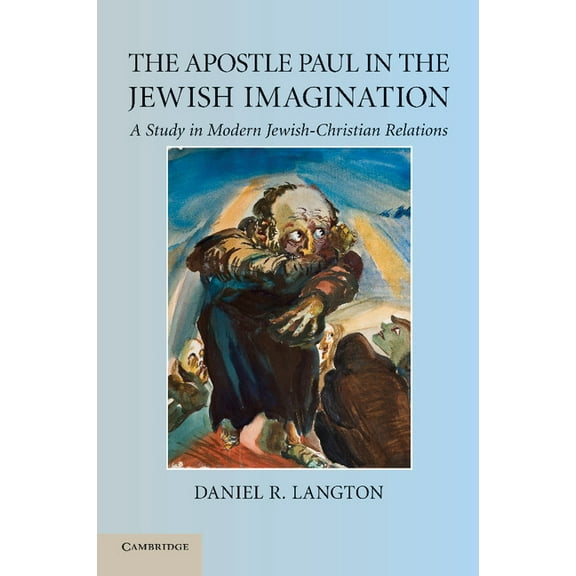
The Apostle Paul in the Jewish Imagination: A Study in Modern Jewish-Christian Relations, (Paperback) $54.68
 $5468current price $54.68
The Apostle Paul in the Jewish Imagination: A Study in Modern Jewish-Christian Relations, (Paperback)
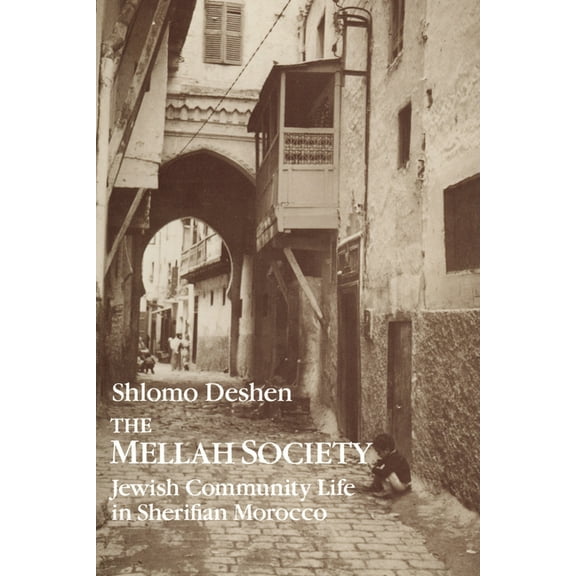
Chicago Studies in the History of Judais The Mellah Society: Jewish Community Life in Sherifian Morocco, (Paperback) $40.00
 $4000current price $40.00
Chicago Studies in the History of Judais The Mellah Society: Jewish Community Life in Sherifian Morocco, (Paperback)
Schweich Lectures on Biblical Archaeolog Mari and the Early Israelite Experience, Book 1984, (Paperback) $58.17
 $5817current price $58.17
Schweich Lectures on Biblical Archaeolog Mari and the Early Israelite Experience, Book 1984, (Paperback)
Being Jewish After the Destruction of Gaza: A Reckoning, (Hardcover) $16.89
 $1689current price $16.89
Being Jewish After the Destruction of Gaza: A Reckoning, (Hardcover)
15 out of 5 Stars. 1 reviewsJewish Literature, and Other Essays (Hardcover) $56.48
 $5648current price $56.48
Jewish Literature, and Other Essays (Hardcover)
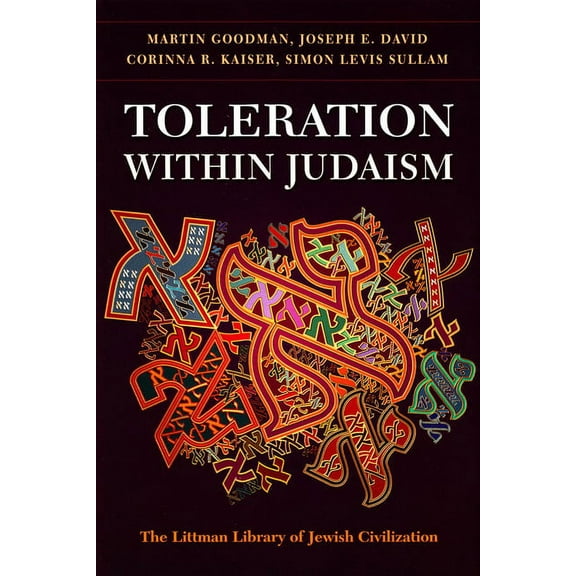
Littman Library of Jewish Civilization Toleration Within Judaism, (Hardcover) $75.12
 $7512current price $75.12
Littman Library of Jewish Civilization Toleration Within Judaism, (Hardcover)
Jewish Enlightenment in an English Key: Anglo-Jewry's Construction of Modern Jewish Thought, (Hardcover) $75.27
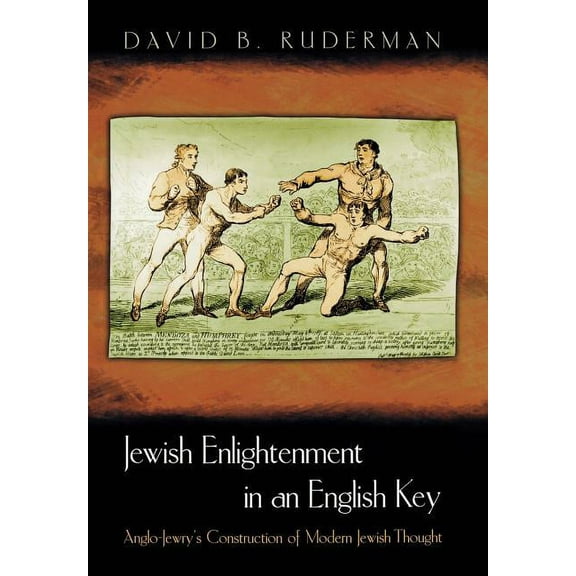 $7527current price $75.27
Jewish Enlightenment in an English Key: Anglo-Jewry's Construction of Modern Jewish Thought, (Hardcover)
Stanford Studies in Jewish History and C Pledges of Jewish Allegiance: Conversion, Law, and Policymaking in Nineteenth- And Twentieth-Century Orthodox Responsa, (Hardcover) $49.79
 $4979current price $49.79
Stanford Studies in Jewish History and C Pledges of Jewish Allegiance: Conversion, Law, and Policymaking in Nineteenth- And Twentieth-Century Orthodox Responsa, (Hardcover)
Jewish History in Conflict: A Study of the Major Discrepancy between Rabbinic and Conventional Chronology, (Hardcover) $84.34
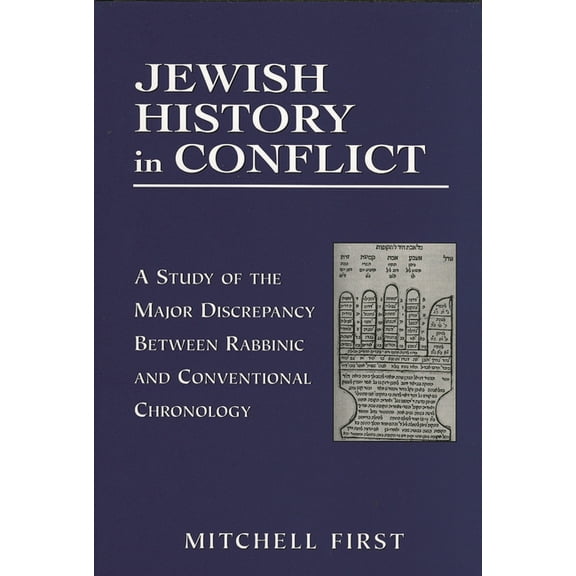 $8434current price $84.34
Jewish History in Conflict: A Study of the Major Discrepancy between Rabbinic and Conventional Chronology, (Hardcover)
To the End of the Earth: A History of the Crypto-Jews of New Mexico, (Hardcover) $76.44
 $7644current price $76.44
To the End of the Earth: A History of the Crypto-Jews of New Mexico, (Hardcover)
Littman Library of Jewish Civilization Leadership and Conflict: Tensions in Medieval and Modern Jewish History and Culture, (Hardcover) $76.69
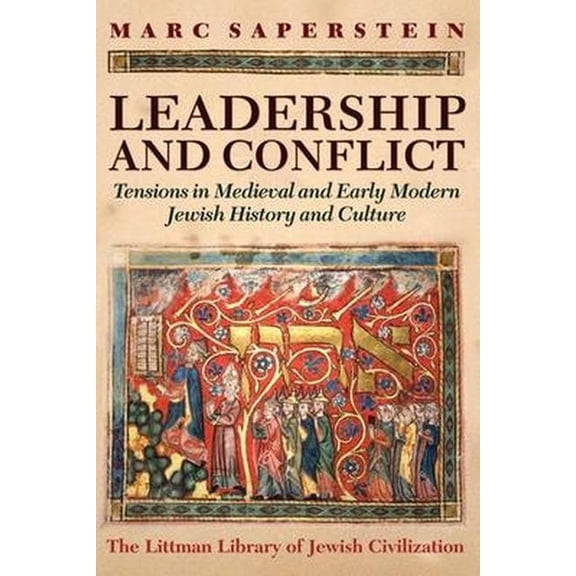 $7669current price $76.69
Littman Library of Jewish Civilization Leadership and Conflict: Tensions in Medieval and Modern Jewish History and Culture, (Hardcover)
Holy Brother: Inspiring Stories and Enchanted Tales about Rabbi Shlomo Carlebach, (Paperback) $40.18
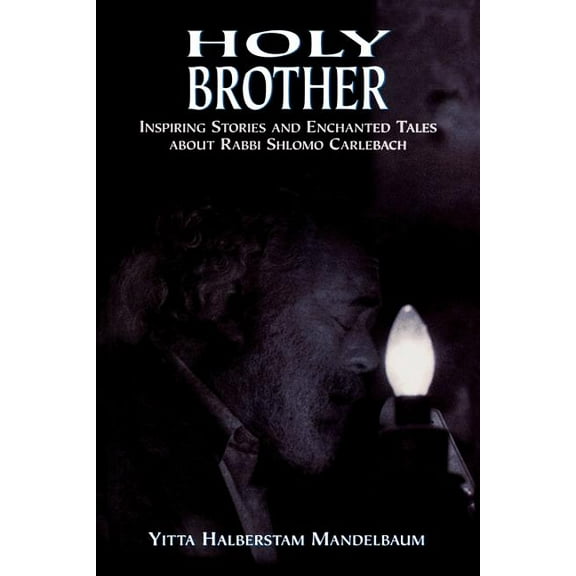 $4018current price $40.18
Holy Brother: Inspiring Stories and Enchanted Tales about Rabbi Shlomo Carlebach, (Paperback)
Ha-Yehudim U-mikveh Yisrael = The Jews and the Israelites: Their Religion, Philosophy, Traditions, A (Hardcover) $39.95
 $3995current price $39.95
Ha-Yehudim U-mikveh Yisrael = The Jews and the Israelites: Their Religion, Philosophy, Traditions, A (Hardcover)
Studies on the History of Society and Culture: Obstinate Hebrews : Representations of Jews in France, 1715-1815 (Series #49) (Edition 1) (Hardcover) $95.75
 $9575current price $95.75
Studies on the History of Society and Culture: Obstinate Hebrews : Representations of Jews in France, 1715-1815 (Series #49) (Edition 1) (Hardcover)
A Portrait of the American Jewish Community, (Hardcover) $115.97
 $11597current price $115.97
A Portrait of the American Jewish Community, (Hardcover)
Enduring Questions: Using Jewish Children's Literature in Classrooms, (Hardcover) $101.11
 $10111current price $101.11
Enduring Questions: Using Jewish Children's Literature in Classrooms, (Hardcover)
Studies in Contemporary Jewry Jews and the Sporting Life: Studies in Contemporary Jewry XXIII, Book XXIII, (Hardcover) $80.90
 $8090current price $80.90
Studies in Contemporary Jewry Jews and the Sporting Life: Studies in Contemporary Jewry XXIII, Book XXIII, (Hardcover)
Jewish Communities in the Modern World: The Jews of the United States, 1654 to 2000 (Series #4) (Edition 1) (Paperback) $28.66
 $2866current price $28.66
Jewish Communities in the Modern World: The Jews of the United States, 1654 to 2000 (Series #4) (Edition 1) (Paperback)
Jewish History in 100 Nutshells, (Hardcover) $67.89
 $6789current price $67.89
Jewish History in 100 Nutshells, (Hardcover)
Customer ratings & reviews
0 ratings|0 reviews
This item does not have any reviews yet
