


Hero image 0 of Last Resort : The Financial Crisis and the Future of Bailouts (Hardcover), 0 of 1
Last Resort : The Financial Crisis and the Future of Bailouts (Hardcover)
(No ratings yet)
Key item features
The bailouts during the recent financial crisis enraged the public. They felt unfair—and counterproductive: people who take risks must be allowed to fail. If we reward firms that make irresponsible investments, costing taxpayers billions of dollars, aren’t we encouraging them to continue to act irresponsibly, setting the stage for future crises? And beyond the ethics of it was the question of whether the government even had the authority to bail out failing firms like Bear Stearns and AIG.
The answer, according to Eric A. Posner, is no. The federal government freely and frequently violated the law with the bailouts—but it did so in the public interest. An understandable lack of sympathy toward Wall Street has obscured the fact that bailouts have happened throughout economic history and are unavoidable in any modern, market-based economy. And they’re actually good. Contrary to popular belief, the financial system cannot operate properly unless the government stands ready to bail out banks and other firms. During the recent crisis, Posner agues, the law didn’t give federal agencies sufficient power to rescue the financial system. The legal constraints were damaging, but harm was limited because the agencies—with a few exceptions—violated or improvised elaborate evasions of the law. Yet the agencies also abused their power. If illegal actions were what it took to advance the public interest, Posner argues, we ought to change the law, but we need to do so in a way that also prevents agencies from misusing their authority. In the aftermath of the crisis, confusion about what agencies did do, should have done, and were allowed to do, has prevented a clear and realistic assessment and may hamper our response to future crises.
Taking up the common objections raised by both right and left, Posner argues that future bailouts will occur. Acknowledging that inevitability, we can and must look ahead and carefully assess our policy options before we need them.
The answer, according to Eric A. Posner, is no. The federal government freely and frequently violated the law with the bailouts—but it did so in the public interest. An understandable lack of sympathy toward Wall Street has obscured the fact that bailouts have happened throughout economic history and are unavoidable in any modern, market-based economy. And they’re actually good. Contrary to popular belief, the financial system cannot operate properly unless the government stands ready to bail out banks and other firms. During the recent crisis, Posner agues, the law didn’t give federal agencies sufficient power to rescue the financial system. The legal constraints were damaging, but harm was limited because the agencies—with a few exceptions—violated or improvised elaborate evasions of the law. Yet the agencies also abused their power. If illegal actions were what it took to advance the public interest, Posner argues, we ought to change the law, but we need to do so in a way that also prevents agencies from misusing their authority. In the aftermath of the crisis, confusion about what agencies did do, should have done, and were allowed to do, has prevented a clear and realistic assessment and may hamper our response to future crises.
Taking up the common objections raised by both right and left, Posner argues that future bailouts will occur. Acknowledging that inevitability, we can and must look ahead and carefully assess our policy options before we need them.
Specs
- Book formatHardcover
- Fiction/nonfictionNon-Fiction
- Pub date2018-04-02
- Pages272
- Edition1
- Original languagesEnglish
Current price is USD$35.71
Price when purchased online
- Free shipping
 Free 30-day returns
How do you want your item?
Columbus, 43215
Arrives between Apr 17 - Apr 22
|
Sold and shipped by newbookdeals
4.558372952984681 stars out of 5, based on 1893 seller reviews(4.6)1893 seller reviews

Free 30-day returns
About this item
Product details
The bailouts during the recent financial crisis enraged the public. They felt unfair--and counterproductive: people who take risks must be allowed to fail. If we reward firms that make irresponsible investments, costing taxpayers billions of dollars, aren't we encouraging them to continue to act irresponsibly, setting the stage for future crises? And beyond the ethics of it was the question of whether the government even had the authority to bail out failing firms like Bear Stearns and AIG. The answer, according to Eric A. Posner, is no. The federal government freely and frequently violated the law with the bailouts--but it did so in the public interest. An understandable lack of sympathy toward Wall Street has obscured the fact that bailouts have happened throughout economic history and are unavoidable in any modern, market-based economy. And they're actually good. Contrary to popular belief, the financial system cannot operate properly unless the government stands ready to bail out banks and other firms. During the recent crisis, Posner agues, the law didn't give federal agencies sufficient power to rescue the financial system. The legal constraints were damaging, but harm was limited because the agencies--with a few exceptions--violated or improvised elaborate evasions of the law. Yet the agencies also abused their power. If illegal actions were what it took to advance the public interest, Posner argues, we ought to change the law, but we need to do so in a way that also prevents agencies from misusing their authority. In the aftermath of the crisis, confusion about what agencies did do, should have done, and were allowed to do, has prevented a clear and realistic assessment and may hamper our response to future crises. Taking up the common objections raised by both right and left, Posner argues that future bailouts will occur. Acknowledging that inevitability, we can and must look ahead and carefully assess our policy options before we need them.
The bailouts during the recent financial crisis enraged the public. They felt unfair—and counterproductive: people who take risks must be allowed to fail. If we reward firms that make irresponsible investments, costing taxpayers billions of dollars, aren’t we encouraging them to continue to act irresponsibly, setting the stage for future crises? And beyond the ethics of it was the question of whether the government even had the authority to bail out failing firms like Bear Stearns and AIG.
The answer, according to Eric A. Posner, is no. The federal government freely and frequently violated the law with the bailouts—but it did so in the public interest. An understandable lack of sympathy toward Wall Street has obscured the fact that bailouts have happened throughout economic history and are unavoidable in any modern, market-based economy. And they’re actually good. Contrary to popular belief, the financial system cannot operate properly unless the government stands ready to bail out banks and other firms. During the recent crisis, Posner agues, the law didn’t give federal agencies sufficient power to rescue the financial system. The legal constraints were damaging, but harm was limited because the agencies—with a few exceptions—violated or improvised elaborate evasions of the law. Yet the agencies also abused their power. If illegal actions were what it took to advance the public interest, Posner argues, we ought to change the law, but we need to do so in a way that also prevents agencies from misusing their authority. In the aftermath of the crisis, confusion about what agencies did do, should have done, and were allowed to do, has prevented a clear and realistic assessment and may hamper our response to future crises.
Taking up the common objections raised by both right and left, Posner argues that future bailouts will occur. Acknowledging that inevitability, we can and must look ahead and carefully assess our policy options before we need them.
The answer, according to Eric A. Posner, is no. The federal government freely and frequently violated the law with the bailouts—but it did so in the public interest. An understandable lack of sympathy toward Wall Street has obscured the fact that bailouts have happened throughout economic history and are unavoidable in any modern, market-based economy. And they’re actually good. Contrary to popular belief, the financial system cannot operate properly unless the government stands ready to bail out banks and other firms. During the recent crisis, Posner agues, the law didn’t give federal agencies sufficient power to rescue the financial system. The legal constraints were damaging, but harm was limited because the agencies—with a few exceptions—violated or improvised elaborate evasions of the law. Yet the agencies also abused their power. If illegal actions were what it took to advance the public interest, Posner argues, we ought to change the law, but we need to do so in a way that also prevents agencies from misusing their authority. In the aftermath of the crisis, confusion about what agencies did do, should have done, and were allowed to do, has prevented a clear and realistic assessment and may hamper our response to future crises.
Taking up the common objections raised by both right and left, Posner argues that future bailouts will occur. Acknowledging that inevitability, we can and must look ahead and carefully assess our policy options before we need them.
info:
We aim to show you accurate product information. Manufacturers, suppliers and others provide what you see here, and we have not verified it.
Specifications
Book format
Hardcover
Fiction/nonfiction
Non-Fiction
Genre
Political & Social Sciences
Pub date
2018-04-02
Warranty
Warranty information
Please be aware that the warranty terms on items offered for sale by third party Marketplace sellers may differ from those displayed in this section (if any). To confirm warranty terms on an item offered for sale by a third party Marketplace seller, please use the 'Contact seller' feature on the third party Marketplace seller's information page and request the item's warranty terms prior to purchase.
Warnings
State Chemical Disclosure
None
Similar items you might like
Based on what customers bought
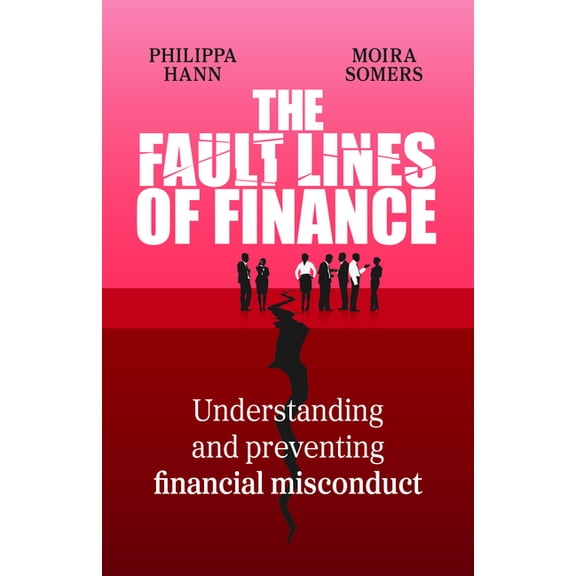
The Fault Lines of Finance: Understanding and Preventing Financial Misconduct, (Hardcover) $31.99
 $3199current price $31.99
The Fault Lines of Finance: Understanding and Preventing Financial Misconduct, (Hardcover)
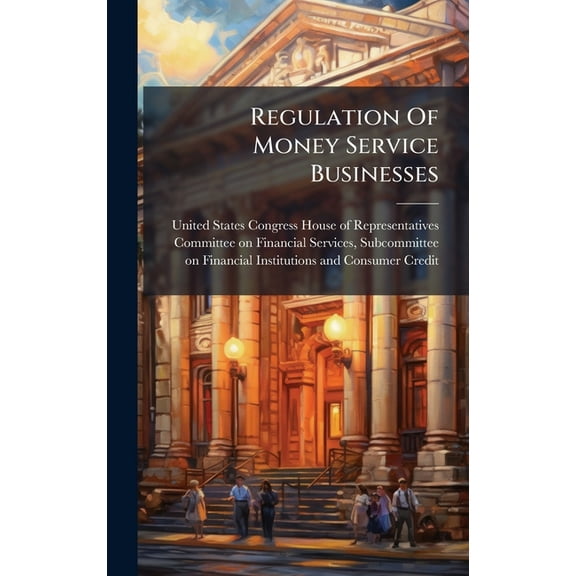
Regulation Of Money Service Businesses, (Hardcover) $29.95
 $2995current price $29.95
Regulation Of Money Service Businesses, (Hardcover)
The French Civil Code (As Amended Up to 1906) (Hardcover) $39.95
 $3995current price $39.95
The French Civil Code (As Amended Up to 1906) (Hardcover)
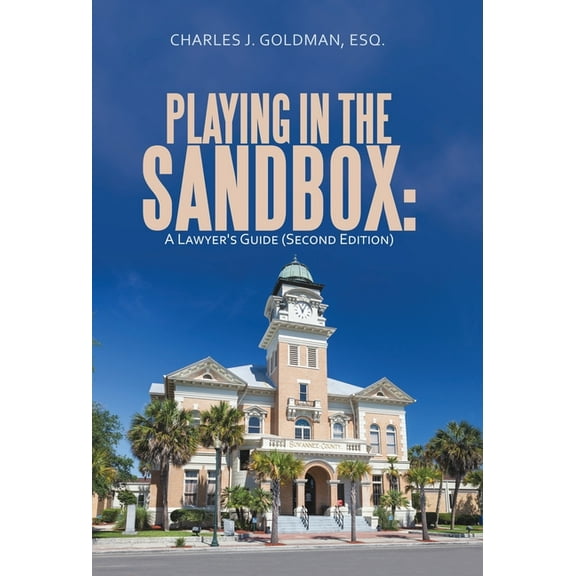
Playing in the Sandbox: A Lawyer's Guide (Second Edition), (Hardcover) $35.78
 $3578current price $35.78
Playing in the Sandbox: A Lawyer's Guide (Second Edition), (Hardcover)
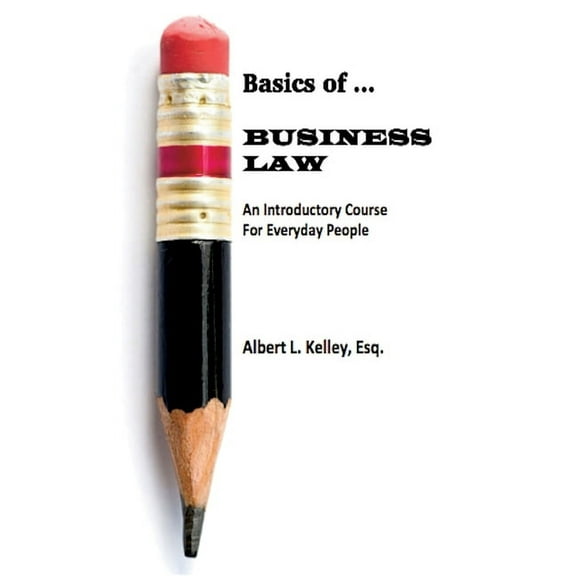
Basics of: Basics of ... Business Law 101 (LIB) (Hardcover) $37.64
 $3764current price $37.64
Basics of: Basics of ... Business Law 101 (LIB) (Hardcover)
Bank Deposits, (Hardcover) $34.95
 $3495current price $34.95
Bank Deposits, (Hardcover)
Elements of the Law of Agency (Paperback) $36.38
 $3638current price $36.38
Elements of the Law of Agency (Paperback)
Taxation - incorporating the 2021 Finance Act (2021/22) (Edition 38) (Paperback) $34.98
 $3498current price $34.98
Taxation - incorporating the 2021 Finance Act (2021/22) (Edition 38) (Paperback)
Franchise Law Decoded: The Essential Legal Guide For Franchise Success, (Hardcover) $21.96
 $2196current price $21.96
Franchise Law Decoded: The Essential Legal Guide For Franchise Success, (Hardcover)
Raising Capital with Confidence, (Hardcover) $25.41
 $2541current price $25.41
Raising Capital with Confidence, (Hardcover)
Smartest Guys in the Room : The Amazing Rise and Scandalous Fall of Enron (Hardcover) 9781591840084 $33.52
 $3352current price $33.52
Smartest Guys in the Room : The Amazing Rise and Scandalous Fall of Enron (Hardcover) 9781591840084
Meltdown: The Financial Crisis, Consumer Protection, and the Road Forward, (Paperback) $47.39
 $4739current price $47.39
Meltdown: The Financial Crisis, Consumer Protection, and the Road Forward, (Paperback)
Law and Happiness, (Paperback) $40.59
 $4059current price $40.59
Law and Happiness, (Paperback)
Advanced Introduction To U.S. Federal Securities Law $36.74
 $3674current price $36.74
Advanced Introduction To U.S. Federal Securities Law
Credit Reports, (Hardcover) $33.95
 $3395current price $33.95
Credit Reports, (Hardcover)
Europaeische Hochschulschriften Recht Fortfuehrungsprognosen im Insolvenzrecht und in Insolvenznaehe, Book 6755, (Paperback) $36.51
 $3651current price $36.51
Europaeische Hochschulschriften Recht Fortfuehrungsprognosen im Insolvenzrecht und in Insolvenznaehe, Book 6755, (Paperback)
The Intersection of Law and Finance, (Hardcover) $38.83
 $3883current price $38.83
The Intersection of Law and Finance, (Hardcover)
Community Reinvestment Act, (Hardcover) $30.95
 $3095current price $30.95
Community Reinvestment Act, (Hardcover)
A new Abridgment of the law; Volume 10, (Paperback) $32.95
 $3295current price $32.95
A new Abridgment of the law; Volume 10, (Paperback)
Sarbanes-Oxley Simplified (Paperback) $32.62
 $3262current price $32.62
Sarbanes-Oxley Simplified (Paperback)
Customer ratings & reviews
0 ratings|0 reviews
This item does not have any reviews yet

Related pages
- Become Business Analyst
- Management Leadership Harden Business Money
- Option In Contract Law
- Management Leadership Glencoe Business Money
- Career Branding
- Entrepreneur Economics
- Public Contract
- Housing & Urban Development Law Books
- General Career in Business Books
- Workplace Culture Books
- Judicial Power Books
- Banking Law Books