


Hero image 0 of Korean Showdown : National Policy and Military Strategy in a Limited War, 1951–1952 (Edition 1) (Hardcover), 0 of 1
Korean Showdown : National Policy and Military Strategy in a Limited War, 1951–1952 (Edition 1) (Hardcover)
(No ratings yet)
Key item features
A historical analysis of the policies and military strategies applied during the Korean War stalemate period
Winner of the 2023 Andrew F. Krepinevich Jr. Writing Award
Korean Showdown: National Policy and Military Strategy in a Limited War, 1951–1952 takes a holistic and integrative approach to strategy, operations, and tactics during the Korean War’s stalemate period and demonstrates how these matters shaped each other and influenced, or were influenced by, political and strategic policy decision-making. Bryan R. Gibby offers an analysis of the major political and military decisions affecting how the war was conducted operationally and diplomatically by examining American, Chinese, North Korean, and South Korean operations in the context of fighting a limited war with limited means, but for objectives that were not always limited in scope or ambition. The foundational political decision was Harry Truman’s voluntary repatriation policy, which extended the war by up to eighteen months. Its military counterpart was the American-led Operation Showdown, the last deliberate military offensive to coerce concessions at the negotiation table. Showdown’s failure (and the Communists’ own equally disappointing military efforts) opened up new avenues for solving the war short of a militarily imposed solution.
Gibby’s research draws on primary sources from American, Korean, and Chinese archives and publications. Many of these sources have not yet been mined in diplomatic and military histories of the Korean War. This innovative book also addresses a significant gap in the study of Korean military operations—the linkage between ground and air pressure campaigns, as well as the many Chinese and American operations conducted to establish negotiation positions. Gibby also explores many political and propagandist developments that assumed great importance in the summer of 1952, such as prisoner of war riots, the bombing of hydroelectric dams, and the South Korean constitutional crisis, which significantly influenced American and Chinese military decision-making.
Ultimately, this volume serves as a cautionary analysis of the limits of force, the necessity to understand an adversary, and the importance of strategic consensus. It also offers an effective case study on an underappreciated period of civil-military tension during the Cold War and on how civilian politicians and military leaders must collaborate to determine a realistic and effective strategy.
Winner of the 2023 Andrew F. Krepinevich Jr. Writing Award
Korean Showdown: National Policy and Military Strategy in a Limited War, 1951–1952 takes a holistic and integrative approach to strategy, operations, and tactics during the Korean War’s stalemate period and demonstrates how these matters shaped each other and influenced, or were influenced by, political and strategic policy decision-making. Bryan R. Gibby offers an analysis of the major political and military decisions affecting how the war was conducted operationally and diplomatically by examining American, Chinese, North Korean, and South Korean operations in the context of fighting a limited war with limited means, but for objectives that were not always limited in scope or ambition. The foundational political decision was Harry Truman’s voluntary repatriation policy, which extended the war by up to eighteen months. Its military counterpart was the American-led Operation Showdown, the last deliberate military offensive to coerce concessions at the negotiation table. Showdown’s failure (and the Communists’ own equally disappointing military efforts) opened up new avenues for solving the war short of a militarily imposed solution.
Gibby’s research draws on primary sources from American, Korean, and Chinese archives and publications. Many of these sources have not yet been mined in diplomatic and military histories of the Korean War. This innovative book also addresses a significant gap in the study of Korean military operations—the linkage between ground and air pressure campaigns, as well as the many Chinese and American operations conducted to establish negotiation positions. Gibby also explores many political and propagandist developments that assumed great importance in the summer of 1952, such as prisoner of war riots, the bombing of hydroelectric dams, and the South Korean constitutional crisis, which significantly influenced American and Chinese military decision-making.
Ultimately, this volume serves as a cautionary analysis of the limits of force, the necessity to understand an adversary, and the importance of strategic consensus. It also offers an effective case study on an underappreciated period of civil-military tension during the Cold War and on how civilian politicians and military leaders must collaborate to determine a realistic and effective strategy.
Specs
- Book formatHardcover
- Fiction/nonfictionNon-Fiction
- GenreHistory
- Pub date2021-01-12
- Pages408
- Edition1
Current price is USD$60.05
Price when purchased online
- Free shipping
 Free 30-day returns
How do you want your item?
Columbus, 43215
Arrives between Apr 21 - Apr 27
|
Sold and shipped by newbookdeals
4.559768299104792 stars out of 5, based on 1899 seller reviews(4.6)1899 seller reviews

Free 30-day returns
About this item
Product details
A historical analysis of the policies and military strategies applied during the Korean War stalemate period
A historical analysis of the policies and military strategies applied during the Korean War stalemate period
Winner of the 2023 Andrew F. Krepinevich Jr. Writing Award
Korean Showdown: National Policy and Military Strategy in a Limited War, 1951–1952 takes a holistic and integrative approach to strategy, operations, and tactics during the Korean War’s stalemate period and demonstrates how these matters shaped each other and influenced, or were influenced by, political and strategic policy decision-making. Bryan R. Gibby offers an analysis of the major political and military decisions affecting how the war was conducted operationally and diplomatically by examining American, Chinese, North Korean, and South Korean operations in the context of fighting a limited war with limited means, but for objectives that were not always limited in scope or ambition. The foundational political decision was Harry Truman’s voluntary repatriation policy, which extended the war by up to eighteen months. Its military counterpart was the American-led Operation Showdown, the last deliberate military offensive to coerce concessions at the negotiation table. Showdown’s failure (and the Communists’ own equally disappointing military efforts) opened up new avenues for solving the war short of a militarily imposed solution.
Gibby’s research draws on primary sources from American, Korean, and Chinese archives and publications. Many of these sources have not yet been mined in diplomatic and military histories of the Korean War. This innovative book also addresses a significant gap in the study of Korean military operations—the linkage between ground and air pressure campaigns, as well as the many Chinese and American operations conducted to establish negotiation positions. Gibby also explores many political and propagandist developments that assumed great importance in the summer of 1952, such as prisoner of war riots, the bombing of hydroelectric dams, and the South Korean constitutional crisis, which significantly influenced American and Chinese military decision-making.
Ultimately, this volume serves as a cautionary analysis of the limits of force, the necessity to understand an adversary, and the importance of strategic consensus. It also offers an effective case study on an underappreciated period of civil-military tension during the Cold War and on how civilian politicians and military leaders must collaborate to determine a realistic and effective strategy.
Winner of the 2023 Andrew F. Krepinevich Jr. Writing Award
Korean Showdown: National Policy and Military Strategy in a Limited War, 1951–1952 takes a holistic and integrative approach to strategy, operations, and tactics during the Korean War’s stalemate period and demonstrates how these matters shaped each other and influenced, or were influenced by, political and strategic policy decision-making. Bryan R. Gibby offers an analysis of the major political and military decisions affecting how the war was conducted operationally and diplomatically by examining American, Chinese, North Korean, and South Korean operations in the context of fighting a limited war with limited means, but for objectives that were not always limited in scope or ambition. The foundational political decision was Harry Truman’s voluntary repatriation policy, which extended the war by up to eighteen months. Its military counterpart was the American-led Operation Showdown, the last deliberate military offensive to coerce concessions at the negotiation table. Showdown’s failure (and the Communists’ own equally disappointing military efforts) opened up new avenues for solving the war short of a militarily imposed solution.
Gibby’s research draws on primary sources from American, Korean, and Chinese archives and publications. Many of these sources have not yet been mined in diplomatic and military histories of the Korean War. This innovative book also addresses a significant gap in the study of Korean military operations—the linkage between ground and air pressure campaigns, as well as the many Chinese and American operations conducted to establish negotiation positions. Gibby also explores many political and propagandist developments that assumed great importance in the summer of 1952, such as prisoner of war riots, the bombing of hydroelectric dams, and the South Korean constitutional crisis, which significantly influenced American and Chinese military decision-making.
Ultimately, this volume serves as a cautionary analysis of the limits of force, the necessity to understand an adversary, and the importance of strategic consensus. It also offers an effective case study on an underappreciated period of civil-military tension during the Cold War and on how civilian politicians and military leaders must collaborate to determine a realistic and effective strategy.
info:
We aim to show you accurate product information. Manufacturers, suppliers and others provide what you see here, and we have not verified it.
Specifications
Book format
Hardcover
Fiction/nonfiction
Non-Fiction
Genre
History
Pub date
2021-01-12
Warranty
Warranty information
Please be aware that the warranty terms on items offered for sale by third party Marketplace sellers may differ from those displayed in this section (if any). To confirm warranty terms on an item offered for sale by a third party Marketplace seller, please use the 'Contact seller' feature on the third party Marketplace seller's information page and request the item's warranty terms prior to purchase.
Similar items you might like
Based on what customers bought
Understanding Urban Warfare, (Hardcover) $60.32
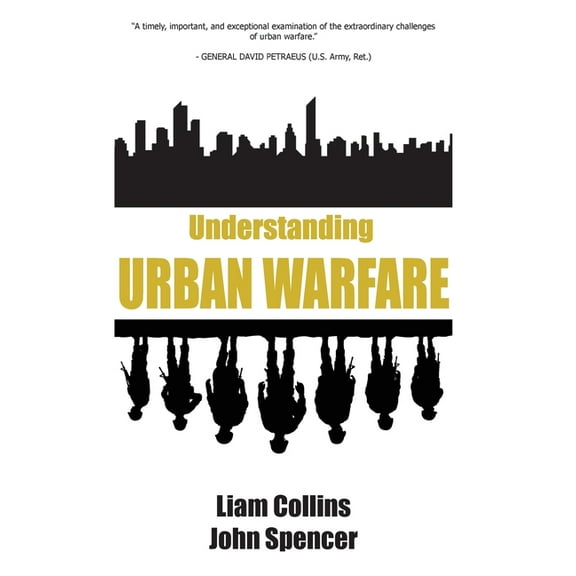 $6032current price $60.32
Understanding Urban Warfare, (Hardcover)
The Grand Strategy That Won the Cold War: Architecture of Triumph, (Paperback) $77.45
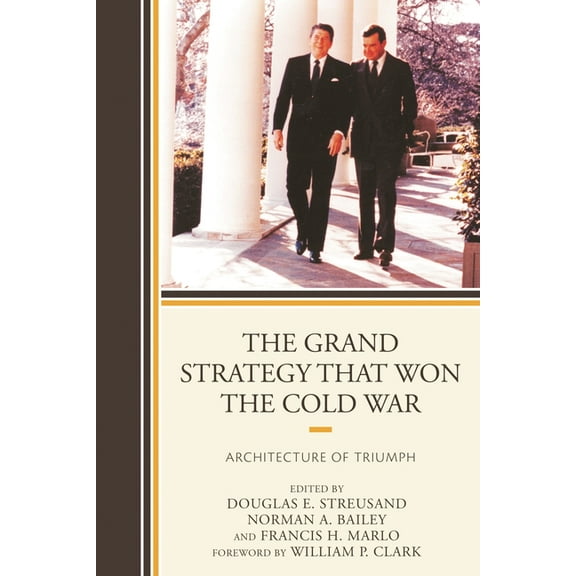 $7745current price $77.45
The Grand Strategy That Won the Cold War: Architecture of Triumph, (Paperback)
Professionals Talk Logistics: Sustaining Strategy and Operations, (Hardcover) $46.51 Was $65.00
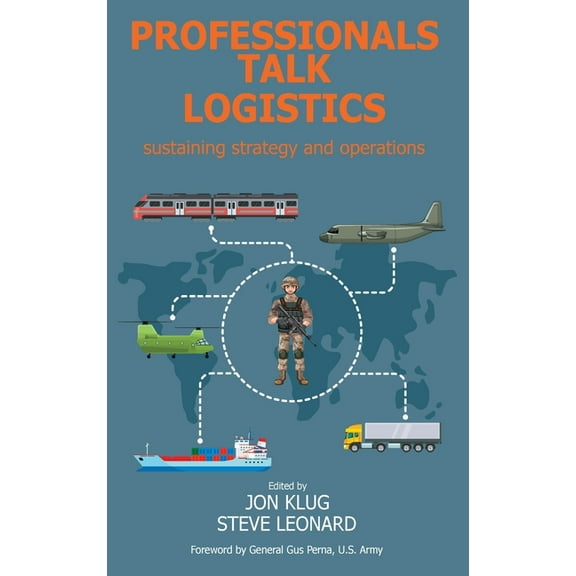 $4651current price $46.51, Was $65.00$65.00
Professionals Talk Logistics: Sustaining Strategy and Operations, (Hardcover)
The Iraq War: Strategy, Tactics, and Military Lessons, (Hardcover) $77.49
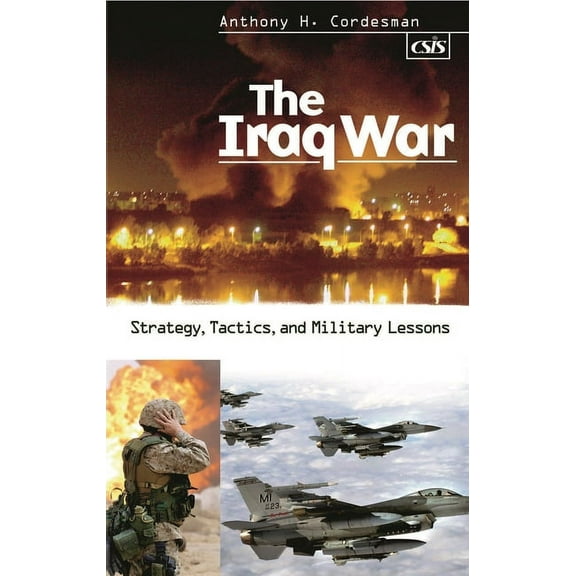 $7749current price $77.49
The Iraq War: Strategy, Tactics, and Military Lessons, (Hardcover)
Praeger Security International Counterinsurgency and the Global War on Terror: Military Culture and Irregular War, (Hardcover) $77.49
 $7749current price $77.49
Praeger Security International Counterinsurgency and the Global War on Terror: Military Culture and Irregular War, (Hardcover)
Pre-Owned Modern Military Strategy: An Introduction (Paperback) 1138825387 9781138825383 $38.67
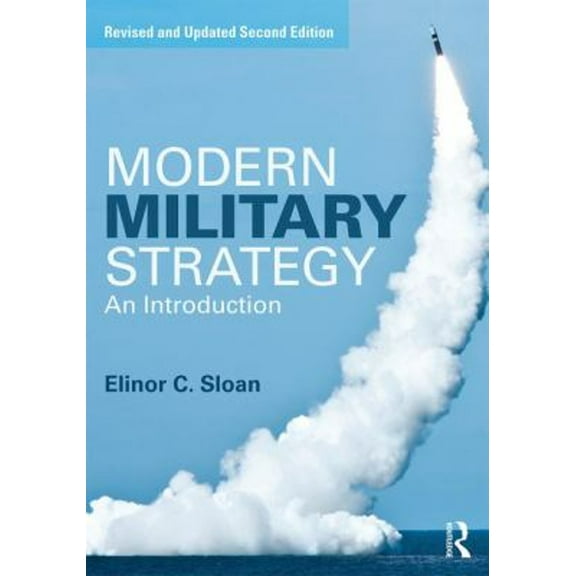 $3867current price $38.67
Pre-Owned Modern Military Strategy: An Introduction (Paperback) 1138825387 9781138825383
Future War and Counterproliferation: U.S. Military Responses to NBC Proliferation Threats, (Hardcover) $101.11
 $10111current price $101.11
Future War and Counterproliferation: U.S. Military Responses to NBC Proliferation Threats, (Hardcover)
Contributions in Military Studies Military Threats: A Systematic Historical Analysis of the Determinants of Success, (Hardcover) $94.08
 $9408current price $94.08
Contributions in Military Studies Military Threats: A Systematic Historical Analysis of the Determinants of Success, (Hardcover)
Cass Military Studies Strategy in the American War of Independence: A Global Approach, (Paperback) $77.75
 $7775current price $77.75
Cass Military Studies Strategy in the American War of Independence: A Global Approach, (Paperback)
Contributions in Military Studies The Heights of Courage: A Tank Leader's War on the Golan, (Hardcover) $62.50
 $6250current price $62.50
Contributions in Military Studies The Heights of Courage: A Tank Leader's War on the Golan, (Hardcover)
Contributions in Military Studies Perspectives on Nuclear War and Peace Education, (Hardcover) $111.85
 $11185current price $111.85
Contributions in Military Studies Perspectives on Nuclear War and Peace Education, (Hardcover)
Pure National Security Strategy, (Hardcover) $32.00
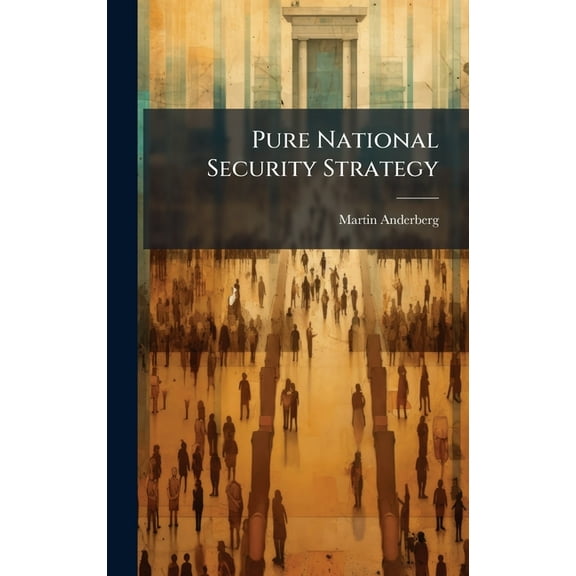 $3200current price $32.00
Pure National Security Strategy, (Hardcover)
Recognizing and Adapting to Unrestricted Warfare Practices by China, (Hardcover) $26.95
 $2695current price $26.95
Recognizing and Adapting to Unrestricted Warfare Practices by China, (Hardcover)
Generalship on the Eastern Front, 1941-45: A Study in Command, (Hardcover) $40.00
 $4000current price $40.00
Generalship on the Eastern Front, 1941-45: A Study in Command, (Hardcover)
Grant's Strategy and Other Addresses, (Hardcover) $31.95
 $3195current price $31.95
Grant's Strategy and Other Addresses, (Hardcover)
Warriors Hate War: Strategy, politicization, successes, and failures of the US Military, (Hardcover) $25.21
 $2521current price $25.21
Warriors Hate War: Strategy, politicization, successes, and failures of the US Military, (Hardcover)
Warriors Hate War: Strategy, politicization, successes, and failures of the US Military, (Hardcover) $27.31
 $2731current price $27.31
Warriors Hate War: Strategy, politicization, successes, and failures of the US Military, (Hardcover)
Shaping Strategy: The Civil-Military Politics of Strategic Assessment, (Paperback) $51.00
 $5100current price $51.00
Shaping Strategy: The Civil-Military Politics of Strategic Assessment, (Paperback)
Modern War Studies Colossus Reborn: The Red Army at War, 1941-1943, (Hardcover) $67.95
 $6795current price $67.95
Modern War Studies Colossus Reborn: The Red Army at War, 1941-1943, (Hardcover)
Application of AirLand Battle Doctrine to Small Unit Tactics, (Hardcover) $29.95
 $2995current price $29.95
Application of AirLand Battle Doctrine to Small Unit Tactics, (Hardcover)
Customer ratings & reviews
0 ratings|0 reviews
This item does not have any reviews yet
