


Hero image 0 of Towards an Ecology of Tectonics : The Need for Rethinking Construction in Architecture (Hardcover), 0 of 1
Towards an Ecology of Tectonics : The Need for Rethinking Construction in Architecture (Hardcover)
(No ratings yet)
Key item features
The global resources situation and the climate crisis are amongst the biggest challenges faced by mankind today. In the years to come, these issues will no doubt have an influence on societal evolution, on urban and rural land development, and how we define our cultural identities. These and related issues will be reflected in the world of architecture. In recent years many countries with high energy consumption have made the energy-related requirements for buildings more stringent; the new rules apply to the resources used for construction as well as to those used in the operation of buildings. In the future, these new requirements will have a major impact on the design of buildings. It will not be sufficient merely to increase the insulation thickness or to make the building envelope more airtight. Solutions of this type have an adverse impact on the architectural design, on the construction practices, on the indoor environment and on options for making buildings flexible so that they can be adapted for diverse uses over time.
Equally important in terms of its impact on architectural quality is the challenge posed by the continuous growth of industrialisation. The move from craft-based construction methods to computer-controlled production processes now used in industrialised manufacturing has resulted in strict standards, established at design level, being imposed on the process as it takes place on the building site, creating an "assembly architecture" that no longer depends on the locally available materials, on local cultural traditions or on the specific physical context.
In this book, ideas, design principles and practices that relate to tectonics in architecture are explored, and a series of themes are discussed in relation to various concepts of ecology. Ecology is, in this case, defined in its widest sense, which includes the cycling of resources, systems of social organisation and the environmental context. Tectonics—a concept with a long tradition in architecture and architectural theory—is comparable to ecology. It relates to the design and assembly of structural elements, and implies a holistic approach to materials, to construction technology and to the design of structures. It is more than merely an instrumental strategy: it extends into the poetic, which elevates it to the status of a cultural practice.
This book is part of a research project conducted by leading academics associated with the Royal Danish Academy of Fine Arts School of Architecture, the Aarhus School of Architecture and the Danish Building Research Institute. With contributions from a wider network of academic experts and from practicing architects, it provides the first comprehensive representation of contemporary tectonic thought and practices in architecture, tonic thinking and practice in architecture.
Equally important in terms of its impact on architectural quality is the challenge posed by the continuous growth of industrialisation. The move from craft-based construction methods to computer-controlled production processes now used in industrialised manufacturing has resulted in strict standards, established at design level, being imposed on the process as it takes place on the building site, creating an "assembly architecture" that no longer depends on the locally available materials, on local cultural traditions or on the specific physical context.
In this book, ideas, design principles and practices that relate to tectonics in architecture are explored, and a series of themes are discussed in relation to various concepts of ecology. Ecology is, in this case, defined in its widest sense, which includes the cycling of resources, systems of social organisation and the environmental context. Tectonics—a concept with a long tradition in architecture and architectural theory—is comparable to ecology. It relates to the design and assembly of structural elements, and implies a holistic approach to materials, to construction technology and to the design of structures. It is more than merely an instrumental strategy: it extends into the poetic, which elevates it to the status of a cultural practice.
This book is part of a research project conducted by leading academics associated with the Royal Danish Academy of Fine Arts School of Architecture, the Aarhus School of Architecture and the Danish Building Research Institute. With contributions from a wider network of academic experts and from practicing architects, it provides the first comprehensive representation of contemporary tectonic thought and practices in architecture, tonic thinking and practice in architecture.
Specs
- Book formatHardcover
- Fiction/nonfictionNon-Fiction
- GenreTextbooks
- Pub date20140101
- Pages224
- Reading levelGeneral
Current price is USD$63.20
Price when purchased online
- Free shipping
 Free 30-day returns
How do you want your item?
Columbus, 43215
Arrives between Apr 17 - Apr 22
|
Sold and shipped by newbookdeals
4.558372952984681 stars out of 5, based on 1893 seller reviews(4.6)1893 seller reviews

Free 30-day returns
Other sellers
$92.88
+Free shippingShipping, arrives by Sat, Apr 11 to Columbus, 43215
Sold and shipped by BooksXpress
Free 30-day returns
About this item
Product details
The global resources situation and the climate crisis are amongst the biggest challenges faced by mankind today. In the years to come, these issues will no doubt have an influence on societal evolution, on urban and rural land development, and how we define our cultural identities. These and related issues will be reflected in the world of architecture. In recent years many countries with high energy consumption have made the energy-related requirements for buildings more stringent; the new rules apply to the resources used for construction as well as to those used in the operation of buildings. In the future, these new requirements will have a major impact on the design of buildings. It will not be sufficient merely to increase the insulation thickness or to make the building envelope more airtight. Solutions of this type have an adverse impact on the architectural design, on the construction practices, on the indoor environment and on options for making buildings flexible so that they can be adapted for diverse uses over time.
Equally important in terms of its impact on architectural quality is the challenge posed by the continuous growth of industrialisation. The move from craft-based construction methods to computer-controlled production processes now used in industrialised manufacturing has resulted in strict standards, established at design level, being imposed on the process as it takes place on the building site, creating an "assembly architecture" that no longer depends on the locally available materials, on local cultural traditions or on the specific physical context.
In this book, ideas, design principles and practices that relate to tectonics in architecture are explored, and a series of themes are discussed in relation to various concepts of ecology. Ecology is, in this case, defined in its widest sense, which includes the cycling of resources, systems of social organisation and the environmental context. Tectonics--a concept with a long tradition in architecture and architectural theory--is comparable to ecology. It relates to the design and assembly of structural elements, and implies a holistic approach to materials, to construction technology and to the design of structures. It is more than merely an instrumental strategy: it extends into the poetic, which elevates it to the status of a cultural practice.
This book is part of a research project conducted by leading academics associated with the Royal Danish Academy of Fine Arts School of Architecture, the Aarhus School of Architecture and the Danish Building Research Institute. With contributions from a wider network of academic experts and from practicing architects, it provides the first comprehensive representation of contemporary tectonic thought and practices in architecture, tonic thinking and practice in architecture.
Equally important in terms of its impact on architectural quality is the challenge posed by the continuous growth of industrialisation. The move from craft-based construction methods to computer-controlled production processes now used in industrialised manufacturing has resulted in strict standards, established at design level, being imposed on the process as it takes place on the building site, creating an "assembly architecture" that no longer depends on the locally available materials, on local cultural traditions or on the specific physical context.
In this book, ideas, design principles and practices that relate to tectonics in architecture are explored, and a series of themes are discussed in relation to various concepts of ecology. Ecology is, in this case, defined in its widest sense, which includes the cycling of resources, systems of social organisation and the environmental context. Tectonics--a concept with a long tradition in architecture and architectural theory--is comparable to ecology. It relates to the design and assembly of structural elements, and implies a holistic approach to materials, to construction technology and to the design of structures. It is more than merely an instrumental strategy: it extends into the poetic, which elevates it to the status of a cultural practice.
This book is part of a research project conducted by leading academics associated with the Royal Danish Academy of Fine Arts School of Architecture, the Aarhus School of Architecture and the Danish Building Research Institute. With contributions from a wider network of academic experts and from practicing architects, it provides the first comprehensive representation of contemporary tectonic thought and practices in architecture, tonic thinking and practice in architecture.
The global resources situation and the climate crisis are amongst the biggest challenges faced by mankind today. In the years to come, these issues will no doubt have an influence on societal evolution, on urban and rural land development, and how we define our cultural identities. These and related issues will be reflected in the world of architecture. In recent years many countries with high energy consumption have made the energy-related requirements for buildings more stringent; the new rules apply to the resources used for construction as well as to those used in the operation of buildings. In the future, these new requirements will have a major impact on the design of buildings. It will not be sufficient merely to increase the insulation thickness or to make the building envelope more airtight. Solutions of this type have an adverse impact on the architectural design, on the construction practices, on the indoor environment and on options for making buildings flexible so that they can be adapted for diverse uses over time.
Equally important in terms of its impact on architectural quality is the challenge posed by the continuous growth of industrialisation. The move from craft-based construction methods to computer-controlled production processes now used in industrialised manufacturing has resulted in strict standards, established at design level, being imposed on the process as it takes place on the building site, creating an "assembly architecture" that no longer depends on the locally available materials, on local cultural traditions or on the specific physical context.
In this book, ideas, design principles and practices that relate to tectonics in architecture are explored, and a series of themes are discussed in relation to various concepts of ecology. Ecology is, in this case, defined in its widest sense, which includes the cycling of resources, systems of social organisation and the environmental context. Tectonics—a concept with a long tradition in architecture and architectural theory—is comparable to ecology. It relates to the design and assembly of structural elements, and implies a holistic approach to materials, to construction technology and to the design of structures. It is more than merely an instrumental strategy: it extends into the poetic, which elevates it to the status of a cultural practice.
This book is part of a research project conducted by leading academics associated with the Royal Danish Academy of Fine Arts School of Architecture, the Aarhus School of Architecture and the Danish Building Research Institute. With contributions from a wider network of academic experts and from practicing architects, it provides the first comprehensive representation of contemporary tectonic thought and practices in architecture, tonic thinking and practice in architecture.
Equally important in terms of its impact on architectural quality is the challenge posed by the continuous growth of industrialisation. The move from craft-based construction methods to computer-controlled production processes now used in industrialised manufacturing has resulted in strict standards, established at design level, being imposed on the process as it takes place on the building site, creating an "assembly architecture" that no longer depends on the locally available materials, on local cultural traditions or on the specific physical context.
In this book, ideas, design principles and practices that relate to tectonics in architecture are explored, and a series of themes are discussed in relation to various concepts of ecology. Ecology is, in this case, defined in its widest sense, which includes the cycling of resources, systems of social organisation and the environmental context. Tectonics—a concept with a long tradition in architecture and architectural theory—is comparable to ecology. It relates to the design and assembly of structural elements, and implies a holistic approach to materials, to construction technology and to the design of structures. It is more than merely an instrumental strategy: it extends into the poetic, which elevates it to the status of a cultural practice.
This book is part of a research project conducted by leading academics associated with the Royal Danish Academy of Fine Arts School of Architecture, the Aarhus School of Architecture and the Danish Building Research Institute. With contributions from a wider network of academic experts and from practicing architects, it provides the first comprehensive representation of contemporary tectonic thought and practices in architecture, tonic thinking and practice in architecture.
info:
We aim to show you accurate product information. Manufacturers, suppliers and others provide what you see here, and we have not verified it.
Specifications
Book format
Hardcover
Fiction/nonfiction
Non-Fiction
Genre
Textbooks
Pub date
20140101
Warranty
Warranty information
Please be aware that the warranty terms on items offered for sale by third party Marketplace sellers may differ from those displayed in this section (if any). To confirm warranty terms on an item offered for sale by a third party Marketplace seller, please use the 'Contact seller' feature on the third party Marketplace seller's information page and request the item's warranty terms prior to purchase.
Similar items you might like
Based on what customers bought
Zaha Hadid's Paintings: Imagining Architecture, (Hardcover) $67.41
 $6741current price $67.41
Zaha Hadid's Paintings: Imagining Architecture, (Hardcover)
Botanical Buildings: When Plants Meet Architecture, (Hardcover) $76.75
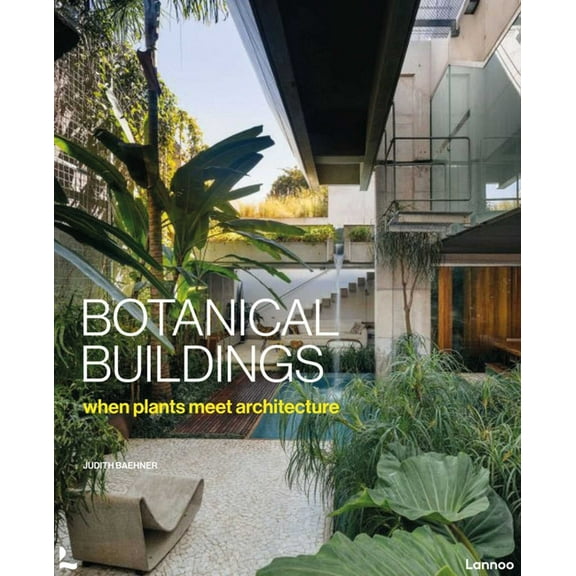 $7675current price $76.75
Botanical Buildings: When Plants Meet Architecture, (Hardcover)
Elements in Climate Change and Cities Planning, Urban Design, and Architecture for Climate Action, (Hardcover) $40.39 Was $60.44
 $4039current price $40.39, Was $60.44$60.44
Elements in Climate Change and Cities Planning, Urban Design, and Architecture for Climate Action, (Hardcover)
Leaving the City Behind: Country House Architecture & Design, (Hardcover) $49.95
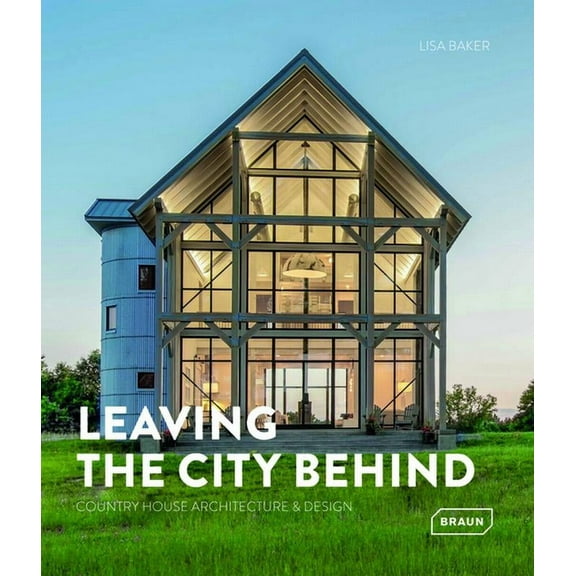 $4995current price $49.95
Leaving the City Behind: Country House Architecture & Design, (Hardcover)
Coastal: Mhk Architecture, (Hardcover) $65.00
 $6500current price $65.00
Coastal: Mhk Architecture, (Hardcover)
Claesson Koivisto Rune: In Transit: Architecture & Design (Hardcover) $62.47
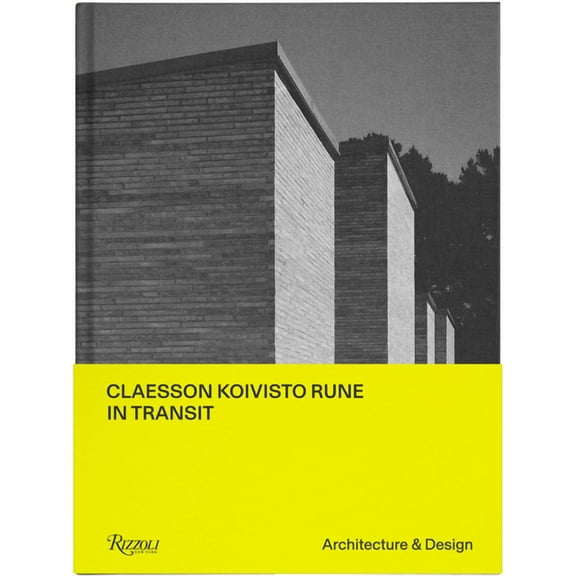 $6247current price $62.47
Claesson Koivisto Rune: In Transit: Architecture & Design (Hardcover)
Architecture Against Architecture: A Manifesto, (Hardcover) $25.12
 $2512current price $25.12
Architecture Against Architecture: A Manifesto, (Hardcover)
Bookverse: X living Architecture and Interior Design, (Hardcover) $54.98 Was $64.36
 $5498current price $54.98, Was $64.36$64.36
Bookverse: X living Architecture and Interior Design, (Hardcover)
Why Why? Where Architecture Loves People, (Hardcover) $45.76 Was $61.98
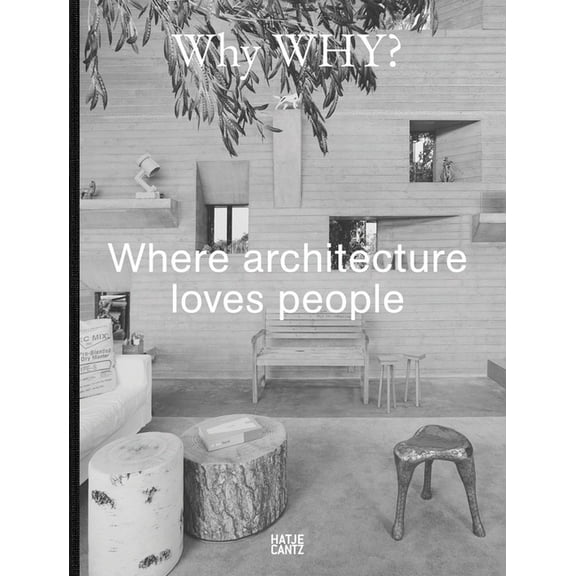 $4576current price $45.76, Was $61.98$61.98
Why Why? Where Architecture Loves People, (Hardcover)
Artificial Intelligence in Architecture and the Built Environment: The Revolution Yet to Come, (Hardcover) $80.51
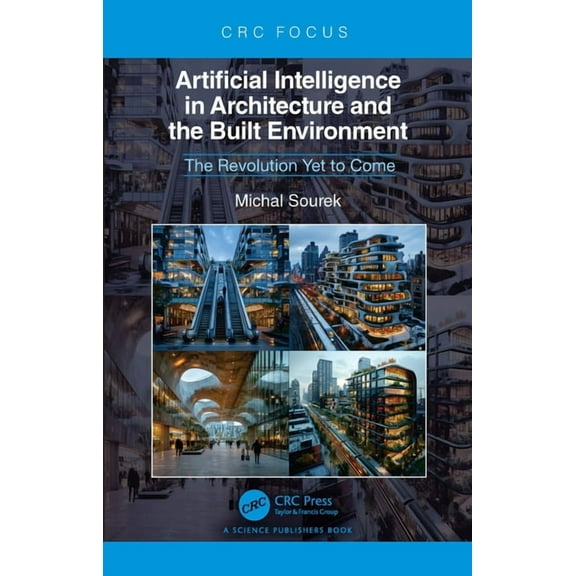 $8051current price $80.51
Artificial Intelligence in Architecture and the Built Environment: The Revolution Yet to Come, (Hardcover)
The Fisk House, San Francisco: The Beginning and the Families, (Hardcover) $44.35
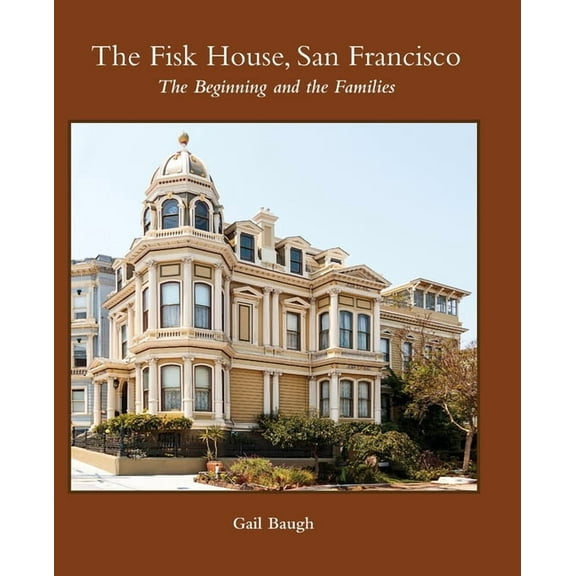 $4435current price $44.35
The Fisk House, San Francisco: The Beginning and the Families, (Hardcover)
Call It Home: The Details That Matter (Spiral Bound) $53.98
 2 optionsAvailable in additional 2 options$5398current price $53.98
Call It Home: The Details That Matter (Spiral Bound)
264.3 out of 5 Stars. 26 reviewsStanden: Philip Webb, Morris & Co. and the Creation of an Arts and Crafts Home, (Hardcover) $50.00
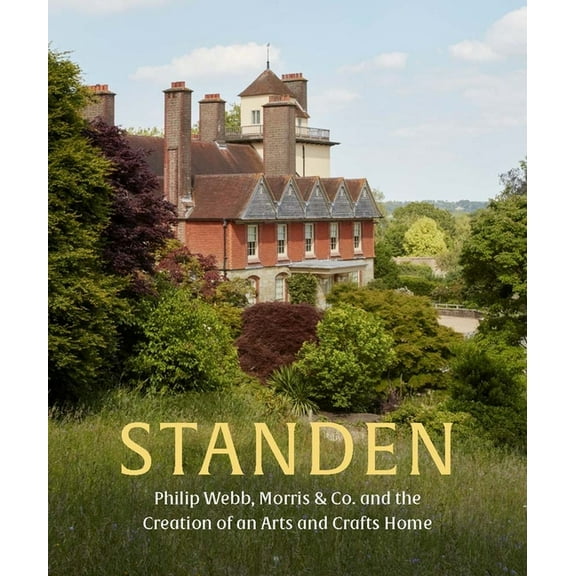 $5000current price $50.00
Standen: Philip Webb, Morris & Co. and the Creation of an Arts and Crafts Home, (Hardcover)
Architecture Connecting: Living Structures, (Hardcover) $44.40
 $4440current price $44.40
Architecture Connecting: Living Structures, (Hardcover)
Sustainability in Architecture and Urban Design, (Paperback) $87.14
 $8714current price $87.14
Sustainability in Architecture and Urban Design, (Paperback)
Nouveau TraitÃ(c) De Toute L'architecture, Ou L'art De Bastir..., (Hardcover) $34.95
 $3495current price $34.95
Nouveau TraitÃ(c) De Toute L'architecture, Ou L'art De Bastir..., (Hardcover)
Théorie de l'Architecture. Textes Novateurs Sur l'Architecture de la Renaissance à Nos Jours, (Hardcover) $69.62
 $6962current price $69.62
Théorie de l'Architecture. Textes Novateurs Sur l'Architecture de la Renaissance à Nos Jours, (Hardcover)
Architectural Theory: Pioneering Texts on Architecture from the Renaissance to Today, (Hardcover) $35.31
 $3531current price $35.31
Architectural Theory: Pioneering Texts on Architecture from the Renaissance to Today, (Hardcover)
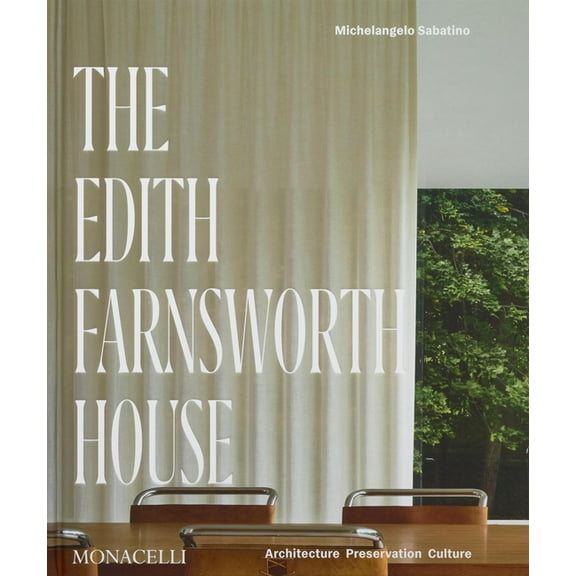
The Edith Farnsworth House: Architecture, Preservation, Culture, (Hardcover) $67.06 Was $75.00
 $6706current price $67.06, Was $75.00$75.00
The Edith Farnsworth House: Architecture, Preservation, Culture, (Hardcover)
Customer ratings & reviews
0 ratings|0 reviews
This item does not have any reviews yet

Related pages
- Arm Architecture
- Root Architecture
- System Architecture
- Cell Architecture
- App Architecture
- Architected
- Superconductors & Superconductivity Books
- General Mechanics Science Books
- Codes & Standards Books
- Technology & Engineering History Books
- General Environmental Technology & Engineering Books
- Aerodynamic Mechanics Science Books