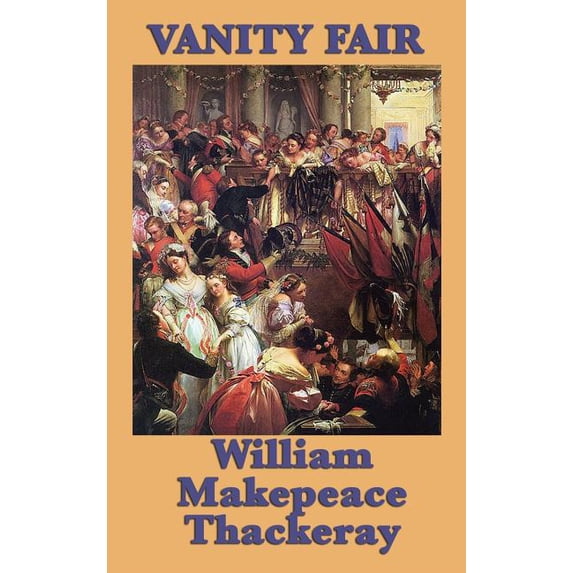
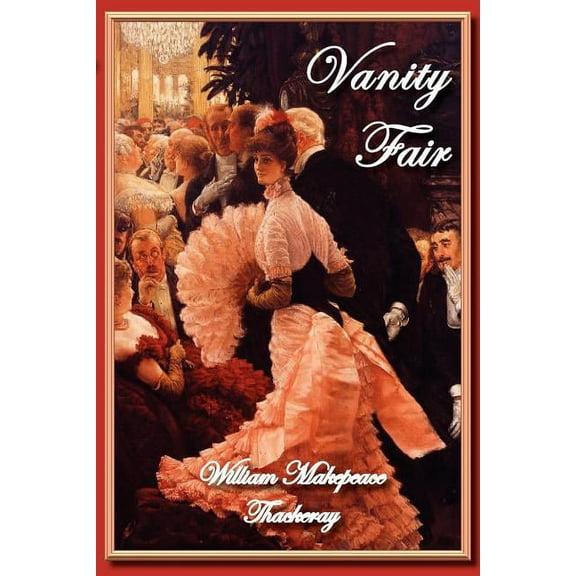
Vanity Fair is William Makepeace Thackeray's panoramic novel of ambition, social maneuvering, and moral compromise in early nineteenth-century England.
Subtitled A Novel Without a Hero, the book follows the contrasting fortunes of Becky Sharp and Amelia Sedley as they navigate society during the Napoleonic era. Through courtship, financial instability, war, and shifting alliances, Thackeray constructs a broad portrait of a culture preoccupied with status and appearance. Becky's intelligence and adaptability propel her upward through wit and calculation, while Amelia's gentler disposition exposes the vulnerabilities of idealism within a competitive world.
Blending satire with psychological observation, Vanity Fair examines the intersection of wealth, reputation, and personal integrity. Thackeray's narrative voice-wry, intrusive, and sharply observant-guides readers through drawing rooms and battlefields alike, revealing how social aspiration shapes both character and destiny. Widely studied in courses on Victorian literature, the novel remains central to discussions of realism, class mobility, and the evolution of the English social novel.