
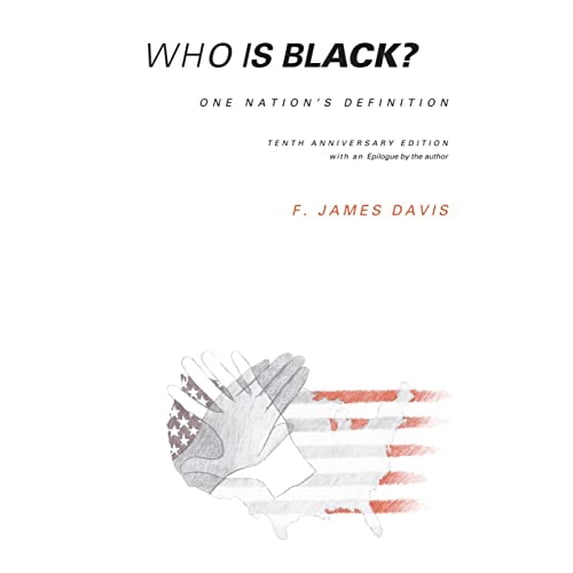
Pre-Owned Who is Black?: One Nation's Definition (Paperback) by F James Davis
Key item features
- ISBN: 9780271007496
- Condition: Pre-Owned: Good
- Trade paperback
- Language: English
- Pages: 216
- Trade paperback (US). Glued binding. 216 p.
- How does a person get defined as a black, both socially and legally, in the United States? This is the first comprehensive study of the so-called "one-drop rule" that defines as black any person having at least one black ancestor. Who is Black? provides both a history and an analysis of miscegenation in the United States, showing how a black person is defined, how this definition emerged from the slave South to become the nation's definition with the backing of state and federal courts, how the definition works in everyday life, and what the consequences of the definition are. According to the one-drop rule, anyone with at least one African black ancestor is black, even if the individual appears to be white. The rule originated during the era of slavery in the South and has come to be taken for granted, strongly supported by blacks and whites alike. No other nation defines a black person in this fashion. Davis provides a comparison of the one-drop rule with six other ways of defining the status of racially mixed persons in societies around the world, from Latin America to South Africa. No other racially (biologically) distinctive minority group in the United States is subject to a one-drop rule. The concept of "passing as white," which reflects the one-drop rule, applies only to persons with some African black ancestry. As a consequence, persons with even very small fractions of black ancestry cannot be assimilated in the United States as people with one-fourth or less American Indian or East Asian ancestry can be. Davis discusses the dilemmas of racial identity experienced by well-known public figures, including Lena Home, Adam Clayton Powell, and Walter White of the NAACP. Conflicts over color in the black community are also discussed, along with such further problems as collective anxieties, the racial identity of transracially adopted children, different modes of adjustment to ambiguities about racial identity, and personal traumas. Finally, the question of potential changes in the one-drop rule is considered in order to demonstrate how entrenched the rule now is in the black community as well as the white, and why.
Specs
- Book formatPaperback
- Fiction/nonfictionNon-Fiction
- Pages216
- Reading levelGrade 2
- Original languagesEnglish
- LanguageEnglish
- Free shipping
Free 30-day returns
How do you want your item?
About this item
Product details
- ISBN: 9780271007496
- Condition: Pre-Owned: Good
- Trade paperback
- Language: English
- Pages: 216
- Trade paperback (US). Glued binding. 216 p.
- How does a person get defined as a black, both socially and legally, in the United States? This is the first comprehensive study of the so-called "one-drop rule" that defines as black any person having at least one black ancestor. Who is Black? provides both a history and an analysis of miscegenation in the United States, showing how a black person is defined, how this definition emerged from the slave South to become the nation's definition with the backing of state and federal courts, how the definition works in everyday life, and what the consequences of the definition are. According to the one-drop rule, anyone with at least one African black ancestor is black, even if the individual appears to be white. The rule originated during the era of slavery in the South and has come to be taken for granted, strongly supported by blacks and whites alike. No other nation defines a black person in this fashion. Davis provides a comparison of the one-drop rule with six other ways of defining the status of racially mixed persons in societies around the world, from Latin America to South Africa. No other racially (biologically) distinctive minority group in the United States is subject to a one-drop rule. The concept of "passing as white," which reflects the one-drop rule, applies only to persons with some African black ancestry. As a consequence, persons with even very small fractions of black ancestry cannot be assimilated in the United States as people with one-fourth or less American Indian or East Asian ancestry can be. Davis discusses the dilemmas of racial identity experienced by well-known public figures, including Lena Home, Adam Clayton Powell, and Walter White of the NAACP. Conflicts over color in the black community are also discussed, along with such further problems as collective anxieties, the racial identity of transracially adopted children, different modes of adjustment to ambiguities about racial identity, and personal traumas. Finally, the question of potential changes in the one-drop rule is considered in order to demonstrate how entrenched the rule now is in the black community as well as the white, and why.
What is Pre-Owned: Good?
What is the Walmart Pre-Owned Program?
Walmart Pre-Owned allows you to find previously owned, well-cared-for items from Walmart’s trusted & performance-managed sellers. Shopping Pre-Owned allows you to bring home the best-quality picks at even lower prices, in addition to extending the life of an item & reducing waste. Find your favorites & shop a range of conditions in every category.
Why Walmart Pre-Owned?
Trusted sellers & quality items
Each Pre-Owned item listed comes from Walmart’s trusted performance-managed sellers, to ensure you get quality items.

Quality you can afford
Save even more on top brands & your most-loved items.

30-day free returns
Don’t love it? Most items offer a 30-day* free return policy, for added peace of mind.
Sustainability
Shopping Pre-Owned helps in extending the life of an item & reducing waste.
Product image for illustration purposes only. The item you receive may vary from the image in minor ways, such as slight differences in appearance, color, and/or design. *Exceptions apply during holiday season, and on certain electronics, collectibles, and jewelry.
Specifications
Book format
Fiction/nonfiction
Genre
Pages
Warranty
Warranty information
Warnings
State Chemical Disclosure
Customer ratings & reviews
Related pages
- Black History For Kids
- Ghetto Schools
- Black History Month History
- Black People Were Green
- Famous Black People
- World Black People
- Homelessness & Poverty Social Themes Teen & Young Adult Books
- Social Activists Biographies & Memoirs
- Social Activists Kids' Books
- Social Activists Biography & Autobiography Teen & Young Adult Books
- Bullying Social Themes Teen & Young Adult Books
- Homelessness & Poverty Kids' Books
