

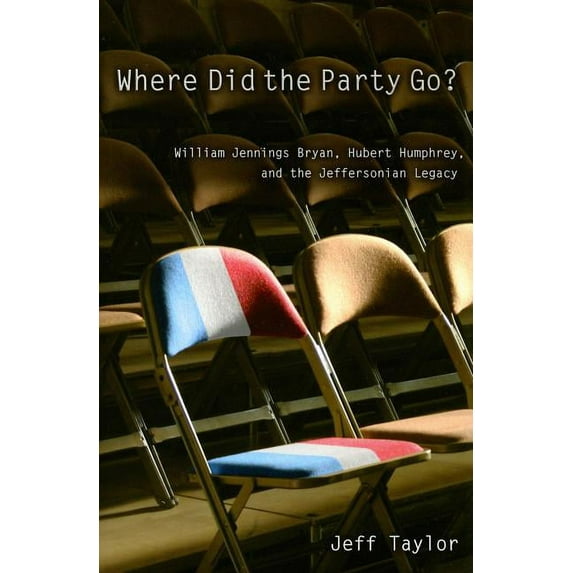
Hero image 0 of Where Did the Party Go? : William Jennings Bryan, Hubert Humphrey, and the Jeffersonian Legacy (Paperback), 0 of 1
Where Did the Party Go? : William Jennings Bryan, Hubert Humphrey, and the Jeffersonian Legacy (Paperback)
(No ratings yet)
Key item features
It doesn’t take a pundit to recognize that the Democratic Party has changed. With frustrating losses in the national elections of 2000 and 2004 and the erosion of its traditional base, the party of Jefferson and Jackson has become something neither would recognize.
In this intriguing book, Jeff Taylor looks beyond the shortcomings of individual candidates to focus on the party’s real problem: its philosophical underpinnings have changed in ways that turn off many Americans. Rank-and-file party members may still hold to traditional views, but Taylor argues that those who finance, manage, and represent the party at the national level have become nothing less than Hamiltonian elitists—a stance that flies in the face of the party’s bedrock Jeffersonian principles.
Where Did the Party Go? is a prodigious work of scholarship that converts extensive research into an accessible book. Taylor offers up a unique twelve-point model of Jefferson’s thought—as relevant to our time as to his—and uses it to appraise competing views of liberalism in the party during two key eras. Bypassing the well-worn assessments of high-profile Democratic presidents, he shows instead how liberalism from 1885 to 1925 was distinctly Jeffersonian as exemplified by the populism of William Jennings Bryan, while from 1938 to 1978 it became largely elitist under national leaders such as Hubert Humphrey who embraced a centralized state and economy, as well as imperial intervention abroad.
In the first book to look closely at the ideologies of these two midwestern liberals, Taylor chronicles Bryan’s battles with the conservative wing of the party—putting today’s conflicts in sharp historical perspective—and then tells how Humphrey followed those who rejected Jeffersonian principles. By demonstrating how Jefferson’s legacy has gradually weakened, Taylor clearly shows why the party has lost its place in Middle America and how its transformation has led to widespread confusion. His provocative look at the post-Humphrey era considers why so many of today’s voters on both the Left and the Right agree on issues such as economic policy, foreign relations, and political reform—united against elitists of the Center while rarely recognizing their common kinship in Jeffersonian ideals.
If party leaders have wondered where their traditional supporters have gone, they might well consider that those very voters have asked what became of the party they once knew. Taylor’s book forces many to question where the party of Jefferson has gone . . . and whether it can ever come back.
Specs
- Book formatPaperback
- Fiction/nonfictionNon-Fiction
- Publication dateJune, 2006
- Pages392
- Age range18 - 100 Years
- Edition1
Current price is USD$38.40
Price when purchased online
Out of stock
How do you want your item?
Out of stock
About this item
Product details
It doesn't take a pundit to recognize that the Democratic Party has changed. With frustrating losses in the national elections of 2000 and 2004 and the erosion of its traditional base, the party of Jefferson and Jackson has become something neither would recognize. In this intriguing book, Jeff Taylor looks beyond the shortcomings of individual candidates to focus on the party's real problem: its philosophical underpinnings have changed in ways that turn off many Americans. Rank-and-file party members may still hold to traditional views, but Taylor argues that those who finance, manage, and represent the party at the national level have become nothing less than Hamiltonian elitists--a stance that flies in the face of the party's bedrock Jeffersonian principles. Where Did the Party Go? is a prodigious work of scholarship that converts extensive research into an accessible book. Taylor offers up a unique twelve-point model of Jefferson's thought--as relevant to our time as to his--and uses it to appraise competing views of liberalism in the party during two key eras. Bypassing the well-worn assessments of high-profile Democratic presidents, he shows instead how liberalism from 1885 to 1925 was distinctly Jeffersonian as exemplified by the populism of William Jennings Bryan, while from 1938 to 1978 it became largely elitist under national leaders such as Hubert Humphrey who embraced a centralized state and economy, as well as imperial intervention abroad. In the first book to look closely at the ideologies of these two midwestern liberals, Taylor chronicles Bryan's battles with the conservative wing of the party--putting today's conflicts in sharp historical perspective--and then tells how Humphrey followed those who rejected Jeffersonian principles. By demonstrating how Jefferson's legacy has gradually weakened, Taylor clearly shows why the party has lost its place in Middle America and how its transformation has led to widespread confusion. His provocative look at the post-Humphrey era considers why so many of today's voters on both the Left and the Right agree on issues such as economic policy, foreign relations, and political reform--united against elitists of the Center while rarely recognizing their common kinship in Jeffersonian ideals. If party leaders have wondered where their traditional supporters have gone, they might well consider that those very voters have asked what became of the party they once knew. Taylor's book forces many to question where the party of Jefferson has gone . . . and whether it can ever come back.
It doesn’t take a pundit to recognize that the Democratic Party has changed. With frustrating losses in the national elections of 2000 and 2004 and the erosion of its traditional base, the party of Jefferson and Jackson has become something neither would recognize.
In this intriguing book, Jeff Taylor looks beyond the shortcomings of individual candidates to focus on the party’s real problem: its philosophical underpinnings have changed in ways that turn off many Americans. Rank-and-file party members may still hold to traditional views, but Taylor argues that those who finance, manage, and represent the party at the national level have become nothing less than Hamiltonian elitists—a stance that flies in the face of the party’s bedrock Jeffersonian principles.
Where Did the Party Go? is a prodigious work of scholarship that converts extensive research into an accessible book. Taylor offers up a unique twelve-point model of Jefferson’s thought—as relevant to our time as to his—and uses it to appraise competing views of liberalism in the party during two key eras. Bypassing the well-worn assessments of high-profile Democratic presidents, he shows instead how liberalism from 1885 to 1925 was distinctly Jeffersonian as exemplified by the populism of William Jennings Bryan, while from 1938 to 1978 it became largely elitist under national leaders such as Hubert Humphrey who embraced a centralized state and economy, as well as imperial intervention abroad.
In the first book to look closely at the ideologies of these two midwestern liberals, Taylor chronicles Bryan’s battles with the conservative wing of the party—putting today’s conflicts in sharp historical perspective—and then tells how Humphrey followed those who rejected Jeffersonian principles. By demonstrating how Jefferson’s legacy has gradually weakened, Taylor clearly shows why the party has lost its place in Middle America and how its transformation has led to widespread confusion. His provocative look at the post-Humphrey era considers why so many of today’s voters on both the Left and the Right agree on issues such as economic policy, foreign relations, and political reform—united against elitists of the Center while rarely recognizing their common kinship in Jeffersonian ideals.
If party leaders have wondered where their traditional supporters have gone, they might well consider that those very voters have asked what became of the party they once knew. Taylor’s book forces many to question where the party of Jefferson has gone . . . and whether it can ever come back.
info:
We aim to show you accurate product information. Manufacturers, suppliers and others provide what you see here, and we have not verified it.
Specifications
Book format
Paperback
Fiction/nonfiction
Non-Fiction
Genre
Political Science/History & Theory - General
Publication date
June, 2006
Warranty
Warranty information
Please be aware that the warranty terms on items offered for sale by third party Marketplace sellers may differ from those displayed in this section (if any). To confirm warranty terms on an item offered for sale by a third party Marketplace seller, please use the 'Contact seller' feature on the third party Marketplace seller's information page and request the item's warranty terms prior to purchase.
Similar items you might like
Based on what customers bought
Harding: The Jazz Age President, (Paperback) $17.71 Was $19.99
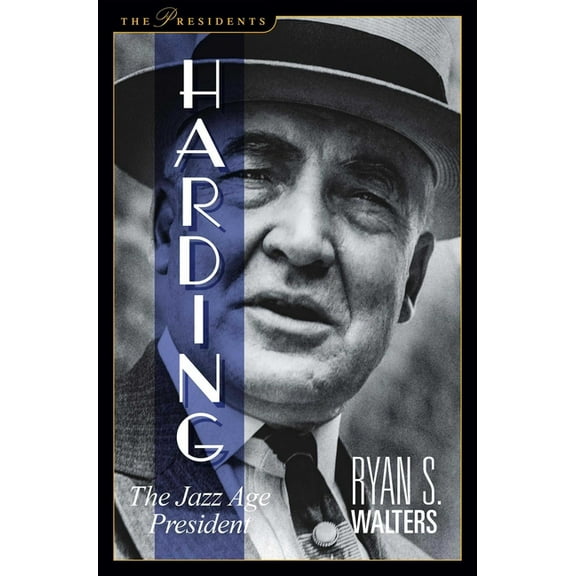 $1771current price $17.71, Was $19.99$19.99
Harding: The Jazz Age President, (Paperback)
The Jervis Effect: The Scholarship and Legacy of Robert Jervis, (Paperback) $40.00
 $4000current price $40.00
The Jervis Effect: The Scholarship and Legacy of Robert Jervis, (Paperback)
Princeton Legacy Library William Penn: Politics and Conscience, Book 2426, (Paperback) $39.00
 $3900current price $39.00
Princeton Legacy Library William Penn: Politics and Conscience, Book 2426, (Paperback)
The New Knowledge Library (Paperback) $39.81
 $3981current price $39.81
The New Knowledge Library (Paperback)
Robert Buchanan Paperback $37.84
 $3784current price $37.84
Robert Buchanan Paperback
Lancaster Pamphlets William Pitt the Younger, (Paperback) $32.67
 $3267current price $32.67
Lancaster Pamphlets William Pitt the Younger, (Paperback)
Thomistic Evolution (Hardcover) $38.80
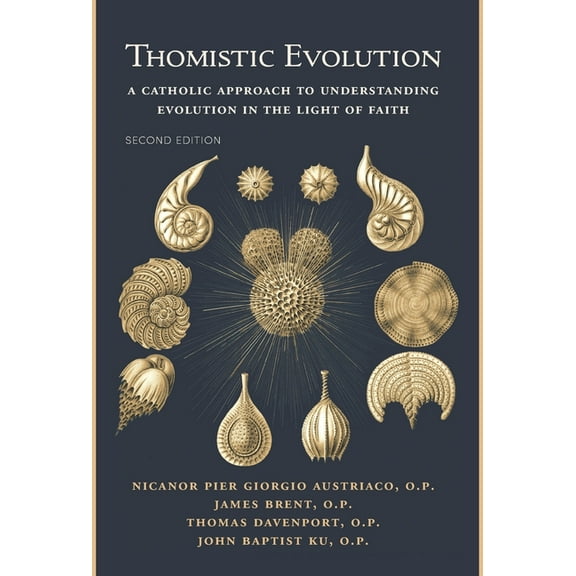 $3880current price $38.80
Thomistic Evolution (Hardcover)
William James on Consciousness Beyond the Margin, (Paperback) $39.00
 $3900current price $39.00
William James on Consciousness Beyond the Margin, (Paperback)
The Eric Voegelin Reader: Politics, History, Consciousness, (Paperback) $37.15
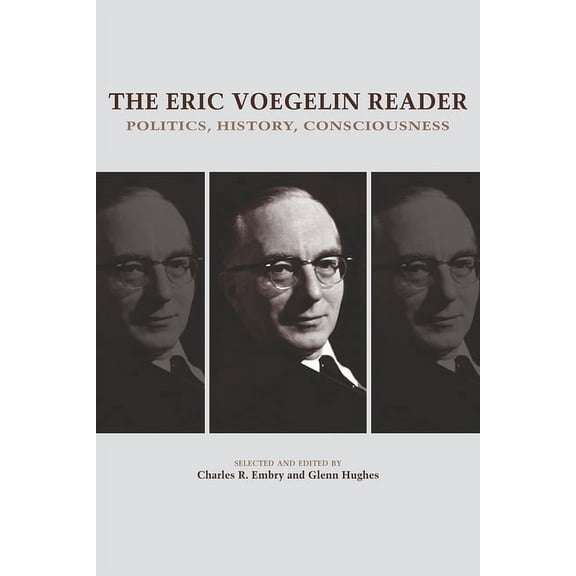 $3715current price $37.15
The Eric Voegelin Reader: Politics, History, Consciousness, (Paperback)
Legacy To Power: Senator Russell Long of Louisiana, (Paperback) $24.34 Was $28.95
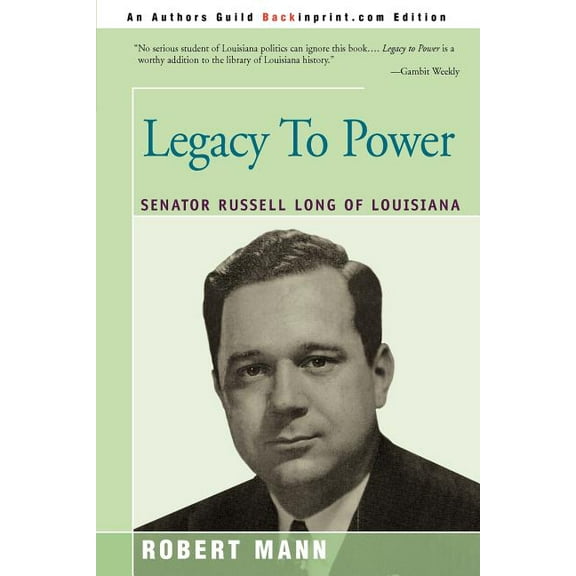 $2434current price $24.34, Was $28.95$28.95
Legacy To Power: Senator Russell Long of Louisiana, (Paperback)
Der Forstschutz (Hardcover) $40.95
 $4095current price $40.95
Der Forstschutz (Hardcover)
George William Curtis (Paperback) $24.95
 $2495current price $24.95
George William Curtis (Paperback)
Heritage: The Government of London (Paperback) $43.28
 $4328current price $43.28
Heritage: The Government of London (Paperback)
Routledge Revivals The School in the Bush, (Paperback) $47.99
 $4799current price $47.99
Routledge Revivals The School in the Bush, (Paperback)
A Remarkable Story to Tell: Tcu 1973-2023, (Hardcover) $40.85
 $4085current price $40.85
A Remarkable Story to Tell: Tcu 1973-2023, (Hardcover)
The Founding of Harvard College: With a New Foreword by Hugh Hawkins, (Paperback) $38.00
 $3800current price $38.00
The Founding of Harvard College: With a New Foreword by Hugh Hawkins, (Paperback)
Routledge Historical Biographies Wolsey, (Paperback) $57.99
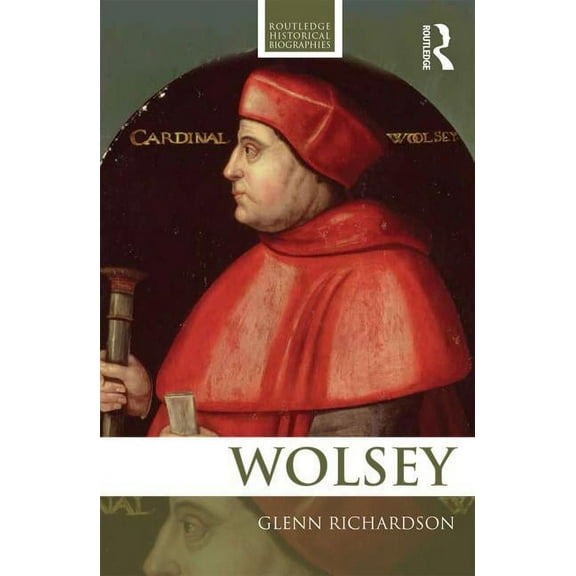 $5799current price $57.99
Routledge Historical Biographies Wolsey, (Paperback)
The Cambridge Handbook of Western Mysticism and Esotericism, (Paperback) $35.85
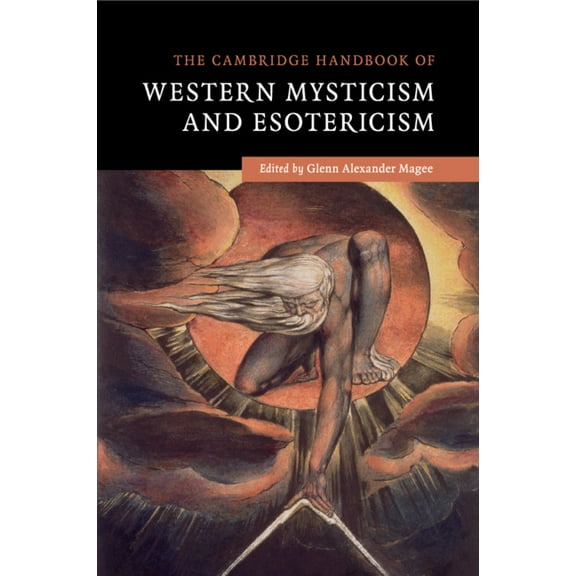 $3585current price $35.85
The Cambridge Handbook of Western Mysticism and Esotericism, (Paperback)
Barnes's School History of the United States, (Hardcover) $39.95
 $3995current price $39.95
Barnes's School History of the United States, (Hardcover)

Customer ratings & reviews
0 ratings|0 reviews
This item does not have any reviews yet
