


Our Sacred Maíz Is Our Mother : Indigeneity and Belonging in the Americas (Paperback)
(No ratings yet)
Key item features
“If you want to know who you are and where you come from, follow the maíz.” That was the advice given to author Roberto Cintli Rodriguez when he was investigating the origins and migrations of Mexican peoples in the Four Corners region of the United States.
Follow it he did, and his book Our Sacred Maíz Is Our Mother changes the way we look at Mexican Americans. Not so much peoples created as a result of war or invasion, they are people of the corn, connected through a seven-thousand-year old maíz culture to other Indigenous inhabitants of the continent. Using corn as the framework for discussing broader issues of knowledge production and history of belonging, the author looks at how corn was included in codices and Mayan texts, how it was discussed by elders, and how it is represented in theater and stories as a way of illustrating that Mexicans and Mexican Americans share a common culture.
Rodriguez brings together scholarly and traditional (elder) knowledge about the long history of maíz/corn cultivation and culture, its roots in Mesoamerica, and its living relationship to Indigenous peoples throughout the continent, including Mexicans and Central Americans now living in the United States. The author argues that, given the restrictive immigration policies and popular resentment toward migrants, a continued connection to maíz culture challenges the social exclusion and discrimination that frames migrants as outsiders and gives them a sense of belonging not encapsulated in the idea of citizenship. The “hidden transcripts” of corn in everyday culture—art, song, stories, dance, and cuisine (maíz-based foods like the tortilla)—have nurtured, even across centuries of colonialism, the living maíz culture of ancient knowledge.
Follow it he did, and his book Our Sacred Maíz Is Our Mother changes the way we look at Mexican Americans. Not so much peoples created as a result of war or invasion, they are people of the corn, connected through a seven-thousand-year old maíz culture to other Indigenous inhabitants of the continent. Using corn as the framework for discussing broader issues of knowledge production and history of belonging, the author looks at how corn was included in codices and Mayan texts, how it was discussed by elders, and how it is represented in theater and stories as a way of illustrating that Mexicans and Mexican Americans share a common culture.
Rodriguez brings together scholarly and traditional (elder) knowledge about the long history of maíz/corn cultivation and culture, its roots in Mesoamerica, and its living relationship to Indigenous peoples throughout the continent, including Mexicans and Central Americans now living in the United States. The author argues that, given the restrictive immigration policies and popular resentment toward migrants, a continued connection to maíz culture challenges the social exclusion and discrimination that frames migrants as outsiders and gives them a sense of belonging not encapsulated in the idea of citizenship. The “hidden transcripts” of corn in everyday culture—art, song, stories, dance, and cuisine (maíz-based foods like the tortilla)—have nurtured, even across centuries of colonialism, the living maíz culture of ancient knowledge.
Specs
- Book formatPaperback
- Fiction/nonfictionNon-Fiction
- GenreHistory
- Publication dateNovember, 2014
- Pages288
- EditionFirst Edition
Current price is USD$40.59
Price when purchased online
- Free shipping
 Free 30-day returns
How do you want your item?
Ships to
Arrives between May 29 - Jun 4
|
Sold and shipped by newbookdeals
4.560121765601218 stars out of 5, based on 1971 seller reviews(4.6)1971 seller reviews

Free 30-day returns
About this item
Product details
Weaving archival records, ancient maps and narratives, and the wisdom of the elders, Roberto Cintli Rodriguez offers compelling evidence that maíz is the historical connector between Indigenous peoples of this continent. Rodriguez brings together the wisdom of scholars and elders to show how maíz/corn connects the peoples of the Americas.
“If you want to know who you are and where you come from, follow the maíz.” That was the advice given to author Roberto Cintli Rodriguez when he was investigating the origins and migrations of Mexican peoples in the Four Corners region of the United States.
Follow it he did, and his book Our Sacred Maíz Is Our Mother changes the way we look at Mexican Americans. Not so much peoples created as a result of war or invasion, they are people of the corn, connected through a seven-thousand-year old maíz culture to other Indigenous inhabitants of the continent. Using corn as the framework for discussing broader issues of knowledge production and history of belonging, the author looks at how corn was included in codices and Mayan texts, how it was discussed by elders, and how it is represented in theater and stories as a way of illustrating that Mexicans and Mexican Americans share a common culture.
Rodriguez brings together scholarly and traditional (elder) knowledge about the long history of maíz/corn cultivation and culture, its roots in Mesoamerica, and its living relationship to Indigenous peoples throughout the continent, including Mexicans and Central Americans now living in the United States. The author argues that, given the restrictive immigration policies and popular resentment toward migrants, a continued connection to maíz culture challenges the social exclusion and discrimination that frames migrants as outsiders and gives them a sense of belonging not encapsulated in the idea of citizenship. The “hidden transcripts” of corn in everyday culture—art, song, stories, dance, and cuisine (maíz-based foods like the tortilla)—have nurtured, even across centuries of colonialism, the living maíz culture of ancient knowledge.
Follow it he did, and his book Our Sacred Maíz Is Our Mother changes the way we look at Mexican Americans. Not so much peoples created as a result of war or invasion, they are people of the corn, connected through a seven-thousand-year old maíz culture to other Indigenous inhabitants of the continent. Using corn as the framework for discussing broader issues of knowledge production and history of belonging, the author looks at how corn was included in codices and Mayan texts, how it was discussed by elders, and how it is represented in theater and stories as a way of illustrating that Mexicans and Mexican Americans share a common culture.
Rodriguez brings together scholarly and traditional (elder) knowledge about the long history of maíz/corn cultivation and culture, its roots in Mesoamerica, and its living relationship to Indigenous peoples throughout the continent, including Mexicans and Central Americans now living in the United States. The author argues that, given the restrictive immigration policies and popular resentment toward migrants, a continued connection to maíz culture challenges the social exclusion and discrimination that frames migrants as outsiders and gives them a sense of belonging not encapsulated in the idea of citizenship. The “hidden transcripts” of corn in everyday culture—art, song, stories, dance, and cuisine (maíz-based foods like the tortilla)—have nurtured, even across centuries of colonialism, the living maíz culture of ancient knowledge.
info:
We aim to show you accurate product information. Manufacturers, suppliers and others provide what you see here, and we have not verified it.
Specifications
Book format
Paperback
Fiction/nonfiction
Non-Fiction
Genre
History
Publication date
November, 2014
Warranty
Warranty information
Please be aware that the warranty terms on items offered for sale by third party Marketplace sellers may differ from those displayed in this section (if any). To confirm warranty terms on an item offered for sale by a third party Marketplace seller, please use the 'Contact seller' feature on the third party Marketplace seller's information page and request the item's warranty terms prior to purchase.
Similar items you might like
Based on what customers bought
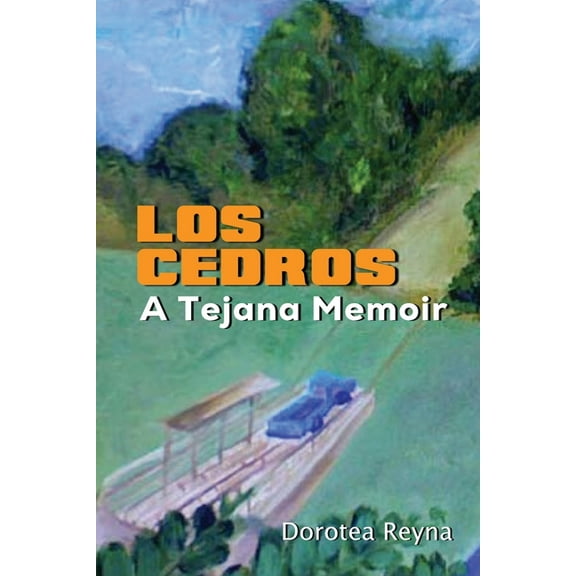
Los Cedros: A Tejana Memoir, (Paperback) $18.23
 $1823current price $18.23
Los Cedros: A Tejana Memoir, (Paperback)
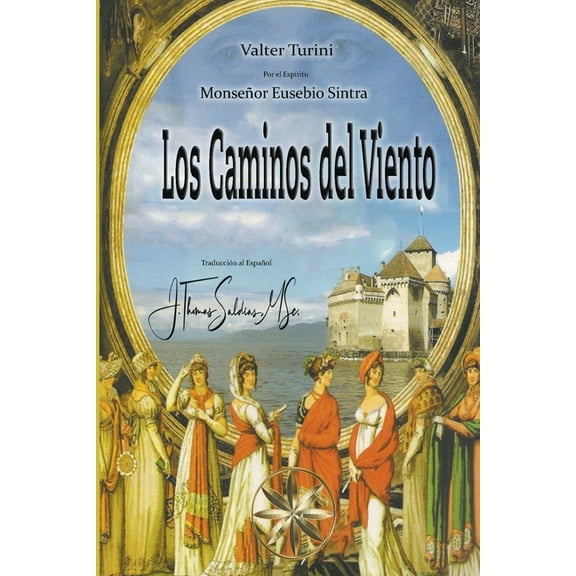
Los Caminos del Viento, (Paperback) $35.60
 $3560current price $35.60
Los Caminos del Viento, (Paperback)
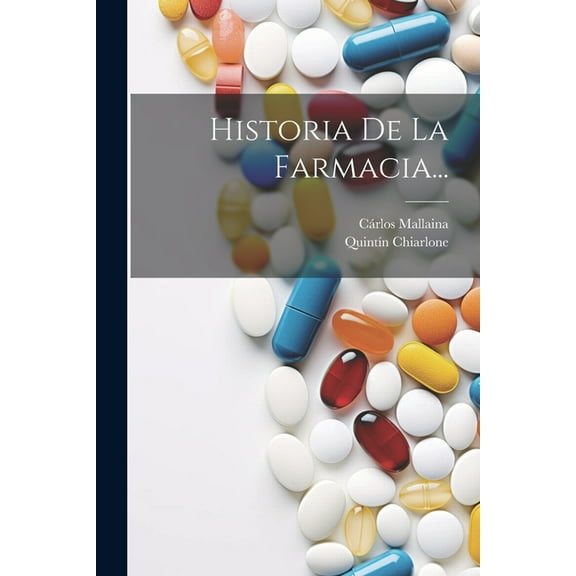
Historia De La Farmacia... (Paperback) $39.56
 $3956current price $39.56
Historia De La Farmacia... (Paperback)
La Lanterna - Desiderata Sapienza, (Paperback) $21.91
 $2191current price $21.91
La Lanterna - Desiderata Sapienza, (Paperback)
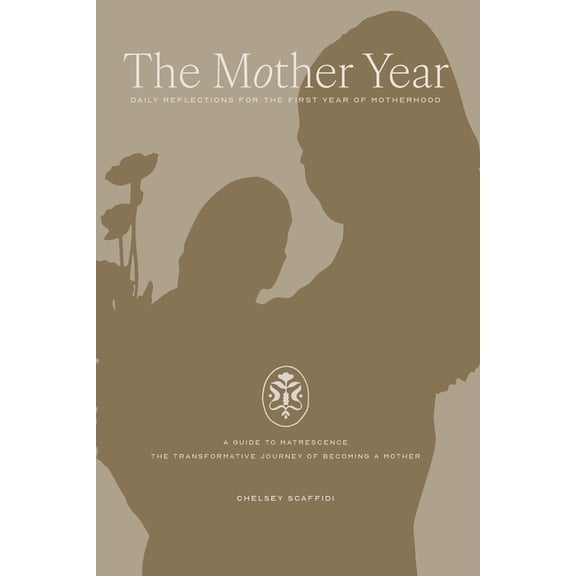
The Mother Year: A guide to matrescence, the transformative journey of becoming a mother, (Paperback) $22.95
 $2295current price $22.95
The Mother Year: A guide to matrescence, the transformative journey of becoming a mother, (Paperback)
Ideas and Ideologies in Twentieth-Century Latin America, (Paperback) $34.57
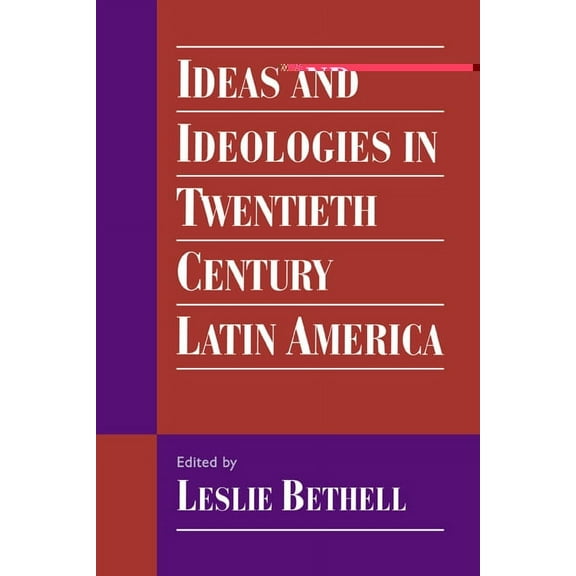 $3457current price $34.57
Ideas and Ideologies in Twentieth-Century Latin America, (Paperback)
Sanar tras el abuso narcisista/ How to Heal After Narcissistic Abuse : Una gu?a pr?ctica para recuperar la autoestima, superar el trauma y vivir con plenitud despu?s de una relaci?n t?xica/ A Practica $17.95
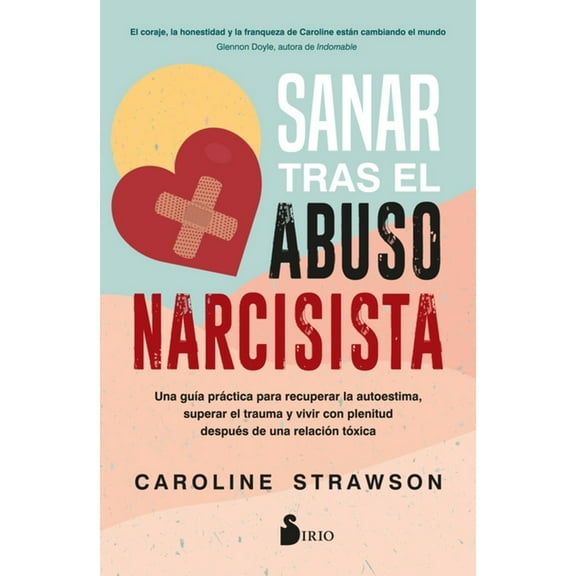 $1795current price $17.95
Sanar tras el abuso narcisista/ How to Heal After Narcissistic Abuse : Una gu?a pr?ctica para recuperar la autoestima, superar el trauma y vivir con plenitud despu?s de una relaci?n t?xica/ A Practica
Frida in America: The Creative Awakening of a Great Artist, (Paperback) $20.86
 $2086current price $20.86
Frida in America: The Creative Awakening of a Great Artist, (Paperback)
Desarrollo Personal Los Caminos del Alma, (Paperback) $19.99
 $1999current price $19.99
Desarrollo Personal Los Caminos del Alma, (Paperback)
Metodología de la Investigación Científica (Paperback) $49.00
 $4900current price $49.00
Metodología de la Investigación Científica (Paperback)
Jamás Me Voy a Olvidar / I Will Never Forget, (Paperback) $24.95
 $2495current price $24.95
Jamás Me Voy a Olvidar / I Will Never Forget, (Paperback)
Family Kaleidoscope (Paperback) $40.00
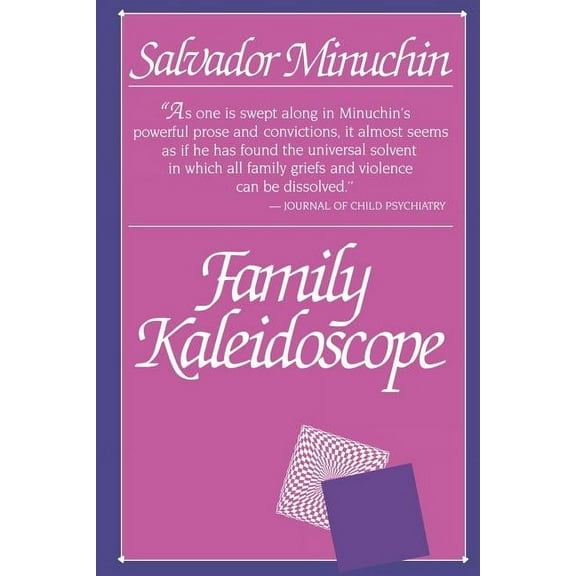 $4000current price $40.00
Family Kaleidoscope (Paperback)
The War of Quito, (Paperback) $18.92
 $1892current price $18.92
The War of Quito, (Paperback)
With a Pessimist in Spain, (Paperback) $24.95
 $2495current price $24.95
With a Pessimist in Spain, (Paperback)
One Nation Under God, (Paperback) $44.94
 $4494current price $44.94
One Nation Under God, (Paperback)
Propósito de Madre, (Paperback) $12.97
 $1297current price $12.97
Propósito de Madre, (Paperback)
El Cooperativismo (Paperback) $18.62
 $1862current price $18.62
El Cooperativismo (Paperback)
La Sagrada Mujer (the Sacred Woman) (Paperback) $20.76
 $2076current price $20.76
La Sagrada Mujer (the Sacred Woman) (Paperback)
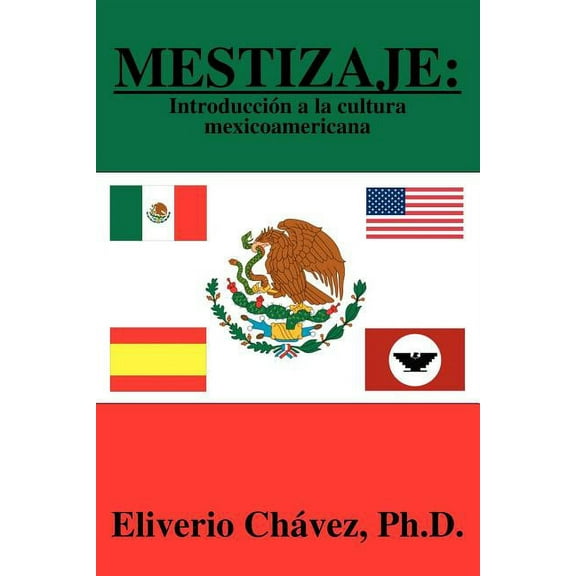
Mestizaje: Introduccin a la Cultura Mexicoamericana (Paperback) $23.06
 $2306current price $23.06
Mestizaje: Introduccin a la Cultura Mexicoamericana (Paperback)
Aprendiendo a Leer, (Paperback) $40.45 Was $46.87
 $4045current price $40.45, Was $46.87$46.87
Aprendiendo a Leer, (Paperback)
Customer ratings & reviews
0 ratings|0 reviews
This item does not have any reviews yet
