


An American Dilemma Revisited : Race Relations in a Changing World (Paperback)
(No ratings yet)
Key item features
"This book must be regarded as a greatly important contribution to race relations literature. It is invaluable for the manner in which authors combine the lessons of history with insightful analyses of empirical data to demonstrate patterns of change over the past fifty years in the status of African Americans... Provocative and stimulating reading." —James E. Blackwell, University of Massachusetts, Boston "Presents a wide-ranging reanalysis of the seminal work done by Gunnar Myrdal in 1944, examining virtually every issue that Myrdal noted as relevant to the American race question. In so doing, Clayton and his contributors have brought the matter up to date and shown how the American dilemma continues into the twenty-first century." —Stanford M. Lyman, Florida Atlantic University Fifty years after the publication of An American Dilemma, Gunnar Myrdal's epochal study of racism and black disadvantage, An American Dilemma Revisited again confronts the pivotal issue of race in American society and explores how the status of African Americans has changed over the past half century. African Americans have made critical strides since Myrdal's time. Yet despite significant advances, strong economic and social barriers persist, and in many ways the plight of African Americans remains as acute now as it was then. Using Myrdal as a benchmark, each essay analyzes historical developments, examines current conditions, and investigates strategies for positive change within the core arenas of modern society—political, economic, educational, and judicial. The central question posed by this volume is whether the presence of a disproportionately African American underclass has become a permanent American phenomenon. Several contributors tie the unevenness of black economic mobility to educational limitations, social isolation, and changing workplace demands. The evolution of a more suburban, service-dominated economy that places a premium on advanced academic training has severely constrained the employment prospects of many urban African Americans with limited education. An American Dilemma Revisited argues that there is hope to be found both in black educational institutions, which account for the largest proportion of advanced educational degrees among African Americans, and in the promotion of black community enterprises. An American Dilemma Revisited asks why the election of many African American leaders has failed to translate into genuine political power or effective policy support for black issues. The rise in membership in Pentecostal and Islamic denonimations suggests that many blacks, frustrated with the political detachment of more traditional churches, continue to pursue more socially concerned activism at a local level. Three essays trace social disaffection among blacks to a legacy of police and judicial discrimination. Mistrust of the police persists, particularly in cities, and black offenders continue to experience harsher treatment at all stages of the trial process. As Myrdal's book did fifty years ago, An American Dilemma Revisited offers an insightful look at the continuing effects of racial inequality and discrimination in American society and examines different means for removing the specter of racism in the United States.
Specs
- Book formatPaperback
- Fiction/nonfictionNon-Fiction
- GenreHistory
- Publication dateMarch, 1996
- Pages357
- EditionStandard Edition
Current price is USD$37.61
Price when purchased online
- Free shipping
 Free 30-day returns
$37.61
$4.39
How do you want your item?
Ships to
Arrives between Jun 2 - Jun 9
|
Sold and shipped by newbookdeals
4.56 stars out of 5, based on 1975 seller reviews(4.6)1975 seller reviews

Free 30-day returns
About this item
Product details
"This book must be regarded as a greatly important contribution to race relations literature. It is invaluable for the manner in which authors combine the lessons of history with insightful analyses of empirical data to demonstrate patterns of change over the past fifty years in the status of African Americans... Provocative and stimulating reading." --James E. Blackwell, University of Massachusetts, Boston "Presents a wide-ranging reanalysis of the seminal work done by Gunnar Myrdal in 1944, examining virtually every issue that Myrdal noted as relevant to the American race question. In so doing, Clayton and his contributors have brought the matter up to date and shown how the American dilemma continues into the twenty-first century." --Stanford M. Lyman, Florida Atlantic University Fifty years after the publication of An American Dilemma, Gunnar Myrdal's epochal study of racism and black disadvantage, An American Dilemma Revisited again confronts the pivotal issue of race in American society and explores how the status of African Americans has changed over the past half century. African Americans have made critical strides since Myrdal's time. Yet despite significant advances, strong economic and social barriers persist, and in many ways the plight of African Americans remains as acute now as it was then. Using Myrdal as a benchmark, each essay analyzes historical developments, examines current conditions, and investigates strategies for positive change within the core arenas of modern society--political, economic, educational, and judicial. The central question posed by this volume is whether the presence of a disproportionately African American underclass has become a permanent American phenomenon. Several contributors tie the unevenness of black economic mobility to educational limitations, social isolation, and changing workplace demands. The evolution of a more suburban, service-dominated economy that places a premium on advanced academic training has severely constrained the employment prospects of many urban African Americans with limited education. An American Dilemma Revisited argues that there is hope to be found both in black educational institutions, which account for the largest proportion of advanced educational degrees among African Americans, and in the promotion of black community enterprises. An American Dilemma Revisited asks why the election of many African American leaders has failed to translate into genuine political power or effective policy support for black issues. The rise in membership in Pentecostal and Islamic denonimations suggests that many blacks, frustrated with the political detachment of more traditional churches, continue to pursue more socially concerned activism at a local level. Three essays trace social disaffection among blacks to a legacy of police and judicial discrimination. Mistrust of the police persists, particularly in cities, and black offenders continue to experience harsher treatment at all stages of the trial process. As Myrdal's book did fifty years ago, An American Dilemma Revisited offers an insightful look at the continuing effects of racial inequality and discrimination in American society and examines different means for removing the specter of racism in the United States.
"This book must be regarded as a greatly important contribution to race relations literature. It is invaluable for the manner in which authors combine the lessons of history with insightful analyses of empirical data to demonstrate patterns of change over the past fifty years in the status of African Americans... Provocative and stimulating reading." —James E. Blackwell, University of Massachusetts, Boston "Presents a wide-ranging reanalysis of the seminal work done by Gunnar Myrdal in 1944, examining virtually every issue that Myrdal noted as relevant to the American race question. In so doing, Clayton and his contributors have brought the matter up to date and shown how the American dilemma continues into the twenty-first century." —Stanford M. Lyman, Florida Atlantic University Fifty years after the publication of An American Dilemma, Gunnar Myrdal's epochal study of racism and black disadvantage, An American Dilemma Revisited again confronts the pivotal issue of race in American society and explores how the status of African Americans has changed over the past half century. African Americans have made critical strides since Myrdal's time. Yet despite significant advances, strong economic and social barriers persist, and in many ways the plight of African Americans remains as acute now as it was then. Using Myrdal as a benchmark, each essay analyzes historical developments, examines current conditions, and investigates strategies for positive change within the core arenas of modern society—political, economic, educational, and judicial. The central question posed by this volume is whether the presence of a disproportionately African American underclass has become a permanent American phenomenon. Several contributors tie the unevenness of black economic mobility to educational limitations, social isolation, and changing workplace demands. The evolution of a more suburban, service-dominated economy that places a premium on advanced academic training has severely constrained the employment prospects of many urban African Americans with limited education. An American Dilemma Revisited argues that there is hope to be found both in black educational institutions, which account for the largest proportion of advanced educational degrees among African Americans, and in the promotion of black community enterprises. An American Dilemma Revisited asks why the election of many African American leaders has failed to translate into genuine political power or effective policy support for black issues. The rise in membership in Pentecostal and Islamic denonimations suggests that many blacks, frustrated with the political detachment of more traditional churches, continue to pursue more socially concerned activism at a local level. Three essays trace social disaffection among blacks to a legacy of police and judicial discrimination. Mistrust of the police persists, particularly in cities, and black offenders continue to experience harsher treatment at all stages of the trial process. As Myrdal's book did fifty years ago, An American Dilemma Revisited offers an insightful look at the continuing effects of racial inequality and discrimination in American society and examines different means for removing the specter of racism in the United States.
info:
We aim to show you accurate product information. Manufacturers, suppliers and others provide what you see here, and we have not verified it.
Specifications
Book format
Paperback
Fiction/nonfiction
Non-Fiction
Genre
History
Publication date
March, 1996
Warranty
Warranty information
Please be aware that the warranty terms on items offered for sale by third party Marketplace sellers may differ from those displayed in this section (if any). To confirm warranty terms on an item offered for sale by a third party Marketplace seller, please use the 'Contact seller' feature on the third party Marketplace seller's information page and request the item's warranty terms prior to purchase.
Similar items you might like
Based on what customers bought
How to be Anti-Racist: How to Change Yourself and a Racist Society, (Paperback) $19.99
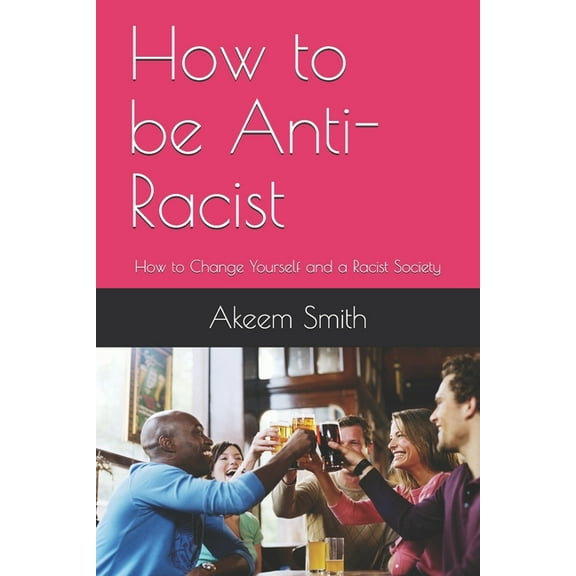 $1999current price $19.99
How to be Anti-Racist: How to Change Yourself and a Racist Society, (Paperback)
Issue Evolution: Race and the Transformation of American Politics, (Paperback) $33.68
 $3368current price $33.68
Issue Evolution: Race and the Transformation of American Politics, (Paperback)
The Racialized Brain: The Neurosociology of Race and Racism, (Paperback) $22.03
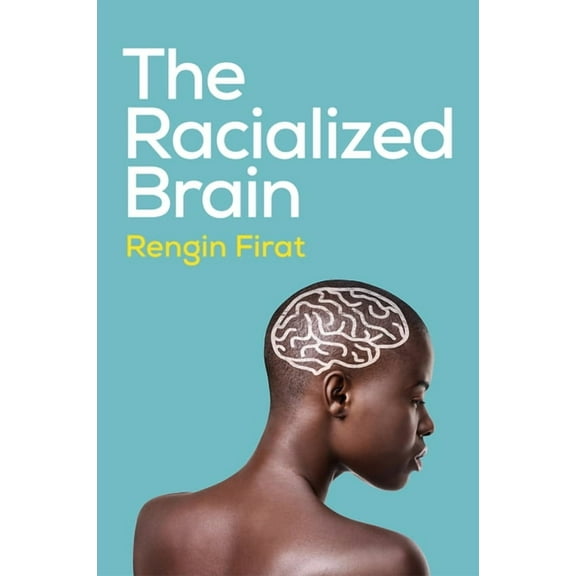 $2203current price $22.03
The Racialized Brain: The Neurosociology of Race and Racism, (Paperback)
Structural Racism: The Dynamics of Opportunity and Race in America, (Paperback) $37.49 Was $42.11
 $3749current price $37.49, Was $42.11$42.11
Structural Racism: The Dynamics of Opportunity and Race in America, (Paperback)
Affect as Cultural Critique: Methods for Ethnographic Uncovering, (Paperback) $38.95
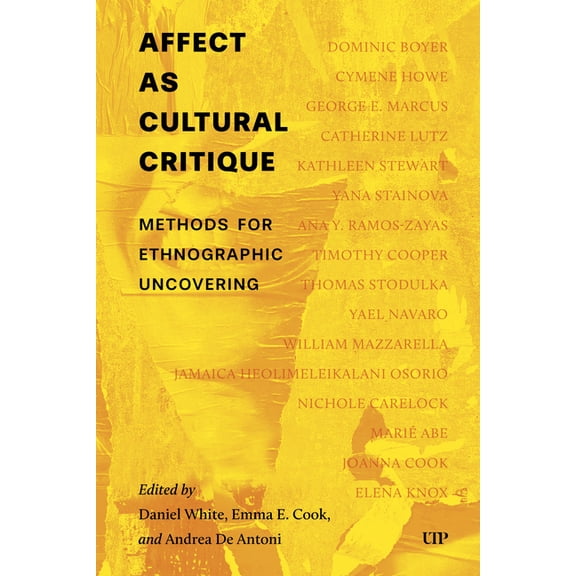 $3895current price $38.95
Affect as Cultural Critique: Methods for Ethnographic Uncovering, (Paperback)
Racism in the Irish Experience (Paperback) $38.85
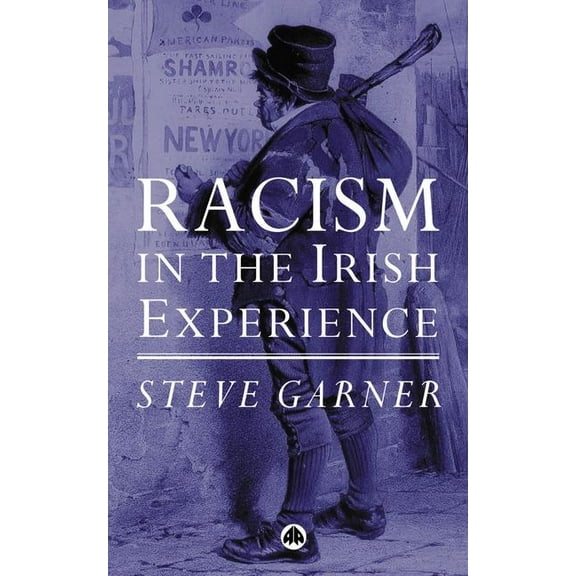 $3885current price $38.85
Racism in the Irish Experience (Paperback)
Moral Minorities and the Making of American Democracy, (Paperback) $49.54
 $4954current price $49.54
Moral Minorities and the Making of American Democracy, (Paperback)
Race & Reconciliation in America, (Paperback) $40.05
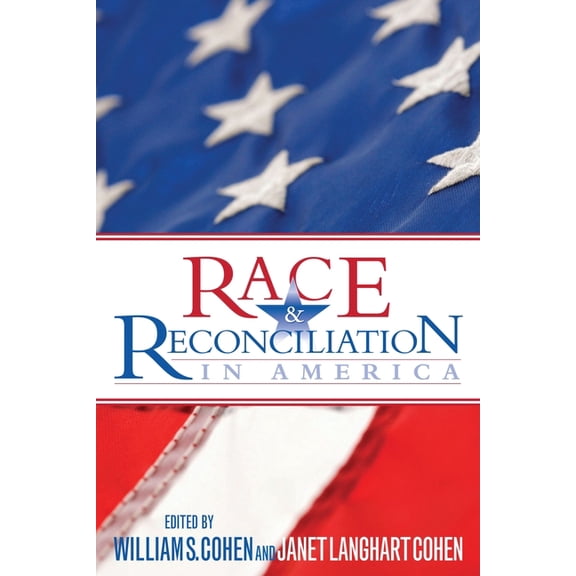 $4005current price $40.05
Race & Reconciliation in America, (Paperback)
African Americans on the Great Plains: An Anthology, (Paperback) $37.37
 $3737current price $37.37
African Americans on the Great Plains: An Anthology, (Paperback)
Diversityland: Hiding Racial Inequality in an American Suburb, (Paperback) $29.95
 $2995current price $29.95
Diversityland: Hiding Racial Inequality in an American Suburb, (Paperback)
Best seller Black AF History: The un-Whitewashed Story of America (Hardcover) $20.99 Was $32.50
Best seller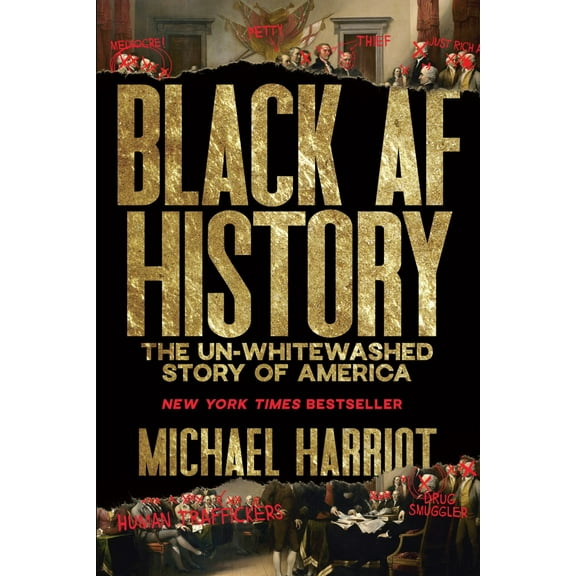 $2099current price $20.99, Was $32.50$32.50
Black AF History: The un-Whitewashed Story of America (Hardcover)
1484.7 out of 5 Stars. 148 reviewsWas That Racist?, (Paperback) $30.97
 $3097current price $30.97
Was That Racist?, (Paperback)
Suny Series, Frontiers in Education The Racial Crisis in American Higher Education, (Paperback) $43.69
 $4369current price $43.69
Suny Series, Frontiers in Education The Racial Crisis in American Higher Education, (Paperback)
Deviance: Anthropological Perspectives, (Paperback) $57.29
 $5729current price $57.29
Deviance: Anthropological Perspectives, (Paperback)
My New Race, (Paperback) $19.95
 $1995current price $19.95
My New Race, (Paperback)
Evolution, Racial and Habitual, Controlled by Segregation (Paperback) $22.95
 $2295current price $22.95
Evolution, Racial and Habitual, Controlled by Segregation (Paperback)
How We Were All Fooled: Black American Racism (Paperback) $23.30 Was $27.95
 $2330current price $23.30, Was $27.95$27.95
How We Were All Fooled: Black American Racism (Paperback)
Debating Race: Are Black Men Doomed? (Hardcover) $42.11
 2 optionsAvailable in additional 2 options$4211current price $42.11
Debating Race: Are Black Men Doomed? (Hardcover)

Customer ratings & reviews
0 ratings|0 reviews
This item does not have any reviews yet

Related pages
- Connected America
- David Harvey Neoliberalism
- Obama Acceptance Speech
- Worldwide People's Revolution!
- Government Coercion
- Obama Speech Race
- Libertarianism Political Ideology Books
- Democracy Political Ideology Books
- Radicalism Political Ideology Books
- Anarchism Political Ideology Books
- Social Policy Books
- Political Freedom Books