


Sacred Places : American Tourist Attractions in the Nineteenth Century (Paperback)
(No ratings yet)
Key item features
Tourism emerged as an important cultural activity in the United States in the 1820s as steamboats and canals allowed for greater mobility and the nation's writers and artists focused their attention on American scenery. From the 1820s until well after the Civil War, American artists, like Thomas Cole and Frederic Church, depicted American tourist attractions in their work, and often made their reputations on those paintings. Writers like Irving, Cooper, Hawthorne, and James described their visits to the same attractions or incorporated them into their fiction. The work of these artists and writers conferred value on the scenes represented and helped shape the vision of the tourists who visited them. This interest in scenery permeated the work of both serious and popular writers and artists, and they produced thousands of images and descriptions of America's tourist attractions for the numerous guidebooks, magazines, and other publications devoted to travel in the United States during the period.
Drawing on this fascinating body of material, Sacred Places examines the vital role which tourism played in fulfilling the cultural needs of nineteenth-century Americans. America was a new country in search of a national identity. Educated Americans desperately wished to meet European standards of culture and, at the same time, to develop a distinctly American literature and art. Tourism offered a means of defining America as a place and taking pride in the special features of its landscape. The country's magnificent natural wonders were a substitute for the cathedrals and monuments, the sense of history that Europe had built over the centuries. Moreover, Sears argues, tourist attractions like Mammoth Cave, Mount Auburn Cemetery, Yosemite, and Yellowstone functioned as sacred places for a nation with a diversity of religious sects and without ancient religious and national shrines. For nineteenth-century Americans, whose vision was shaped by the aesthetics of the sublime and the picturesque and by the popular nineteenth-century Romantic view of nature as temple, such places fulfilled their urgent need for cultural monuments and for places to visit which transcended ordinary reality.
But these nineteenth-century tourist attractions were also arenas of consumption. Niagara Falls was the most sublime of God's creations, a sacred place, which, like Mount Auburn Cemetery, was supposed to have a profound moral effect on the spectator. But it was also an emporium of culture where the tourist shopped for Niagara's wonders and for little replicas of the Falls in the form of souvenirs. In Sacred Places, Sears describes how this strange, sometimes amusing, juxtaposition of the mythic and the trivial, the sacred and the profane, the spiritual and the commercial remained a significant feature of American tourist attractions even after efforts were made at Yosemite, Yellowstone, and Niagara Falls to curb commercial and industrial intrusions.
Sears also explores how the nineteenth-century idealization of home stimulated the tourists' response to such places as the Willey House in the White Mountains, the rural cemeteries, and even the newly established asylums for the deaf, dumb, blind, and insane. And, in an intriguing account of Mauch Chunk, Pennsylvania, he examines the reasons why an important nineteenth-century anthracite transportation center was also a major tourist attraction.
Most of the attractions discussed in this book are still visited by millions of Americans. By illuminating their cultural meaning, Sacred Places prompts us to reflect on our own motivations and responses as tourists and reveals why tourism was and still is such an important part of American life.
Drawing on this fascinating body of material, Sacred Places examines the vital role which tourism played in fulfilling the cultural needs of nineteenth-century Americans. America was a new country in search of a national identity. Educated Americans desperately wished to meet European standards of culture and, at the same time, to develop a distinctly American literature and art. Tourism offered a means of defining America as a place and taking pride in the special features of its landscape. The country's magnificent natural wonders were a substitute for the cathedrals and monuments, the sense of history that Europe had built over the centuries. Moreover, Sears argues, tourist attractions like Mammoth Cave, Mount Auburn Cemetery, Yosemite, and Yellowstone functioned as sacred places for a nation with a diversity of religious sects and without ancient religious and national shrines. For nineteenth-century Americans, whose vision was shaped by the aesthetics of the sublime and the picturesque and by the popular nineteenth-century Romantic view of nature as temple, such places fulfilled their urgent need for cultural monuments and for places to visit which transcended ordinary reality.
But these nineteenth-century tourist attractions were also arenas of consumption. Niagara Falls was the most sublime of God's creations, a sacred place, which, like Mount Auburn Cemetery, was supposed to have a profound moral effect on the spectator. But it was also an emporium of culture where the tourist shopped for Niagara's wonders and for little replicas of the Falls in the form of souvenirs. In Sacred Places, Sears describes how this strange, sometimes amusing, juxtaposition of the mythic and the trivial, the sacred and the profane, the spiritual and the commercial remained a significant feature of American tourist attractions even after efforts were made at Yosemite, Yellowstone, and Niagara Falls to curb commercial and industrial intrusions.
Sears also explores how the nineteenth-century idealization of home stimulated the tourists' response to such places as the Willey House in the White Mountains, the rural cemeteries, and even the newly established asylums for the deaf, dumb, blind, and insane. And, in an intriguing account of Mauch Chunk, Pennsylvania, he examines the reasons why an important nineteenth-century anthracite transportation center was also a major tourist attraction.
Most of the attractions discussed in this book are still visited by millions of Americans. By illuminating their cultural meaning, Sacred Places prompts us to reflect on our own motivations and responses as tourists and reveals why tourism was and still is such an important part of American life.
Specs
- Book formatPaperback
- Fiction/nonfictionNon-Fiction
- GenreTravel & Nature, History, Business & Investing
- Pub date1999-01-08
- Pages264
- EditionReprint
More seller options (1)
Starting from $38.59
About this item
Product details
Tourism emerged as an important cultural activity in the United States in the 1820s as steamboats and canals allowed for greater mobility and the nation's writers and artists focused their attention on American scenery. From the 1820s until well after the Civil War, American artists, like Thomas Cole and Frederic Church, depicted American tourist attractions in their work, and often made their reputations on those paintings. Writers like Irving, Cooper, Hawthorne, and James described their visits to the same attractions or incorporated them into their fiction. The work of these artists and writers conferred value on the scenes represented and helped shape the vision of the tourists who visited them. This interest in scenery permeated the work of both serious and popular writers and artists, and they produced thousands of images and descriptions of America's tourist attractions for the numerous guidebooks, magazines, and other publications devoted to travel in the United States during the period. Drawing on this fascinating body of material, Sacred Places examines the vital role which tourism played in fulfilling the cultural needs of nineteenth-century Americans. America was a new country in search of a national identity. Educated Americans desperately wished to meet European standards of culture and, at the same time, to develop a distinctly American literature and art. Tourism offered a means of defining America as a place and taking pride in the special features of its landscape. The country's magnificent natural wonders were a substitute for the cathedrals and monuments, the sense of history that Europe had built over the centuries. Moreover, Sears argues, tourist attractions like Mammoth Cave, Mount Auburn Cemetery, Yosemite, and Yellowstone functioned as sacred places for a nation with a diversity of religious sects and without ancient religious and national shrines. For nineteenth-century Americans, whose vision was shaped by the aesthetics of the sublime and the picturesque and by the popular nineteenth-century Romantic view of nature as temple, such places fulfilled their urgent need for cultural monuments and for places to visit which transcended ordinary reality. But these nineteenth-century tourist attractions were also arenas of consumption. Niagara Falls was the most sublime of God's creations, a sacred place, which, like Mount Auburn Cemetery, was supposed to have a profound moral effect on the spectator. But it was also an emporium of culture where the tourist shopped for Niagara's wonders and for little replicas of the Falls in the form of souvenirs. In Sacred Places, Sears describes how this strange, sometimes amusing, juxtaposition of the mythic and the trivial, the sacred and the profane, the spiritual and the commercial remained a significant feature of American tourist attractions even after efforts were made at Yosemite, Yellowstone, and Niagara Falls to curb commercial and industrial intrusions. Sears also explores how the nineteenth-century idealization of home stimulated the tourists' response to such places as the Willey House in the White Mountains, the rural cemeteries, and even the newly established asylums for the deaf, dumb, blind, and insane. And, in an intriguing account of Mauch Chunk, Pennsylvania, he examines the reasons why an important nineteenth-century anthracite transportation center was also a major tourist attraction. Most of the attractions discussed in this book are still visited by millions of Americans. By illuminating their cultural meaning, Sacred Places prompts us to reflect on our own motivations and responses as tourists and reveals why tourism was and still is such an important part of American life.
Tourism emerged as an important cultural activity in the United States in the 1820s as steamboats and canals allowed for greater mobility and the nation's writers and artists focused their attention on American scenery. From the 1820s until well after the Civil War, American artists, like Thomas Cole and Frederic Church, depicted American tourist attractions in their work, and often made their reputations on those paintings. Writers like Irving, Cooper, Hawthorne, and James described their visits to the same attractions or incorporated them into their fiction. The work of these artists and writers conferred value on the scenes represented and helped shape the vision of the tourists who visited them. This interest in scenery permeated the work of both serious and popular writers and artists, and they produced thousands of images and descriptions of America's tourist attractions for the numerous guidebooks, magazines, and other publications devoted to travel in the United States during the period.
Drawing on this fascinating body of material, Sacred Places examines the vital role which tourism played in fulfilling the cultural needs of nineteenth-century Americans. America was a new country in search of a national identity. Educated Americans desperately wished to meet European standards of culture and, at the same time, to develop a distinctly American literature and art. Tourism offered a means of defining America as a place and taking pride in the special features of its landscape. The country's magnificent natural wonders were a substitute for the cathedrals and monuments, the sense of history that Europe had built over the centuries. Moreover, Sears argues, tourist attractions like Mammoth Cave, Mount Auburn Cemetery, Yosemite, and Yellowstone functioned as sacred places for a nation with a diversity of religious sects and without ancient religious and national shrines. For nineteenth-century Americans, whose vision was shaped by the aesthetics of the sublime and the picturesque and by the popular nineteenth-century Romantic view of nature as temple, such places fulfilled their urgent need for cultural monuments and for places to visit which transcended ordinary reality.
But these nineteenth-century tourist attractions were also arenas of consumption. Niagara Falls was the most sublime of God's creations, a sacred place, which, like Mount Auburn Cemetery, was supposed to have a profound moral effect on the spectator. But it was also an emporium of culture where the tourist shopped for Niagara's wonders and for little replicas of the Falls in the form of souvenirs. In Sacred Places, Sears describes how this strange, sometimes amusing, juxtaposition of the mythic and the trivial, the sacred and the profane, the spiritual and the commercial remained a significant feature of American tourist attractions even after efforts were made at Yosemite, Yellowstone, and Niagara Falls to curb commercial and industrial intrusions.
Sears also explores how the nineteenth-century idealization of home stimulated the tourists' response to such places as the Willey House in the White Mountains, the rural cemeteries, and even the newly established asylums for the deaf, dumb, blind, and insane. And, in an intriguing account of Mauch Chunk, Pennsylvania, he examines the reasons why an important nineteenth-century anthracite transportation center was also a major tourist attraction.
Most of the attractions discussed in this book are still visited by millions of Americans. By illuminating their cultural meaning, Sacred Places prompts us to reflect on our own motivations and responses as tourists and reveals why tourism was and still is such an important part of American life.
Drawing on this fascinating body of material, Sacred Places examines the vital role which tourism played in fulfilling the cultural needs of nineteenth-century Americans. America was a new country in search of a national identity. Educated Americans desperately wished to meet European standards of culture and, at the same time, to develop a distinctly American literature and art. Tourism offered a means of defining America as a place and taking pride in the special features of its landscape. The country's magnificent natural wonders were a substitute for the cathedrals and monuments, the sense of history that Europe had built over the centuries. Moreover, Sears argues, tourist attractions like Mammoth Cave, Mount Auburn Cemetery, Yosemite, and Yellowstone functioned as sacred places for a nation with a diversity of religious sects and without ancient religious and national shrines. For nineteenth-century Americans, whose vision was shaped by the aesthetics of the sublime and the picturesque and by the popular nineteenth-century Romantic view of nature as temple, such places fulfilled their urgent need for cultural monuments and for places to visit which transcended ordinary reality.
But these nineteenth-century tourist attractions were also arenas of consumption. Niagara Falls was the most sublime of God's creations, a sacred place, which, like Mount Auburn Cemetery, was supposed to have a profound moral effect on the spectator. But it was also an emporium of culture where the tourist shopped for Niagara's wonders and for little replicas of the Falls in the form of souvenirs. In Sacred Places, Sears describes how this strange, sometimes amusing, juxtaposition of the mythic and the trivial, the sacred and the profane, the spiritual and the commercial remained a significant feature of American tourist attractions even after efforts were made at Yosemite, Yellowstone, and Niagara Falls to curb commercial and industrial intrusions.
Sears also explores how the nineteenth-century idealization of home stimulated the tourists' response to such places as the Willey House in the White Mountains, the rural cemeteries, and even the newly established asylums for the deaf, dumb, blind, and insane. And, in an intriguing account of Mauch Chunk, Pennsylvania, he examines the reasons why an important nineteenth-century anthracite transportation center was also a major tourist attraction.
Most of the attractions discussed in this book are still visited by millions of Americans. By illuminating their cultural meaning, Sacred Places prompts us to reflect on our own motivations and responses as tourists and reveals why tourism was and still is such an important part of American life.
info:
We aim to show you accurate product information. Manufacturers, suppliers and others provide what you see here, and we have not verified it.
Specifications
Book format
Paperback
Fiction/nonfiction
Non-Fiction
Genre
Travel & Nature, History, Business & Investing
Pub date
1999-01-08
Warranty
Warranty information
Please be aware that the warranty terms on items offered for sale by third party Marketplace sellers may differ from those displayed in this section (if any). To confirm warranty terms on an item offered for sale by a third party Marketplace seller, please use the 'Contact seller' feature on the third party Marketplace seller's information page and request the item's warranty terms prior to purchase.
Similar items you might like
Based on what customers bought
Late Victorian and Early Modernist Women Keynotes and Discords, (Paperback) $37.60
 $3760current price $37.60
Late Victorian and Early Modernist Women Keynotes and Discords, (Paperback)
2026 Spirit of Place: America's Treasured Lands Wall Calendar, (Paperback) $17.99
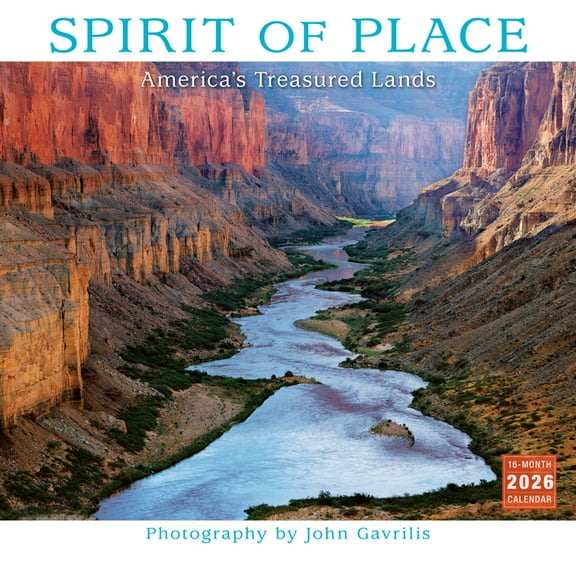 $1799current price $17.99
2026 Spirit of Place: America's Treasured Lands Wall Calendar, (Paperback)
America's Religious Architecture: Sacred Places for Every Community, (Paperback) $36.58
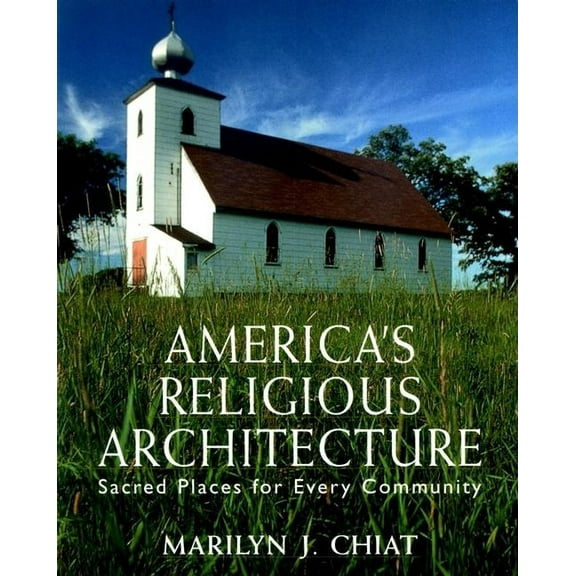 $3658current price $36.58
America's Religious Architecture: Sacred Places for Every Community, (Paperback)
Taylor Jenkins Reid 5 Books Collection set - Fiction - Paperback $35.99
 $3599current price $35.99
Taylor Jenkins Reid 5 Books Collection set - Fiction - Paperback
East of the Setting Sun : A Tale of Graustark (Paperback) $36.73
 $3673current price $36.73
East of the Setting Sun : A Tale of Graustark (Paperback)
Annunciations: Sacred Music for the Twenty-First Century, (Paperback) $58.56
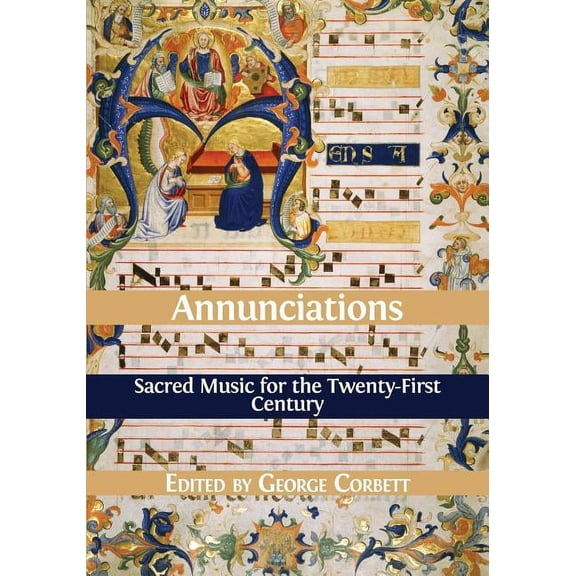 $5856current price $58.56
Annunciations: Sacred Music for the Twenty-First Century, (Paperback)
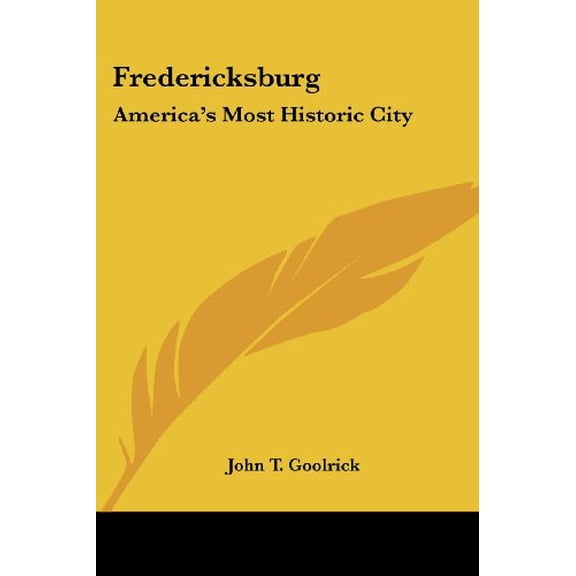
Fredericksburg: Americas Most Historic City Paperback 1428654224 9781428654228 John T. Goolrick $20.64
 $2064current price $20.64
Fredericksburg: Americas Most Historic City Paperback 1428654224 9781428654228 John T. Goolrick
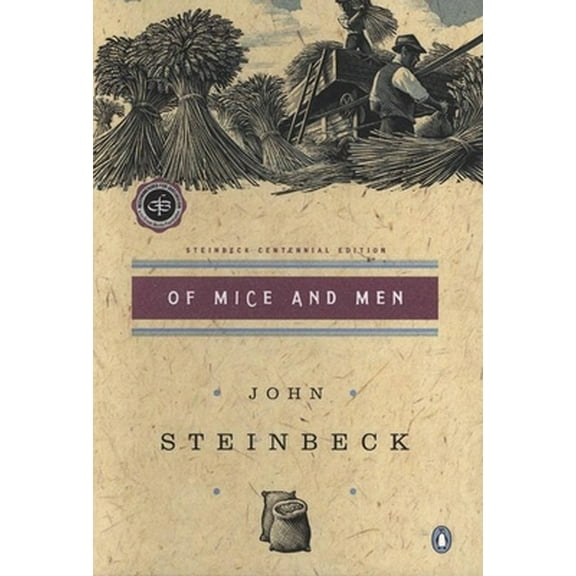
Pre-Owned Of Mice and Men (Paperback) 0142000671 9780142000670 $5.98
 $598current price $5.98
Pre-Owned Of Mice and Men (Paperback) 0142000671 9780142000670
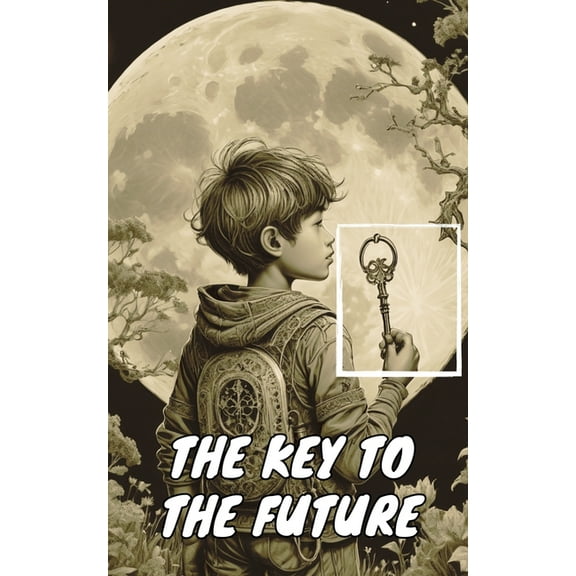
2684.1 out of 5 Stars. 268 reviewsThe Key to the Future, (Paperback) $39.11
 $3911current price $39.11
The Key to the Future, (Paperback)
Designs of Destruction: The Making of Monuments in the Twentieth Century, (Paperback) $35.00
 $3500current price $35.00
Designs of Destruction: The Making of Monuments in the Twentieth Century, (Paperback)
Oxford World's Classics Eighteenth-Century Women Dramatists, (Paperback) $15.65
 $1565current price $15.65
Oxford World's Classics Eighteenth-Century Women Dramatists, (Paperback)
Romantic and Historic Florida (Paperback) $36.95
 $3695current price $36.95
Romantic and Historic Florida (Paperback)
The Texas Hill Country (Paperback) $13.10
 $1310current price $13.10
The Texas Hill Country (Paperback)
15 out of 5 Stars. 1 reviews100 Days in New York City!, (Paperback) $13.12
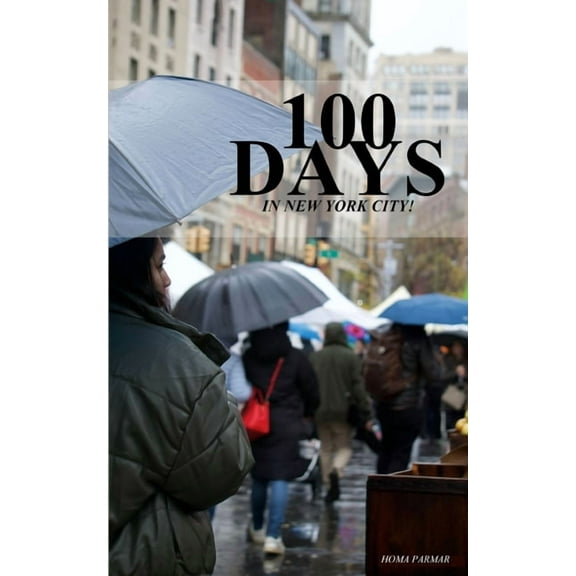 $1312current price $13.12
100 Days in New York City!, (Paperback)
All-American Girl: The Ideal of Real Womanhood in Mid-Nineteenth-Century America, (Paperback) $37.32
 $3732current price $37.32
All-American Girl: The Ideal of Real Womanhood in Mid-Nineteenth-Century America, (Paperback)
Best seller Hinds' Feet on High Places, (Paperback) $6.99 Was $7.99
Best seller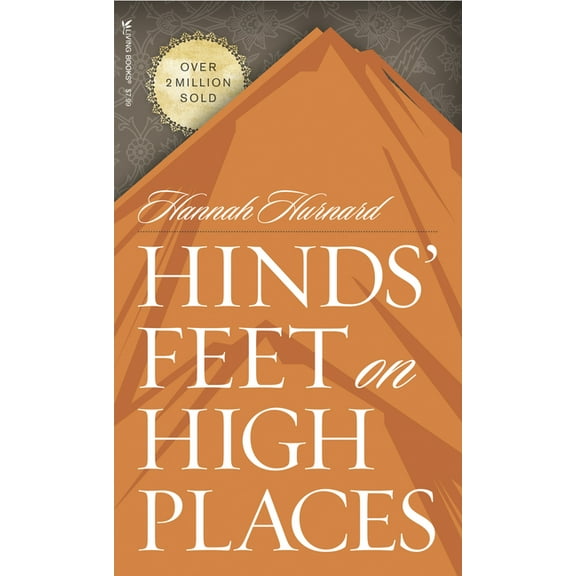 $699current price $6.99, Was $7.99$7.99
Hinds' Feet on High Places, (Paperback)
914.8 out of 5 Stars. 91 reviewsStatues Of New York City, (Paperback) $23.93
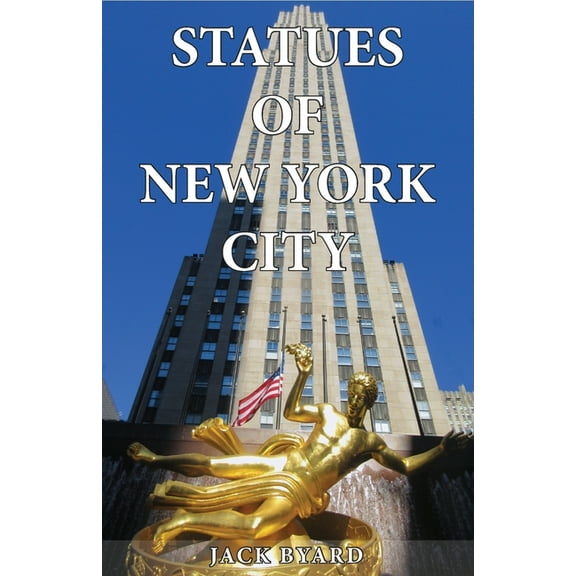 $2393current price $23.93
Statues Of New York City, (Paperback)
Some Dance to Remember: A Memoir-Novel of San Francisco 1970-1982, (Paperback) $19.69
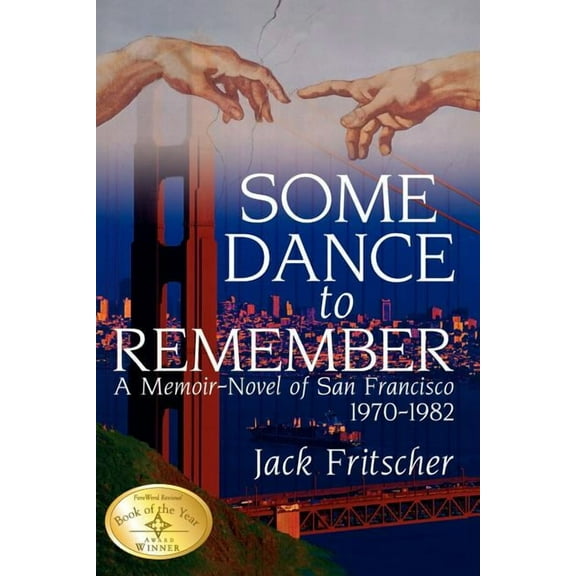 $1969current price $19.69
Some Dance to Remember: A Memoir-Novel of San Francisco 1970-1982, (Paperback)
Appleton's Hand-Book of American travel: Western Tour, (Paperback) $36.33
 $3633current price $36.33
Appleton's Hand-Book of American travel: Western Tour, (Paperback)
Exit from America, (Paperback) $17.35 Was $19.99
 $1735current price $17.35, Was $19.99$19.99
Exit from America, (Paperback)
Customer ratings & reviews
0 ratings|0 reviews
This item does not have any reviews yet
