"There are many books on mythology, but we do not know any quite like the present. It gives in a convenient compass all that the ordinary student need know, and the stories are carefully classified. Mr. Guerber has produced a book which is a delight to mind and eye alike."
- The Aberdeen Free Press
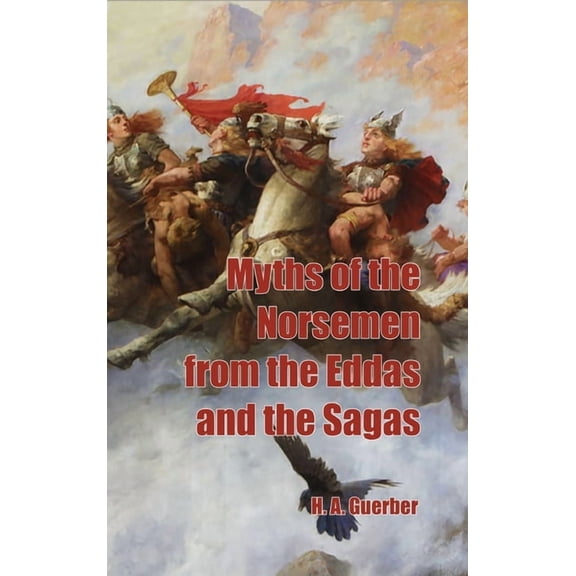
Richly illustrated and remarkably comprehensive, Myths of the Norsemen opens the gates of the ancient Northern world-where Odin rules Valhalla, Thor wields his thunder, Loki weaves cunning schemes, and Ragnarök foretells the twilight of the gods. Drawing directly from the Eddas and heroic sagas, H. A. Guerber gathers the essential legends that shaped Scandinavian culture and inspired centuries of literature and art.
Beyond storytelling, this volume reveals the spiritual depth, tragic grandeur, and fierce beauty that distinguish Norse mythology from all others. From the saga of Sigurd to the fall of the gods, each page carries the echo of a heroic age whose symbols still live in modern imagination.
"In fact these old Norse songs have a truth in them, an inward perennial truth and greatness... a rude greatness of soul."
- Thomas Carlyle, Heroes and Hero Worship
A timeless and beautifully presented classic-essential for every reader drawn to myth, legend, and the enduring power of the Northern imagination.
Excerpt: Undoubtedly Northern mythology has exercised a deep influence upon our customs, laws, and language, and there has been, therefore, a great unconscious inspiration flowing from these into English literature. The most distinctive traits of this mythology are a peculiar grim humour, to be found in the religion of no other race, and a dark thread of tragedy which runs throughout the whole woof, and these characteristics, touching both extremes, are writ large over English literature.
But of conscious influence, compared with the rich draught of Hellenic inspiration, there is little to be found, and if we turn to modern art the difference is even more apparent.
This indifference may be attributed to many causes, but it was due first to the fact that the religious beliefs of our pagan ancestors were not held with any real tenacity. Hence the success of the more or less considered policy of the early Christian missionaries to confuse the heathen beliefs, and merge them in the new faith, an interesting example of which is to be seen in the transference to the Christian festival of Easter of the attributes of the pagan goddess Eástre, from whom it took even the name.