

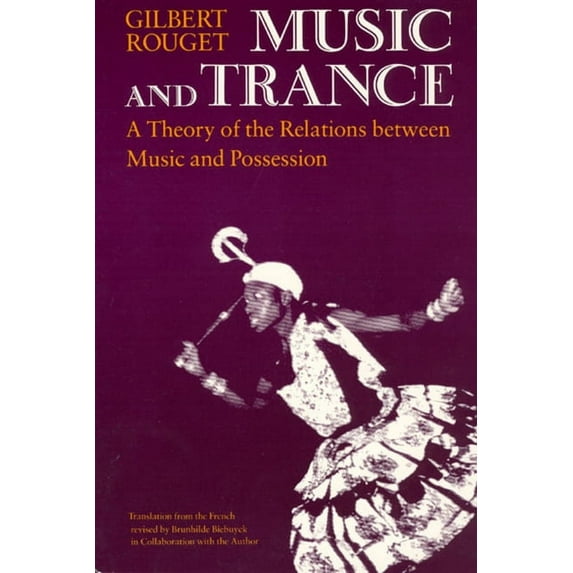
Hero image 0 of Music and Trance : A Theory of the Relations Between Music and Possession (Paperback), 0 of 1
Music and Trance : A Theory of the Relations Between Music and Possession (Paperback)
(No ratings yet)
Key item features
Ritual trance has always been closely associated with music—but why, and how? Gilbert Rouget offers and extended analysis of music and trance, concluding that no universal law can explain the relations between music and trance; they vary greatly and depend on the system of meaning of their cultural context.
Rouget rigorously examines a worldwide corpus of data from ethnographic literature, but he also draws on the Bible, his own fieldwork in West Africa, and the writings of Plato, Ghazzali, and Rousseau. To organize this immense store of information, he develops a typology of trance based on symbolism and external manifestations. He outlines the fundamental distinctions between trance and ecstasy, shamanism and spirit possession, and communal and emotional trance. Music is analyzed in terms of performers, practices, instruments, and associations with dance. Each kind of trance draws strength from music in different ways at different points in a ritual, Rouget concludes. In possession trance, music induces the adept to identify himself with his deity and allows him to express this identification through dance.
Forcefully rejecting pseudo-science and reductionism, Rouget demystifies the so-called theory of the neurophysiological effects of drumming on trance. He concludes that music's physiological and emotional effects are inseparable from patterns of collective representations and behavior, and that music and trance are linked in as many ways as there are cultural structures.
Rouget rigorously examines a worldwide corpus of data from ethnographic literature, but he also draws on the Bible, his own fieldwork in West Africa, and the writings of Plato, Ghazzali, and Rousseau. To organize this immense store of information, he develops a typology of trance based on symbolism and external manifestations. He outlines the fundamental distinctions between trance and ecstasy, shamanism and spirit possession, and communal and emotional trance. Music is analyzed in terms of performers, practices, instruments, and associations with dance. Each kind of trance draws strength from music in different ways at different points in a ritual, Rouget concludes. In possession trance, music induces the adept to identify himself with his deity and allows him to express this identification through dance.
Forcefully rejecting pseudo-science and reductionism, Rouget demystifies the so-called theory of the neurophysiological effects of drumming on trance. He concludes that music's physiological and emotional effects are inseparable from patterns of collective representations and behavior, and that music and trance are linked in as many ways as there are cultural structures.
Specs
- Book formatPaperback
- Fiction/nonfictionNon-Fiction
- Pub date1985-12-15
- Pages418
- Reading levelUndergraduate
- Edition1
Current price is USD$64.95
Price when purchased online
- Free shipping
 Free 30-day returns
How do you want your item?
Columbus, 43215
Arrives between Apr 17 - Apr 20
|
Sold and shipped by Alibris Books
4.563627863487611 stars out of 5, based on 10695 seller reviews(4.6)10695 seller reviews

Free 30-day returns
Other sellers
$58.15
+Free shippingShipping, arrives by Thu, Apr 23 to Columbus, 43215
Sold and shipped by newbookdeals
Free 30-day returns
About this item
Product details
Ritual trance has always been closely associated with music--but why, and how? Gilbert Rouget offers and extended analysis of music and trance, concluding that no universal law can explain the relations between music and trance; they vary greatly and depend on the system of meaning of their cultural context. Rouget rigorously examines a worldwide corpus of data from ethnographic literature, but he also draws on the Bible, his own fieldwork in West Africa, and the writings of Plato, Ghazzali, and Rousseau. To organize this immense store of information, he develops a typology of trance based on symbolism and external manifestations. He outlines the fundamental distinctions between trance and ecstasy, shamanism and spirit possession, and communal and emotional trance. Music is analyzed in terms of performers, practices, instruments, and associations with dance. Each kind of trance draws strength from music in different ways at different points in a ritual, Rouget concludes. In possession trance, music induces the adept to identify himself with his deity and allows him to express this identification through dance. Forcefully rejecting pseudo-science and reductionism, Rouget demystifies the so-called theory of the neurophysiological effects of drumming on trance. He concludes that music's physiological and emotional effects are inseparable from patterns of collective representations and behavior, and that music and trance are linked in as many ways as there are cultural structures.
Ritual trance has always been closely associated with music—but why, and how? Gilbert Rouget offers and extended analysis of music and trance, concluding that no universal law can explain the relations between music and trance; they vary greatly and depend on the system of meaning of their cultural context.
Rouget rigorously examines a worldwide corpus of data from ethnographic literature, but he also draws on the Bible, his own fieldwork in West Africa, and the writings of Plato, Ghazzali, and Rousseau. To organize this immense store of information, he develops a typology of trance based on symbolism and external manifestations. He outlines the fundamental distinctions between trance and ecstasy, shamanism and spirit possession, and communal and emotional trance. Music is analyzed in terms of performers, practices, instruments, and associations with dance. Each kind of trance draws strength from music in different ways at different points in a ritual, Rouget concludes. In possession trance, music induces the adept to identify himself with his deity and allows him to express this identification through dance.
Forcefully rejecting pseudo-science and reductionism, Rouget demystifies the so-called theory of the neurophysiological effects of drumming on trance. He concludes that music's physiological and emotional effects are inseparable from patterns of collective representations and behavior, and that music and trance are linked in as many ways as there are cultural structures.
Rouget rigorously examines a worldwide corpus of data from ethnographic literature, but he also draws on the Bible, his own fieldwork in West Africa, and the writings of Plato, Ghazzali, and Rousseau. To organize this immense store of information, he develops a typology of trance based on symbolism and external manifestations. He outlines the fundamental distinctions between trance and ecstasy, shamanism and spirit possession, and communal and emotional trance. Music is analyzed in terms of performers, practices, instruments, and associations with dance. Each kind of trance draws strength from music in different ways at different points in a ritual, Rouget concludes. In possession trance, music induces the adept to identify himself with his deity and allows him to express this identification through dance.
Forcefully rejecting pseudo-science and reductionism, Rouget demystifies the so-called theory of the neurophysiological effects of drumming on trance. He concludes that music's physiological and emotional effects are inseparable from patterns of collective representations and behavior, and that music and trance are linked in as many ways as there are cultural structures.
info:
We aim to show you accurate product information. Manufacturers, suppliers and others provide what you see here, and we have not verified it.
Specifications
Book format
Paperback
Fiction/nonfiction
Non-Fiction
Genre
Art, Music, and Photography
Pub date
1985-12-15
Warranty
Warranty information
Please be aware that the warranty terms on items offered for sale by third party Marketplace sellers may differ from those displayed in this section (if any). To confirm warranty terms on an item offered for sale by a third party Marketplace seller, please use the 'Contact seller' feature on the third party Marketplace seller's information page and request the item's warranty terms prior to purchase.
Warnings
State Chemical Disclosure
None
Similar items you might like
Based on what customers bought
Learning Through Music, (Paperback) $54.99
 $5499current price $54.99
Learning Through Music, (Paperback)
Musique Regards Sur Debussy, (Paperback) $58.95
 $5895current price $58.95
Musique Regards Sur Debussy, (Paperback)
Harmony, Melody and Composition, (Paperback) $40.50
 $4050current price $40.50
Harmony, Melody and Composition, (Paperback)
Manipulation through background music, (Paperback) $37.46
 $3746current price $37.46
Manipulation through background music, (Paperback)
Qaraami: The fading melody of Somali classic music, (Paperback) $31.50
 $3150current price $31.50
Qaraami: The fading melody of Somali classic music, (Paperback)
Performing Music Research P, (Paperback) $55.99
 $5599current price $55.99
Performing Music Research P, (Paperback)
Unsayable Music: Six Reflections on Musical Semiotics, Electroacoustic and Digital Music, (Paperback) $61.11 Was $68.80
 $6111current price $61.11, Was $68.80$68.80
Unsayable Music: Six Reflections on Musical Semiotics, Electroacoustic and Digital Music, (Paperback)
Brahms's Song Collections, (Paperback) $50.12
 $5012current price $50.12
Brahms's Song Collections, (Paperback)
Les conflits de la musique française, (Paperback) $43.95
 $4395current price $43.95
Les conflits de la musique française, (Paperback)
Musical Temperaments, (Paperback) $60.29
 $6029current price $60.29
Musical Temperaments, (Paperback)
An Encyclopedia of Quotations about Music, (Paperback) $54.99
 $5499current price $54.99
An Encyclopedia of Quotations about Music, (Paperback)
Music, Mind and Education, (Paperback) $47.99
 $4799current price $47.99
Music, Mind and Education, (Paperback)
Before Sound: Re-Composing Material, Time, and Bodies in Music, (Paperback) $68.43
 $6843current price $68.43
Before Sound: Re-Composing Material, Time, and Bodies in Music, (Paperback)
The Theory Of Music (Hardcover) $41.95
 $4195current price $41.95
The Theory Of Music (Hardcover)
Elson's Pocket Music Dictionary : The Important Terms Used In Music (1909) (Paperback) $26.32
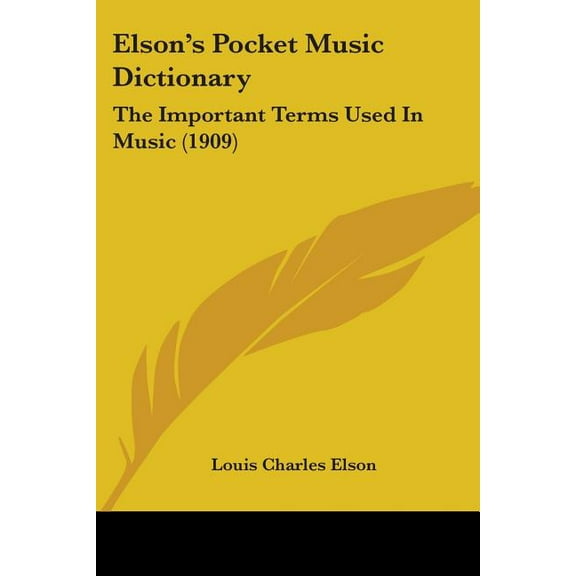 $2632current price $26.32
Elson's Pocket Music Dictionary : The Important Terms Used In Music (1909) (Paperback)
Music Theory Simplified - Demystifying The Language Of Music, (Paperback) $33.39
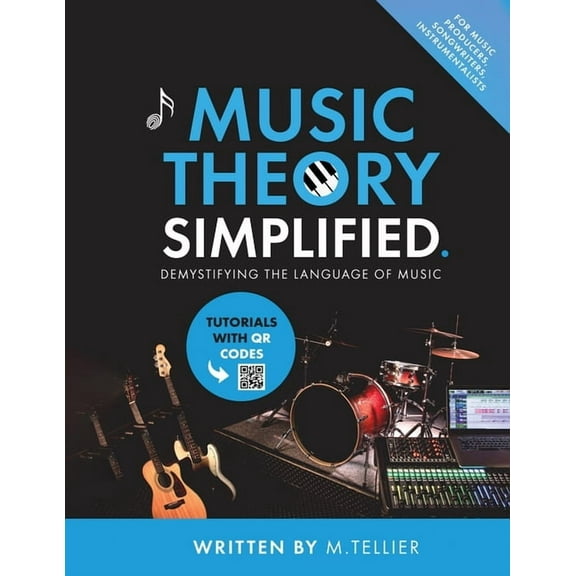 $3339current price $33.39
Music Theory Simplified - Demystifying The Language Of Music, (Paperback)
Ubiquitous Music Ecologies, (Paperback) $61.99
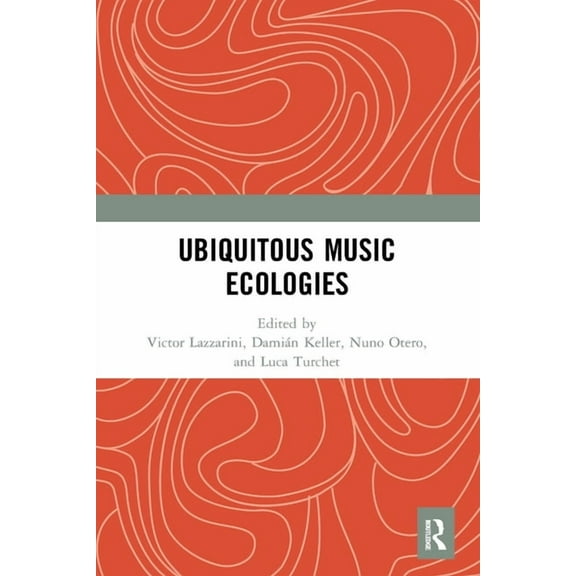 $6199current price $61.99
Ubiquitous Music Ecologies, (Paperback)
Intertextuality in Music: Dialogic Composition, (Paperback) $43.99 Was $48.95
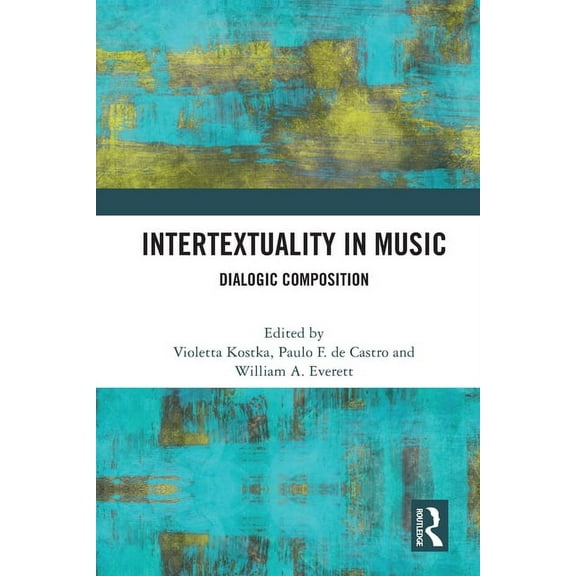 $4399current price $43.99, Was $48.95$48.95
Intertextuality in Music: Dialogic Composition, (Paperback)
Music for Fun, Music for Learning $38.69
 $3869current price $38.69
Music for Fun, Music for Learning
La musique (Paperback) $29.86
 $2986current price $29.86
La musique (Paperback)
Customer ratings & reviews
0 ratings|0 reviews
This item does not have any reviews yet
