

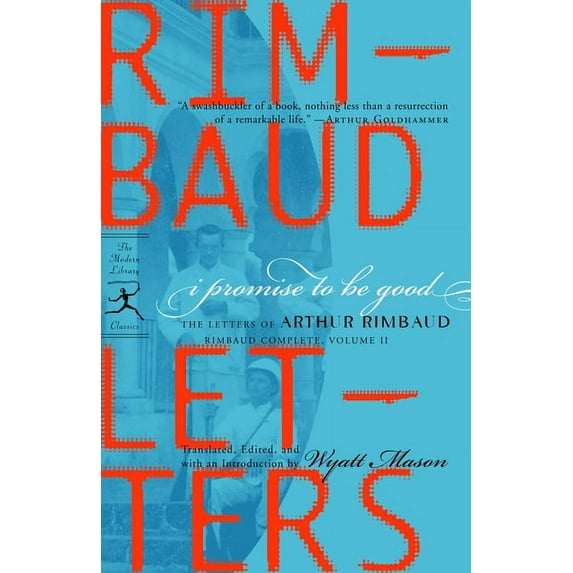
Hero image 0 of Modern Library Classics: I Promise to Be Good : The Letters of Arthur Rimbaud (Paperback), 0 of 1
Modern Library Classics: I Promise to Be Good : The Letters of Arthur Rimbaud (Paperback)
(No ratings yet)
Key item features
One of the most written-about literary figures in the past decade, Arthur Rimbaud left few traces when he abandoned poetry at age twenty-one and disappeared into the African desert. Although the dozen biographies devoted to Rimbaud’s life depend on one main source for information—his own correspondence—a complete edition of these remarkable letters has never been published in English. Until now.
A moving document of decline, Rimbaud’s letters begin with the enthusiastic artistic pronouncements of a fifteen-year-old genius, and end with the bitter what-ifs of a man whose life has slipped disastrously away. But whether soapboxing on the essence of art, or struggling under the yoke of self-imposed exile in the desert of his later years, Rimbaud was incapable of writing an uninteresting sentence. As translator and editor Wyatt Mason makes clear in his engaging Introduction, the letters reveal a Rimbaud very different from our expectations. Rimbaud—presented by many biographers as a bohemian wild man—is unveiled as “diligent in his pursuit of his goals . . . wildly, soberly ambitious, in poetry, in everything.”
I Promise to Be Good: The Letters of Arthur Rimbaud is the second and final volume in Mason’s authoritative presentation of Rimbaud’s writings. Called by Edward Hirsch “the definitive translation for our time,” Mason’s first volume, Rimbaud Complete (Modern Library, 2002), brought Rimbaud’s poetry and prose into vivid focus. In I Promise to Be Good, Mason adds the missing epistolary pieces to our picture of Rimbaud. “These letters,” he writes, “are proofs in all their variety—of impudence and precocity, of tenderness and rage—for the existence of Arthur Rimbaud.” I Promise to Be Good allows English-language readers to see with new eyes one of the most extraordinary poets in history.
A moving document of decline, Rimbaud’s letters begin with the enthusiastic artistic pronouncements of a fifteen-year-old genius, and end with the bitter what-ifs of a man whose life has slipped disastrously away. But whether soapboxing on the essence of art, or struggling under the yoke of self-imposed exile in the desert of his later years, Rimbaud was incapable of writing an uninteresting sentence. As translator and editor Wyatt Mason makes clear in his engaging Introduction, the letters reveal a Rimbaud very different from our expectations. Rimbaud—presented by many biographers as a bohemian wild man—is unveiled as “diligent in his pursuit of his goals . . . wildly, soberly ambitious, in poetry, in everything.”
I Promise to Be Good: The Letters of Arthur Rimbaud is the second and final volume in Mason’s authoritative presentation of Rimbaud’s writings. Called by Edward Hirsch “the definitive translation for our time,” Mason’s first volume, Rimbaud Complete (Modern Library, 2002), brought Rimbaud’s poetry and prose into vivid focus. In I Promise to Be Good, Mason adds the missing epistolary pieces to our picture of Rimbaud. “These letters,” he writes, “are proofs in all their variety—of impudence and precocity, of tenderness and rage—for the existence of Arthur Rimbaud.” I Promise to Be Good allows English-language readers to see with new eyes one of the most extraordinary poets in history.
Specs
- Book formatPaperback
- Fiction/nonfictionNon-Fiction
- GenreLiterature & Fiction
- Publication dateNovember, 2004
- Pages416
- Reading levelGeneral
Current price is USD$16.71
Price when purchased online
Out of stock
How do you want your item?
Out of stock
About this item
Product details
One of the most written-about literary figures in the past decade, Arthur Rimbaud left few traces when he abandoned poetry at age twenty-one and disappeared into the African desert. Although the dozen biographies devoted to Rimbaud's life depend on one main source for information--his own correspondence--a complete edition of these remarkable letters has never been published in English. Until now. A moving document of decline, Rimbaud's letters begin with the enthusiastic artistic pronouncements of a fifteen-year-old genius, and end with the bitter what-ifs of a man whose life has slipped disastrously away. But whether soapboxing on the essence of art, or struggling under the yoke of self-imposed exile in the desert of his later years, Rimbaud was incapable of writing an uninteresting sentence. As translator and editor Wyatt Mason makes clear in his engaging Introduction, the letters reveal a Rimbaud very different from our expectations. Rimbaud--presented by many biographers as a bohemian wild man--is unveiled as "diligent in his pursuit of his goals . . . wildly, soberly ambitious, in poetry, in everything." I Promise to Be Good: The Letters of Arthur Rimbaud is the second and final volume in Mason's authoritative presentation of Rimbaud's writings. Called by Edward Hirsch "the definitive translation for our time," Mason's first volume, Rimbaud Complete (Modern Library, 2002), brought Rimbaud's poetry and prose into vivid focus. In I Promise to Be Good, Mason adds the missing epistolary pieces to our picture of Rimbaud. "These letters," he writes, "are proofs in all their variety--of impudence and precocity, of tenderness and rage--for the existence of Arthur Rimbaud." I Promise to Be Good allows English-language readers to see with new eyes one of the most extraordinary poets in history.
One of the most written-about literary figures in the past decade, Arthur Rimbaud left few traces when he abandoned poetry at age twenty-one and disappeared into the African desert. Although the dozen biographies devoted to Rimbaud’s life depend on one main source for information—his own correspondence—a complete edition of these remarkable letters has never been published in English. Until now.
A moving document of decline, Rimbaud’s letters begin with the enthusiastic artistic pronouncements of a fifteen-year-old genius, and end with the bitter what-ifs of a man whose life has slipped disastrously away. But whether soapboxing on the essence of art, or struggling under the yoke of self-imposed exile in the desert of his later years, Rimbaud was incapable of writing an uninteresting sentence. As translator and editor Wyatt Mason makes clear in his engaging Introduction, the letters reveal a Rimbaud very different from our expectations. Rimbaud—presented by many biographers as a bohemian wild man—is unveiled as “diligent in his pursuit of his goals . . . wildly, soberly ambitious, in poetry, in everything.”
I Promise to Be Good: The Letters of Arthur Rimbaud is the second and final volume in Mason’s authoritative presentation of Rimbaud’s writings. Called by Edward Hirsch “the definitive translation for our time,” Mason’s first volume, Rimbaud Complete (Modern Library, 2002), brought Rimbaud’s poetry and prose into vivid focus. In I Promise to Be Good, Mason adds the missing epistolary pieces to our picture of Rimbaud. “These letters,” he writes, “are proofs in all their variety—of impudence and precocity, of tenderness and rage—for the existence of Arthur Rimbaud.” I Promise to Be Good allows English-language readers to see with new eyes one of the most extraordinary poets in history.
A moving document of decline, Rimbaud’s letters begin with the enthusiastic artistic pronouncements of a fifteen-year-old genius, and end with the bitter what-ifs of a man whose life has slipped disastrously away. But whether soapboxing on the essence of art, or struggling under the yoke of self-imposed exile in the desert of his later years, Rimbaud was incapable of writing an uninteresting sentence. As translator and editor Wyatt Mason makes clear in his engaging Introduction, the letters reveal a Rimbaud very different from our expectations. Rimbaud—presented by many biographers as a bohemian wild man—is unveiled as “diligent in his pursuit of his goals . . . wildly, soberly ambitious, in poetry, in everything.”
I Promise to Be Good: The Letters of Arthur Rimbaud is the second and final volume in Mason’s authoritative presentation of Rimbaud’s writings. Called by Edward Hirsch “the definitive translation for our time,” Mason’s first volume, Rimbaud Complete (Modern Library, 2002), brought Rimbaud’s poetry and prose into vivid focus. In I Promise to Be Good, Mason adds the missing epistolary pieces to our picture of Rimbaud. “These letters,” he writes, “are proofs in all their variety—of impudence and precocity, of tenderness and rage—for the existence of Arthur Rimbaud.” I Promise to Be Good allows English-language readers to see with new eyes one of the most extraordinary poets in history.
info:
We aim to show you accurate product information. Manufacturers, suppliers and others provide what you see here, and we have not verified it.
Specifications
Book format
Paperback
Fiction/nonfiction
Non-Fiction
Genre
Literature & Fiction
Publication date
November, 2004
Warranty
Warranty information
Please be aware that the warranty terms on items offered for sale by third party Marketplace sellers may differ from those displayed in this section (if any). To confirm warranty terms on an item offered for sale by a third party Marketplace seller, please use the 'Contact seller' feature on the third party Marketplace seller's information page and request the item's warranty terms prior to purchase.
Similar items you might like
Based on what customers bought
Modern Library Classics Irish Fairy and Folk Tales, (Paperback) $13.40
 $1340current price $13.40
Modern Library Classics Irish Fairy and Folk Tales, (Paperback)
Oberon Modern Plays The Notorious Mrs Ebbsmith, (Paperback) $16.87
 $1687current price $16.87
Oberon Modern Plays The Notorious Mrs Ebbsmith, (Paperback)
John the Unafraid, (Paperback) $17.95
 $1795current price $17.95
John the Unafraid, (Paperback)
Best seller Penguin Classics Wuthering Heights, (Paperback) $6.40 Was $8.00
Best seller 2 optionsAvailable in additional 2 options$640current price $6.40, Was $8.00$8.00
Penguin Classics Wuthering Heights, (Paperback)
2713.9 out of 5 Stars. 271 reviewsJames, (Paperback) $18.20
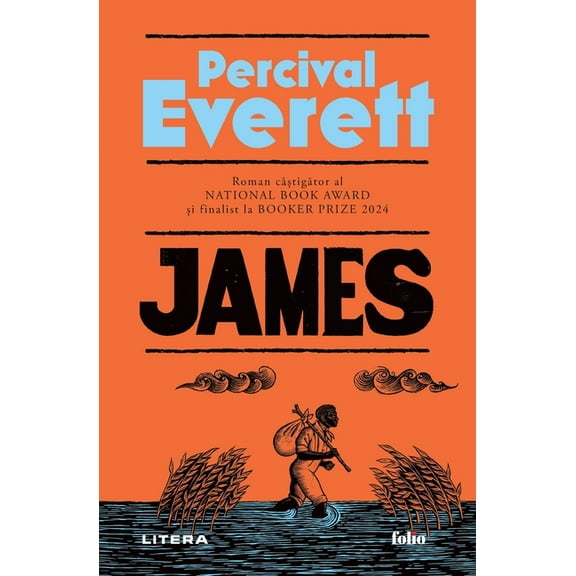 $1820current price $18.20
James, (Paperback)
14 out of 5 Stars. 1 reviewsThe Medea of Euripides, (Paperback) $17.95
 $1795current price $17.95
The Medea of Euripides, (Paperback)
Modern Library Classics A Connecticut Yankee in King Arthur's Court, (Paperback) $16.78
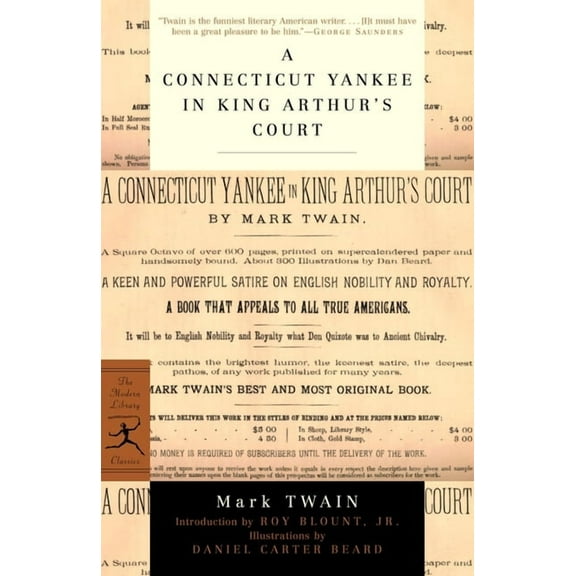 $1678current price $16.78
Modern Library Classics A Connecticut Yankee in King Arthur's Court, (Paperback)
The Historian, (Paperback) $4.34
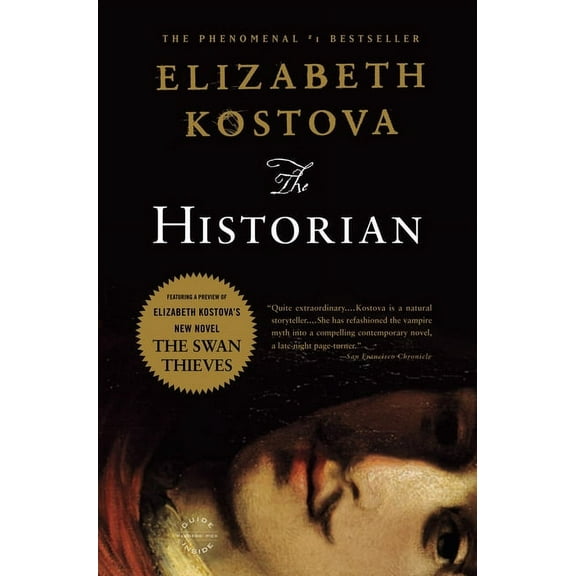 $434current price $4.34
The Historian, (Paperback)
4133.6 out of 5 Stars. 413 reviewsOberon Modern Plays Dear Brutus, (Paperback) $16.53 Was $19.16
 $1653current price $16.53, Was $19.16$19.16
Oberon Modern Plays Dear Brutus, (Paperback)
Vintage Contemporaries Dogwalker: Stories, (Paperback) $14.81
 $1481current price $14.81
Vintage Contemporaries Dogwalker: Stories, (Paperback)
Cahiers de Douai, (Paperback) $9.99
 $999current price $9.99
Cahiers de Douai, (Paperback)
Oberon Modern Plays Huddersfield, (Paperback) $18.95
 $1895current price $18.95
Oberon Modern Plays Huddersfield, (Paperback)
Manjeri: A Century of Love, (Paperback) $17.02
 $1702current price $17.02
Manjeri: A Century of Love, (Paperback)
King Arthur's Raid on Hell and other poems, (Paperback) $12.50
 $1250current price $12.50
King Arthur's Raid on Hell and other poems, (Paperback)
Cositas: Novela Histórica / Little Things: A Historical Novel), (Paperback) $16.95
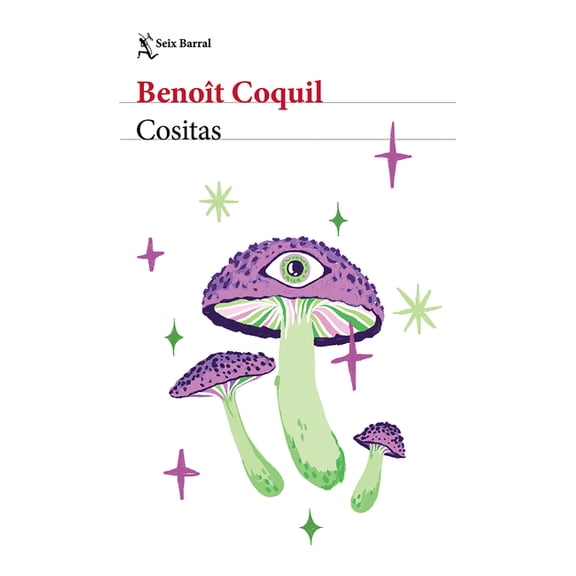 $1695current price $16.95
Cositas: Novela Histórica / Little Things: A Historical Novel), (Paperback)
Shakespeare's Last Plays, (Paperback) $17.95
 $1795current price $17.95
Shakespeare's Last Plays, (Paperback)
Peines d'amour perdues; Comédie, (Paperback) $16.99
 $1699current price $16.99
Peines d'amour perdues; Comédie, (Paperback)
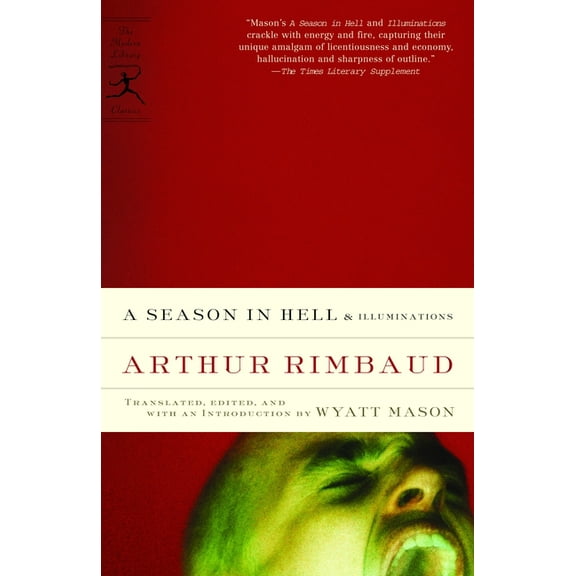
Modern Library Classics A Season in Hell & Illuminations, (Paperback) $17.77
 $1777current price $17.77
Modern Library Classics A Season in Hell & Illuminations, (Paperback)
Tarzan the Mighty (Paperback) $16.71
 $1671current price $16.71
Tarzan the Mighty (Paperback)
Customer ratings & reviews
0 ratings|0 reviews
This item does not have any reviews yet
