


Hero image 0 of The Caning : The Assault That Drove America to Civil War (Paperback), 0 of 1
The Caning : The Assault That Drove America to Civil War (Paperback)
(No ratings yet)
Key item features
A Turning Point in American History, the Beating of U.S. Senator Charles Sumner and the Beginning of the War Over Slavery
Early in the afternoon of May 22, 1856, ardent pro-slavery Congressman Preston S. Brooks of South Carolina strode into the United States Senate Chamber in Washington, D.C., and began beating renowned anti-slavery Senator Charles Sumner with a gold-topped walking cane. Brooks struck again and again—more than thirty times across Sumner’s head, face, and shoulders—until his cane splintered into pieces and the helpless Massachusetts senator, having nearly wrenched his desk from its fixed base, lay unconscious and covered in blood. It was a retaliatory attack. Forty-eight hours earlier, Sumner had concluded a speech on the Senate floor that had spanned two days, during which he vilified Southern slaveowners for violence occurring in Kansas, called Stephen A. Douglas of Illinois a “noise-some, squat, and nameless animal,” and famously charged Brooks’s second cousin, South Carolina Senator Andrew Butler, as having “a mistress. . . who ugly to others, is always lovely to him. . . . I mean, the harlot, Slavery.” Brooks not only shattered his cane during the beating, but also destroyed any pretense of civility between North and South.
One of the most shocking and provocative events in American history, the caning convinced each side that the gulf between them was unbridgeable and that they could no longer discuss their vast differences of opinion regarding slavery on any reasonable level.The Caning: The Assault That Drove America to Civil War tells the incredible story of this transformative event. While Sumner eventually recovered after a lengthy convalescence, compromise had suffered a mortal blow. Moderate voices were drowned out completely; extremist views accelerated, became intractable, and locked both sides on a tragic collision course.
The caning had an enormous impact on the events that followed over the next four years: the meteoric rise of the Republican Party and Abraham Lincoln; the Dred Scott decision; the increasing militancy of abolitionists, notably John Brown’s actions; and the secession of the Southern states and the founding of the Confederacy. As a result of the caning, the country was pushed, inexorably and unstoppably, to war. Many factors conspired to cause the Civil War, but it was the caning that made conflict and disunion unavoidable five years later.
Early in the afternoon of May 22, 1856, ardent pro-slavery Congressman Preston S. Brooks of South Carolina strode into the United States Senate Chamber in Washington, D.C., and began beating renowned anti-slavery Senator Charles Sumner with a gold-topped walking cane. Brooks struck again and again—more than thirty times across Sumner’s head, face, and shoulders—until his cane splintered into pieces and the helpless Massachusetts senator, having nearly wrenched his desk from its fixed base, lay unconscious and covered in blood. It was a retaliatory attack. Forty-eight hours earlier, Sumner had concluded a speech on the Senate floor that had spanned two days, during which he vilified Southern slaveowners for violence occurring in Kansas, called Stephen A. Douglas of Illinois a “noise-some, squat, and nameless animal,” and famously charged Brooks’s second cousin, South Carolina Senator Andrew Butler, as having “a mistress. . . who ugly to others, is always lovely to him. . . . I mean, the harlot, Slavery.” Brooks not only shattered his cane during the beating, but also destroyed any pretense of civility between North and South.
One of the most shocking and provocative events in American history, the caning convinced each side that the gulf between them was unbridgeable and that they could no longer discuss their vast differences of opinion regarding slavery on any reasonable level.The Caning: The Assault That Drove America to Civil War tells the incredible story of this transformative event. While Sumner eventually recovered after a lengthy convalescence, compromise had suffered a mortal blow. Moderate voices were drowned out completely; extremist views accelerated, became intractable, and locked both sides on a tragic collision course.
The caning had an enormous impact on the events that followed over the next four years: the meteoric rise of the Republican Party and Abraham Lincoln; the Dred Scott decision; the increasing militancy of abolitionists, notably John Brown’s actions; and the secession of the Southern states and the founding of the Confederacy. As a result of the caning, the country was pushed, inexorably and unstoppably, to war. Many factors conspired to cause the Civil War, but it was the caning that made conflict and disunion unavoidable five years later.
Specs
- Book formatPaperback
- Fiction/nonfictionNon-Fiction
- GenreHistory
- Pub date2013-09-19
- Pages392
- EditionReprint
Current price is USD$27.97
Price when purchased online
- Free shipping
 Free 30-day returns
How do you want your item?
Columbus, 43215
Arrives between Apr 17 - Apr 23
|
Sold and shipped by newbookdeals
4.559071729957806 stars out of 5, based on 1896 seller reviews(4.6)1896 seller reviews

Free 30-day returns
About this item
Product details
One of the most shocking and provocative events in American history, the caning convinced each side that the gulf between them was unbridgeable and that they could no longer discuss their vast differences of opinion regarding slavery on any reasonable level.The Caning: The Assault That Drove America to Civil War tells the incredible story of this transformative event. While Sumner eventually recovered after a lengthy convalescence, compromise had suffered a mortal blow. Moderate voices were drowned out completely; extremist views accelerated, became intractable, and locked both sides on a tragic collision course.
The caning had an enormous impact on the events that followed over the next four years: the meteoric rise of the Republican Party and Abraham Lincoln; the Dred Scott decision; the increasing militancy of abolitionists, notably John Brown’s actions; and the secession of the Southern states and the founding of the Confederacy. As a result of the caning, the country was pushed, inexorably and unstoppably, to war. Many factors conspired to cause the Civil War, but it was the caning that made conflict and disunion unavoidable five years later.
The caning had an enormous impact on the events that followed over the next four years: the meteoric rise of the Republican Party and Abraham Lincoln; the Dred Scott decision; the increasing militancy of abolitionists, notably John Brown’s actions; and the secession of the Southern states and the founding of the Confederacy. As a result of the caning, the country was pushed, inexorably and unstoppably, to war. Many factors conspired to cause the Civil War, but it was the caning that made conflict and disunion unavoidable five years later.
A Turning Point in American History, the Beating of U.S. Senator Charles Sumner and the Beginning of the War Over Slavery
Early in the afternoon of May 22, 1856, ardent pro-slavery Congressman Preston S. Brooks of South Carolina strode into the United States Senate Chamber in Washington, D.C., and began beating renowned anti-slavery Senator Charles Sumner with a gold-topped walking cane. Brooks struck again and again—more than thirty times across Sumner’s head, face, and shoulders—until his cane splintered into pieces and the helpless Massachusetts senator, having nearly wrenched his desk from its fixed base, lay unconscious and covered in blood. It was a retaliatory attack. Forty-eight hours earlier, Sumner had concluded a speech on the Senate floor that had spanned two days, during which he vilified Southern slaveowners for violence occurring in Kansas, called Stephen A. Douglas of Illinois a “noise-some, squat, and nameless animal,” and famously charged Brooks’s second cousin, South Carolina Senator Andrew Butler, as having “a mistress. . . who ugly to others, is always lovely to him. . . . I mean, the harlot, Slavery.” Brooks not only shattered his cane during the beating, but also destroyed any pretense of civility between North and South.
One of the most shocking and provocative events in American history, the caning convinced each side that the gulf between them was unbridgeable and that they could no longer discuss their vast differences of opinion regarding slavery on any reasonable level.The Caning: The Assault That Drove America to Civil War tells the incredible story of this transformative event. While Sumner eventually recovered after a lengthy convalescence, compromise had suffered a mortal blow. Moderate voices were drowned out completely; extremist views accelerated, became intractable, and locked both sides on a tragic collision course.
The caning had an enormous impact on the events that followed over the next four years: the meteoric rise of the Republican Party and Abraham Lincoln; the Dred Scott decision; the increasing militancy of abolitionists, notably John Brown’s actions; and the secession of the Southern states and the founding of the Confederacy. As a result of the caning, the country was pushed, inexorably and unstoppably, to war. Many factors conspired to cause the Civil War, but it was the caning that made conflict and disunion unavoidable five years later.
Early in the afternoon of May 22, 1856, ardent pro-slavery Congressman Preston S. Brooks of South Carolina strode into the United States Senate Chamber in Washington, D.C., and began beating renowned anti-slavery Senator Charles Sumner with a gold-topped walking cane. Brooks struck again and again—more than thirty times across Sumner’s head, face, and shoulders—until his cane splintered into pieces and the helpless Massachusetts senator, having nearly wrenched his desk from its fixed base, lay unconscious and covered in blood. It was a retaliatory attack. Forty-eight hours earlier, Sumner had concluded a speech on the Senate floor that had spanned two days, during which he vilified Southern slaveowners for violence occurring in Kansas, called Stephen A. Douglas of Illinois a “noise-some, squat, and nameless animal,” and famously charged Brooks’s second cousin, South Carolina Senator Andrew Butler, as having “a mistress. . . who ugly to others, is always lovely to him. . . . I mean, the harlot, Slavery.” Brooks not only shattered his cane during the beating, but also destroyed any pretense of civility between North and South.
One of the most shocking and provocative events in American history, the caning convinced each side that the gulf between them was unbridgeable and that they could no longer discuss their vast differences of opinion regarding slavery on any reasonable level.The Caning: The Assault That Drove America to Civil War tells the incredible story of this transformative event. While Sumner eventually recovered after a lengthy convalescence, compromise had suffered a mortal blow. Moderate voices were drowned out completely; extremist views accelerated, became intractable, and locked both sides on a tragic collision course.
The caning had an enormous impact on the events that followed over the next four years: the meteoric rise of the Republican Party and Abraham Lincoln; the Dred Scott decision; the increasing militancy of abolitionists, notably John Brown’s actions; and the secession of the Southern states and the founding of the Confederacy. As a result of the caning, the country was pushed, inexorably and unstoppably, to war. Many factors conspired to cause the Civil War, but it was the caning that made conflict and disunion unavoidable five years later.
info:
We aim to show you accurate product information. Manufacturers, suppliers and others provide what you see here, and we have not verified it.
Specifications
Book format
Paperback
Fiction/nonfiction
Non-Fiction
Genre
History
Pub date
2013-09-19
Warranty
Warranty information
Please be aware that the warranty terms on items offered for sale by third party Marketplace sellers may differ from those displayed in this section (if any). To confirm warranty terms on an item offered for sale by a third party Marketplace seller, please use the 'Contact seller' feature on the third party Marketplace seller's information page and request the item's warranty terms prior to purchase.
Similar items you might like
Based on what customers bought
His Sword a Scalpel: General Charles Stuart Tripler, MD, USA, (Hardcover) $22.14 Was $24.95
 $2214current price $22.14, Was $24.95$24.95
His Sword a Scalpel: General Charles Stuart Tripler, MD, USA, (Hardcover)
Radical Warrior: August Willich's Journey from German Revolutionary to Union General, (Hardcover) $28.67
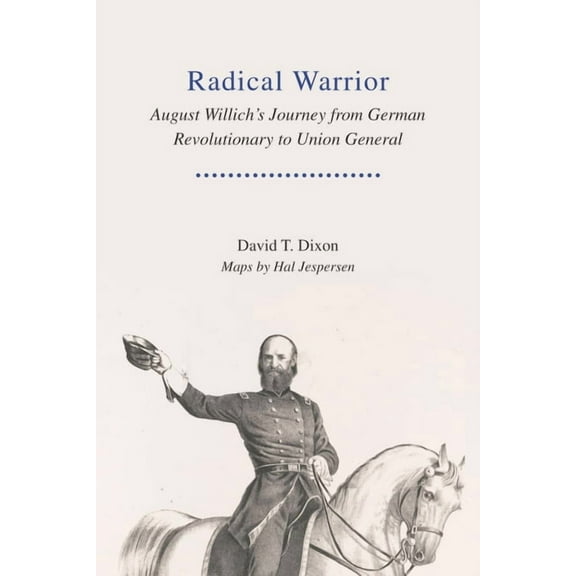 $2867current price $28.67
Radical Warrior: August Willich's Journey from German Revolutionary to Union General, (Hardcover)
Charles Sumner: Conscience of a Nation, (Paperback) $25.99
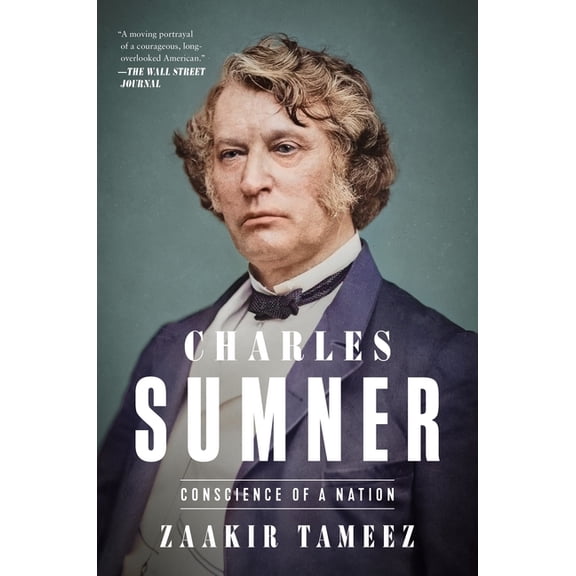 $2599current price $25.99
Charles Sumner: Conscience of a Nation, (Paperback)
The Campaign of 1860, (Paperback) $23.48
 $2348current price $23.48
The Campaign of 1860, (Paperback)
Gone But Not Forgotten: A Story of the Civil War (Paperback) $18.95
 $1895current price $18.95
Gone But Not Forgotten: A Story of the Civil War (Paperback)
Voices of the Civil War Memoirs of Lieut.-General Winfield Scott, (Paperback) $14.06
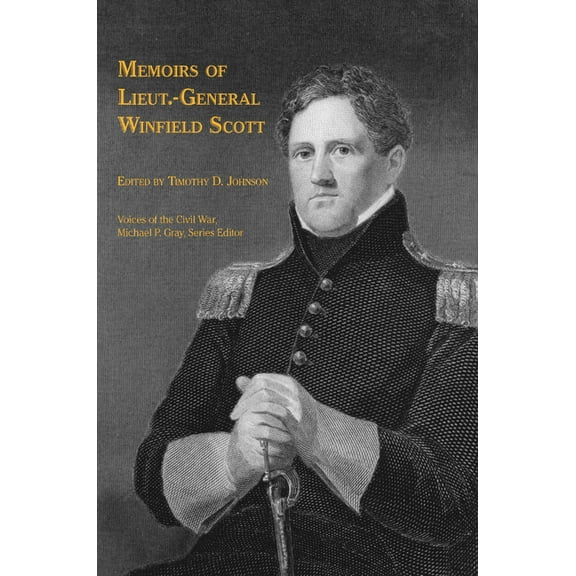 $1406current price $14.06
Voices of the Civil War Memoirs of Lieut.-General Winfield Scott, (Paperback)
They Should Have Been Hanged: War Nerd Essays on the U.S. Civil War, (Paperback) $18.63
 $1863current price $18.63
They Should Have Been Hanged: War Nerd Essays on the U.S. Civil War, (Paperback)
The Civil War Centennial Handbook, (Paperback) $12.93 Was $14.74
 $1293current price $12.93, Was $14.74$14.74
The Civil War Centennial Handbook, (Paperback)
Pre-Owned The Field of Blood: Violence in Congress and the Road to Civil War (Paperback) 1250234581 9781250234582 $7.88
 2 optionsAvailable in additional 2 options$788current price $7.88
Pre-Owned The Field of Blood: Violence in Congress and the Road to Civil War (Paperback) 1250234581 9781250234582
Pre-Owned Company Aytch or a Side Show of the Big Show: A Memoir of the Civil War (Paperback) 1596528400 9781596528406 $13.40
 3 optionsAvailable in additional 3 options$1340current price $13.40
Pre-Owned Company Aytch or a Side Show of the Big Show: A Memoir of the Civil War (Paperback) 1596528400 9781596528406
A Most Unsettled State (Paperback) $13.72
 $1372current price $13.72
A Most Unsettled State (Paperback)
Desertion During the Civil War, (Paperback) $32.67
 $3267current price $32.67
Desertion During the Civil War, (Paperback)
14 out of 5 Stars. 1 reviewsCheever, Lincoln, and the Causes of the Civil War, (Paperback) $15.95
 $1595current price $15.95
Cheever, Lincoln, and the Causes of the Civil War, (Paperback)
Pre-Owned Scandals of the Civil War (Paperback) 157249364X 9781572493643 $6.03
 $603current price $6.03
Pre-Owned Scandals of the Civil War (Paperback) 157249364X 9781572493643
The Boston Way: Radicals Against Slavery and the Civil War, (Hardcover) $21.09
 $2109current price $21.09
The Boston Way: Radicals Against Slavery and the Civil War, (Hardcover)
When It Was Grand: The Radical Republican History of the Civil War, (Paperback) $21.46 Was $23.99
 $2146current price $21.46, Was $23.99$23.99
When It Was Grand: The Radical Republican History of the Civil War, (Paperback)
The Great Iron Wheel (Paperback) $29.95
 $2995current price $29.95
The Great Iron Wheel (Paperback)
The Civil War for Teens: An Enthralling Guide to a Major Event in American History, (Hardcover) $26.39
 $2639current price $26.39
The Civil War for Teens: An Enthralling Guide to a Major Event in American History, (Hardcover)
The History of the Civil War Draft in Wisconsin (Paperback) $21.59
 $2159current price $21.59
The History of the Civil War Draft in Wisconsin (Paperback)
Fought Like Devils : The Confederate Gunboat McRae (Paperback) $19.96
 $1996current price $19.96
Fought Like Devils : The Confederate Gunboat McRae (Paperback)
Customer ratings & reviews
0 ratings|0 reviews
This item does not have any reviews yet

Related pages
- State Arms
- Athens Battle
- Best Sellers In World War I History
- 1948 Knucklehead
- Hitlers Photographer
- General Hindenburg
- Wars & Conflicts Military History Books
- Pictorial Military History Books
- Wales History Books
- Strategy in Military History Books
- General Great Britain History Books
- 21st Century Great Britain History Books