


Huang Di Nei Jing Su Wen : Nature, Knowledge, Imagery in an Ancient Chinese Medical Text: With an appendix: The Doctrine of the Five Periods and Six Qi in the Huang Di Nei Jing Su Wen (Edition 1) (Hardcover)
(No ratings yet)
Key item features
The Huang Di nei jing su wen, known familiarly as the Su wen, is a seminal text of ancient Chinese medicine, yet until now there has been no comprehensive, detailed analysis of its development and contents. At last Paul U. Unschuld offers entry into this still-vital artifact of China’s cultural and intellectual past.
Unschuld traces the history of the Su wen to its origins in the final centuries B.C.E., when numerous authors wrote short medical essays to explain the foundations of human health and illness on the basis of the newly developed vessel theory. He examines the meaning of the title and the way the work has been received throughout Chinese medical history, both before and after the eleventh century when the text as it is known today emerged. Unschuld’s survey of the contents includes illuminating discussions of the yin-yang and five-agents doctrines, the perception of the human body and its organs, qi and blood, pathogenic agents, concepts of disease and diagnosis, and a variety of therapies, including the new technique of acupuncture. An extensive appendix, furthermore, offers a detailed introduction to the complicated climatological theories of Wu yun liu qi ("five periods and six qi"), which were added to the Su wen by Wang Bing in the Tang era.
In an epilogue, Unschuld writes about the break with tradition and innovative style of thought represented by the Su wen. For the first time, health care took the form of "medicine," in that it focused on environmental conditions, climatic agents, and behavior as causal in the emergence of disease and on the importance of natural laws in explaining illness. Unschuld points out that much of what we surmise about the human organism is simply a projection, reflecting dominant values and social goals, and he constructs a hypothesis to explain the formation and acceptance of basic notions of health and disease in a given society. Reading the Su wen, he says, not only offers a better understanding of the roots of Chinese medicine as an integrated aspect of Chinese civilization; it also provides a much needed starting point for discussions of the differences and parallels between European and Chinese ways of dealing with illness and the risk of early death.
Unschuld traces the history of the Su wen to its origins in the final centuries B.C.E., when numerous authors wrote short medical essays to explain the foundations of human health and illness on the basis of the newly developed vessel theory. He examines the meaning of the title and the way the work has been received throughout Chinese medical history, both before and after the eleventh century when the text as it is known today emerged. Unschuld’s survey of the contents includes illuminating discussions of the yin-yang and five-agents doctrines, the perception of the human body and its organs, qi and blood, pathogenic agents, concepts of disease and diagnosis, and a variety of therapies, including the new technique of acupuncture. An extensive appendix, furthermore, offers a detailed introduction to the complicated climatological theories of Wu yun liu qi ("five periods and six qi"), which were added to the Su wen by Wang Bing in the Tang era.
In an epilogue, Unschuld writes about the break with tradition and innovative style of thought represented by the Su wen. For the first time, health care took the form of "medicine," in that it focused on environmental conditions, climatic agents, and behavior as causal in the emergence of disease and on the importance of natural laws in explaining illness. Unschuld points out that much of what we surmise about the human organism is simply a projection, reflecting dominant values and social goals, and he constructs a hypothesis to explain the formation and acceptance of basic notions of health and disease in a given society. Reading the Su wen, he says, not only offers a better understanding of the roots of Chinese medicine as an integrated aspect of Chinese civilization; it also provides a much needed starting point for discussions of the differences and parallels between European and Chinese ways of dealing with illness and the risk of early death.
Specs
- Book formatHardcover
- Fiction/nonfictionNon-Fiction
- Pub date20030408
- Pages536
- SubgenreAnthropology
- Series titleNo Series
Current price is USD$111.85
Price when purchased online
- Free shipping
 Free 30-day returns
How do you want your item?
Columbus, 43215
Arrives by Wed, Apr 15
|
Sold and shipped by Alibris Books
4.5641507660494405 stars out of 5, based on 10639 seller reviews(4.6)10639 seller reviews

Free 30-day returns
Other sellers
$142.45
+Free shippingShipping, arrives by Sat, Apr 18 to Columbus, 43215
Sold and shipped by RAREWAVES-USA
Free 30-day returns
About this item
Product details
The Huang Di nei jing su wen, known familiarly as the Su wen, is a seminal text of ancient Chinese medicine, yet until now there has been no comprehensive, detailed analysis of its development and contents. At last Paul U. Unschuld offers entry into this still-vital artifact of China's cultural and intellectual past.
Unschuld traces the history of the Su wen to its origins in the final centuries B.C.E., when numerous authors wrote short medical essays to explain the foundations of human health and illness on the basis of the newly developed vessel theory. He examines the meaning of the title and the way the work has been received throughout Chinese medical history, both before and after the eleventh century when the text as it is known today emerged. Unschuld's survey of the contents includes illuminating discussions of the yin-yang and five-agents doctrines, the perception of the human body and its organs, qi and blood, pathogenic agents, concepts of disease and diagnosis, and a variety of therapies, including the new technique of acupuncture. An extensive appendix, furthermore, offers a detailed introduction to the complicated climatological theories of Wu yun liu qi ("five periods and six qi"), which were added to the Su wen by Wang Bing in the Tang era.
In an epilogue, Unschuld writes about the break with tradition and innovative style of thought represented by the Su wen. For the first time, health care took the form of "medicine," in that it focused on environmental conditions, climatic agents, and behavior as causal in the emergence of disease and on the importance of natural laws in explaining illness. Unschuld points out that much of what we surmise about the human organism is simply a projection, reflecting dominant values and social goals, and he constructs a hypothesis to explain the formation and acceptance of basic notions of health and disease in a given society. Reading the Su wen, he says, not only offers a better understanding of the roots of Chinese medicine as an integrated aspect of Chinese civilization; it also provides a much needed starting point for discussions of the differences and parallels between European and Chinese ways of dealing with illness and the risk of early death.
Unschuld traces the history of the Su wen to its origins in the final centuries B.C.E., when numerous authors wrote short medical essays to explain the foundations of human health and illness on the basis of the newly developed vessel theory. He examines the meaning of the title and the way the work has been received throughout Chinese medical history, both before and after the eleventh century when the text as it is known today emerged. Unschuld's survey of the contents includes illuminating discussions of the yin-yang and five-agents doctrines, the perception of the human body and its organs, qi and blood, pathogenic agents, concepts of disease and diagnosis, and a variety of therapies, including the new technique of acupuncture. An extensive appendix, furthermore, offers a detailed introduction to the complicated climatological theories of Wu yun liu qi ("five periods and six qi"), which were added to the Su wen by Wang Bing in the Tang era.
In an epilogue, Unschuld writes about the break with tradition and innovative style of thought represented by the Su wen. For the first time, health care took the form of "medicine," in that it focused on environmental conditions, climatic agents, and behavior as causal in the emergence of disease and on the importance of natural laws in explaining illness. Unschuld points out that much of what we surmise about the human organism is simply a projection, reflecting dominant values and social goals, and he constructs a hypothesis to explain the formation and acceptance of basic notions of health and disease in a given society. Reading the Su wen, he says, not only offers a better understanding of the roots of Chinese medicine as an integrated aspect of Chinese civilization; it also provides a much needed starting point for discussions of the differences and parallels between European and Chinese ways of dealing with illness and the risk of early death.
The Huang Di nei jing su wen, known familiarly as the Su wen, is a seminal text of ancient Chinese medicine, yet until now there has been no comprehensive, detailed analysis of its development and contents. At last Paul U. Unschuld offers entry into this still-vital artifact of China’s cultural and intellectual past.
Unschuld traces the history of the Su wen to its origins in the final centuries B.C.E., when numerous authors wrote short medical essays to explain the foundations of human health and illness on the basis of the newly developed vessel theory. He examines the meaning of the title and the way the work has been received throughout Chinese medical history, both before and after the eleventh century when the text as it is known today emerged. Unschuld’s survey of the contents includes illuminating discussions of the yin-yang and five-agents doctrines, the perception of the human body and its organs, qi and blood, pathogenic agents, concepts of disease and diagnosis, and a variety of therapies, including the new technique of acupuncture. An extensive appendix, furthermore, offers a detailed introduction to the complicated climatological theories of Wu yun liu qi ("five periods and six qi"), which were added to the Su wen by Wang Bing in the Tang era.
In an epilogue, Unschuld writes about the break with tradition and innovative style of thought represented by the Su wen. For the first time, health care took the form of "medicine," in that it focused on environmental conditions, climatic agents, and behavior as causal in the emergence of disease and on the importance of natural laws in explaining illness. Unschuld points out that much of what we surmise about the human organism is simply a projection, reflecting dominant values and social goals, and he constructs a hypothesis to explain the formation and acceptance of basic notions of health and disease in a given society. Reading the Su wen, he says, not only offers a better understanding of the roots of Chinese medicine as an integrated aspect of Chinese civilization; it also provides a much needed starting point for discussions of the differences and parallels between European and Chinese ways of dealing with illness and the risk of early death.
Unschuld traces the history of the Su wen to its origins in the final centuries B.C.E., when numerous authors wrote short medical essays to explain the foundations of human health and illness on the basis of the newly developed vessel theory. He examines the meaning of the title and the way the work has been received throughout Chinese medical history, both before and after the eleventh century when the text as it is known today emerged. Unschuld’s survey of the contents includes illuminating discussions of the yin-yang and five-agents doctrines, the perception of the human body and its organs, qi and blood, pathogenic agents, concepts of disease and diagnosis, and a variety of therapies, including the new technique of acupuncture. An extensive appendix, furthermore, offers a detailed introduction to the complicated climatological theories of Wu yun liu qi ("five periods and six qi"), which were added to the Su wen by Wang Bing in the Tang era.
In an epilogue, Unschuld writes about the break with tradition and innovative style of thought represented by the Su wen. For the first time, health care took the form of "medicine," in that it focused on environmental conditions, climatic agents, and behavior as causal in the emergence of disease and on the importance of natural laws in explaining illness. Unschuld points out that much of what we surmise about the human organism is simply a projection, reflecting dominant values and social goals, and he constructs a hypothesis to explain the formation and acceptance of basic notions of health and disease in a given society. Reading the Su wen, he says, not only offers a better understanding of the roots of Chinese medicine as an integrated aspect of Chinese civilization; it also provides a much needed starting point for discussions of the differences and parallels between European and Chinese ways of dealing with illness and the risk of early death.
info:
We aim to show you accurate product information. Manufacturers, suppliers and others provide what you see here, and we have not verified it.
Specifications
Book format
Hardcover
Fiction/nonfiction
Non-Fiction
Genre
Political & Social Sciences
Pub date
20030408
Warranty
Warranty information
Please be aware that the warranty terms on items offered for sale by third party Marketplace sellers may differ from those displayed in this section (if any). To confirm warranty terms on an item offered for sale by a third party Marketplace seller, please use the 'Contact seller' feature on the third party Marketplace seller's information page and request the item's warranty terms prior to purchase.
Similar items you might like
Based on what customers bought
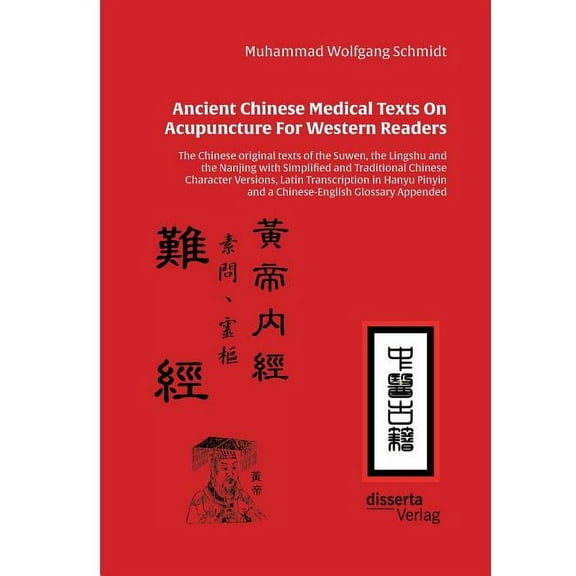
Ancient Chinese Medical Texts On Acupuncture For Western Readers: The Chinese original texts of the Suwen, the Lingshu and the Nanjing with Simplified and Traditional Chinese Character Versions, Latin $68.09
 $6809current price $68.09
Ancient Chinese Medical Texts On Acupuncture For Western Readers: The Chinese original texts of the Suwen, the Lingshu and the Nanjing with Simplified and Traditional Chinese Character Versions, Latin
Huang Di Nei Jing Ling Shu : The Ancient Classic on Needle Therapy (Edition 1) (Hardcover) $80.05
 $8005current price $80.05
Huang Di Nei Jing Ling Shu : The Ancient Classic on Needle Therapy (Edition 1) (Hardcover)
Daoism in Early China: Huang-Lao Thought in Light of Excavated Texts, (Hardcover) $80.37
 $8037current price $80.37
Daoism in Early China: Huang-Lao Thought in Light of Excavated Texts, (Hardcover)
Research the Chinese Dream and China's D Development of Circular Economy in China, (Hardcover) $92.18
 $9218current price $92.18
Research the Chinese Dream and China's D Development of Circular Economy in China, (Hardcover)
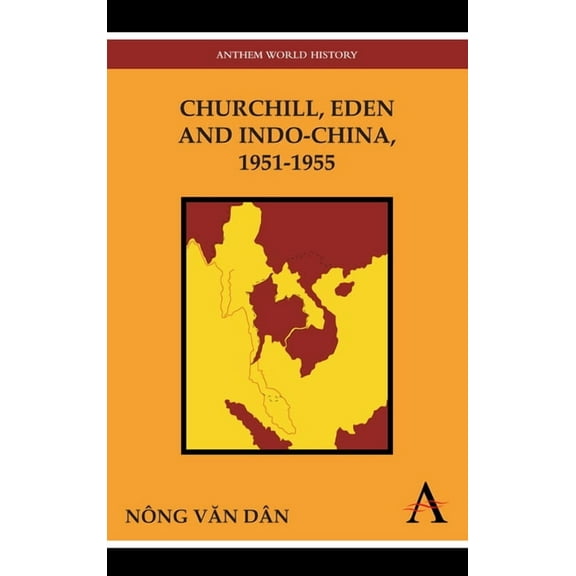
Anthem Southeast Asian Studies Churchill, Eden and Indo-China, 1951-1955, Book 1, (Hardcover) $110.99
 $11099current price $110.99
Anthem Southeast Asian Studies Churchill, Eden and Indo-China, 1951-1955, Book 1, (Hardcover)
Contributions to the Study of World Hist Tea in China: The History of China's National Drink, Book 33, (Hardcover) $111.85
 $11185current price $111.85
Contributions to the Study of World Hist Tea in China: The History of China's National Drink, Book 33, (Hardcover)
China Academic Library English Writings of Hu Shih: Literature and Society (Volume 1), (Hardcover) $91.25
 $9125current price $91.25
China Academic Library English Writings of Hu Shih: Literature and Society (Volume 1), (Hardcover)
China Insights The History of Chinese Civilization, (Hardcover) $126.60
 $12660current price $126.60
China Insights The History of Chinese Civilization, (Hardcover)
Writing and the Ancient State: Early China in Comparative Perspective (Hardcover) $93.92
 $9392current price $93.92
Writing and the Ancient State: Early China in Comparative Perspective (Hardcover)
Social Control in China: A Study of Chinese Work Units, (Hardcover) $111.85
 $11185current price $111.85
Social Control in China: A Study of Chinese Work Units, (Hardcover)
Heart Sūtra, (Hardcover) $97.54
 $9754current price $97.54
Heart Sūtra, (Hardcover)
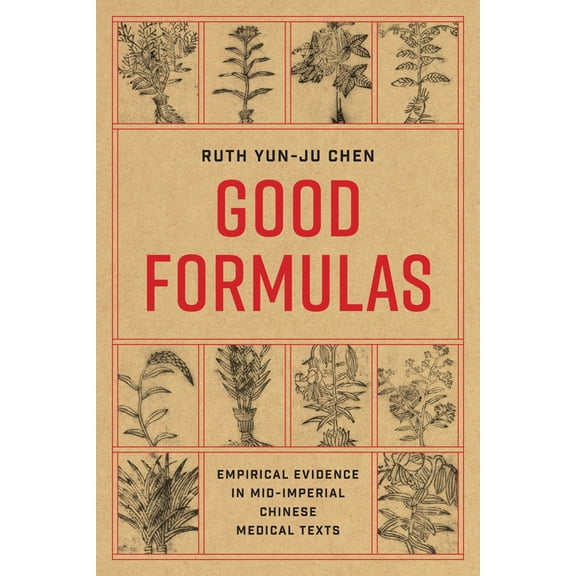
Good Formulas: Empirical Evidence in Mid-Imperial Chinese Medical Texts, (Hardcover) $103.40
 $10340current price $103.40
Good Formulas: Empirical Evidence in Mid-Imperial Chinese Medical Texts, (Hardcover)
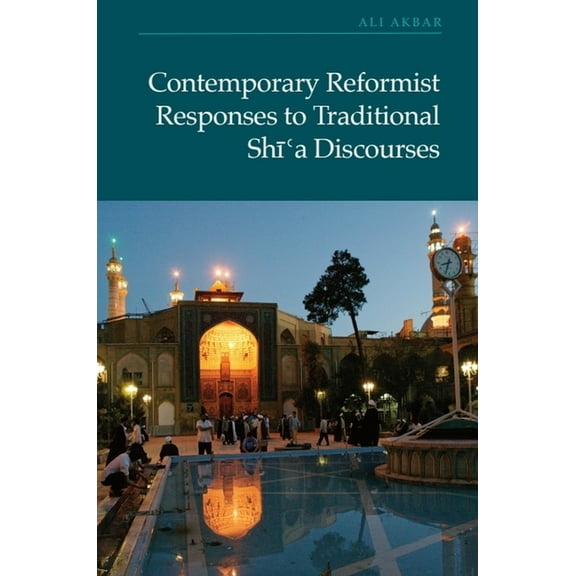
Contemporary Reformist Responses to Traditional Shi'a Discourses, (Hardcover) $78.11 Was $96.19
 $7811current price $78.11, Was $96.19$96.19
Contemporary Reformist Responses to Traditional Shi'a Discourses, (Hardcover)
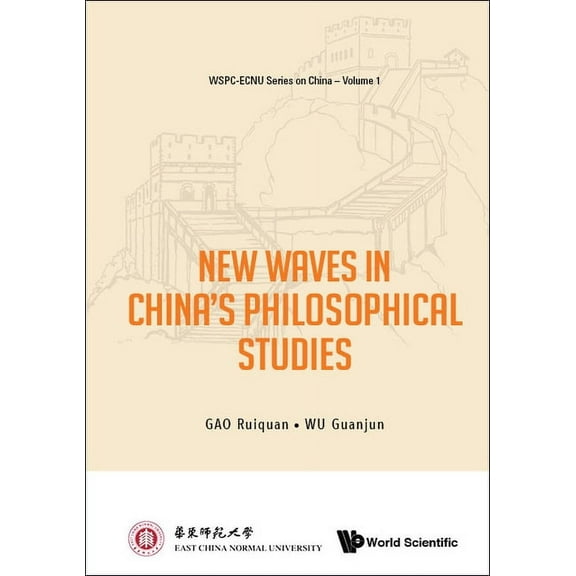
Wspc-Ecnu China New Waves in China's Philosophical Studies, Book 1, (Hardcover) $96.55
 $9655current price $96.55
Wspc-Ecnu China New Waves in China's Philosophical Studies, Book 1, (Hardcover)
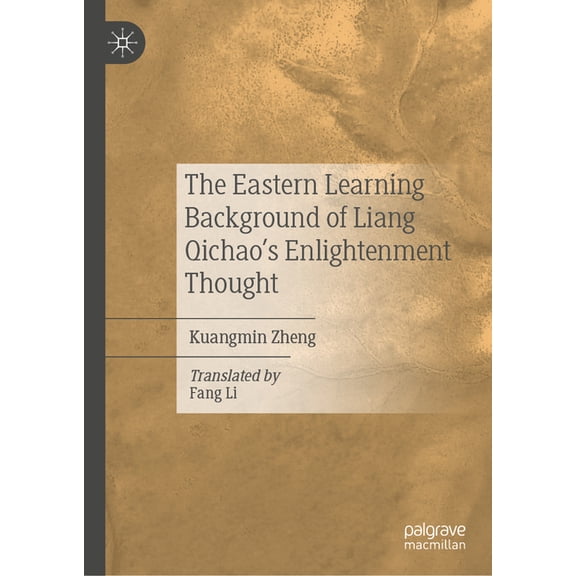
The Eastern Learning Background of Liang Qichao's Enlightenment Thought, (Hardcover) $140.92
 $14092current price $140.92
The Eastern Learning Background of Liang Qichao's Enlightenment Thought, (Hardcover)
Cambridge Studies in the History of the Across the Great Divide: The Sent-Down Youth Movement in Mao's China, 1968-1980, (Hardcover) $96.66
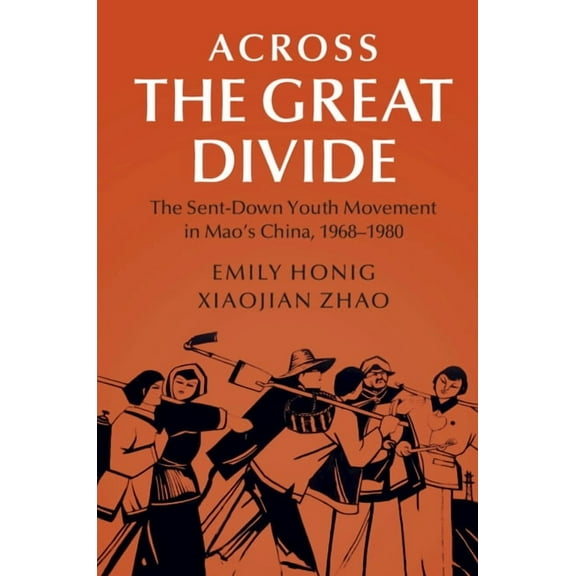 $9666current price $96.66
Cambridge Studies in the History of the Across the Great Divide: The Sent-Down Youth Movement in Mao's China, 1968-1980, (Hardcover)
Studies in Fuzziness and Soft Computing Takagi-Sugeno Fuzzy Systems Non-Fragile H-Infinity Filtering, Book 282, (Hardcover) $90.07
 $9007current price $90.07
Studies in Fuzziness and Soft Computing Takagi-Sugeno Fuzzy Systems Non-Fragile H-Infinity Filtering, Book 282, (Hardcover)
Sun Zi: The Art of War. An Ancient Chinese Military Classic With the Chinese Original Text, Text-Analytical Data, an English translation by Lionel Giles (1910), Latin Hanyu Pinyin Transcription and Ch $66.50
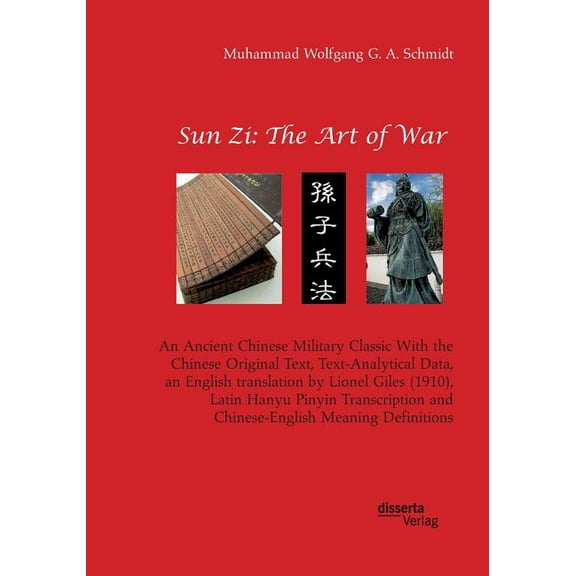 $6650current price $66.50
Sun Zi: The Art of War. An Ancient Chinese Military Classic With the Chinese Original Text, Text-Analytical Data, an English translation by Lionel Giles (1910), Latin Hanyu Pinyin Transcription and Ch
Origins of Ancient Chinese Civilization: The Pre-Qin Period, (Hardcover) $79.45
 $7945current price $79.45
Origins of Ancient Chinese Civilization: The Pre-Qin Period, (Hardcover)
Studies of the Weatherhead East Asian In Leprosy in China: A History, (Hardcover) $85.01
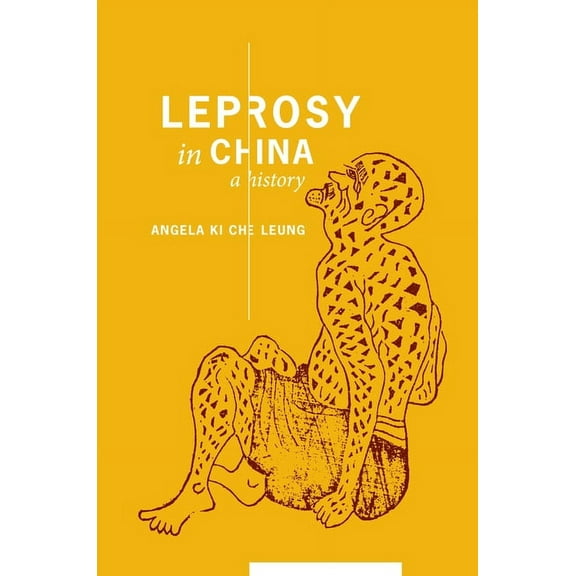 $8501current price $85.01
Studies of the Weatherhead East Asian In Leprosy in China: A History, (Hardcover)
Customer ratings & reviews
0 ratings|0 reviews
This item does not have any reviews yet
