

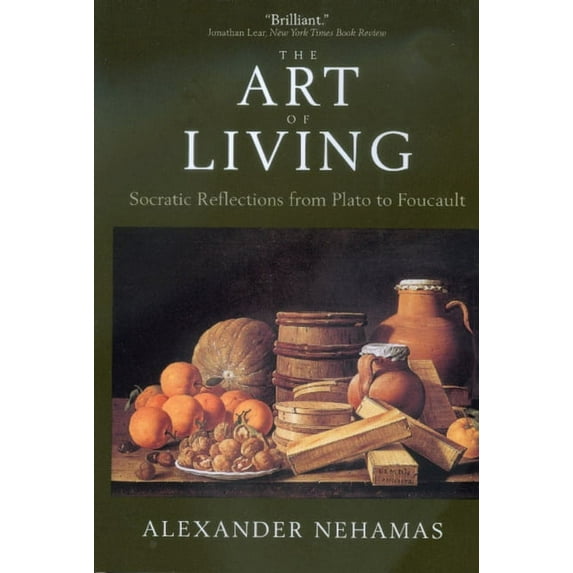
Hero image 0 of Sather Classical Lectures: The Art of Living : Socratic Reflections from Plato to Foucault (Series #61) (Edition 1) (Paperback), 0 of 1
Sather Classical Lectures: The Art of Living : Socratic Reflections from Plato to Foucault (Series #61) (Edition 1) (Paperback)
(No ratings yet)
Key item features
For much of its history, philosophy was not merely a theoretical discipline but a way of life, an "art of living." This practical aspect of philosophy has been much less dominant in modernity than it was in ancient Greece and Rome, when philosophers of all stripes kept returning to Socrates as a model for living. The idea of philosophy as an art of living has survived in the works of such major modern authors as Montaigne, Nietzsche, and Foucault. Each of these writers has used philosophical discussion as a means of establishing what a person is and how a worthwhile life is to be lived. In this wide-ranging, brilliantly written account, Alexander Nehamas provides an incisive reevaluation of Socrates' place in the Western philosophical tradition and shows the importance of Socrates for Montaigne, Nietzsche, and Foucault.
Why does each of these philosophers—each fundamentally concerned with his own originality—return to Socrates as a model? The answer lies in the irony that characterizes the Socrates we know from the Platonic dialogues. Socratic irony creates a mask that prevents a view of what lies behind. How Socrates led the life he did, what enabled or inspired him, is never made evident. No tenets are proposed. Socrates remains a silent and ambiguous character, forcing readers to come to their own conclusions about the art of life. This, Nehamas shows, is what allowed Montaigne, Nietzsche, and Foucault to return to Socrates as a model without thereby compelling them to imitate him.
This highly readable, erudite study argues for the importance of the tradition within Western philosophy that is best described as "the art of living" and casts Montaigne, Nietzsche, and Foucault as the three major modern representatives of this tradition. Full of original ideas and challenging associations, this work will offer new ways of thinking about the philosophers Nehamas discusses and about the discipline of philosophy itself.
Why does each of these philosophers—each fundamentally concerned with his own originality—return to Socrates as a model? The answer lies in the irony that characterizes the Socrates we know from the Platonic dialogues. Socratic irony creates a mask that prevents a view of what lies behind. How Socrates led the life he did, what enabled or inspired him, is never made evident. No tenets are proposed. Socrates remains a silent and ambiguous character, forcing readers to come to their own conclusions about the art of life. This, Nehamas shows, is what allowed Montaigne, Nietzsche, and Foucault to return to Socrates as a model without thereby compelling them to imitate him.
This highly readable, erudite study argues for the importance of the tradition within Western philosophy that is best described as "the art of living" and casts Montaigne, Nietzsche, and Foucault as the three major modern representatives of this tradition. Full of original ideas and challenging associations, this work will offer new ways of thinking about the philosophers Nehamas discusses and about the discipline of philosophy itself.
Specs
- Book formatPaperback
- Fiction/nonfictionNon-Fiction
- Pub date20000301
- Pages294
- Reading levelGeneral (US: Trade)
- SubgenreHistory & Surveys
Current price is USD$38.80
Price when purchased online
- Free shipping
 Free 30-day returns
How do you want your item?
Columbus, 43215
Arrives between Apr 6 - Apr 9
|
Sold and shipped by Alibris Books
4.563790314908191 stars out of 5, based on 10511 seller reviews(4.6)10511 seller reviews

Free 30-day returns
More seller options (3)
Starting from $40.21
About this item
Product details
For much of its history, philosophy was not merely a theoretical discipline but a way of life, an "art of living." This practical aspect of philosophy has been much less dominant in modernity than it was in ancient Greece and Rome, when philosophers of all stripes kept returning to Socrates as a model for living. The idea of philosophy as an art of living has survived in the works of such major modern authors as Montaigne, Nietzsche, and Foucault. Each of these writers has used philosophical discussion as a means of establishing what a person is and how a worthwhile life is to be lived. In this wide-ranging, brilliantly written account, Alexander Nehamas provides an incisive reevaluation of Socrates' place in the Western philosophical tradition and shows the importance of Socrates for Montaigne, Nietzsche, and Foucault.
Why does each of these philosophers-each fundamentally concerned with his own originality-return to Socrates as a model? The answer lies in the irony that characterizes the Socrates we know from the Platonic dialogues. Socratic irony creates a mask that prevents a view of what lies behind. How Socrates led the life he did, what enabled or inspired him, is never made evident. No tenets are proposed. Socrates remains a silent and ambiguous character, forcing readers to come to their own conclusions about the art of life. This, Nehamas shows, is what allowed Montaigne, Nietzsche, and Foucault to return to Socrates as a model without thereby compelling them to imitate him.
This highly readable, erudite study argues for the importance of the tradition within Western philosophy that is best described as "the art of living" and casts Montaigne, Nietzsche, and Foucault as the three major modern representatives of this tradition. Full of original ideas and challenging associations, this work will offer new ways of thinking about the philosophers Nehamas discusses and about the discipline of philosophy itself.
Why does each of these philosophers-each fundamentally concerned with his own originality-return to Socrates as a model? The answer lies in the irony that characterizes the Socrates we know from the Platonic dialogues. Socratic irony creates a mask that prevents a view of what lies behind. How Socrates led the life he did, what enabled or inspired him, is never made evident. No tenets are proposed. Socrates remains a silent and ambiguous character, forcing readers to come to their own conclusions about the art of life. This, Nehamas shows, is what allowed Montaigne, Nietzsche, and Foucault to return to Socrates as a model without thereby compelling them to imitate him.
This highly readable, erudite study argues for the importance of the tradition within Western philosophy that is best described as "the art of living" and casts Montaigne, Nietzsche, and Foucault as the three major modern representatives of this tradition. Full of original ideas and challenging associations, this work will offer new ways of thinking about the philosophers Nehamas discusses and about the discipline of philosophy itself.
For much of its history, philosophy was not merely a theoretical discipline but a way of life, an "art of living." This practical aspect of philosophy has been much less dominant in modernity than it was in ancient Greece and Rome, when philosophers of all stripes kept returning to Socrates as a model for living. The idea of philosophy as an art of living has survived in the works of such major modern authors as Montaigne, Nietzsche, and Foucault. Each of these writers has used philosophical discussion as a means of establishing what a person is and how a worthwhile life is to be lived. In this wide-ranging, brilliantly written account, Alexander Nehamas provides an incisive reevaluation of Socrates' place in the Western philosophical tradition and shows the importance of Socrates for Montaigne, Nietzsche, and Foucault.
Why does each of these philosophers—each fundamentally concerned with his own originality—return to Socrates as a model? The answer lies in the irony that characterizes the Socrates we know from the Platonic dialogues. Socratic irony creates a mask that prevents a view of what lies behind. How Socrates led the life he did, what enabled or inspired him, is never made evident. No tenets are proposed. Socrates remains a silent and ambiguous character, forcing readers to come to their own conclusions about the art of life. This, Nehamas shows, is what allowed Montaigne, Nietzsche, and Foucault to return to Socrates as a model without thereby compelling them to imitate him.
This highly readable, erudite study argues for the importance of the tradition within Western philosophy that is best described as "the art of living" and casts Montaigne, Nietzsche, and Foucault as the three major modern representatives of this tradition. Full of original ideas and challenging associations, this work will offer new ways of thinking about the philosophers Nehamas discusses and about the discipline of philosophy itself.
Why does each of these philosophers—each fundamentally concerned with his own originality—return to Socrates as a model? The answer lies in the irony that characterizes the Socrates we know from the Platonic dialogues. Socratic irony creates a mask that prevents a view of what lies behind. How Socrates led the life he did, what enabled or inspired him, is never made evident. No tenets are proposed. Socrates remains a silent and ambiguous character, forcing readers to come to their own conclusions about the art of life. This, Nehamas shows, is what allowed Montaigne, Nietzsche, and Foucault to return to Socrates as a model without thereby compelling them to imitate him.
This highly readable, erudite study argues for the importance of the tradition within Western philosophy that is best described as "the art of living" and casts Montaigne, Nietzsche, and Foucault as the three major modern representatives of this tradition. Full of original ideas and challenging associations, this work will offer new ways of thinking about the philosophers Nehamas discusses and about the discipline of philosophy itself.
info:
We aim to show you accurate product information. Manufacturers, suppliers and others provide what you see here, and we have not verified it.
Specifications
Book format
Paperback
Fiction/nonfiction
Non-Fiction
Genre
Political & Social Sciences
Pub date
20000301
Warranty
Warranty information
Please be aware that the warranty terms on items offered for sale by third party Marketplace sellers may differ from those displayed in this section (if any). To confirm warranty terms on an item offered for sale by a third party Marketplace seller, please use the 'Contact seller' feature on the third party Marketplace seller's information page and request the item's warranty terms prior to purchase.
Similar items you might like
Based on what customers bought
Suny Series, Insinuations: Philosophy, P Coming Too Late: Reflections on Freud and Belatedness, (Paperback) $36.95
 $3695current price $36.95
Suny Series, Insinuations: Philosophy, P Coming Too Late: Reflections on Freud and Belatedness, (Paperback)
Plateaus - New Directions in Deleuze Stu History and Becoming: Deleuze's Philosophy of Creativity, (Paperback) $29.66
 $2966current price $29.66
Plateaus - New Directions in Deleuze Stu History and Becoming: Deleuze's Philosophy of Creativity, (Paperback)
Routledge Critical Thinkers: Classical Philosophers on Literature : Plato, Aristotle, Longinus (Paperback) $26.95
 $2695current price $26.95
Routledge Critical Thinkers: Classical Philosophers on Literature : Plato, Aristotle, Longinus (Paperback)
Plato's Republic: Essays (Paperback) $25.95
 $2595current price $25.95
Plato's Republic: Essays (Paperback)
Late Modernism and the Poetics of Place, (Paperback) $33.94
 $3394current price $33.94
Late Modernism and the Poetics of Place, (Paperback)
Library of Alexandria The Complete Classical Wisdom Collection (Vol. 1): The Art of War, Tao Te Ching, Meditations & The Book of Five Ring, Book 406, (Hardcover) $29.30
 $2930current price $29.30
Library of Alexandria The Complete Classical Wisdom Collection (Vol. 1): The Art of War, Tao Te Ching, Meditations & The Book of Five Ring, Book 406, (Hardcover)
Meditations: Marcus Aurelious' Reflections on Stoicism, (Paperback) $17.50
 $1750current price $17.50
Meditations: Marcus Aurelious' Reflections on Stoicism, (Paperback)
15 out of 5 Stars. 1 reviewsPicasso's Picassos, (Hardcover) $31.93
 $3193current price $31.93
Picasso's Picassos, (Hardcover)
11 out of 5 Stars. 1 reviewsSuny Contemporary Continental Philosophy Dialogue on the Threshold: Heidegger and Trakl, (Paperback) $37.94
 $3794current price $37.94
Suny Contemporary Continental Philosophy Dialogue on the Threshold: Heidegger and Trakl, (Paperback)
Platon's Timaeos: Eine Aechte Urkunde Wahrer Physik (Paperback) $20.95
 $2095current price $20.95
Platon's Timaeos: Eine Aechte Urkunde Wahrer Physik (Paperback)
Aristophane: Traduction nouvelle; Tome I (Paperback) $24.43
 $2443current price $24.43
Aristophane: Traduction nouvelle; Tome I (Paperback)
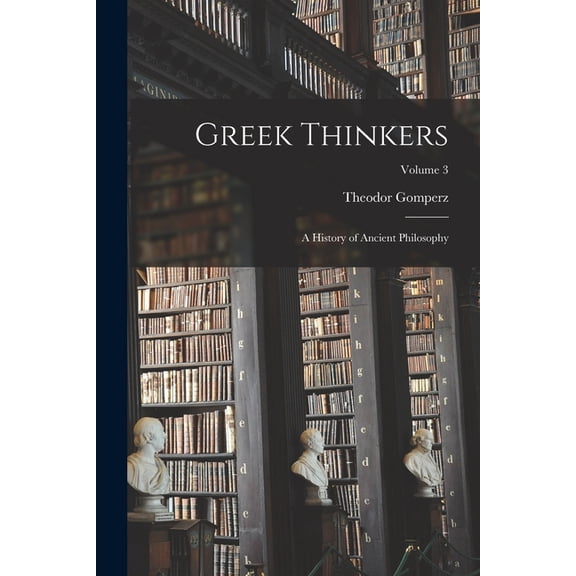
Greek Thinkers: A History of Ancient Philosophy; Volume 3, (Paperback) $25.95
 $2595current price $25.95
Greek Thinkers: A History of Ancient Philosophy; Volume 3, (Paperback)
How Philosophy Became Socratic: A Study of Plato's "Protagoras," "Charmides," and "Republic", (Paperback) $42.00
 $4200current price $42.00
How Philosophy Became Socratic: A Study of Plato's "Protagoras," "Charmides," and "Republic", (Paperback)
Deleuze and Guattari Encounters Philosophy After Deleuze, (Paperback) $44.95
 $4495current price $44.95
Deleuze and Guattari Encounters Philosophy After Deleuze, (Paperback)
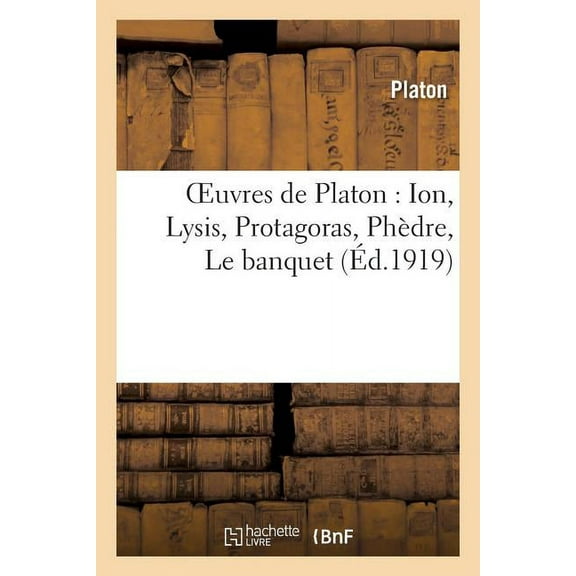
Philosophie: Oeuvres de Platon: Ion, Lysis, Protagoras, Phèdre, Le Banquet (Paperback) $28.95
 $2895current price $28.95
Philosophie: Oeuvres de Platon: Ion, Lysis, Protagoras, Phèdre, Le Banquet (Paperback)
Nietzsche's Philosophy of History (Paperback) $45.56
 $4556current price $45.56
Nietzsche's Philosophy of History (Paperback)
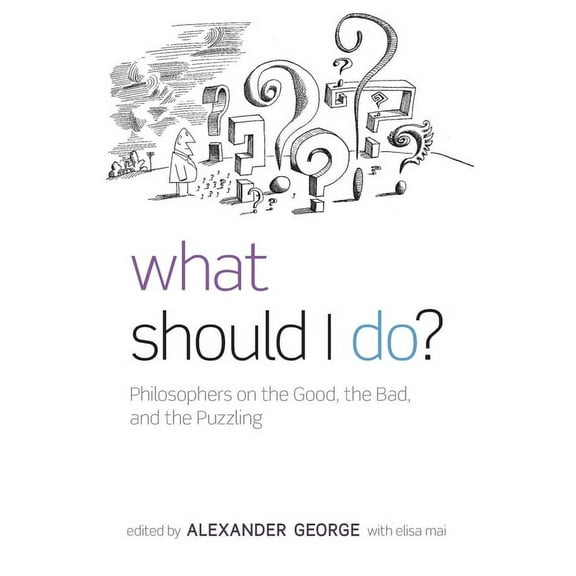
What Should I Do?: Philosophers on the Good, the Bad, and the Puzzling, (Paperback) $24.98
 $2498current price $24.98
What Should I Do?: Philosophers on the Good, the Bad, and the Puzzling, (Paperback)
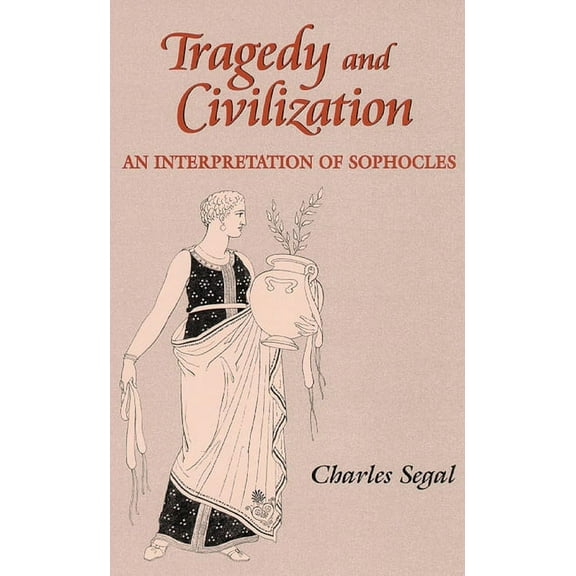
Klassiker Auslegen Platon: Symposion, Book 39, (Hardcover) $32.34
 $3234current price $32.34
Klassiker Auslegen Platon: Symposion, Book 39, (Hardcover)
Customer ratings & reviews
0 ratings|0 reviews
This item does not have any reviews yet

Related pages
- Meno By Plato
- Plato's Republic Amazon
- Sonnet 116 Shakespeare Analysis
- Statesman Plato
- Johann Von Goethe Quotes
- Translate Macbeth Modern English
- Individual Philosophers Books
- Shakespeare Literary Criticism Books
- Poetry Literary Criticism Books
- 16th Century Literary Criticism Books
- Yiddish Language Books
- 17th Century Literary Criticism Books